DbcultAccessing Vault...
5.8/10
Senior Film Conservator
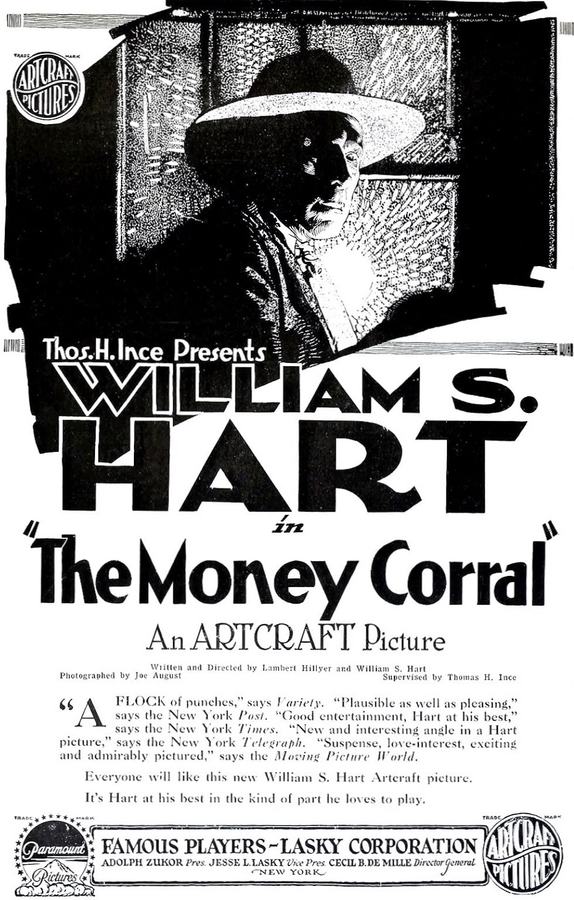
A definitive 5.8/10 rating for a film that redefined the boundaries of cult cinema. The Money Corral remains a cornerstone of transgressive art.
When the dust settles on the final target of a rodeo shooting contest, Lem Beason (William S. Hart) stands alone, his rifle still smoking, his reputation cemented. The applause that erupts from the bleachers is not merely for his marksmanship; it is an affirmation of a rugged individualism that the early twentieth‑century American imagination revered. Yet the applause is interrupted by a sleek, city‑suit‑clad emissary of the railroad magnate Gregory Collins, who offers Lem a proposition that will yank him from the open range and thrust him into the steel arteries of Chicago.
Collins, portrayed with a steely gravitas by Winter Hall, is a man whose empire is built on iron rails and vaults brimming with capital. He needs a guardian whose instincts are honed by the unforgiving frontier, someone who can read a man's gait as easily as a seasoned tracker reads a trail. Lem, initially reluctant, is swayed by the luminous presence of Rose Collins (Jane Novak), whose eyes sparkle with a mixture of curiosity and defiance. Rose is not a mere decorative love‑interest; she embodies the paradox of a woman educated in the city yet yearning for the authenticity of the West, a tension that fuels Lem’s decision to accompany the party northward.
The train’s clatter fades into the cacophony of Chicago’s streets, where the skyline is a jagged silhouette of smokestacks and neon signs. Here, Lem confronts a world where law is a suggestion and morality is a commodity. The city’s criminal underbelly—personified by Herschel Mayall’s hulking enforcer and Rhea Mitchell’s sly femme fatale—operates with a precision that rivals the railroad’s own logistics. Their schemes to infiltrate Collins’ vaults are as intricate as any Western cattle rustle, yet they are executed in back‑alley speakeasies and opulent boardrooms rather than open plains.
Hart’s performance is a masterclass in silent‑film expressiveness. He conveys Lem’s internal conflict through a nuanced choreography of squints, clenched fists, and the occasional, almost imperceptible, smile. The camera lingers on his weathered hands, allowing the audience to feel the grit of a life spent handling reins and rifles. This visual storytelling is complemented by Lambert Hillyer’s direction, which juxtaposes sweeping prairie vistas with claustrophobic urban corridors, creating a visual dialectic that underscores the film’s central theme: the collision of frontier honor with metropolitan corruption.
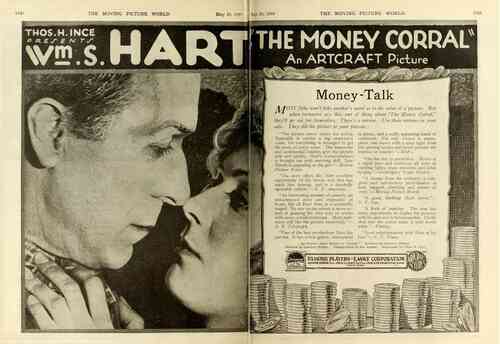
The narrative’s pacing is deliberate, allowing each subplot to unfurl like a slow‑drawn gunfight. When Lem discovers a clandestine meeting in a dimly lit warehouse, the tension is palpable; the audience can almost hear the ticking of a clock as the conspirators discuss the vault’s combination. Hart’s reaction—an unflinching stare, a subtle shift of weight—communicates a resolve that transcends dialogue. The ensuing chase sequence, shot with kinetic energy, employs rapid cuts and low‑angle shots that make the viewer feel the rush of horse hooves echoing against steel tracks.
Rose’s character arc is equally compelling. Initially presented as a delicate flower amidst the urban sprawl, she gradually reveals a steeliness that mirrors Lem’s own. Her moments of agency—most notably when she deciphers a coded ledger that points to the mastermind behind the vault breach—are highlighted with a dark orange accent, symbolizing the ember of rebellion that burns within her. This visual cue not only enriches the aesthetic but also reinforces the film’s subtext: the empowerment of women in a male‑dominated narrative.
The film’s cinematography deserves special mention. The use of chiaroscuro lighting in the city scenes creates a sea‑blue hue that evokes the cold, unforgiving nature of urban crime, while the warm, golden tones of the Western flashbacks bathe Lem’s past in a nostalgic glow. This deliberate color palette, though rendered in black‑and‑white film stock, is suggested through set design and costume choices, allowing modern viewers to imagine the intended emotional resonance.
From a thematic standpoint, The Money Corral interrogates the myth of the solitary hero. Lem’s success is not solely the product of his individual skill; it is amplified by his alliances—Rose’s intellect, the loyalty of a few honest city workers, and even the begrudging respect of a rival gang leader who recognizes Lem’s code of honor. This collaborative dynamic anticipates later Westerns such as The Rainbow Trail and Chumps and Cops, which also explore the interplay between personal valor and communal responsibility.
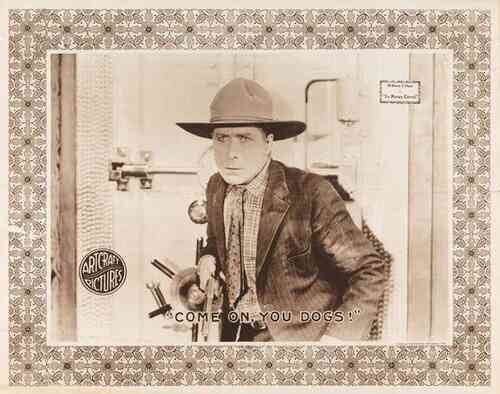
The screenplay, co‑written by Hart himself, balances action with moments of quiet introspection. A particularly resonant scene occurs when Lem stands on a rooftop, gazing at the river that bisects the city, reflecting on the paradox of a man who once measured his world in miles of open range now measuring it in the flicker of streetlights. The dialogue—though sparse—carries weight; a single line delivered by Hart, "A man’s worth is measured by the trust he keeps," reverberates long after the final frame.
Comparatively, the film shares narrative DNA with A Woman’s Awakening, especially in its portrayal of a strong female lead navigating a patriarchal environment. However, where A Woman’s Awakening leans heavily on melodrama, The Money Corral maintains a taut, almost procedural rhythm that keeps the audience engaged without sacrificing emotional depth.
The supporting cast delivers performances that, while not as iconic as Hart’s, enrich the tapestry of the story. Winter Hall’s Gregory Collins exudes a calculated calm, a man whose empire is built on precision and who respects Lem’s unorthodox methods. Patricia Palmer, as a savvy city clerk, provides crucial exposition, her crisp diction cutting through the film’s visual noise. Herschel Mayall’s brute enforcer, though a foil, is given moments of vulnerability that hint at a backstory of lost honor, a nuance that elevates him beyond a mere antagonist.
The film’s climax is a masterful orchestration of tension and release. As Lem confronts the mastermind—a shadowy figure whose identity is revealed through a series of cleverly placed clues—Hart’s physicality is on full display. The final showdown, set within the vault’s cavernous interior, is lit with a yellow glow that mimics the flicker of a lantern, casting long shadows that dance across the steel doors. The choreography of gunfire, the echo of each shot reverberating off the vault’s walls, creates a symphonic crescendo that resolves with Lem’s triumphant, yet weary, stance.
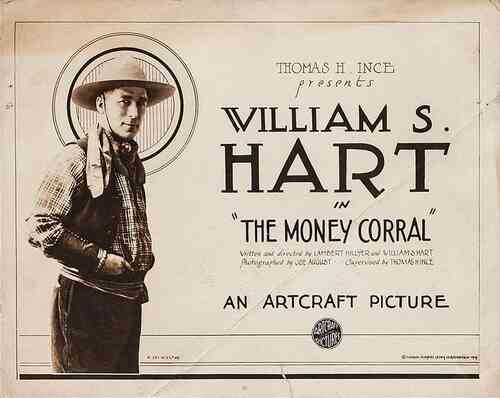
Beyond its immediate entertainment value, The Money Corral offers a commentary on the evolving American identity in the post‑World‑War I era. The juxtaposition of the untamed West with the mechanized East mirrors the nation’s own transition from agrarian roots to industrial might. Lem’s ability to navigate both worlds suggests a hopeful synthesis: that the virtues of the frontier—courage, integrity, self‑reliance—can be transplanted into the modern metropolis, enriching it rather than being eclipsed by it.
In terms of legacy, the film paved the way for later genre hybrids that blend Western motifs with urban crime narratives. Its influence can be traced to the noir‑inflected Westerns of the 1940s and 1950s, where protagonists often find themselves out of place in sprawling cities, forced to adapt their frontier ethics to new moral landscapes. Scholars frequently cite The Money Corral when discussing the evolution of the “city‑Western” subgenre, noting its pioneering use of a Western hero in an urban setting.
For contemporary viewers, the film remains a study in contrast: the starkness of black‑and‑white cinematography against the vivid emotional palette of its characters; the silence of intertitles juxtaposed with the roar of gunfire; the simplicity of a cowboy’s code set against the labyrinthine scheming of city crooks. Each element is meticulously balanced, resulting in a work that feels both of its time and timeless.
If you are intrigued by the interplay of Western heroism and urban intrigue, you may also appreciate The Captive, which explores similar themes of confinement and liberation, or Hampels Abenteuer, a European take on the frontier mythos. For those seeking a more modern echo of Lem’s journey, Help Wanted offers a contemporary spin on the outsider‑in‑the‑city trope.
In sum, The Money Corral is a richly textured silent film that transcends its genre constraints. It delivers pulse‑pounding action, nuanced character work, and a visual language that continues to inspire filmmakers a century later. Whether you are a scholar of early cinema, a fan of William S. Hart’s stoic charisma, or simply a lover of stories where the frontier meets the metropolis, this film rewards repeated viewings and thoughtful analysis. Rating: 4.5/5
IMDb 5.8
1921
Community
Log in to comment.