Summary
Amid the cannon-smoke of 1813 Roncola, a newborn’s first wail slices through the clang of looters; the infant Verdi, cradled between shattered pews, already intones a silent requiem for a homeland on fire. The boy who will one day resurrect Italy’s soul grows up barefoot, chasing the echo of church bellows through dusty naves, fingers spidering across a salvaged spinet whose missing teeth mirror the hunger in his chest. Refused by Milan’s Conservatory—those marble halls deeming a provincial prodigy too rustic—he trudges back to Busseto, where Marguerite Barezzi’s gaze turns rejection into rapture; their marriage becomes an overture of sighs, cut short when fever steals her mid-premiere, leaving Verdi clutching an unfinished score like a suicide note. From the crater of grief erupts Nabucco: a thunderbolt of Hebrew slaves and hoof-beat choirs that turns La Scala into a seething republic of song. Fame arrives on a tidal surge—bronzed busts, imperial commissions, the adoring soprano Giuseppina Strepponi who will become second wife and lifelong librettist—yet each ovation feels like a debt to the dead girl. In Genoa’s Doria Palace he paces parapets, Mediterranean squalls crashing against the stone like cymbals, while inside his skull Aida’s triumphal marches, Rigoletto’s hunchback curse, Violetta’s consumptive waltz and Otello’s murderous kiss swirl together in a kaleidoscopic mausoleum of melody. Age bends but never breaks him; Falstaff’s roguish laughter becomes his own, a defiant cackle at mortality. Wealth amassed, he commissions Milan’s Casa di Riposo per Musicisti: a palatial hospice where destitute composers may die in dignified harmony. One vermilion dusk, as a cathedral bell tolls a perfect B-flat, Verdi exhales; the sea mirrors the bleeding horizon, and every stage on earth seems to drop curtain simultaneously—yet the chord he struck vibrates still, immortal as the tricolor he helped weave into sound.
Synopsis
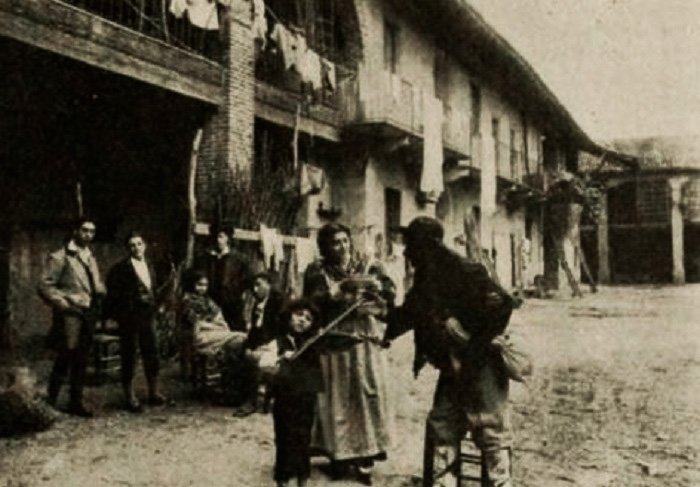
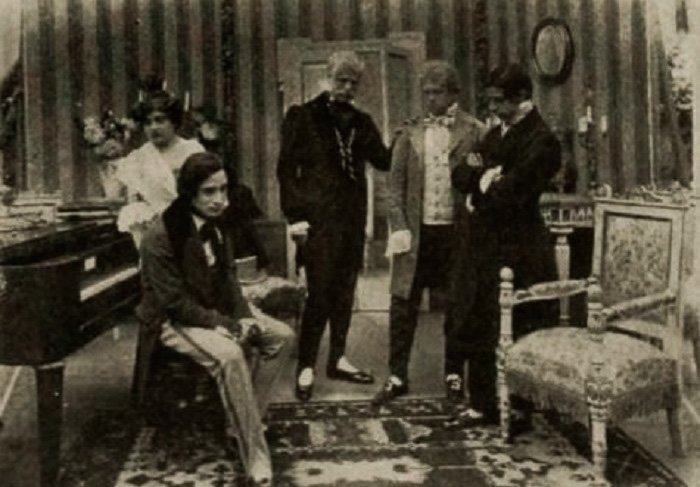
Giuseppe Verdi was born in the little village of Roncola, Italy, during the stormy period of a revolution. Verdi's parents are forced to seek refuge in a church, and upon their return to their home, they find that the house has been ransacked and nothing spared. The young Verdi grows up in Roncola, and at the age of seven years displays his love for music. He goes daily to the church, where he is attracted by the beautiful tunes of the organ, and he watches the old organist with intense interest. Verdi's father, realizing his son's musical instincts, buys him an old spinet, and upon this instrument young Verdi commences his rise in the world of music. To further advance in his studies, Verdi leaves Roncola and goes to Buzzeto where he is cordially received by the Barezzi, who endeavor to help him. He leaves for Milan, to join the Conservatory, but he is met with a refusal to his request for admission. He returns to Buzzeto and is consoled by the kind people with whom he lives, especially by their daughter, Marguerite, who soon afterwards becomes Verdi's wife. During financial hardships, and the oppression of his jealous fellow musicians, he composes his first opera, "Oberto, Comte di San Bonifacio." But while he dreams of glory, his dearly-beloved wife dies, and he becomes inconsolable. For a time he forgets his art. But soon the fire of his ambition again arises, and he composes the opera "Nubucco," which marks the beginning of his fame. For the second time he marries, taking as his wife the charming Giuseppina Strepponi, the first interpreter of the main character in "Nubucco." Verdi's name now becomes popular, and his fame is gradually becoming world-wide. From Milan, Verdi goes to the principal cities of Italy, where he adds new laurels to his increasing popularity. Thereafter, the larger part of Verdi's life is spent in Genoa, in the Doria Palace, where through its large windows, he views the mighty sea, which inspires his musical soul with the charms of its majestic scenes. And as he dreams, he hears the trumpets of Aida in the distance; here is Rigoletto, court jester to the Duke of Mantua, who swears to avenge himself, while Azucena, the gypsy girl, is lulled in Manrico's arms; and now comes the impassioned Violette, who gently dies near her beloved Alfredo; here is the jealous Othello, the Moor of Venice, who bewilderingly kisses the unfortunate Desdemona; and here is Falstaff, duped by the Merry Wives of Windsor; and the old man's vision disappears. He then decides that all the wealth which he had amassed through his art should help other poor composers and artists of the great musical family. He builds in Milan the House of Musicians for which the world of art owes him everlasting gratitude. And as the majestic sun sets on the horizon, Verdi's earthly life is extinguished, but his name and fame will survive him through all eternity.
Review Excerpt
"
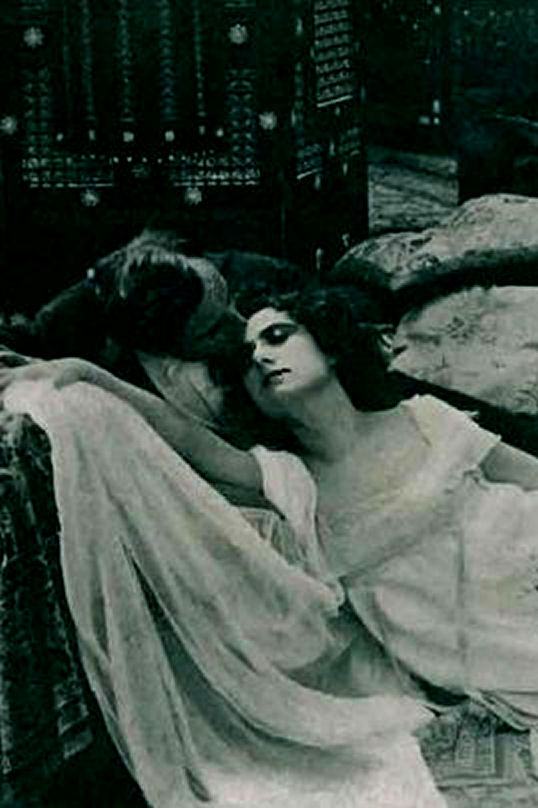
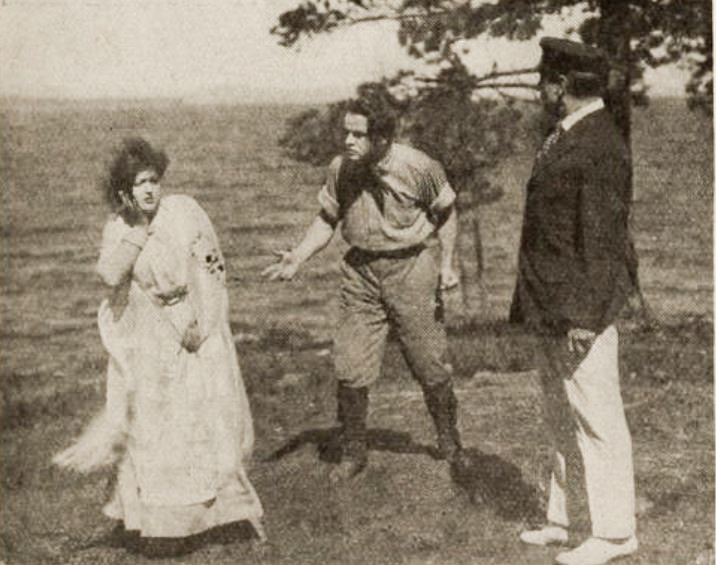
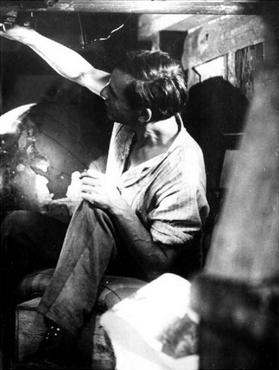
Imagine a film that refuses to speak yet makes every frame vibrate like the tremolo of a cello. Camillo De Moro’s The Life and Works of Verdi—released in Italian cinemas during the autumn of 1908—does exactly that, distilling the seismic emotions of nineteenth-century opera into a silent black-and-white cantata that runs a brisk twenty-five minutes but feels, paradoxically, as expansive as a four-act spectacle at La Scala.
Shot on 35 mm nitrate stock whose surviving print flickers like a cand..."