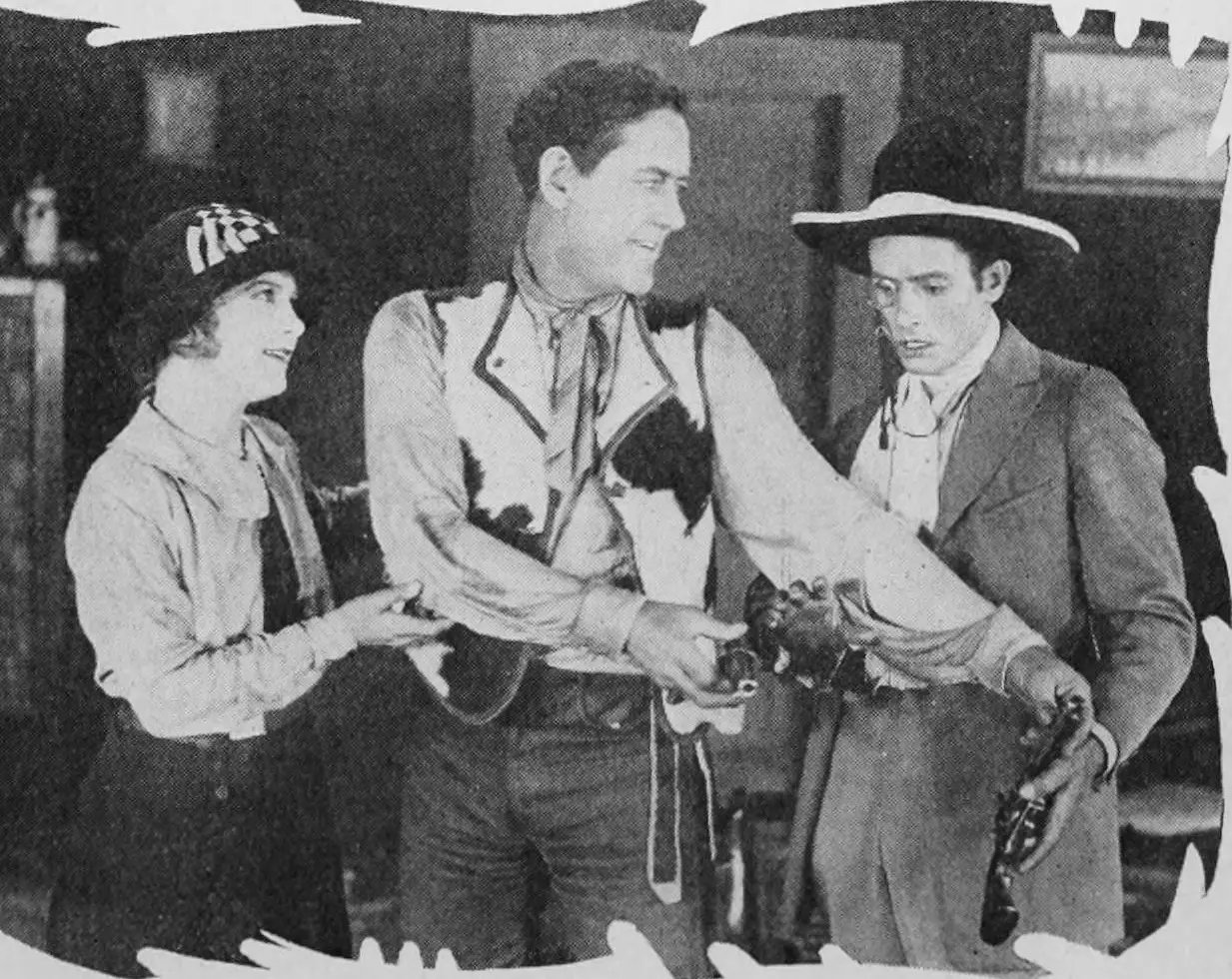
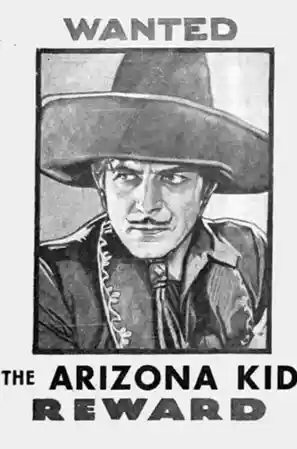
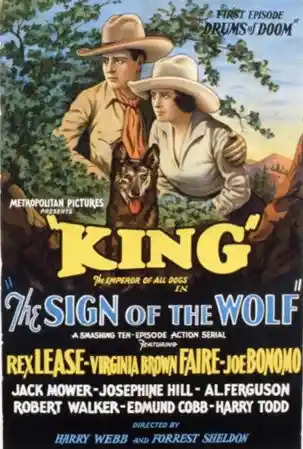
Cowhand Bruce Mason is framed and falsely accused of smuggling opium across the Texas-Mexico border near the ranch he works on. He walks, runs, rides and fights his way through many obstacles before he proves his innocence, and wins the hand of Lois Kincaid, daughter of the rancher.
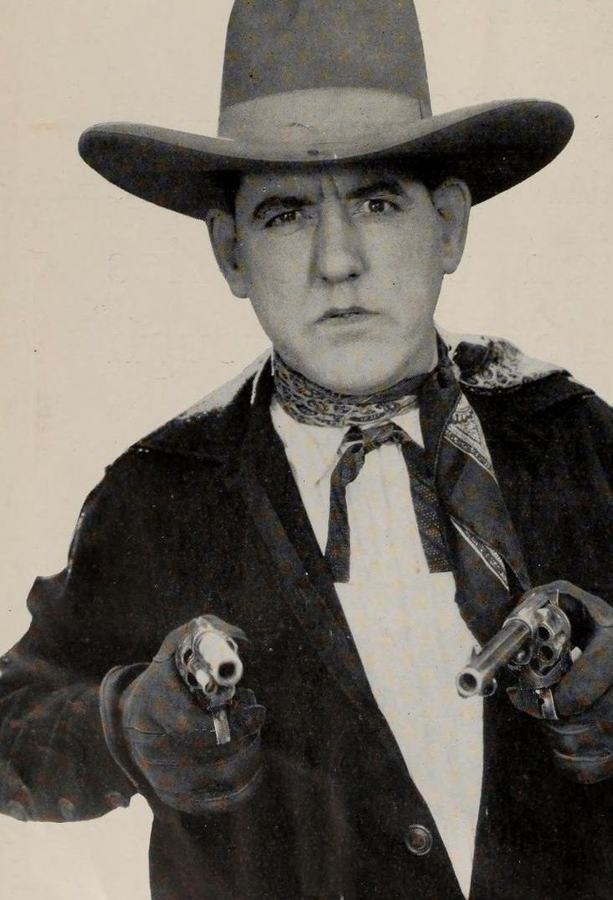
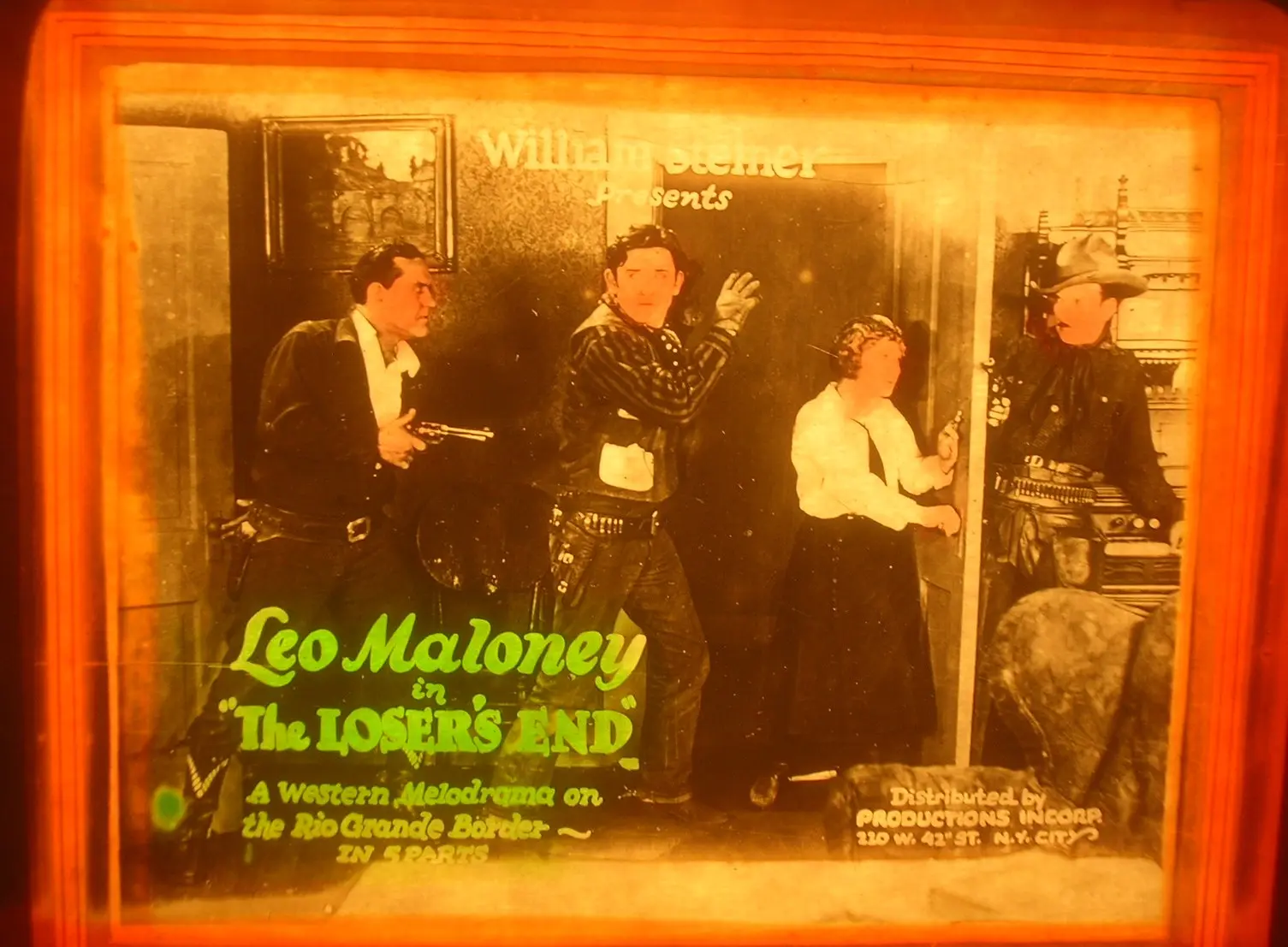
The cinematic landscape of 1924 was a crucible of experimentation, where the rugged tropes of the American West began to merge with the sophisticated narrative structures of burgeoning urban dramas. Standing at this intersection is The Loser's End, a film that eschews the romanticized pastoralism of its contemporarie...
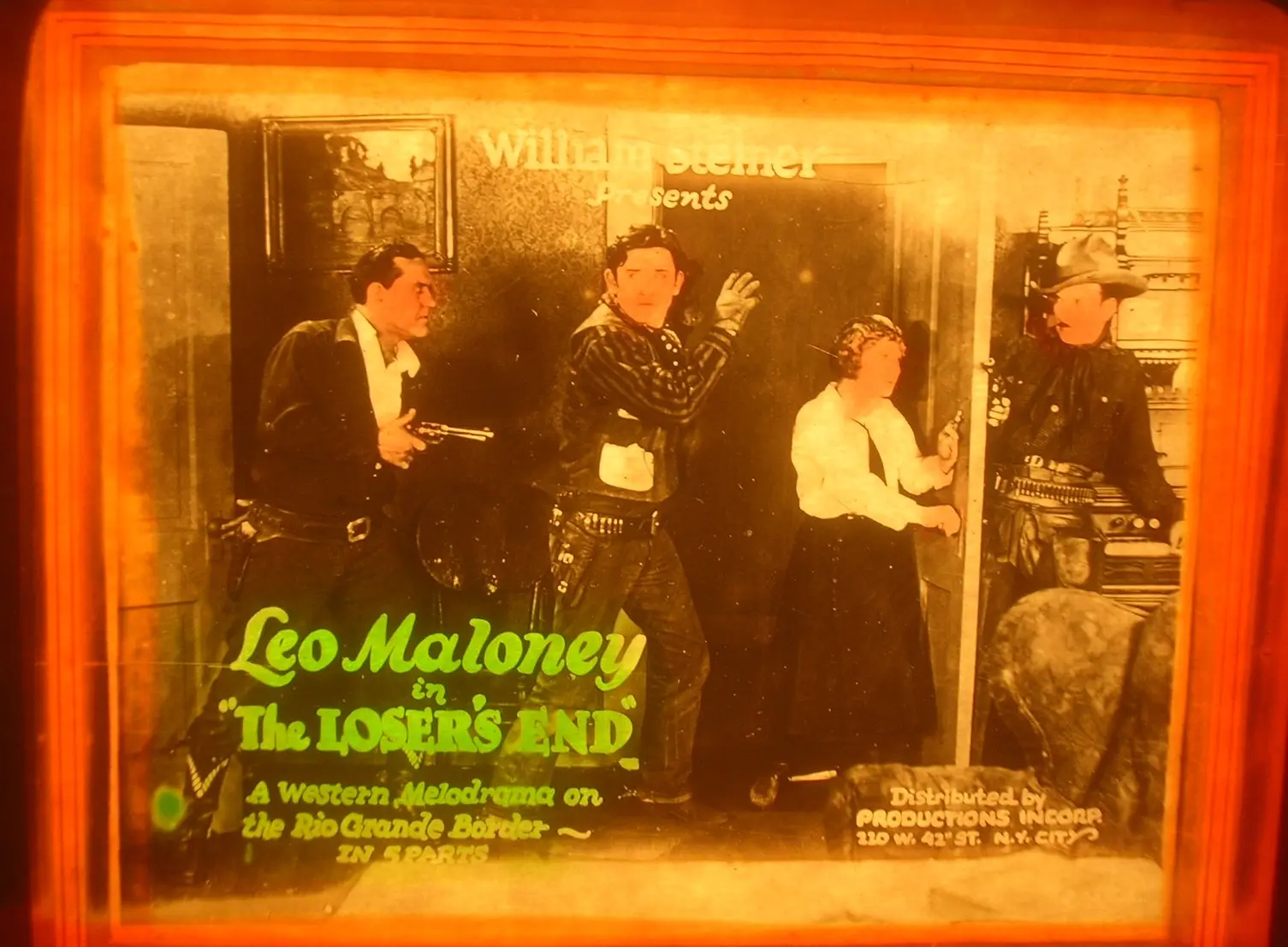
production_art
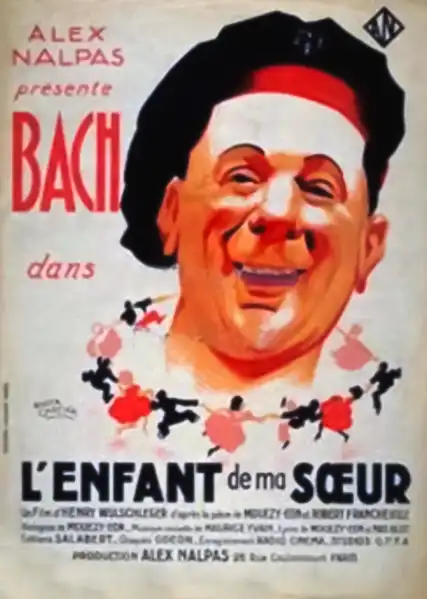
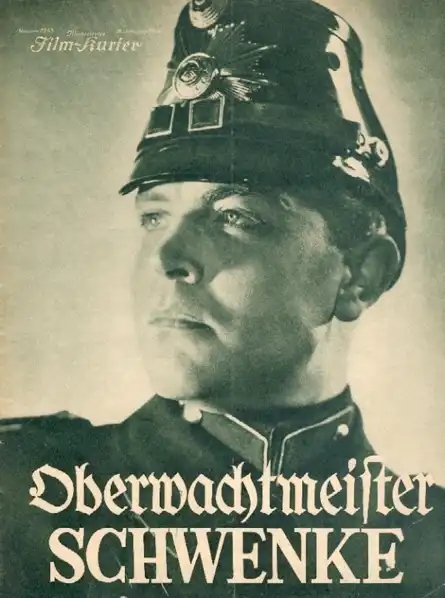
Comparing the cinematic DNA and archive impact of two defining moments in cult history.
Leo D. Maloney
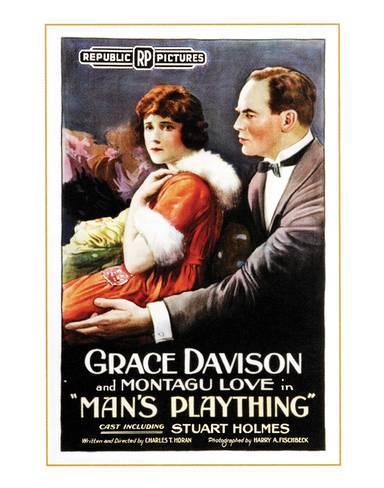
Charles Horan
Community
Log in to comment.
" The cinematic landscape of 1924 was a crucible of experimentation, where the rugged tropes of the American West began to merge with the sophisticated narrative structures of burgeoning urban dramas. Standing at this intersection is The Loser's End, a film that eschews the romanticized pastoralism of its contemporaries in favor of a visceral, almost claustrophobic exploration of frontier justice and systemic corruption. Directed and co-written by the prolific Leo D. Maloney, the film serves as ..."
Ford Beebe, Leo D. Maloney
United States