DbcultAccessing Vault...
Cult Review
Senior Film Conservator
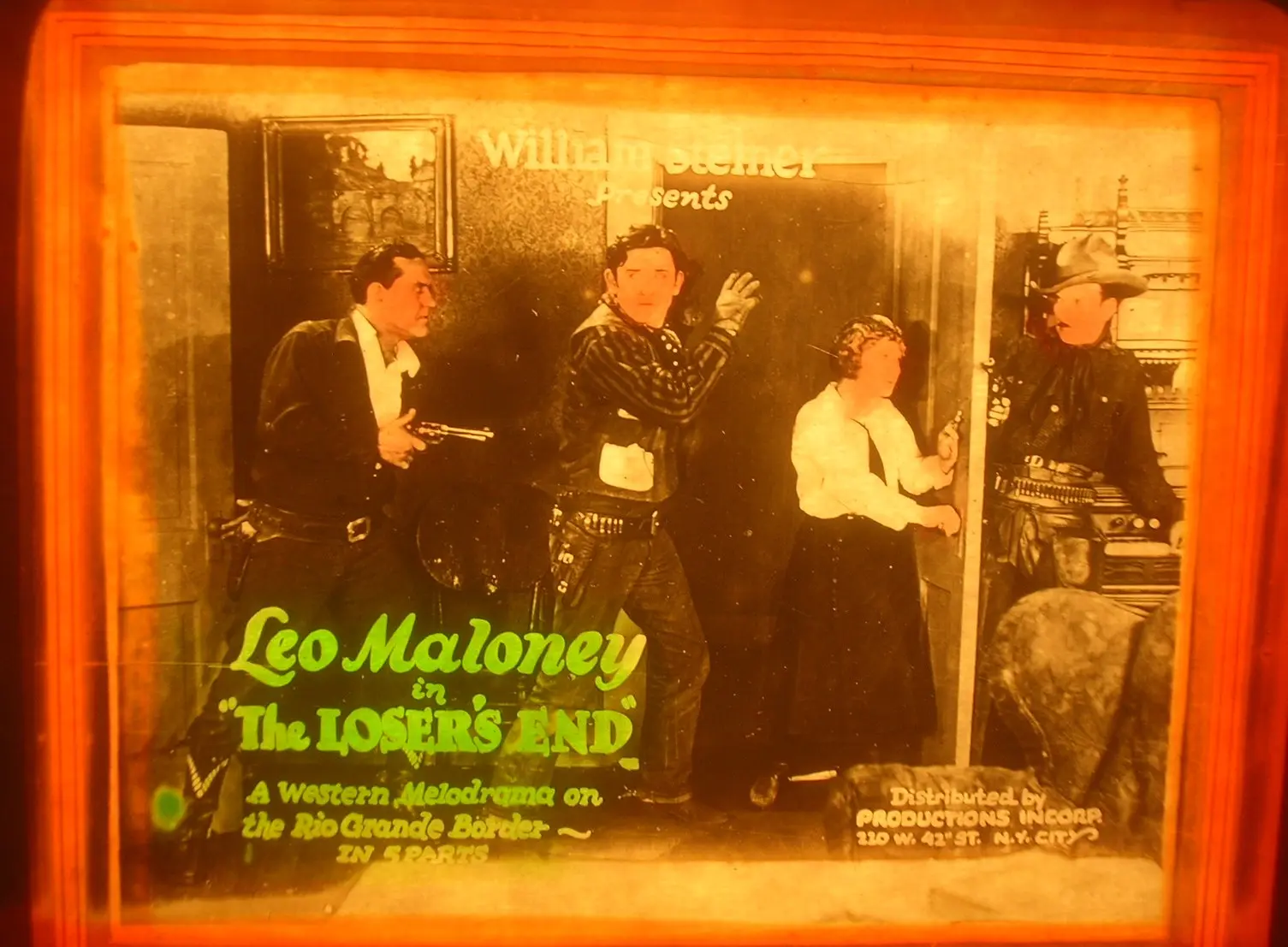
The cinematic landscape of 1924 was a crucible of experimentation, where the rugged tropes of the American West began to merge with the sophisticated narrative structures of burgeoning urban dramas. Standing at this intersection is The Loser's End, a film that eschews the romanticized pastoralism of its contemporaries in favor of a visceral, almost claustrophobic exploration of frontier justice and systemic corruption. Directed and co-written by the prolific Leo D. Maloney, the film serves as a potent reminder that the 'B-Western' was often a playground for gritty realism long before the advent of the Revisionist era.
The collaboration between Leo D. Maloney and Ford Beebe represents one of the most industrious partnerships in the silent era. In The Loser's End, their synergy produces a script that feels remarkably lean. Unlike the sprawling epics like The Storm, this production focuses on the psychological weight of being an outcast. Maloney, playing Bruce Mason, brings a stoic physicality to the role that transcends the limitations of silent acting. He does not merely inhabit the space; he dominates it with a weary grace that suggests a man who has seen too much of the world's darker corners.
While many films of this period, such as Trigger Fingers, leaned heavily on the charisma of their leading men, Maloney chooses a more internal path here. His Bruce Mason is a man of few gestures, making his eventual eruption into violence all the more impactful. The writing by Beebe ensures that every obstacle—be it a physical barrier or a legal one—serves to heighten the stakes of Mason's isolation.
What distinguishes The Loser's End from the standard 'wronged man' trope is the specific nature of the crime. The smuggling of opium across the Texas-Mexico border introduces a trans-frontier criminality that feels surprisingly modern. This isn't the typical cattle rustling seen in Skinning Skinners; it is an international narcotic conspiracy. This choice of contraband adds a layer of sordidness to the antagonists, making their framing of Mason feel particularly heinous.
The film’s portrayal of the borderland is devoid of the postcard aesthetics found in more mainstream fare. Instead, we are presented with a liminal space where the law is a malleable concept. The cinematography captures the stark contrast between the domestic safety of the Kincaid ranch and the chaotic wilderness where the smugglers operate. This visual dichotomy mirrors Mason's internal struggle: his desire for the stability represented by Lois Kincaid (Josephine Hill) versus the savage reality he must endure to clear his name.
In the hierarchy of silent film performers, animal actors often occupied a space of genuine emotional resonance. Bullet the Dog is not merely a companion in this narrative; he is a functional extension of Mason’s agency. In scenes where Mason is physically incapacitated or legally restricted, Bullet acts as a scout and a protector. The rapport between Maloney and the animal feels authentic, providing a tender counterpoint to the film’s otherwise unrelenting tension. This use of a canine protagonist recalls the loyalty themes explored in The Deemster, though here it is applied with a more kinetic, action-oriented focus.
When placing The Loser's End alongside Erich von Stroheim’s Greed, released in the same year, one notices a shared interest in the corrosive nature of human desperation, albeit within vastly different genres. While Greed explores the disintegration of the soul through avarice, Maloney’s film examines the preservation of the self against a corrupt environment. It shares a thematic kinship with In the Python's Den, where the protagonist must navigate a literal and metaphorical pit of vipers.
Furthermore, the film’s pacing is a masterclass in silent editing. The transitions between Mason’s flight and the machinations of the villains are handled with a rhythmic precision that prevents the 1500-foot reels from ever feeling stagnant. There is a relentless forward momentum that evokes the same sense of inevitability found in Whom the Gods Would Destroy.
Josephine Hill’s portrayal of Lois Kincaid avoids the pitfalls of the 'damsel in distress' archetype. While she is the prize to be won, Hill imbues the character with a quiet discernment. She is the first to sense the incongruity in the accusations against Mason, positioning her as an intellectual ally rather than a passive observer. Her performance provides the necessary emotional anchor for the audience, ensuring that Mason’s quest for vindication is not just about his ego, but about returning to a community that she represents. This dynamic is a significant step up from the more one-dimensional female roles in Flickering Youth or Hello, Judge.
The lighting in the night sequences of The Loser's End is particularly noteworthy for 1924. Utilizing the limited technology of the time, the filmmakers managed to create a high-contrast environment that heightens the sense of peril. The shadows are deep and menacing, reflecting the moral ambiguity of the border. This stylistic choice aligns the film with the darker tones of Drama na okhote, suggesting a global trend toward more somber, atmospheric storytelling in the mid-20s.
The action choreography is equally impressive. The fights are not the polished, theatrical exchanges of later decades but are instead messy, desperate scrambles for survival. When Mason fights, he does so with the knowledge that a single mistake means life imprisonment or death. This grit is what makes the film resonate nearly a century later; it lacks the artifice that sanitized so much of early Hollywood’s output. It feels as raw and unfiltered as the themes in Der Leibeigene.
The trope of the framed hero is a cornerstone of American narrative, but The Loser's End handles it with a specific regional intensity. By placing the conflict on the border, the film taps into anxieties about national security and the purity of the American laborer. Bruce Mason is the quintessential proletarian hero, a man whose only capital is his labor and his name. When both are stolen, he must resort to atavistic violence to reclaim them. This struggle for identity is also seen in The Man Unconquerable and His Convict Bride, yet Maloney’s version feels more grounded in the dirt and sweat of the frontier.
As we analyze the film's conclusion, where Mason finally exposes the smugglers and earns the rancher's blessing, there is a sense of hard-won catharsis. It is not a magical resolution but a logical consequence of his perseverance. The film suggests that while the system may be easily manipulated by the corrupt, the individual’s will to truth can eventually dismantle the facade. This moral clarity, devoid of saccharine sentimentality, is what elevates the work above its peers like As a Man Sows.
In the final estimation, The Loser's End is a triumph of silent genre filmmaking. It utilizes the Western framework to host a complex narrative of betrayal and redemption, anchored by a powerful lead performance and a script that isn't afraid to get its hands dirty. For the modern viewer, it offers a fascinating window into a time when the boundaries of the Western were still being drawn, and the shadows of the border were just as long as they are today.
IMDb 6
1931
Community
Log in to comment.