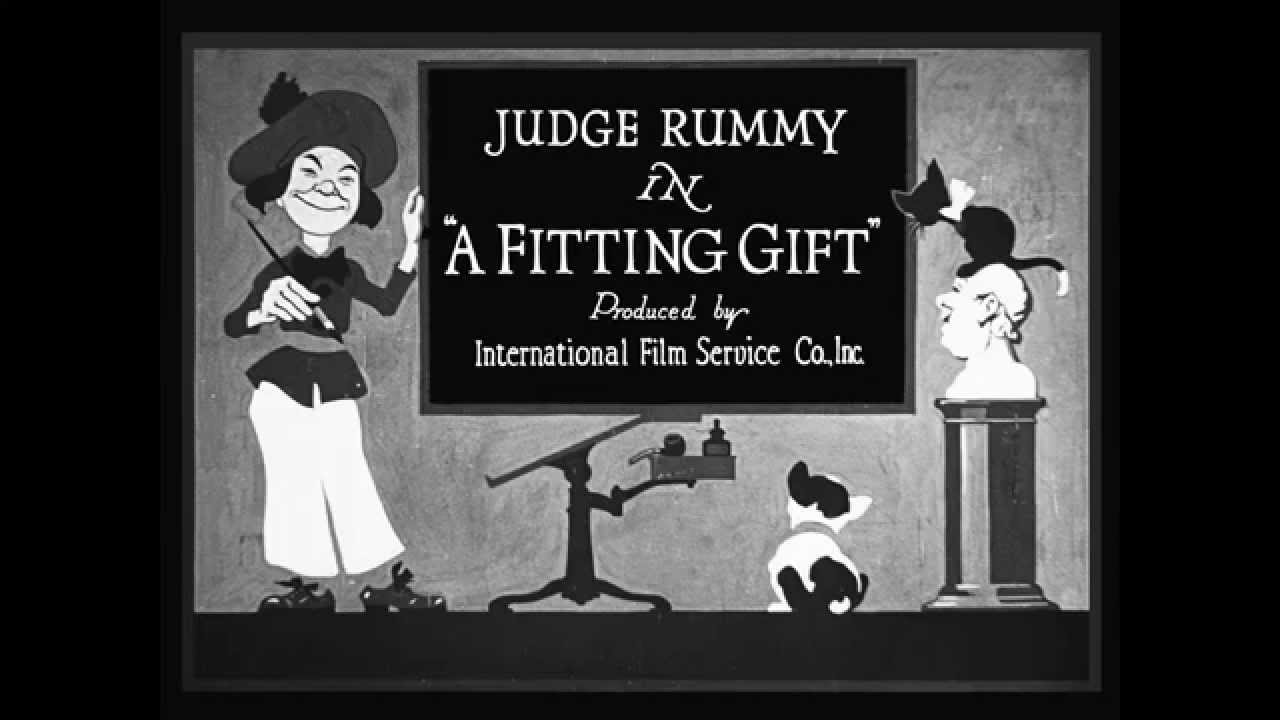
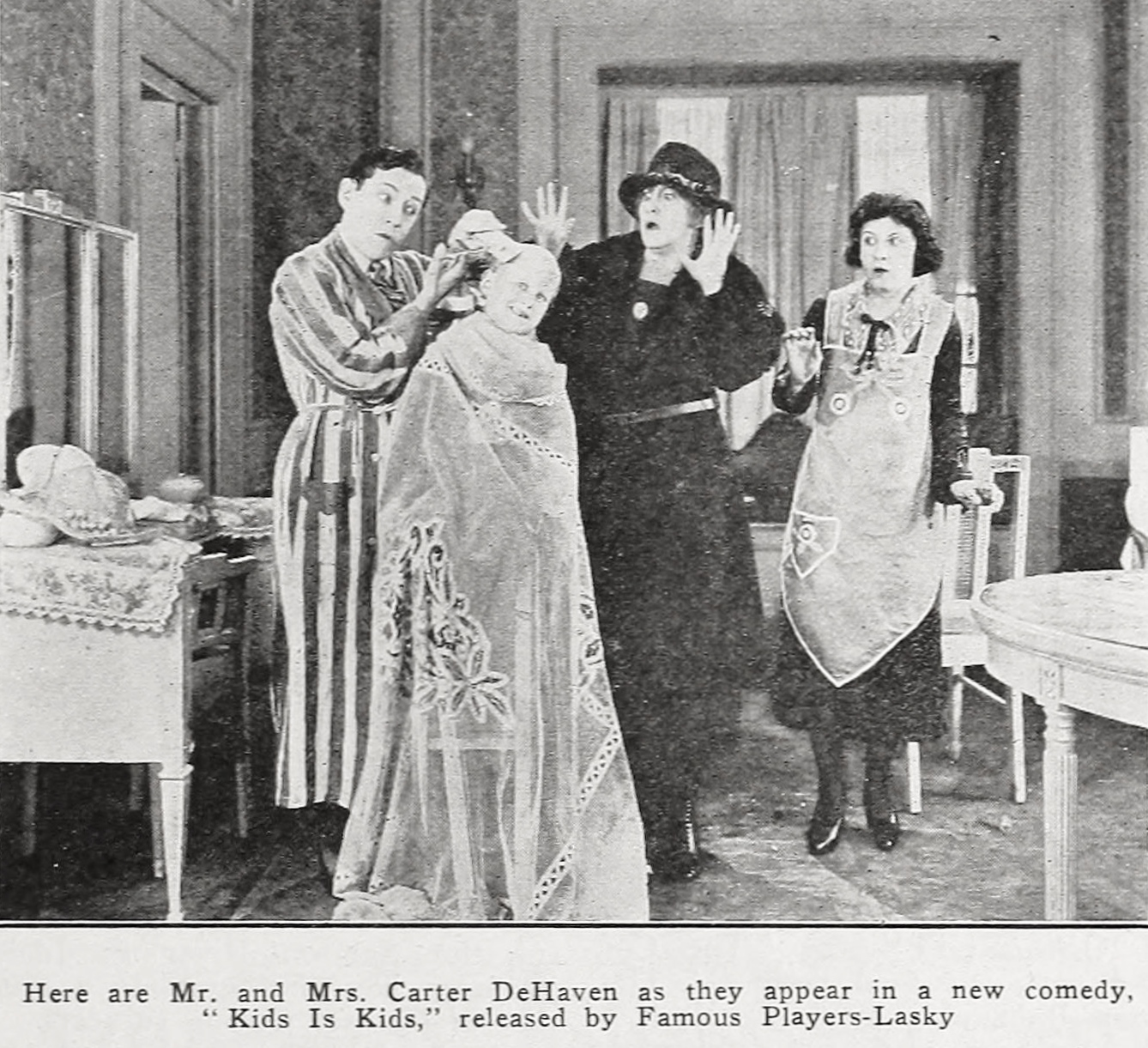
The making of an American out of a resident of some other country..
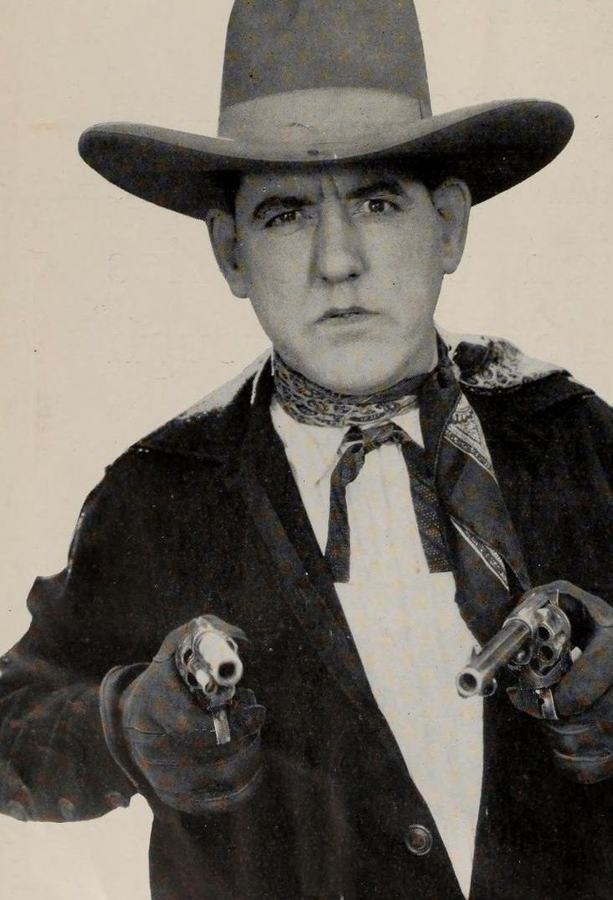
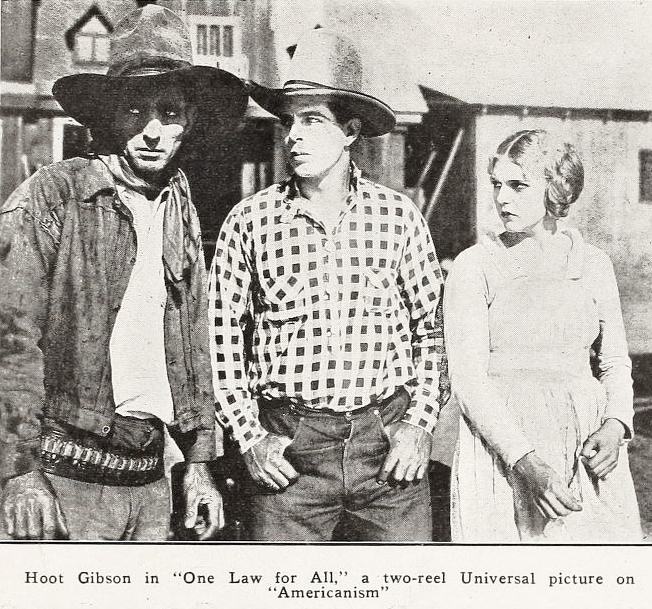
Ford Beebe’s 1927 bullet of celluloid, One Law for All, arrives like a wanted poster nailed to the inside of your eyelids: crude, sun-bleached, yet inked with a lyricism that refuses to flake off. The film pretends to be a B-western, but its marrow is pure existential opera. Hoot Gibson—usually a laconic rodeo clown...
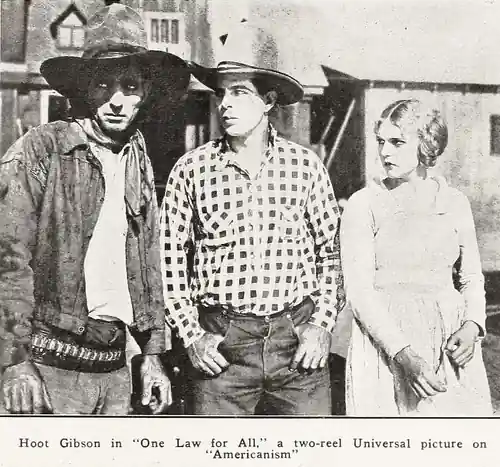
still_frame
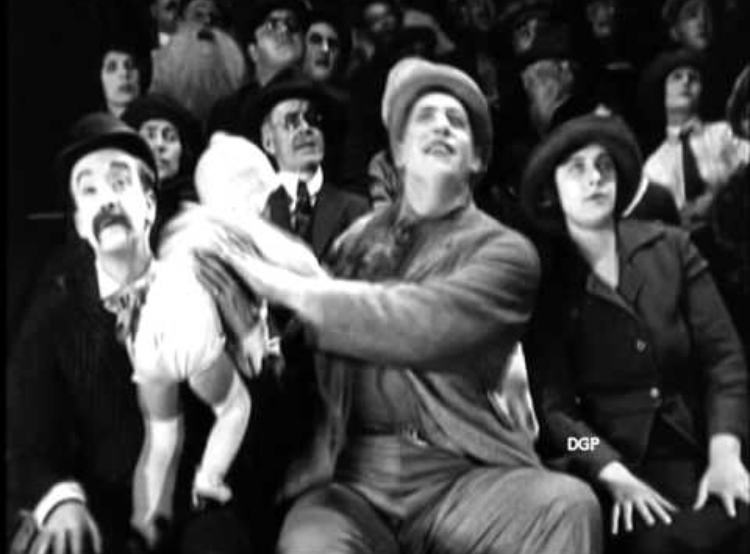
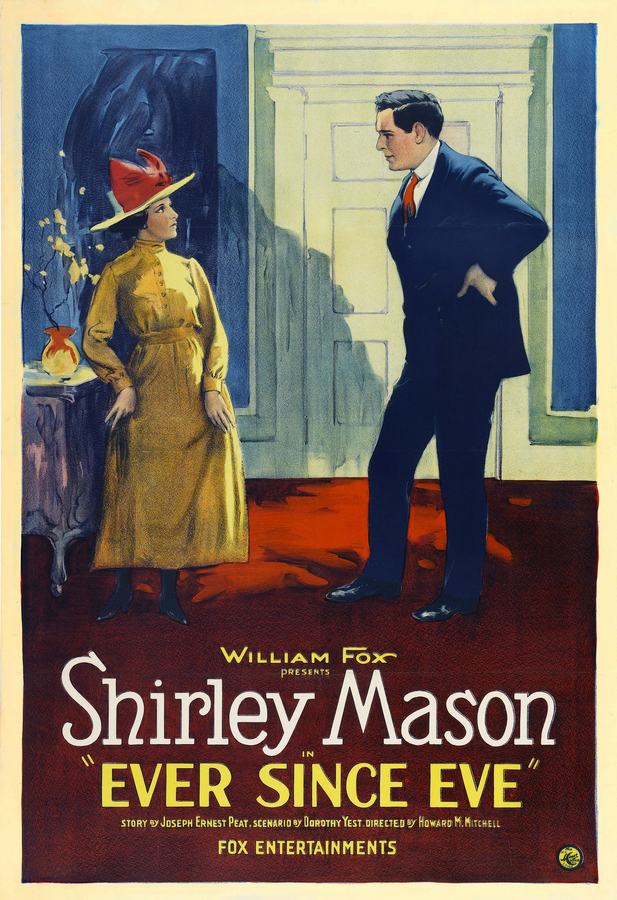
Comparing the cinematic DNA and archive impact of two defining moments in cult history.
Leo D. Maloney
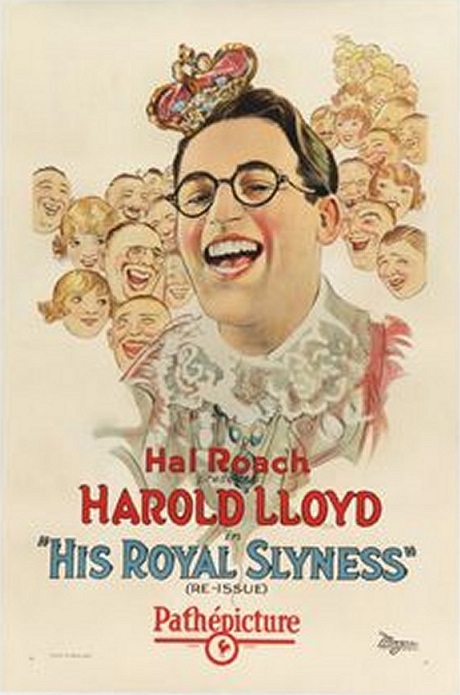
Hal Roach
Community
Log in to comment.
" Ford Beebe’s 1927 bullet of celluloid, One Law for All, arrives like a wanted poster nailed to the inside of your eyelids: crude, sun-bleached, yet inked with a lyricism that refuses to flake off. The film pretends to be a B-western, but its marrow is pure existential opera. Hoot Gibson—usually a laconic rodeo clown—here sports the hollow gaze of a man who has already died in another language. Every time he shrugs on that too-tight leather vest, it looks like he’s zipping himself into a new n..."
Ford Beebe
United States
Deep dive into the cult classic
Discover similar cinematic experiences
A Directorial Spotlight on Leo D. Maloney