Eccentric inventor Charlie Jackson tries to interest wealthy investors in his girlfriend's plan to help children from poor neighborhoods..
Douglas Fairbanks, Kenneth Davenport, William Parker
United States
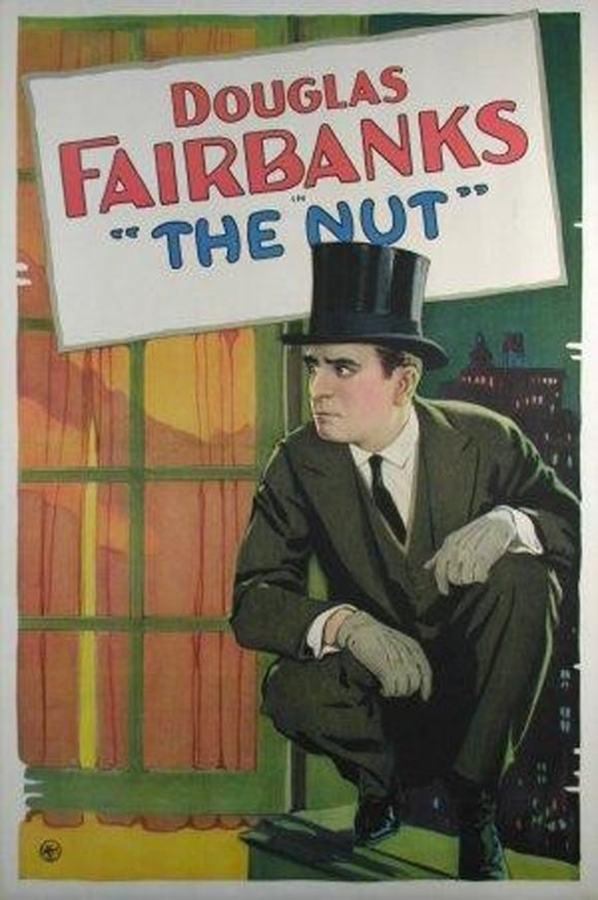
The Architect of Absurdity: Fairbanks in His Element To witness Douglas Fairbanks in The Nut (1921) is to observe a hurricane contained within the frame of a silent film. Before he became the definitive swashbuckler of Hollywood’s golden age, Fairbanks was the master of the 'modern' comedy—a genre he essentially inv...
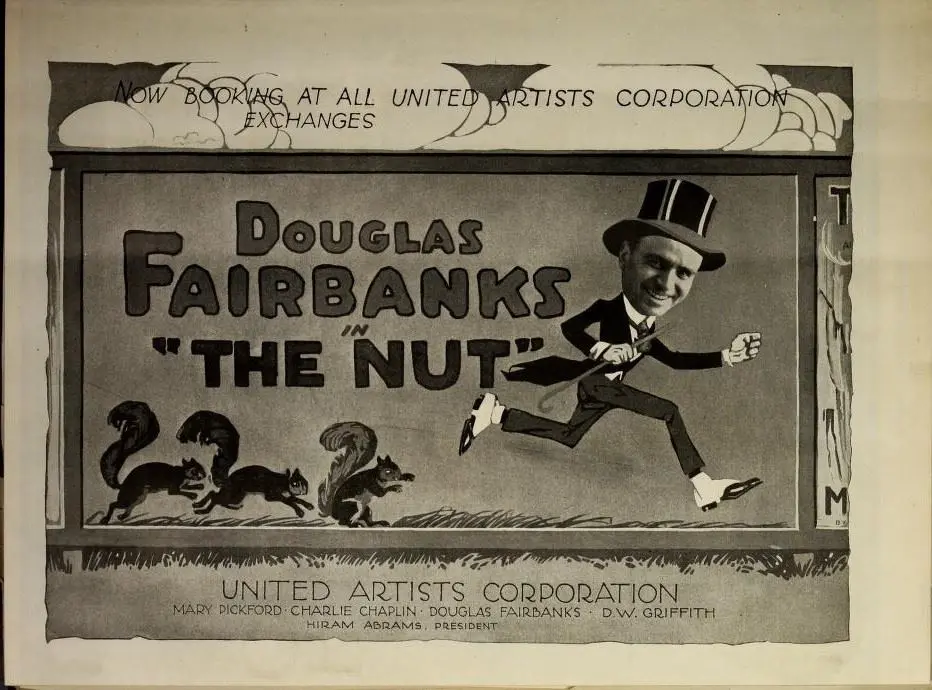
production_art
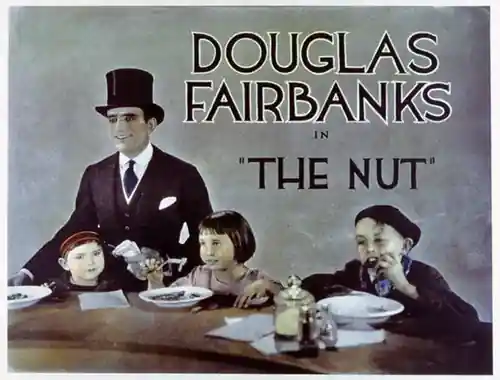
production_art
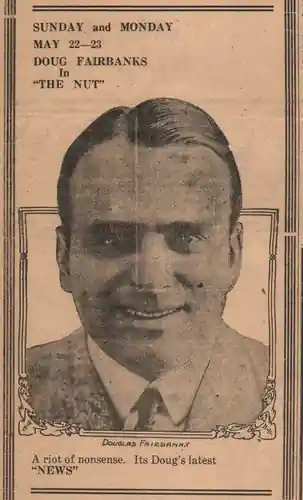
publicity
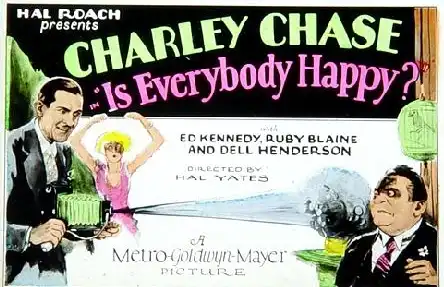
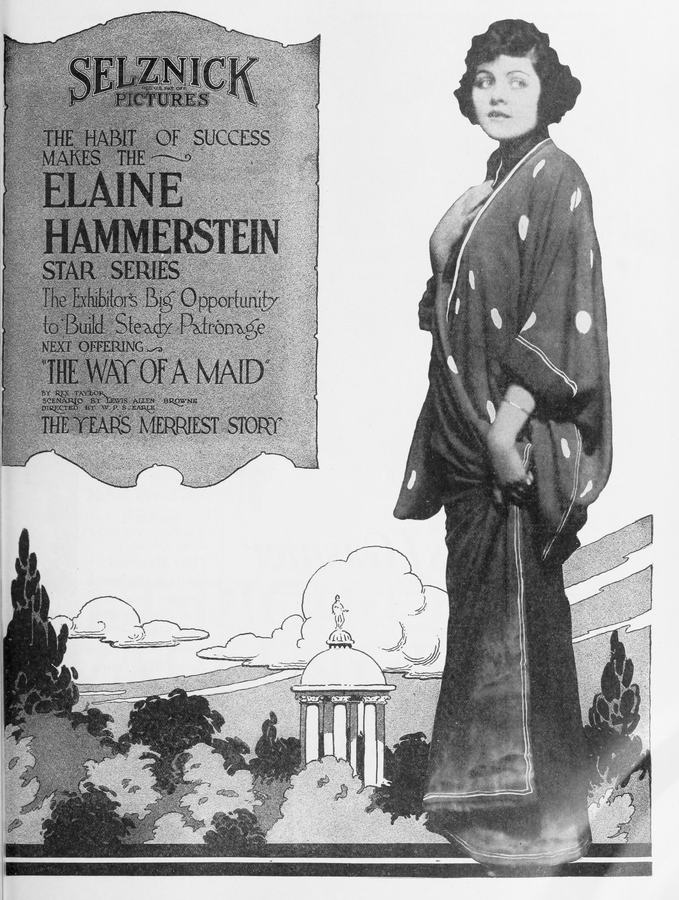
Comparing the cinematic DNA and archive impact of two defining moments in cult history.
Theodore Reed
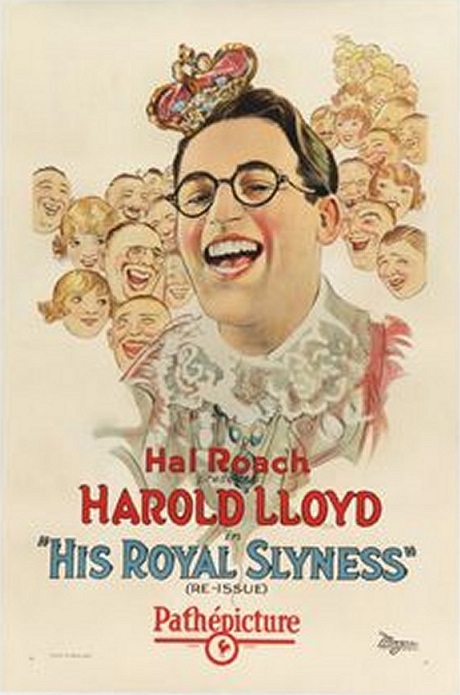
Hal Roach
Community
Log in to comment.
" The Architect of Absurdity: Fairbanks in His Element To witness Douglas Fairbanks in The Nut (1921) is to observe a hurricane contained within the frame of a silent film. Before he became the definitive swashbuckler of Hollywood’s golden age, Fairbanks was the master of the 'modern' comedy—a genre he essentially invented to showcase his own impossible vitality. In this particular outing, the athleticism is not directed toward dueling with swords but toward the navigation of a domestic space t..."
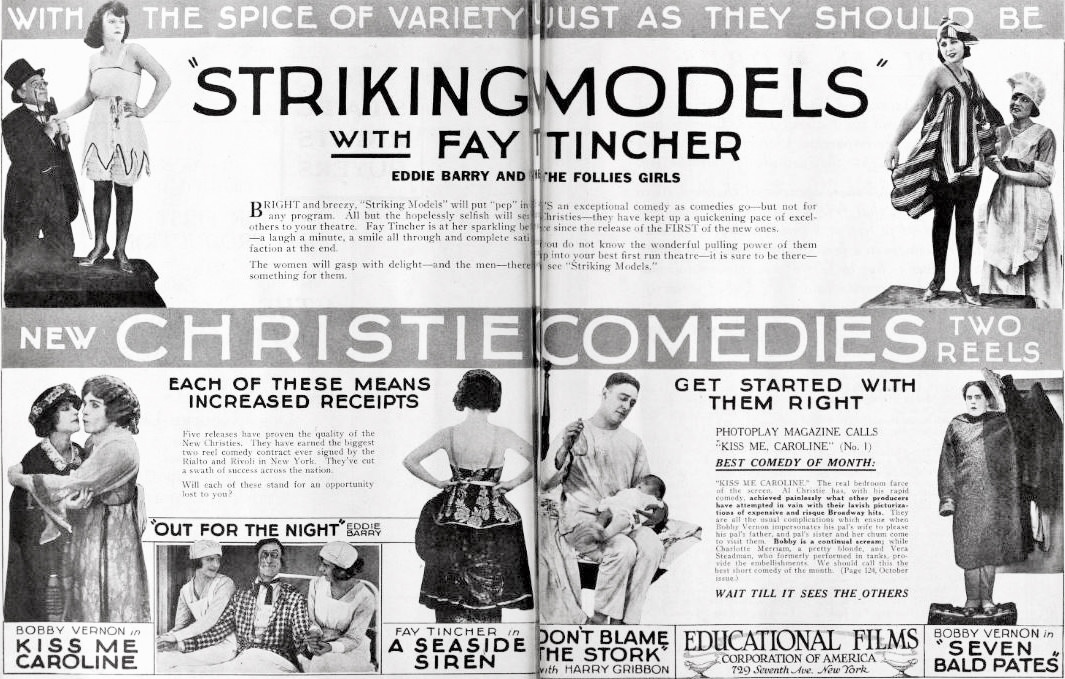
1920 · IMDb —
Reggie Morris