DbcultAccessing Vault...
6.5/10
Senior Film Conservator
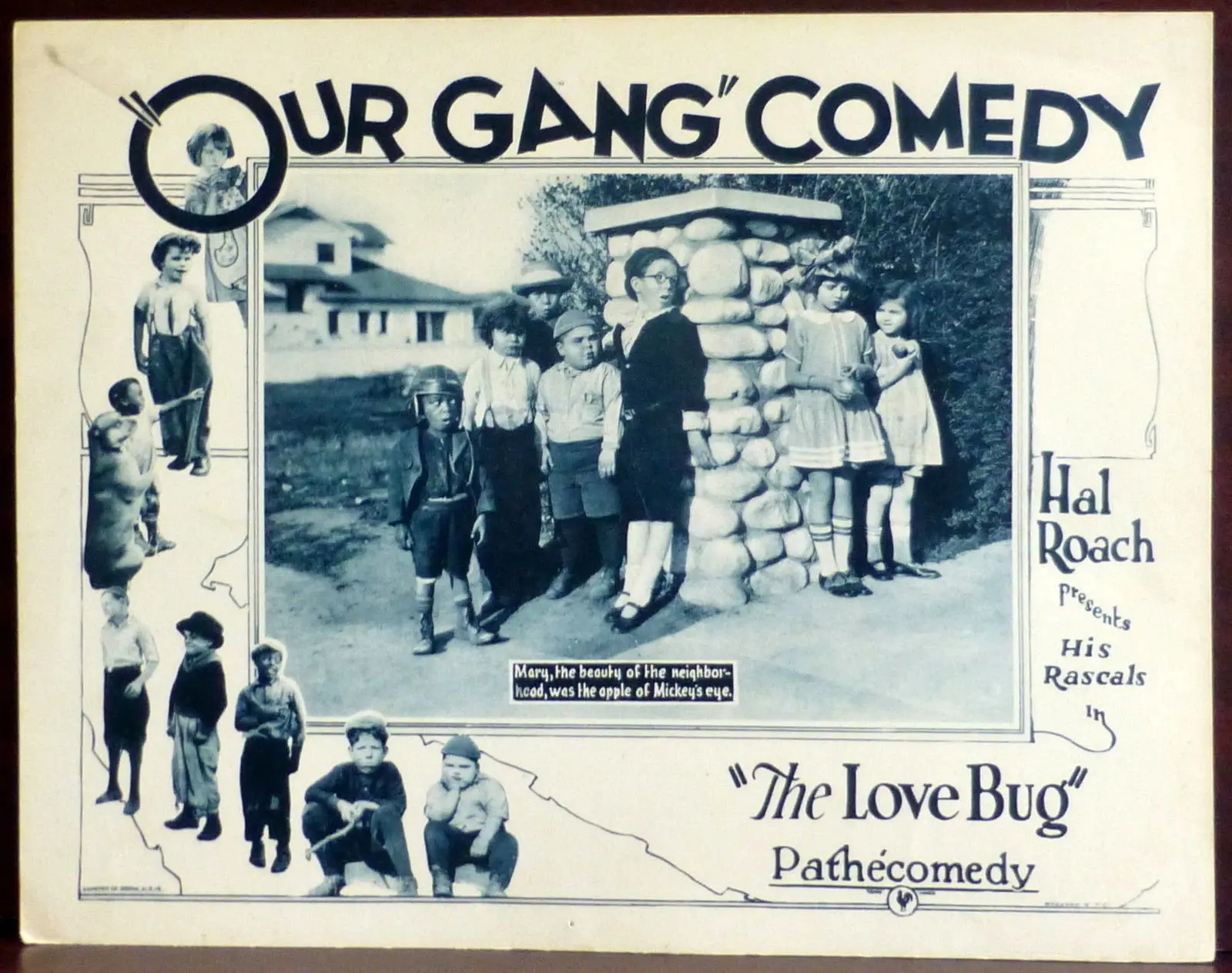
A definitive 6.5/10 rating for a film that redefined the boundaries of cult cinema. The Love Bug remains a cornerstone of transgressive art.
The Love Bug (1925), directed with unflinching abandon by Hal Roach and H.M. Walker, is a symphony of visual absurdity that lingers in the mind like the scent of burnt hair from Pineapple’s beleaguered salon. This cinematic relic, though rooted in the silent film era, transcends its anachronisms to deliver a narrative that is at once a homage to the slapstick traditions of Mack Sennett and a precursor to the Marx Brothers’ anarchic genius. The film’s essence is distilled in the chaotic trio—Farina, Joe, and Mickey—whose collective love bug infatuations spiral into a sequence of mishaps that blur the boundaries between innocence and destruction.
Allen ‘Farina’ Hoskins, as the titular Farina, embodies the archetype of the bumbling yet endearing everyman. His physical comedy is a masterclass in silent-era storytelling; a single glance from him to a mischievous Mickey Daniels is enough to set the film’s comedic engine in motion. The chemistry between Hoskins and Daniels is electric, their interactions a ballet of pratfalls and near-misses that would make Charlie Chaplin nod in approval. Yet, it is Mickey’s exuberance that truly drives the narrative’s frenetic energy, a child-like force of nature that the script harnesses with gleeful precision.
The beauty salon sequence, a veritable crescendo of chaos, stands as the film’s crowning achievement. Pineapple’s sanctuary of vanity is transformed into a warzone of misplaced curling irons and shattered mirrors, a visual metaphor for the trio’s disruptive presence. The filmmakers’ choice to linger on the aftermath—the disheveled wigs, the paint-smeared walls—imbues the scene with a bittersweet poignancy. It is here that the film’s duality emerges: beneath the mirth lies an undercurrent of vulnerability, as Pineapple’s dreams of elegance are trampled by the trio’s unrelenting antics.
Grandma’s entrance, delivered with regal gravitas by Mary Kornman, is a narrative masterstroke. Her role as both savior and observer elevates the film from mere farce to a meditation on intergenerational bonds. The moment she defuses the police confrontation with a single, piercing stare is a testament to her character’s authority, a silent rebuke to the authorities that reverberates beyond the film’s brevity. It is a reminder that in the world of The Love Bug, redemption is not earned through grand gestures but through the quiet resilience of those willing to laugh at the absurdity of it all.
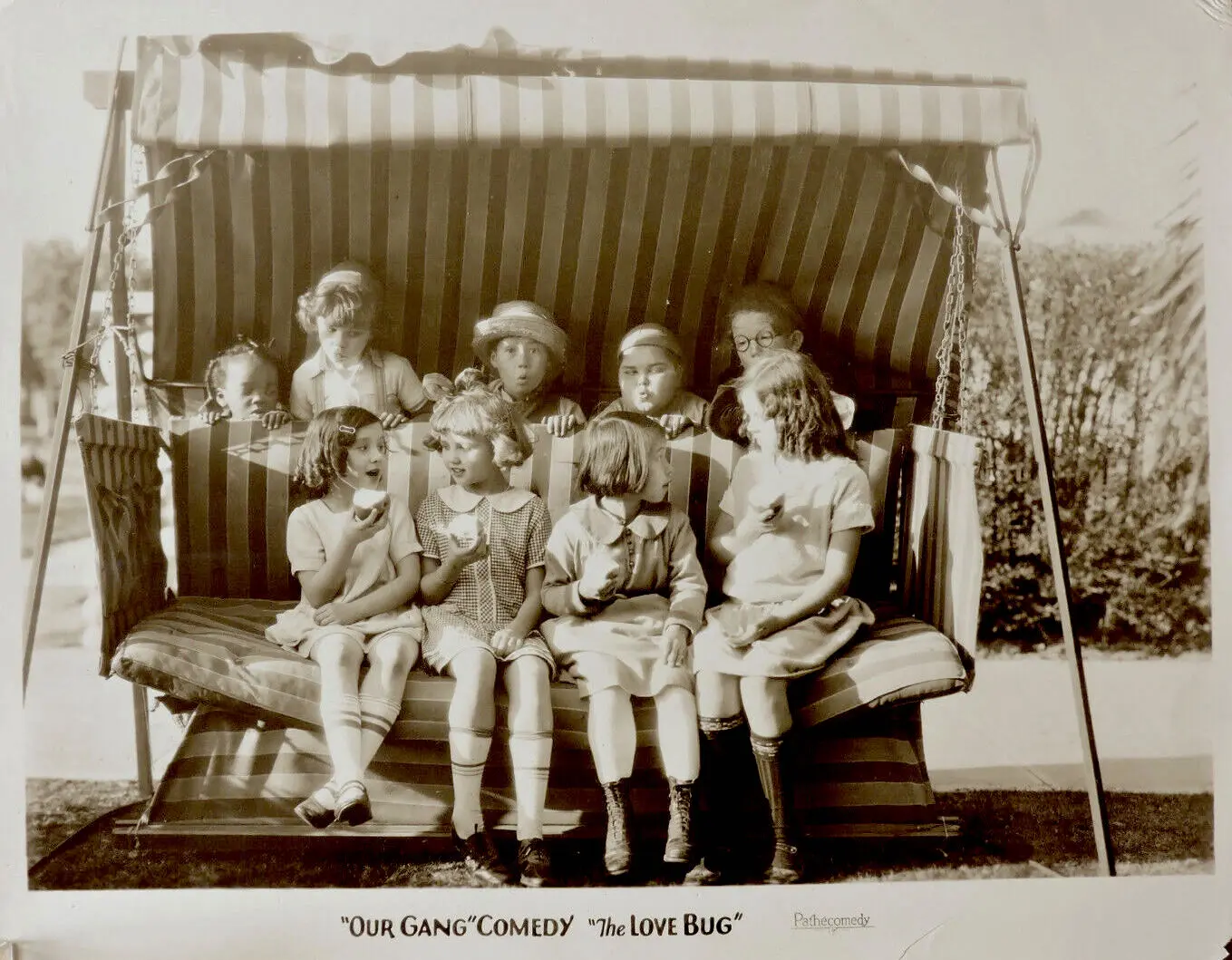
Hal Roach’s direction is a study in efficiency. With a budget that would pale in comparison to modern standards, he crafts a film that feels expansive, its limitations transformed into strengths. The editing is brisk, the pacing relentless, and the use of close-ups to capture micro-expressions is revelatory. Consider the sequence where Farina’s face contorts as he attempts to explain the salon’s damage to an incredulous officer—each twitch and squint a masterclass in nonverbal communication.
The cinematography, though rudimentary by today’s standards, is imbued with a painterly sensibility. The use of natural light in the salon scenes creates a warm, almost nostalgic glow that contrasts with the cool, clinical blue tones of the police station. These visual cues are not mere aesthetics; they are narrative tools, subtly guiding the audience’s emotional response. The color palette evolves in tandem with the story’s trajectory, from the golden hues of mischief to the stark monochrome of consequence.
Sound, or the lack thereof, is an integral element of the film’s charm. The absence of dialogue forces the audience to focus on physicality and expression, a technique that amplifies the comedic stakes. The exaggerated movements—Joe’s stumbling gait, Mickey’s manic gestures—are not caricatures but carefully choreographed performances that speak volumes. The intertitles, sparse yet incisive, provide just enough context to anchor the chaos in a coherent narrative.
The ensemble cast is a tapestry of eccentricities, each performer adding a unique thread to the film’s chaotic fabric. Emma Wong’s portrayal of Pineapple is a study in suppressed fury, her every glance a silent plea for order in a world teetering toward anarchy. Florence Lee and Jackie Condon, as the salon’s other employees, provide moments of levity and pathos, their reactions to the trio’s antics oscillating between exasperation and reluctant amusement.
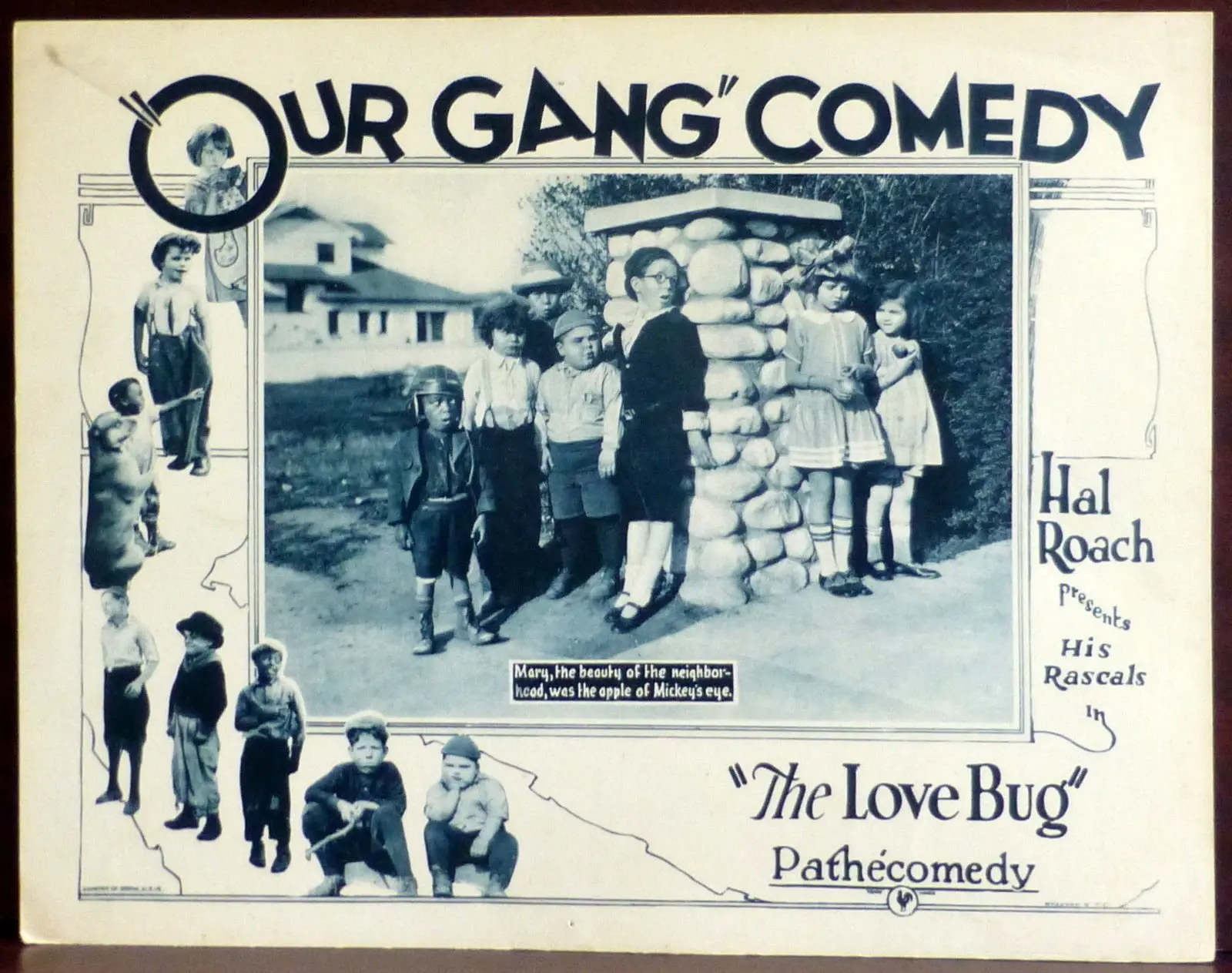
Eugene Jackson and Ivadell Carter bring a grounded authority to their roles as authority figures, their rigid postures and clipped movements a stark contrast to the trio’s frenetic energy. William Gillespie and Dorothy Morrison, as the salon’s clientele, are the unwitting casualties of the chaos, their expressions of horror and disbelief a visual punchline in themselves. The supporting cast, though often relegated to background roles, contributes to the film’s immersive quality, creating a world that feels alive and unpredictable.
Mickey Daniels’ performance, in particular, merits accolades. His physicality is a blend of Buster Keaton’s deadpan and Harold Lloyd’s manic energy, a perfect foil to Farina’s more restrained antics. The scene where he attempts to apply a hair curler without setting it alight is a tour de force of comedic timing, his exaggerated eye-rolls and panicked gestures a masterclass in silent acting.
While The Love Bug shares thematic DNA with other early comedies like The Writing on the Wall and Pussyfoot, it distinguishes itself through its unapologetic embrace of anarchy. Unlike the more structured farces of Should Brides Marry?, which often hinge on societal norms, The Love Bug revels in its subversive spirit, challenging the very notion of decorum. The film’s irreverence echoes the Marx Brothers’ Animal Crackers (1930), though it predates that film by five years and lacks its narrative cohesion.
Compared to Salvation Nell (1921), which balances comedy with social commentary, The Love Bug is more content to simply entertain. Its lack of deeper thematic concerns is not a flaw but a feature, allowing the audience to revel in the pure, unadulterated joy of well-executed slapstick. Yet, in this simplicity lies a profound truth: sometimes, the best stories are those that exist solely to make us laugh.
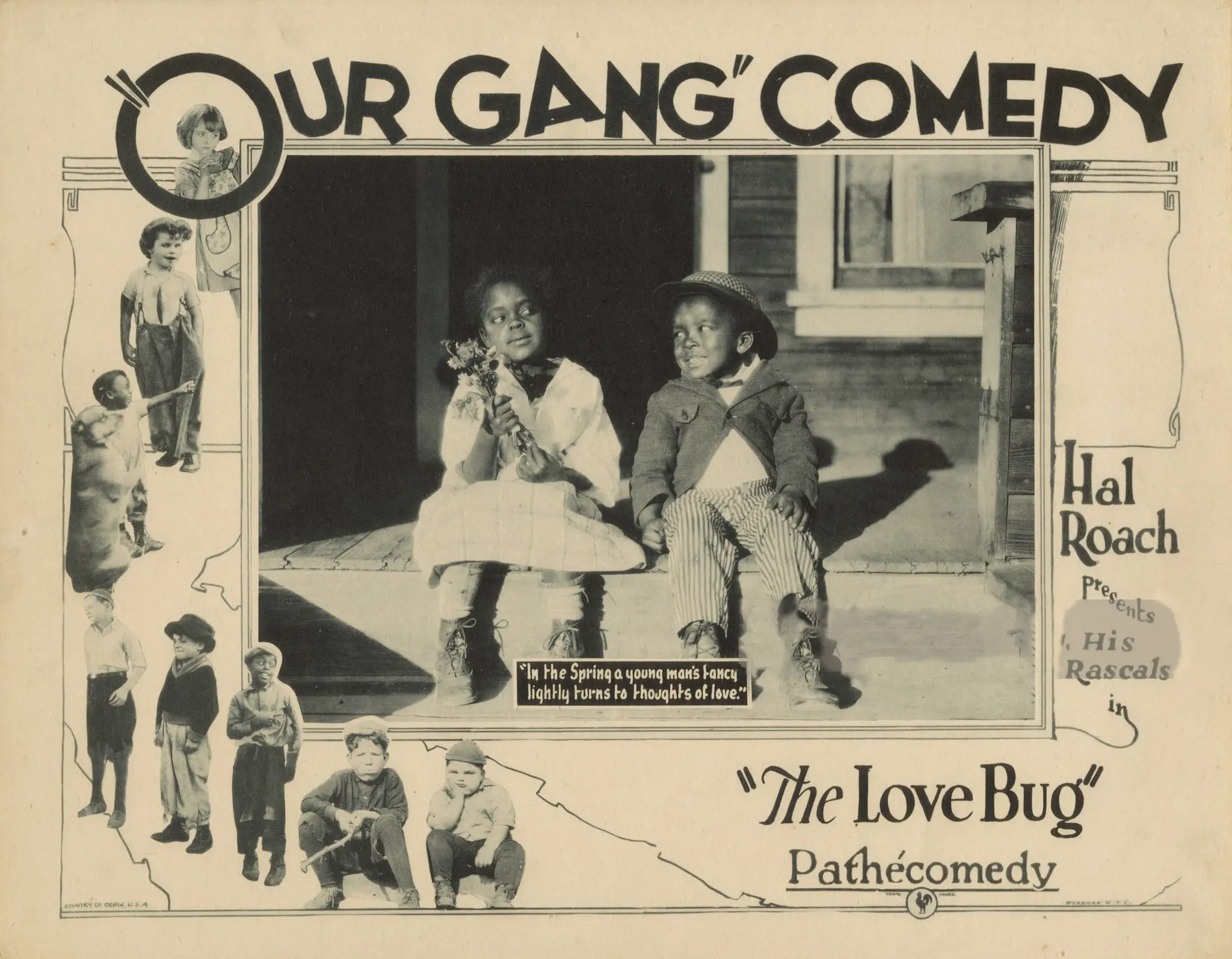
The influence of The Love Bug can also be glimpsed in later works like Under Four Flags (1949), which similarly uses chaos as a narrative device. However, where Under Four Flags tempers its humor with wartime gravitas, The Love Bug remains unapologetically lighthearted, a testament to the filmmakers’ confidence in their material.
Though largely forgotten in modern cinematic discourse, The Love Bug holds a unique place in the annals of early comedy. Its influence can be seen in the irreverent humor of The Golem (1920), though the latter’s gothic undertones contrast sharply with the sunny absurdity of The Love Bug. The film’s legacy is perhaps most evident in contemporary family comedies, where chaos and redemption often walk hand in hand.
For enthusiasts of the silent film era, The Love Bug is a necessary viewing. It captures the essence of early cinema’s experimental spirit, where the rules of storytelling were being rewritten with each new film. The film’s enduring appeal lies in its ability to balance chaos with charm, to find joy in the messiness of human interaction.
In an age where modern films often prioritize visual spectacle over substance, The Love Bug serves as a reminder that sometimes, the simplest stories are the most effective. Its legacy is not one of innovation but of heart—a testament to the enduring power of laughter in the face of life’s inevitable absurdities.
IMDb 5.5
1934
Community
Log in to comment.