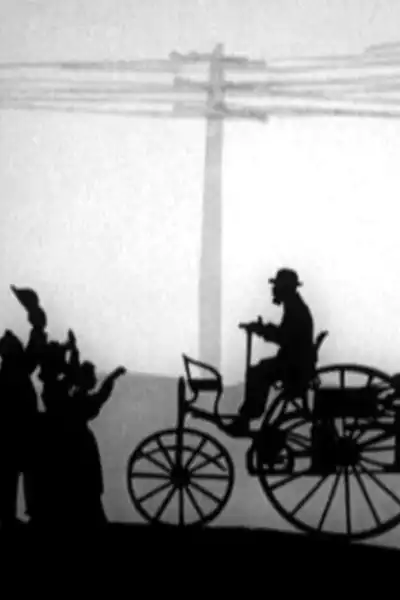
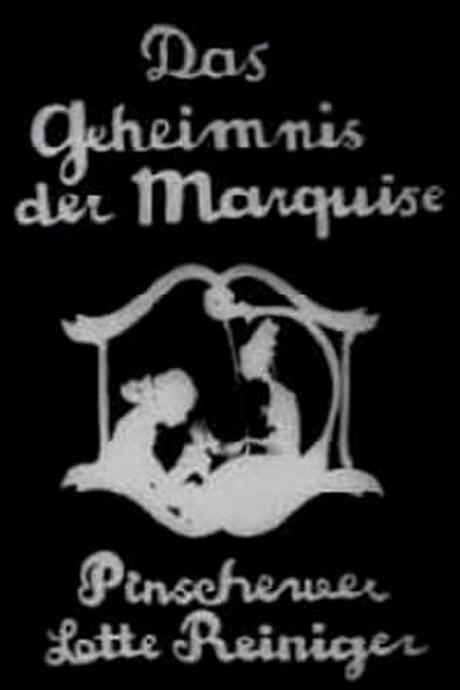
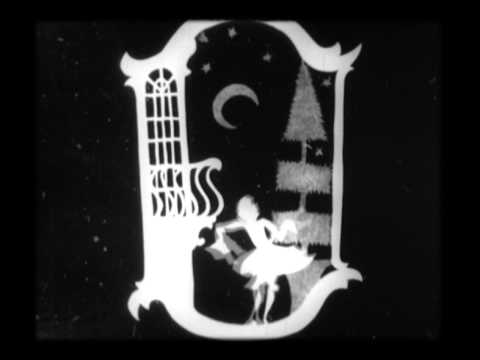
Nivea commercial from 1922 in which a margrave meets a marquess with the most beautiful skin. While dancing below her balcony at night, the marquess tells him her secret: She uses Nivea soap and Nivea cream.
Germany
body{color:#fff;background:#000}p{line-height:1.7;margin-bottom:1.2em}a{color:#0E7490;text-decoration:underline}a:hover{color:#EAB308}blockquote{border-left:4px solid #C2410C;padding-left:1rem;margin:1.5em 0;font-style:italic;color:#EAB308} Lotte Reiniger’s The Secret of the Marquise is often footnoted as a 61-second ...

Comparing the cinematic DNA and archive impact of two defining moments in cult history.
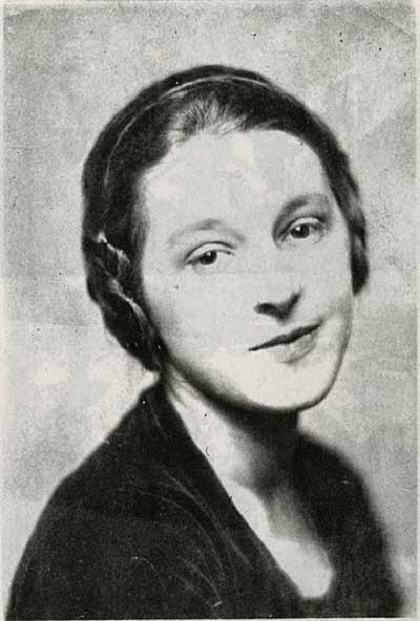
Lotte Reiniger

Unknown Director
Community
Log in to comment.
"body{color:#fff;background:#000}p{line-height:1.7;margin-bottom:1.2em}a{color:#0E7490;text-decoration:underline}a:hover{color:#EAB308}blockquote{border-left:4px solid #C2410C;padding-left:1rem;margin:1.5em 0;font-style:italic;color:#EAB308} Lotte Reiniger’s The Secret of the Marquise is often footnoted as a 61-second curiosity commissioned by Nivea. That archival shorthand is criminal. What unfurls is a miniature Gesamtkunstwerk where silhouette animation, Weimar-era design, and proto-feminist ..."
Short, Romance, Animation

Deep dive into the cult classic
Discover similar cinematic experiences
A Directorial Spotlight on Lotte Reiniger