A king and queen celebrate their daughter's birth, but a forgotten fairy curses her to die by jabbing her finger on a spindle. Another fairy softens the curse, allowing her to sleep for a hundred years.
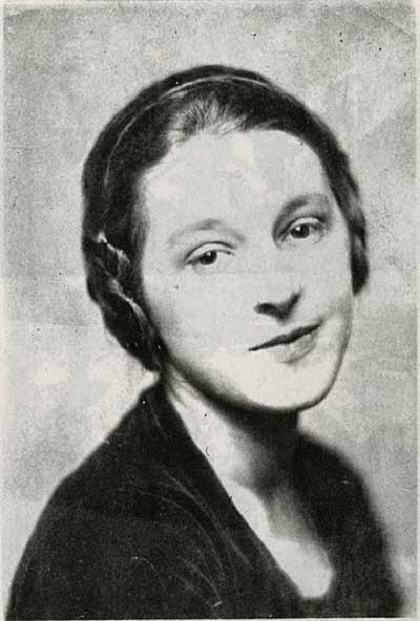
Germany
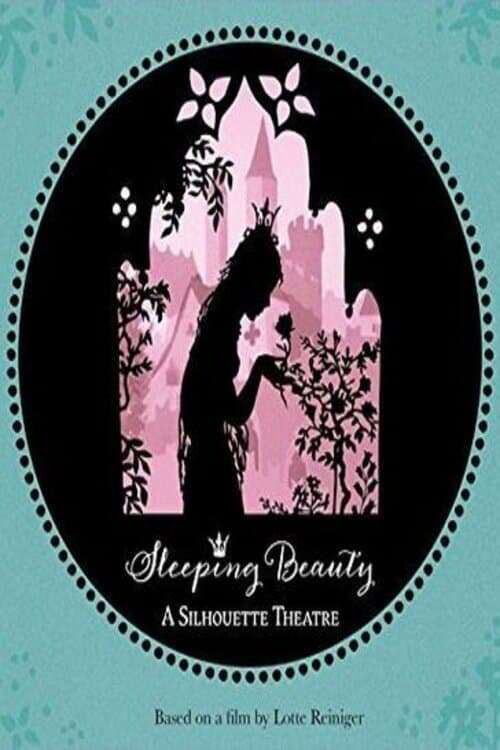
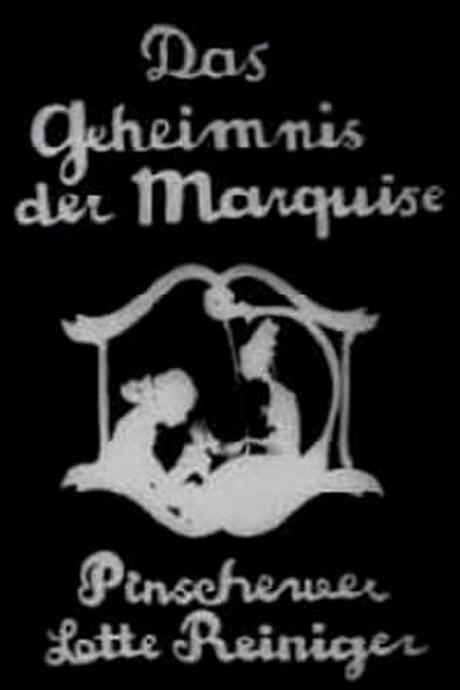
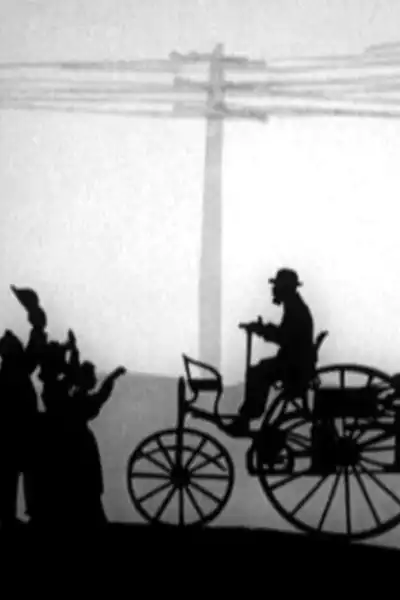
Imagine, if you can, a bedtime tale told not by firelight but by the negative space around firelight—where the flame itself is absent, yet every flicker of its potential heat is scissored into black paper and flung against a white wall that might as well be eternity. That is the covenant Lotte Reiniger makes in her 19...
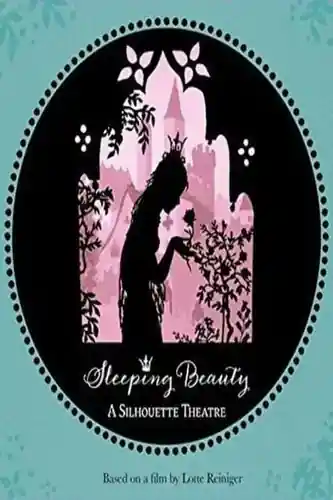
still_frame
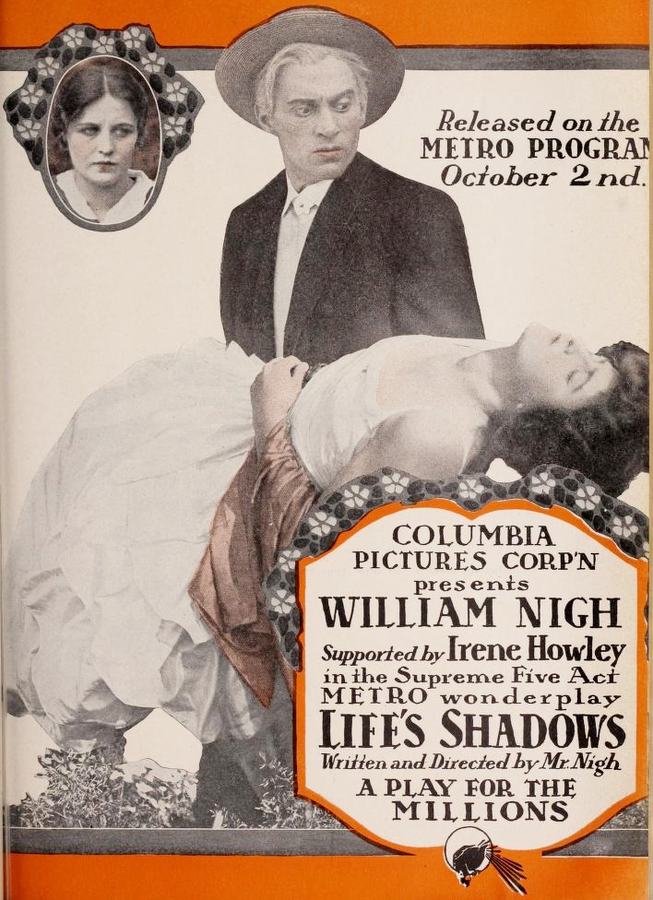
Comparing the cinematic DNA and archive impact of two defining moments in cult history.
Lotte Reiniger
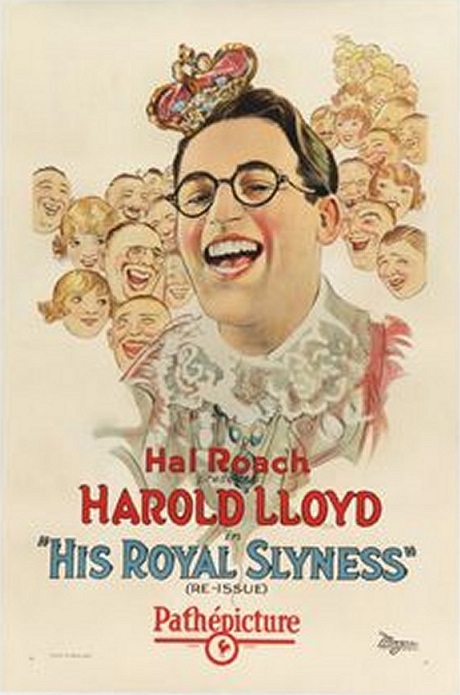
Hal Roach
Community
Log in to comment.
" Imagine, if you can, a bedtime tale told not by firelight but by the negative space around firelight—where the flame itself is absent, yet every flicker of its potential heat is scissored into black paper and flung against a white wall that might as well be eternity. That is the covenant Lotte Reiniger makes in her 1922 Sleeping Beauty, a film barely longer than a cigarette’s burn but so precision-engineered it feels excavated rather than drawn. The silhouettes do not merely move; they detonate..."
Deep dive into the cult classic
Discover similar cinematic experiences
A Directorial Spotlight on Lotte Reiniger