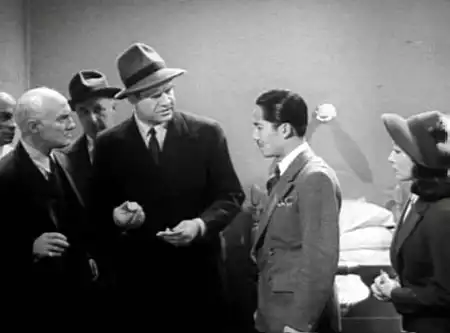
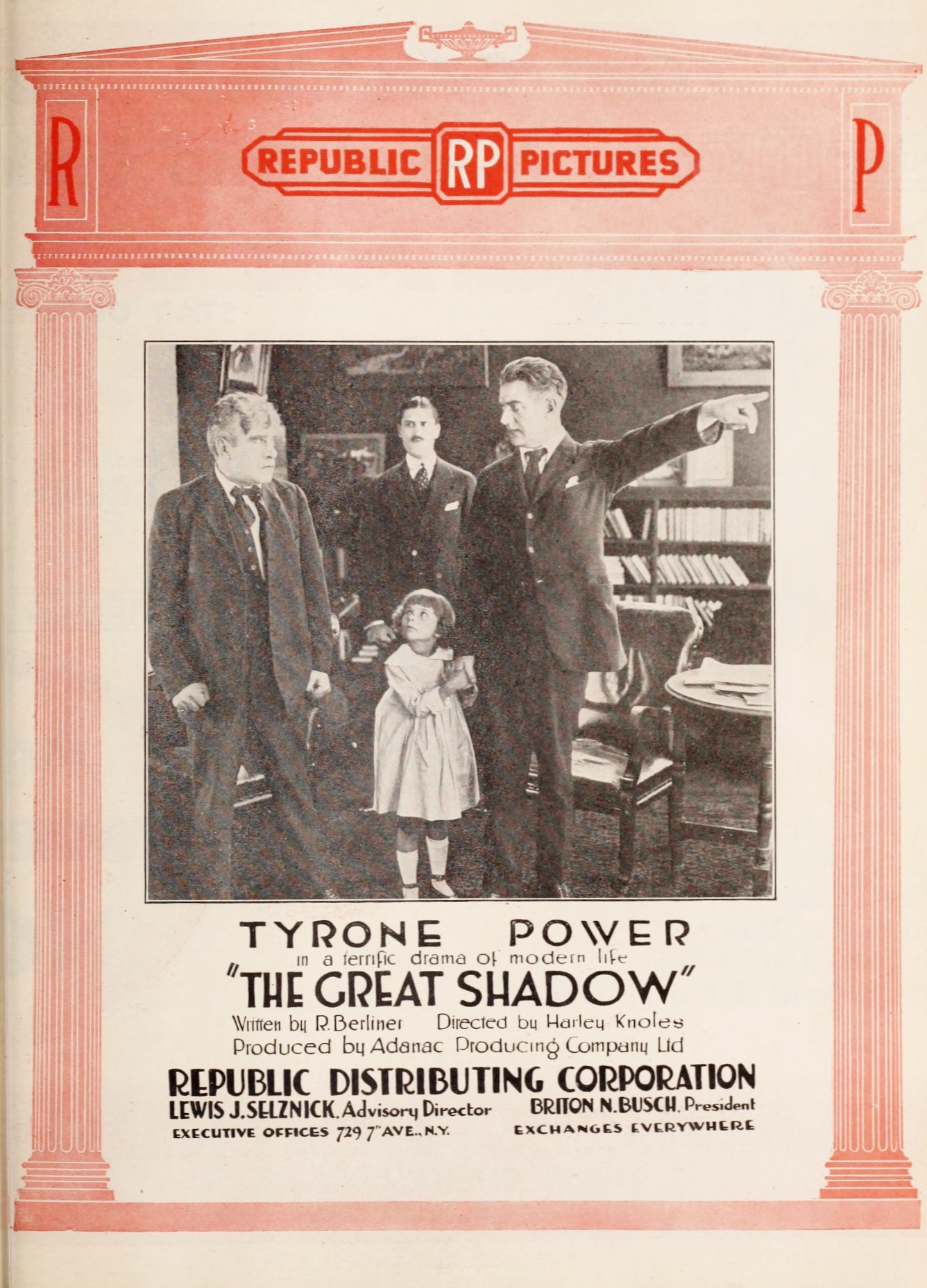
Lamont Cranston assumes his secret identity as "The Shadow", to break up an attempted robbery at an attorney's office. When the police search the scene, Cranston takes on an impersonation of the attorney.
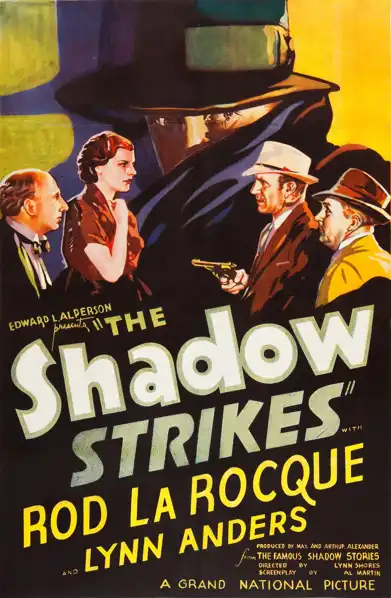
Is this worth your time? Honestly, only if you have a soft spot for 1930s pulp mysteries. It’s short, it’s cheap, and it moves at a frantic pace that feels like the editor was trying to beat a train schedule. If you need deep character development or logic that holds up to a second glance, you’ll probably hate it. It’s...
Comparing the cinematic DNA and archive impact of two defining moments in cult history.
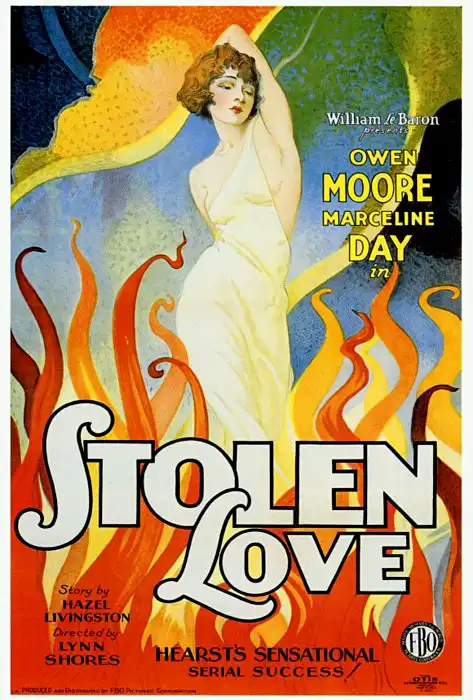
Lynn Shores
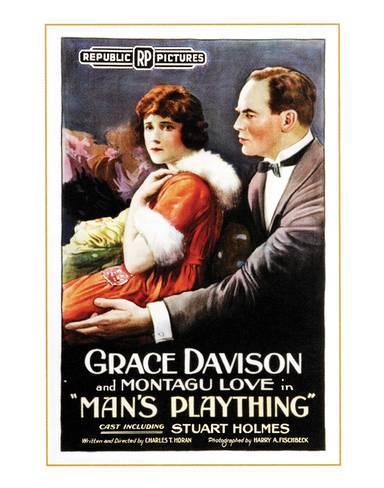
Charles Horan
Community
Log in to comment.
"Is this worth your time? Honestly, only if you have a soft spot for 1930s pulp mysteries. It’s short, it’s cheap, and it moves at a frantic pace that feels like the editor was trying to beat a train schedule. If you need deep character development or logic that holds up to a second glance, you’ll probably hate it. It’s not exactly Summertime in terms of polish. The vibe There’s this moment early on where Lamont Cranston just decides to start impersonating an attorney. He doesn’t really have a p..."
Rex Taylor, Al Martin, Walter B. Gibson
United States