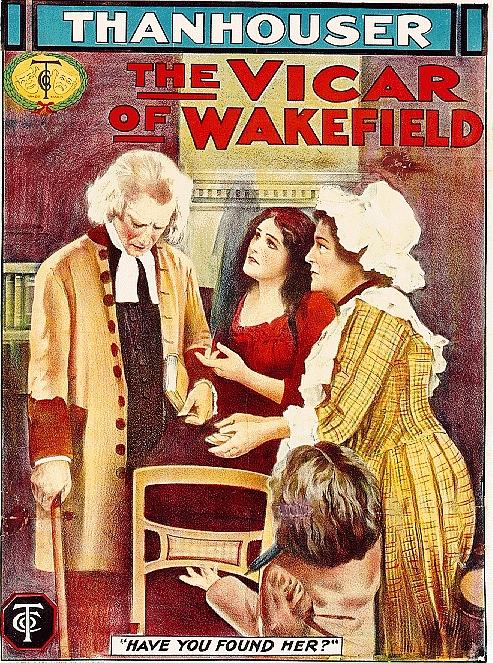
Dr. Primrose, the vicar of Wakefield, enjoys life with his wife and five children.
Oliver Goldsmith, Emmett Mixx
United States
The Archetypal Struggle of Virtue in the Silent EraThe 1917 iteration of The Vicar of Wakefield stands as a monumental testament to the Thanhouser Film Corporation's ambition to bridge the gap between classic literature and the burgeoning medium of cinema. In an era where the film industry was rapidly evolving from sho...
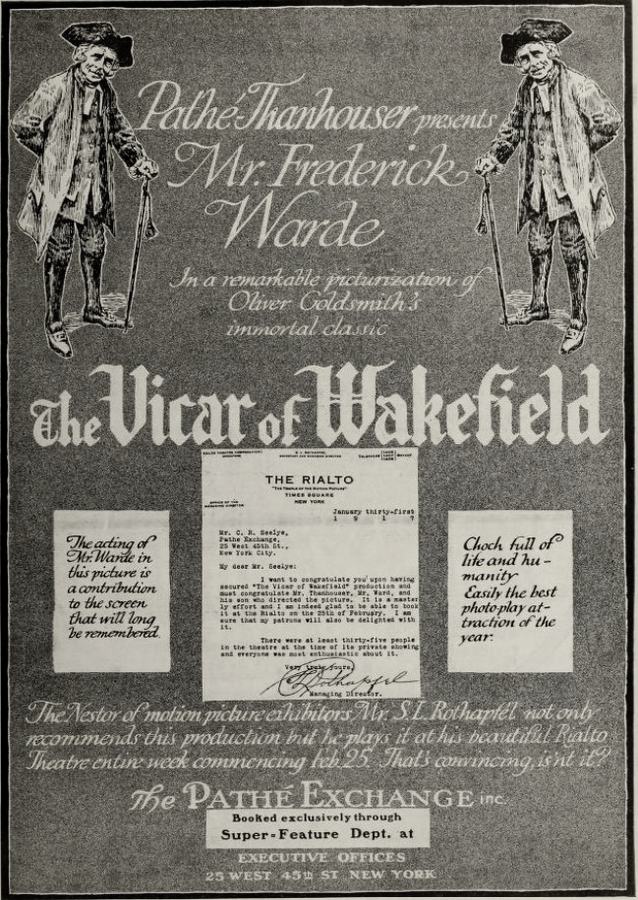
publicity
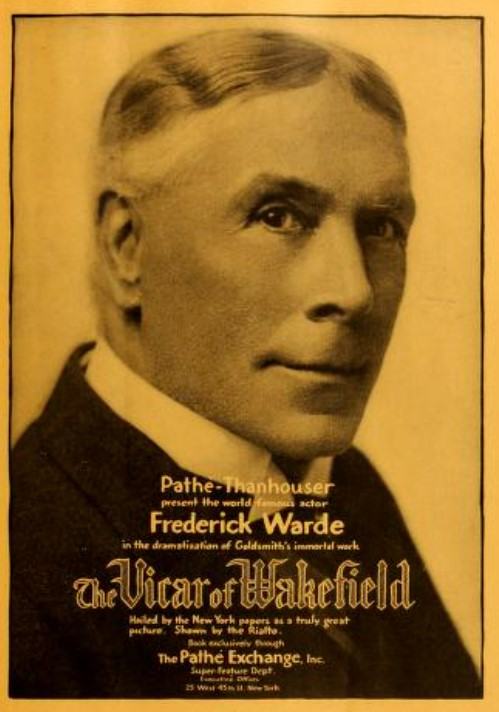
still_frame
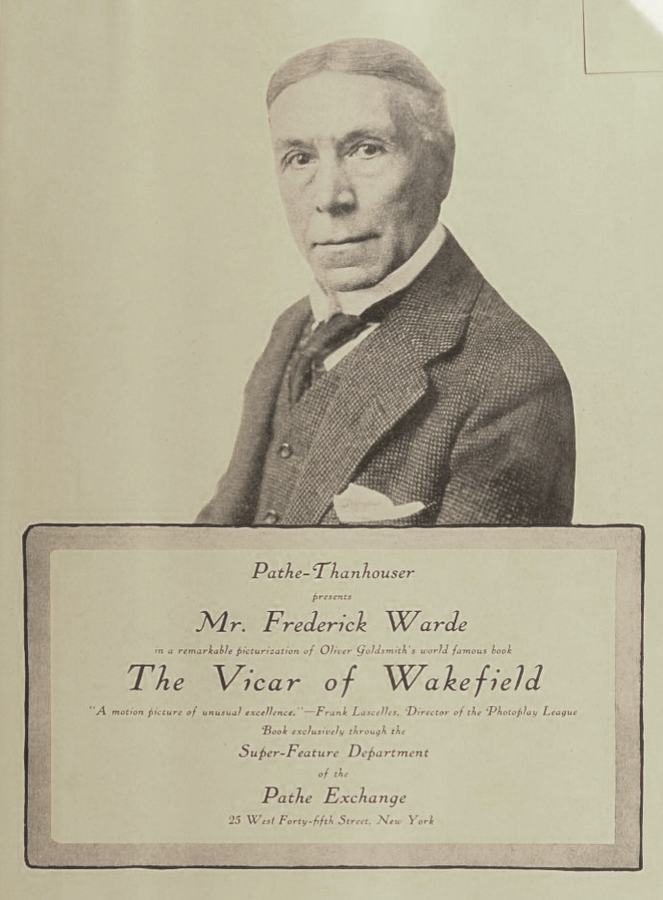
publicity
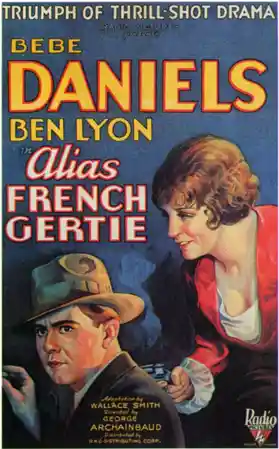
Comparing the cinematic DNA and archive impact of two defining moments in cult history.
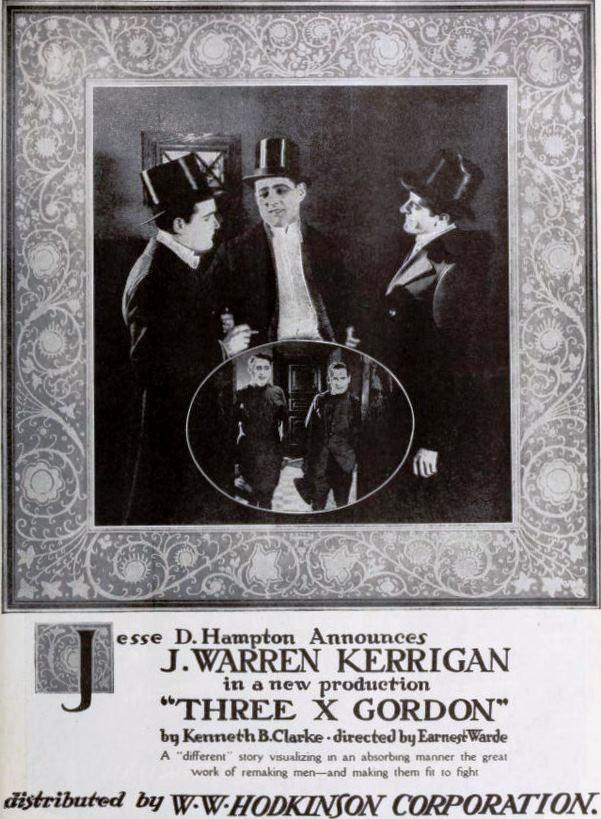
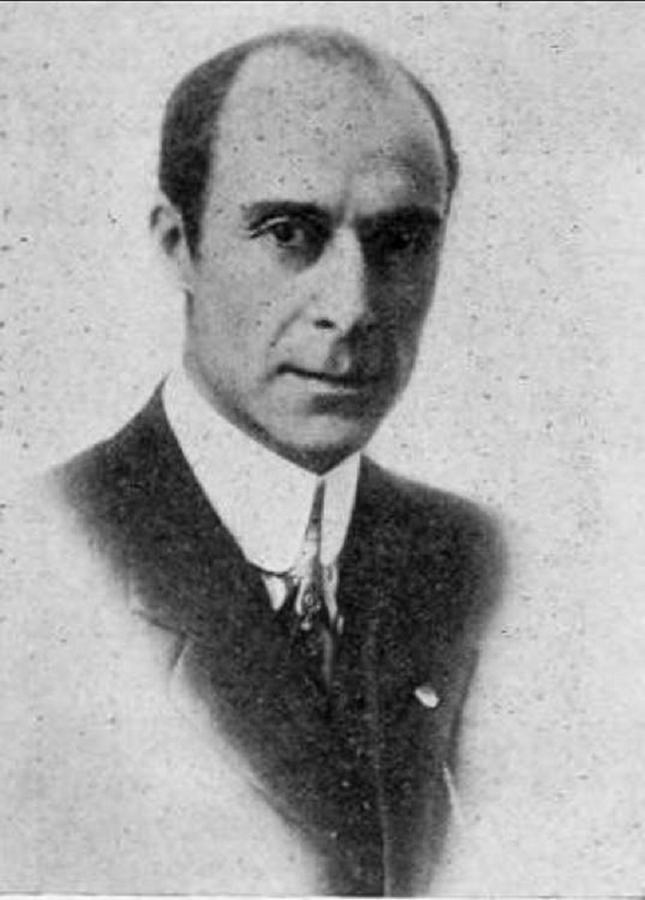
Ernest C. Warde
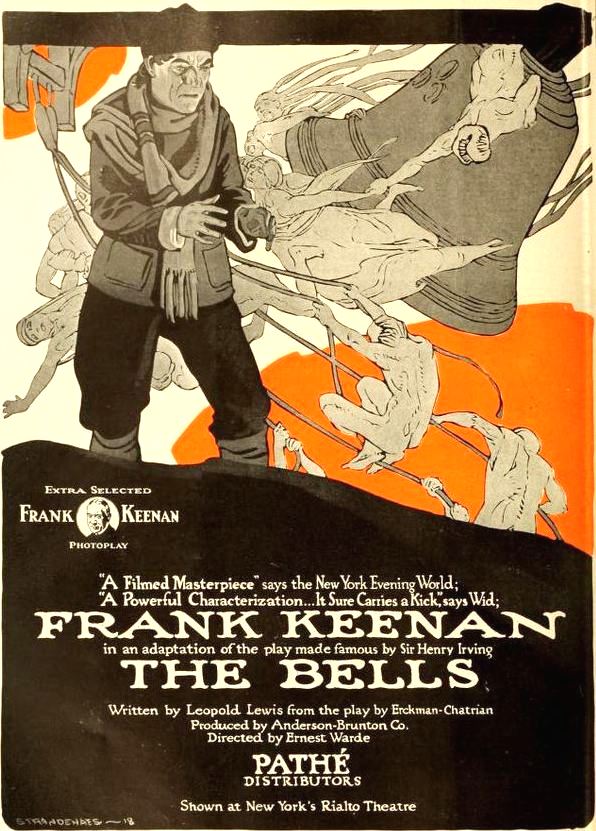
Ernest C. Warde
Community
Log in to comment.
"The Archetypal Struggle of Virtue in the Silent EraThe 1917 iteration of The Vicar of Wakefield stands as a monumental testament to the Thanhouser Film Corporation's ambition to bridge the gap between classic literature and the burgeoning medium of cinema. In an era where the film industry was rapidly evolving from short attractions to complex, feature-length narratives, this adaptation of Oliver Goldsmith’s 1766 novel offered a sophisticated exploration of morality, class, and the resilience of..."
Deep dive into the cult classic
Discover similar cinematic experiences
A Directorial Spotlight on Ernest C. Warde