DbcultAccessing Vault...
5.8/10
Senior Film Conservator
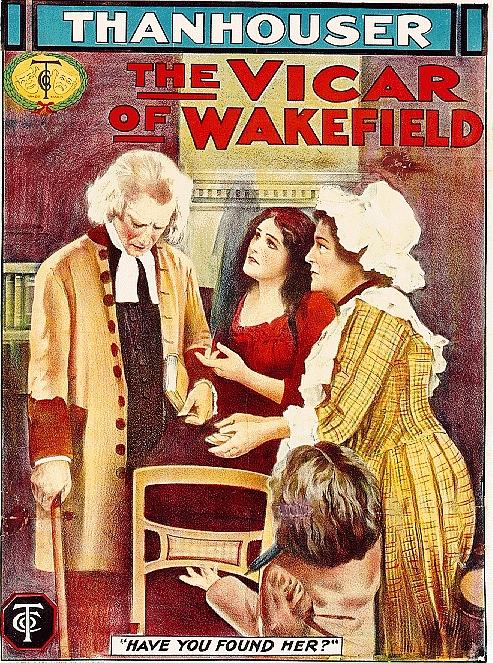
A definitive 5.8/10 rating for a film that redefined the boundaries of cult cinema. The Vicar of Wakefield remains a cornerstone of transgressive art.
The 1917 iteration of The Vicar of Wakefield stands as a monumental testament to the Thanhouser Film Corporation's ambition to bridge the gap between classic literature and the burgeoning medium of cinema. In an era where the film industry was rapidly evolving from short attractions to complex, feature-length narratives, this adaptation of Oliver Goldsmith’s 1766 novel offered a sophisticated exploration of morality, class, and the resilience of the human spirit. Unlike the more action-oriented fare of its time, such as The Avenging Trail, this film leans heavily into the psychological landscape of its characters, demanding a nuanced performance from its lead, Frederick Warde.
The visual language of the film is steeped in a pastoral aesthetic that feels both authentic and elegiac. The early scenes, depicting the Primrose family in their state of grace, are captured with a soft-focus luminosity that emphasizes their isolation from the corrupting influences of the city. This idyllic beginning is essential; it establishes the height from which the family will eventually fall. The cinematography, while constrained by the technical limitations of 1917, manages to convey a sense of claustrophobia as the family’s fortunes dwindle, shifting from the expansive gardens of their original home to the cramped, shadow-drenched confines of their later dwellings. This transition mirrors the emotional journey of Dr. Primrose, whose internal light is tested by the encroaching darkness of poverty and betrayal.
Frederick Warde brings a theatrical weight to the role of Dr. Primrose that is both a product of his time and a necessity for the character. In the silent era, the lack of spoken dialogue required actors to possess a physical vocabulary that could transmit complex emotions without descending into caricature. Warde, a veteran of the Shakespearean stage, employs a restrained gestural style that conveys the Vicar’s stoicism. When he discovers Olivia’s supposed fall from grace, his reaction is not one of explosive anger, but of a profound, soul-crushing disappointment. This subtlety is a far cry from the more overt histrionics found in contemporary works like The Stranglers of Paris, highlighting the film’s commitment to a more elevated form of drama.
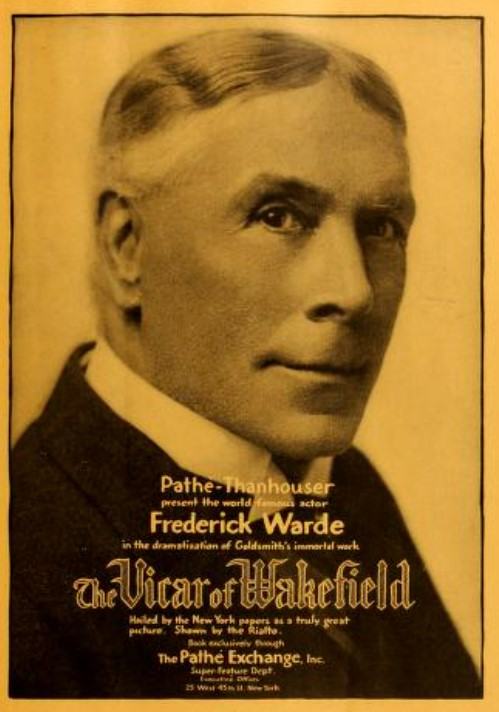
The supporting cast, including Gladys Leslie as Olivia and William Parke Jr. as the villainous Squire Thornhill, provides a dynamic foil to Warde’s gravitas. Leslie captures the tragic vulnerability of a woman caught between her desires and the rigid social codes of the 18th century. Her performance is a precursor to the complex female protagonists we would later see in films like The Stronger Love. Meanwhile, Parke Jr. portrays Thornhill with a slick, predatory charm that makes his eventual unmasking all the more satisfying. He is the quintessential aristocratic predator, a character type that would become a staple of cinematic melodrama.
The narrative structure of The Vicar of Wakefield is a masterclass in the slow-burn escalation of conflict. The introduction of Mr. Burchell, played with an understated nobility by Joseph Phillips, serves as a brilliant narrative red herring. For much of the film, the audience—along with the Vicar—is led to believe that Burchell is the architect of Olivia’s ruin. This manipulation of perspective is a sophisticated storytelling technique for 1917, reminiscent of the intricate plotting found in The Master Mind. It forces the viewer to confront their own prejudices and the fallibility of human judgment.
The central conflict, however, is not merely between individuals, but between competing worldviews. Dr. Primrose represents an older, more idealistic world where virtue is its own reward and faith can move mountains. Squire Thornhill represents the emerging modern world of cynicism, where wealth and power are the only metrics of success. The film does not shy away from the brutality of this conflict. The scenes in the debtor's prison are particularly harrowing, stripping the Vicar of his dignity and forcing him to confront the limits of his philosophy. It is in these moments of absolute despair that the film finds its most profound resonance, suggesting that true character is forged in the crucible of suffering.
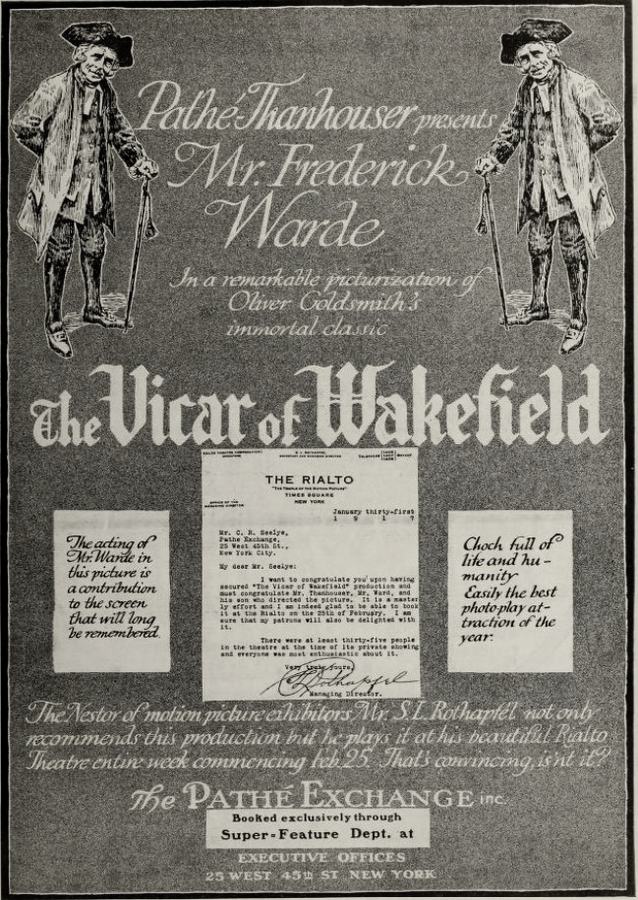
To watch The Vicar of Wakefield in the 21st century is to engage with a piece of cultural history that continues to speak to our modern anxieties. The themes of financial ruin, the loss of social status, and the vulnerability of the innocent are as relevant today as they were in 1766 or 1917. The film’s exploration of the "fallen woman" trope, while dated in its moralistic conclusions, offers a fascinating glimpse into the gender politics of the early 20th century. Comparing this to the themes in A Wild Girl of the Sierras reveals a fascinating spectrum of how femininity and social deviance were portrayed in silent cinema.
The production values of the film are remarkably high for its time. The attention to period detail in the costumes and set design creates a lived-in world that feels tangible. The use of location shooting for the outdoor sequences adds a layer of realism that was often missing from the stage-bound productions of the era. This commitment to authenticity is what separates a film like this from more whimsical or fantastical fare like Feathertop. It is a film that takes itself seriously, and in doing so, it commands the respect of the viewer.
One of the most striking visual motifs in the film is the recurring image of the domestic hearth. In the beginning, the fireplace is a source of warmth and light, the literal and figurative center of the family. As the plot progresses and the family is uprooted, the hearth is replaced by the cold, indifferent landscapes of the road and the prison. The climax of the film, which involves a literal fire, serves as a powerful metaphor for the purification of the family’s honor. The destruction of their physical home is necessary for their spiritual rebirth. This use of elemental imagery is a hallmark of great silent cinema, finding echoes in the atmospheric tension of The Intrigue.
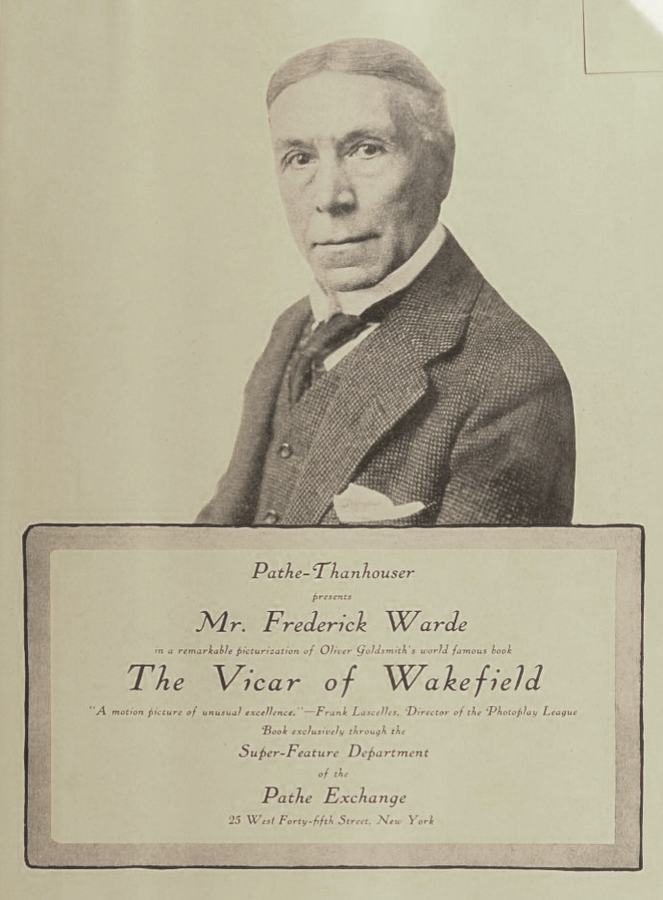
The film’s pacing is deliberate, allowing the emotional weight of each tragedy to sink in. There is a rhythmic quality to the editing that mirrors the Vicar’s own heartbeat—steady, resilient, but increasingly strained. This is particularly evident in the scenes where the Vicar attempts to counsel his fellow prisoners. These moments are not just plot points; they are philosophical meditations on the nature of mercy and the possibility of redemption even in the darkest of circumstances. The film’s refusal to provide an easy out for its characters—until the final, somewhat miraculous resolution—gives the narrative a grit that is often missing from contemporary melodramas like Mrs. Black Is Back.
Ultimately, The Vicar of Wakefield is more than just a literary adaptation; it is an exploration of the fragility of the social contract. The film asks us what happens when the people we trust—our landlords, our suitors, our friends—betray that trust for personal gain. It is a question that remains at the heart of the human experience. The resolution, while providing the expected happy ending of the era, feels earned because of the sheer depth of the suffering that preceded it. The restoration of the Primrose family is not just a return to their previous state, but a transformation into a more resilient, more aware version of themselves.
In comparing this work to other international productions of the time, such as the Danish Borgkælderens mysterium or the Italian L'assassino del corriere di Lione, one can see how the American silent film was carving out its own unique identity—one rooted in moral didacticism but executed with increasing technical sophistication. The film’s legacy is found in its ability to take a dense, wordy novel and translate its core emotional truths into a visual medium. It paved the way for future cinematic explorations of faith and family, such as Where Love Leads or the high-stakes emotional terrain of Garden of Lies.
For the modern cinephile, The Vicar of Wakefield offers a rare opportunity to witness the birth of cinematic storytelling. It is a film that demands patience and attention, but rewards the viewer with a profound sense of empathy and a deeper understanding of the roots of our narrative traditions. It reminds us that while the technology of filmmaking may change, the stories we tell about ourselves—our failures, our hopes, and our capacity for forgiveness—remain remarkably constant. The Vicar’s journey is our journey, a reminder that even when we are lost in the wilderness of misfortune, there is always a path back to the light, provided we have the courage to follow it.
The film concludes not with a grand spectacle, but with a quiet moment of familial unity. The shadows have retreated, and the light has returned to the Vicar’s eyes. It is a simple ending, but in the context of the 1500-word emotional odyssey we have just witnessed, it is nothing short of transcendent. This 1917 gem remains a vital piece of the cinematic puzzle, a work of art that continues to shine with a steady, unwavering flame in the vast library of film history.
IMDb 6.7
1933
Community
Log in to comment.