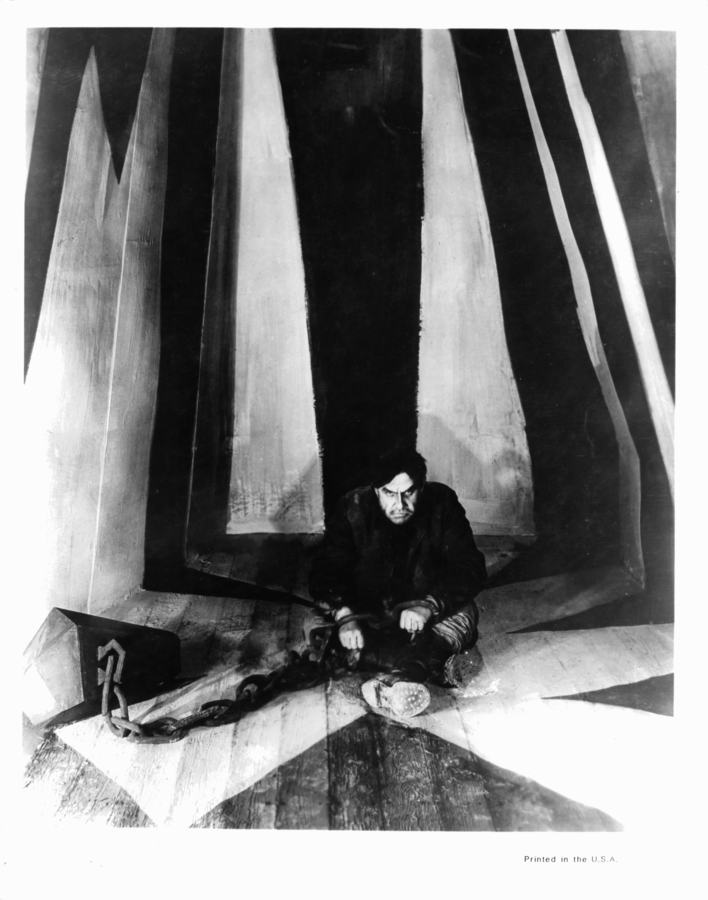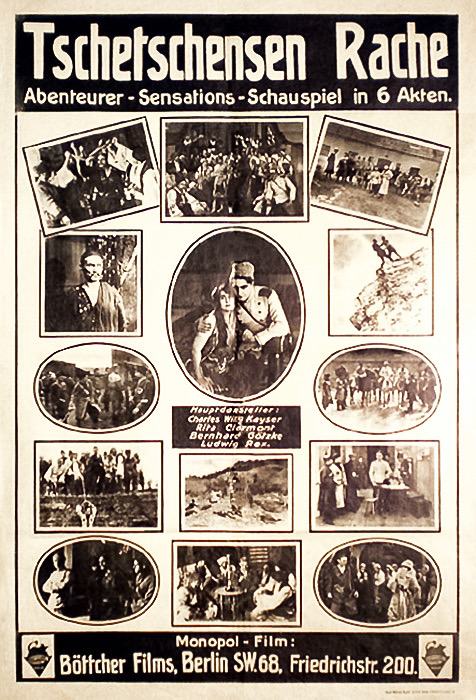
In the pantheon of early German cinema, few artifacts shimmer with the peculiar, dark luminescence of Tschetschensen-Rache. This 1920 production, surfacing during the volatile infancy of the Weimar Republic, serves as a fascinating window into the European fascination with the 'exotic' East—a fascination that was oft...
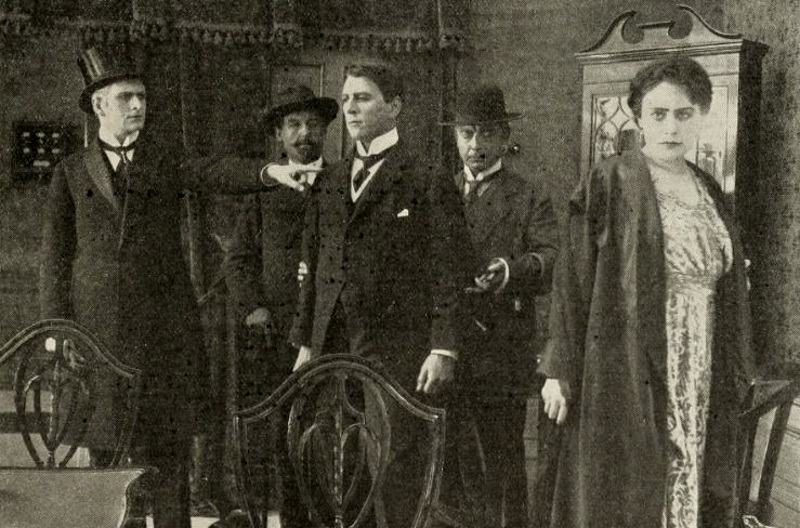
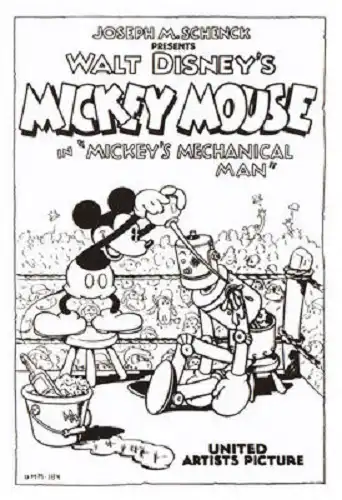
Comparing the cinematic DNA and archive impact of two defining moments in cult history.
Charles Willy Kayser
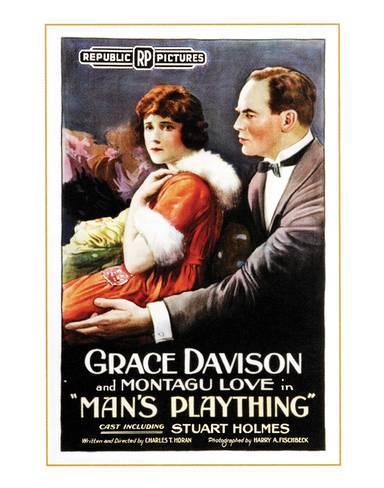
Charles Horan
Community
Log in to comment.
" In the pantheon of early German cinema, few artifacts shimmer with the peculiar, dark luminescence of Tschetschensen-Rache. This 1920 production, surfacing during the volatile infancy of the Weimar Republic, serves as a fascinating window into the European fascination with the 'exotic' East—a fascination that was often a surrogate for exploring the internal anxieties of a post-war nation. Directed with a keen eye for shadow and spatial tension, the film transcends its pulpy origins to become a..."
Rita Clermont
Kurt Schölpert
Germany

1934 · IMDb 2.1

Deep dive into the cult classic
Discover similar cinematic experiences
A Directorial Spotlight on Charles Willy Kayser