DbcultAccessing Vault...
5.6/10
Senior Film Conservator
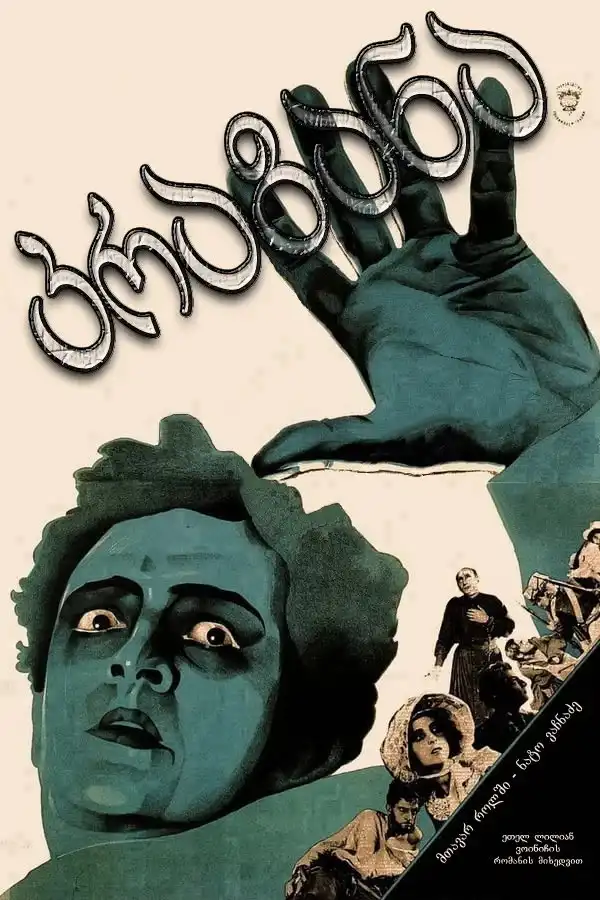
A definitive 5.6/10 rating for a film that redefined the boundaries of cult cinema. The Gadfly remains a cornerstone of transgressive art.
If you're already inclined towards silent cinema, especially those grand, sweeping melodramas from the late 20s, then Kote Marjanishvili's 1928 adaptation of The Gadfly might just be worth digging up. It's a dense, often overwrought thing, but it has a certain historical heft and some truly striking imagery that will stick with you. For anyone else, though, expecting modern pacing or a quiet sort of emotional realism, this one's probably going to feel like a real slog. It’s a film for the patient, for those who appreciate the theatricality of the era, and for anyone curious about how a classic anti-clerical novel was translated through a Soviet lens.
The opening scenes, establishing young Arthur’s idealism, they feel a bit... much. Elizbar Imereli, even as a fresh-faced student, already carries this intense, almost burdened look. It’s hard to believe him as truly innocent, which makes the fall feel a little less dramatic than it should. You can see the Gadfly simmering underneath already.
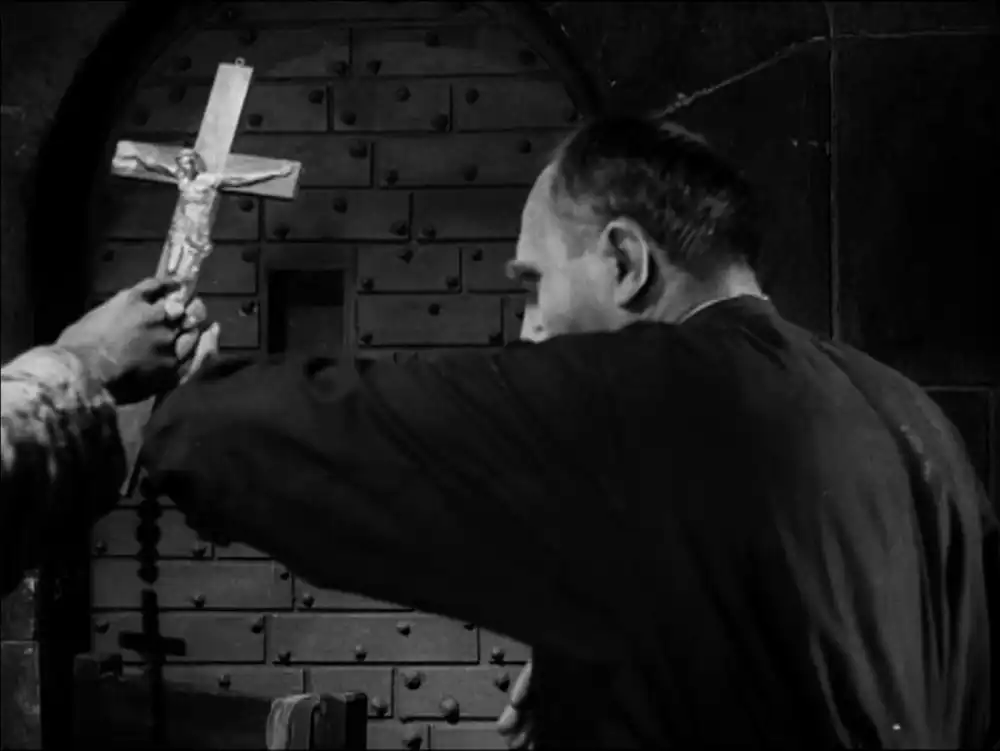
The betrayal itself, when he’s wrongly implicated, is pure silent film gold. Exaggerated gestures, eyes wide with horror. The scene with Padre Montanelli, where Arthur believes he’s been denounced, is surprisingly effective. That moment when Arthur looks at the Padre, really looks at him, and you can see the world just shatter for him. It’s big, sure, but it lands.
Then the "death" and the return. The film doesn't waste much time with the transformation, which is both a strength and a weakness. We don't really see how he becomes the cynical, scarred revolutionary. He just is. One minute he’s diving into a river, the next he’s got the distinctive scar and the sneer. It's abrupt.
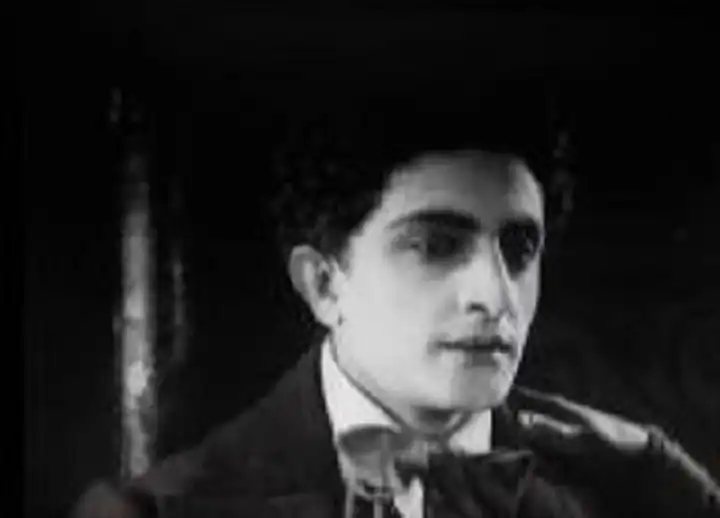
The costume for the Gadfly is interesting – dark, almost theatrical. And the scar is prominent. It’s a clear visual signal, maybe too clear, almost a caricature sometimes.
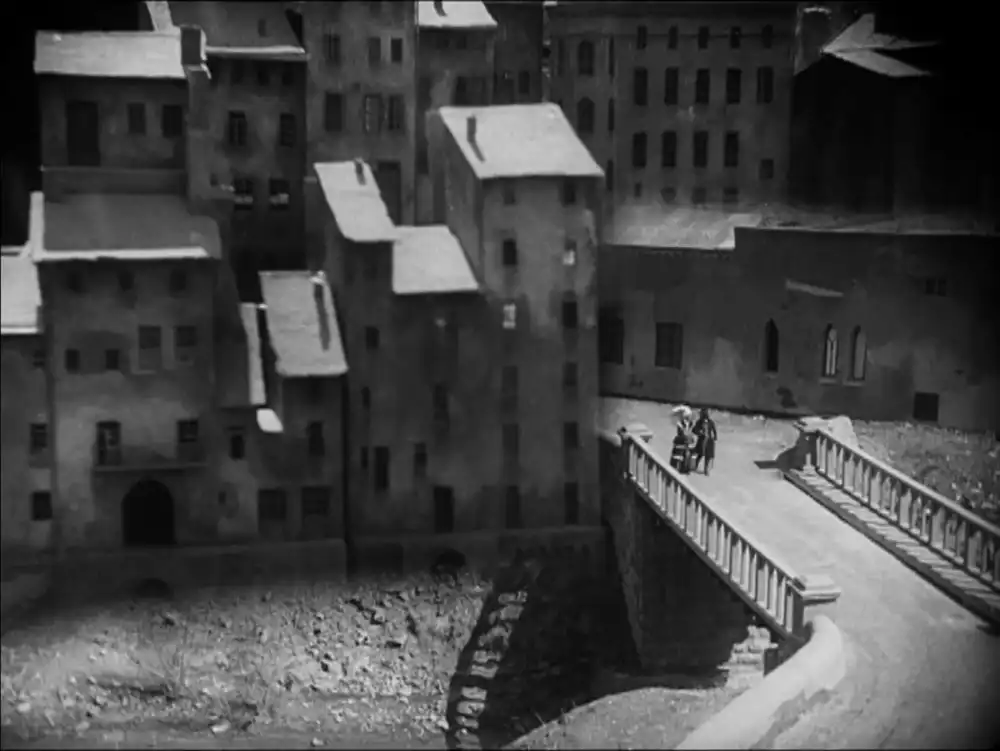
There are some truly beautiful shots though, especially in the Italian countryside. The way the light catches things. And the crowd scenes, when the revolutionaries are gathering, have this raw energy. They don't feel entirely staged, which is a credit to Marjanishvili. You get a sense of genuine fervor, even if the individual acting in those moments can be a bit broad.
The pacing can be a real killer in stretches. Some scenes just linger, and linger, as if waiting for a deeper emotion to emerge that the acting isn't quite delivering. You find yourself checking the time. Then, other pivotal moments, like key political discussions, feel rushed, crammed into a few intertitles and quick cuts. It’s uneven.
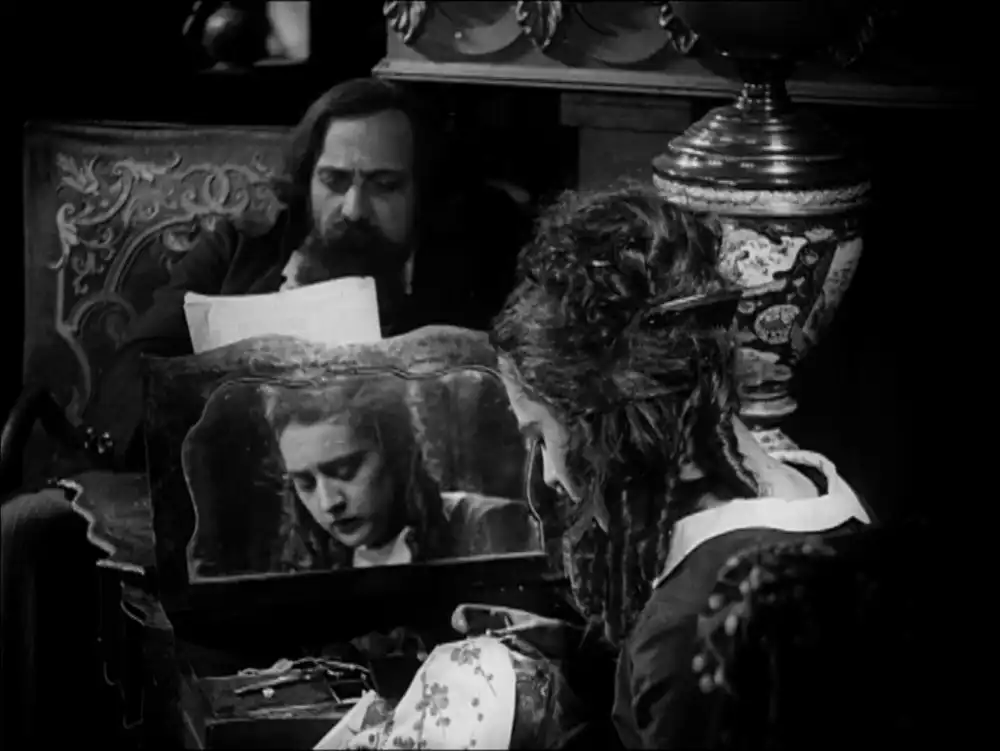
The relationship between Arthur/Gadfly and Gemma is central, and it's where the film tries to pull its emotional weight. Nato Vachnadze as Gemma has this strong presence, a real fire in her eyes. But their scenes together often feel constrained by the era's acting conventions. There’s a lot of yearning, a lot of intense staring, but the chemistry doesn’t always spark in a way that feels organic. It's more implied than felt.
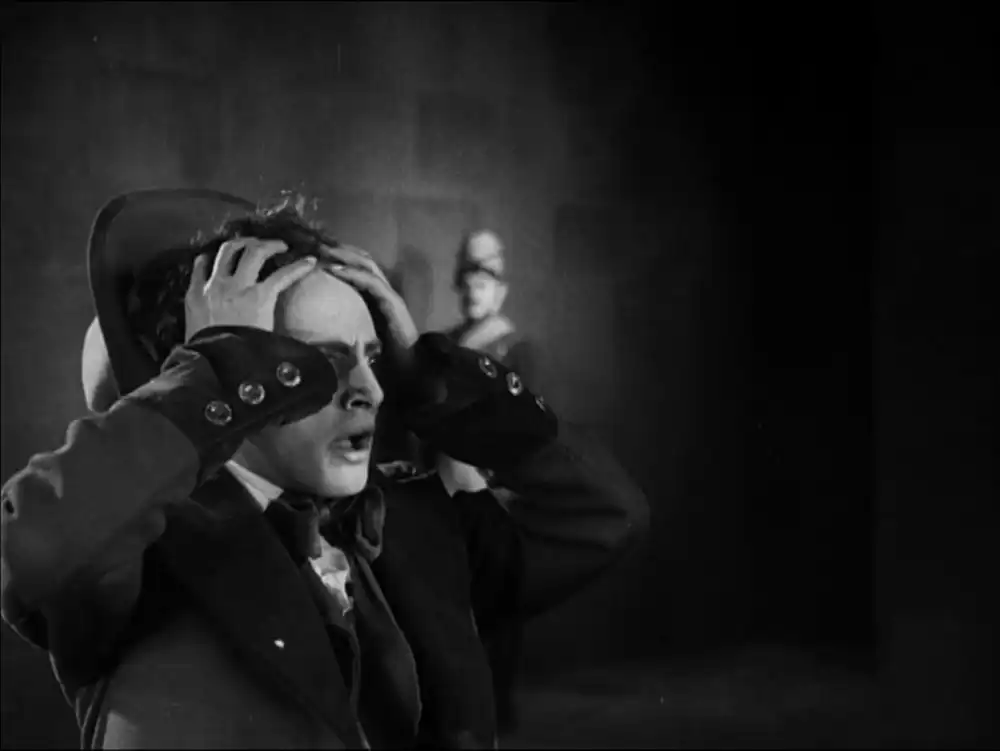
One particular shot of the Gadfly standing alone on a ridge, looking out, is really striking. It's an image of isolation and defiance that perfectly encapsulates the character's new persona. This is where the film excels – in these powerful, almost tableau-like compositions.
But then you get a scene where someone is delivering a speech, and the camera just sits there, watching them gesticulate wildly, and you almost want to shout, "Get on with it!" The melodrama sometimes overtakes the narrative drive.
The ending, without giving anything away, is exactly what you'd expect from a story of this type from this period. It aims for tragic grandeur, and mostly hits it, though again, the lingering shots of grieving faces go on a beat too long. The silence becomes a little too heavy.
It’s fascinating to watch this through a modern lens, knowing it was made in Soviet Georgia. The anti-clerical themes are amplified, certainly. The portrayal of the Church feels less nuanced than in the novel, more overtly villainous. It’s not subtle. But then, silent films rarely were.
The supporting cast, particularly Padre Montanelli (Petre Morskoi), manages to convey a lot of internal conflict without a single spoken word. His expressions, the way he carries himself, you feel the weight on him. He’s probably the most complex character on screen, even if the film pushes him into a more antagonist role than he might fully deserve.
There's a moment during a chase sequence where a horse looks genuinely confused by what it's supposed to be doing, and it briefly breaks the tension. It’s a tiny detail, but it just sticks out, reminding you of the rough-and-ready nature of some of these productions.
IMDb 5.4
1919
Community
Log in to comment.