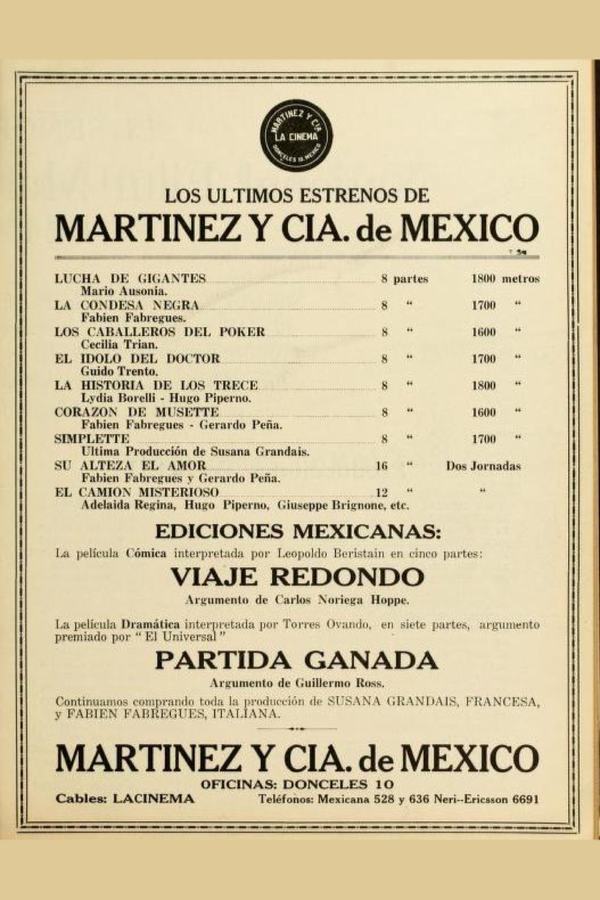
Imagine a country that refuses to sit still for its own portrait; now trap that restlessness inside a rickety bus and send it crawling across a countryside where every mile rewrites the revolution. Viaje redondo—long misfiled as a quaint regional curio—erupts off the screen like a potassium flare hurled into a nation...
Comparing the cinematic DNA and archive impact of two defining moments in cult history.
José Manuel Ramos
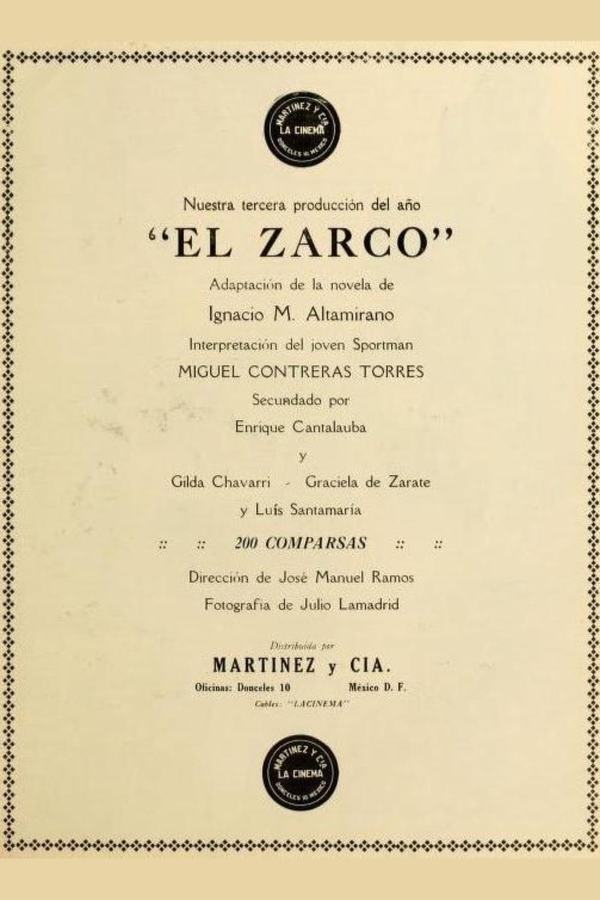
José Manuel Ramos
Community
Log in to comment.
" Imagine a country that refuses to sit still for its own portrait; now trap that restlessness inside a rickety bus and send it crawling across a countryside where every mile rewrites the revolution. Viaje redondo—long misfiled as a quaint regional curio—erupts off the screen like a potassium flare hurled into a national attic stuffed with half-truths about who we were in 1920 and who we keep becoming. The alchemy begins with texture. Cinematographer Augusto Gómez Torres soaked his negatives in..."
José Manuel Ramos, Carlos Noriega Hope
Mexico
1920 · IMDb —
José Manuel Ramos
Deep dive into the cult classic
Discover similar cinematic experiences
A Directorial Spotlight on José Manuel Ramos