DbcultAccessing Vault...
6.5/10
Senior Film Conservator
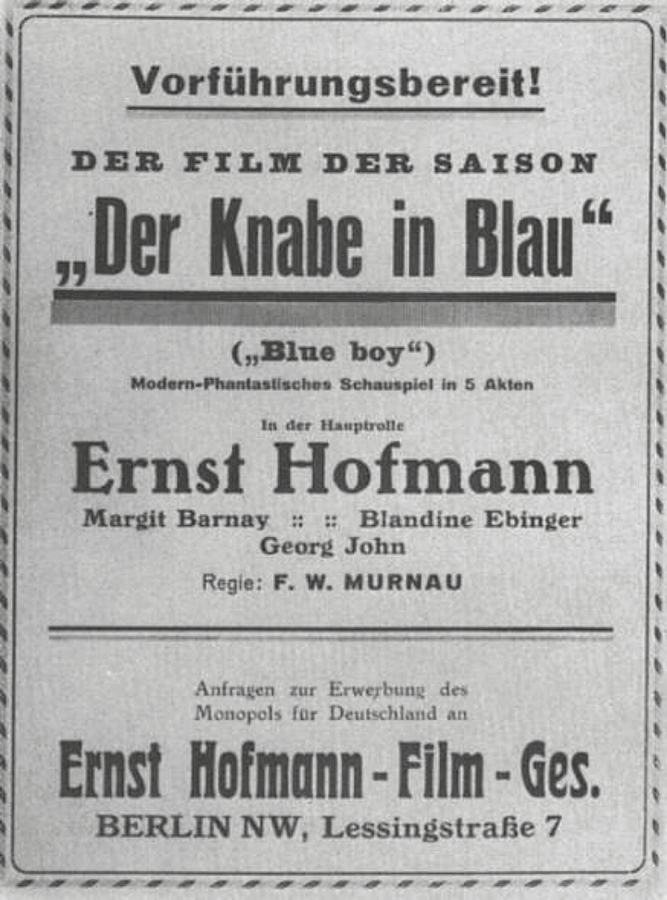
A definitive 6.5/10 rating for a film that redefined the boundaries of cult cinema. Emerald of Death remains a cornerstone of transgressive art.
Stepping back into the annals of silent cinema often feels like peering through a dusty, forgotten window into another world. Yet, some films, like the enigmatic 'Emerald of Death' (1921), retain an uncanny luminescence, their themes and visual rhetoric resonating with an intensity that transcends the passage of a century. This cinematic relic, penned by Edda Ottershausen, is more than just a period piece; it's a meticulously crafted psychological drama, veiled in the trappings of gothic mystery, that plunges viewers into the crumbling psyche of its protagonist, Thomas von Weerth.
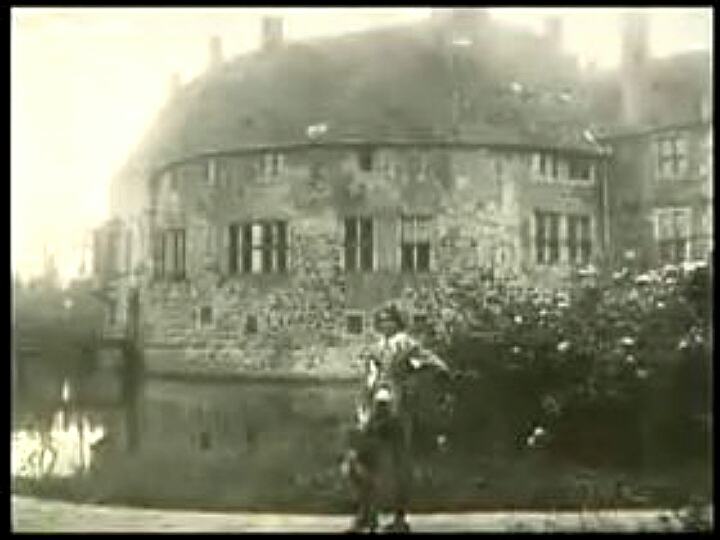
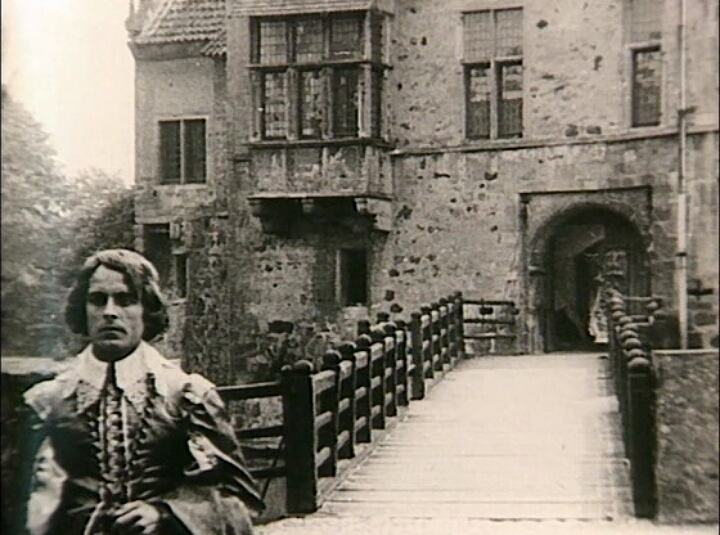
The film opens on a scene of palpable decay, a setting so intrinsically linked to its central character that it becomes almost a third player in the tragic narrative. Thomas von Weerth, portrayed with a haunted intensity by Hans Otterhausen, is introduced as the last vestige of an aristocratic line, marooned in a castle that mirrors his own internal desolation. The very stones of his ancestral home seem to sigh with the weight of generations, their grandeur eroded by time and neglect, much like Thomas's own spirit. This isn't merely a backdrop; it's a character in itself, breathing an oppressive atmosphere into every frame. The visual language here is masterful, drawing parallels to the brooding architectural presences found in films like Barranca trágica, where the environment actively participates in the narrative's emotional thrust. The early 20th century, particularly in German cinema, excelled at this kind of atmospheric storytelling, often leveraging expressionistic techniques to externalize inner turmoil.
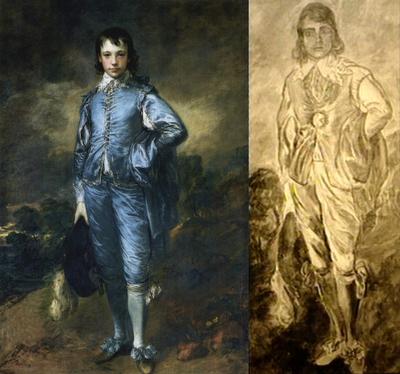
At the heart of Thomas's isolated existence lies an object of profound fascination: the painting titled 'The Boy in Blue.' This isn't just an art piece; it's a window into the family's shadowed past, a silent sentinel that holds the key to the film's central enigma. What truly captivates Thomas, however, isn't merely the artistry of the portrait but the shimmering, malevolent presence it depicts: the so-called Death Emerald. The emerald, imbued with generations of myth and dread, becomes an almost sentient entity, its legend weaving itself into the fabric of Thomas's consciousness. His obsession with this jewel isn't purely materialistic; it's deeply psychological, a yearning to understand, to control, or perhaps even to succumb to the forces that have shaped his family's destiny. This profound, almost spiritual connection to an inanimate object, driving a character to the brink, finds echoes in the intense character studies seen in contemporary works like The Liar (1918), where internal struggles are magnified through a singular focus.
The casting in 'Emerald of Death' is nothing short of exceptional, particularly in how each actor contributes to the overarching atmosphere of unease and psychological tension. Hans Otterhausen as Thomas von Weerth delivers a performance that is both nuanced and utterly compelling. Without the aid of spoken dialogue, his expressions, his posture, and his every gesture convey the profound weight of his aristocratic burden and his spiraling fixation. It's a masterclass in silent acting, where the eyes become the primary conduit for emotion, fear, and burgeoning madness. His portrayal allows us to feel the creeping claustrophobia of his world, the silent screams of a mind teetering on the precipice.
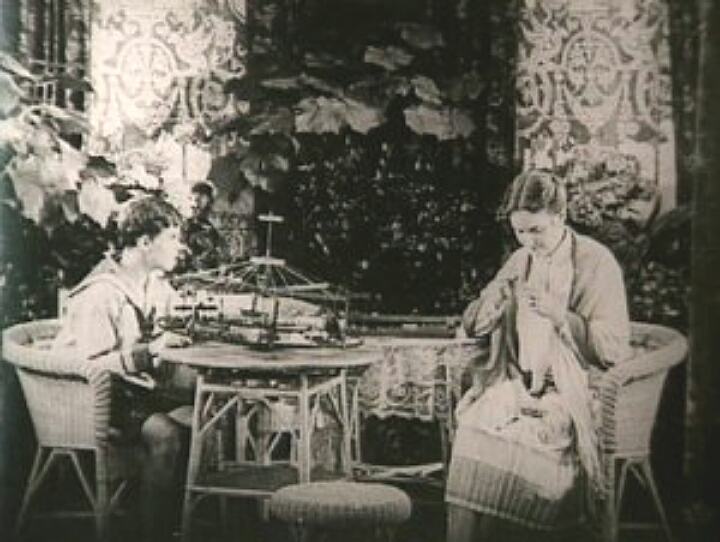
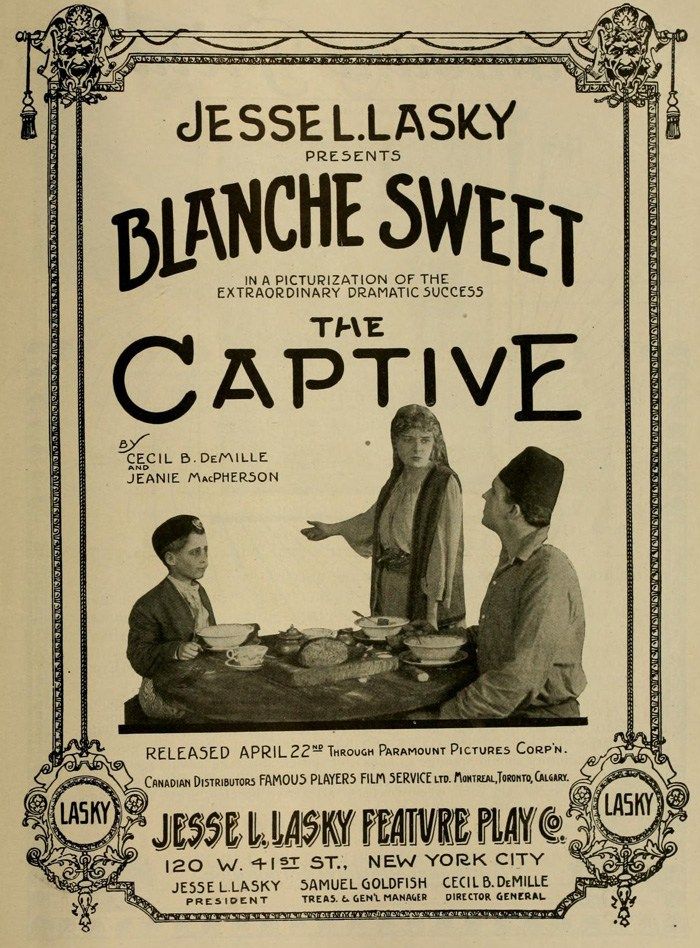
The direction, while uncredited, demonstrates a keen understanding of visual narrative, characteristic of the era's sophisticated German cinema. The use of shadow and light, the deliberate framing, and the pacing of the scenes all contribute to a sense of impending doom. The camera often lingers on significant objects—the painting, the emerald itself, the decaying architecture—imbuing them with a sinister vitality. This meticulous attention to visual detail ensures that the story is not just told, but felt, immersing the viewer in Thomas's subjective reality. One could draw parallels to the dramatic tension achieved in films like Vendetta, where every shot is carefully constructed to heighten emotional impact and narrative suspense. The film avoids repetitive sentence structures in its visual grammar, offering diverse compositions that keep the eye engaged and the mind stimulated.
The supporting cast, while perhaps less central, provides crucial texture to this dark tapestry. Margit Barnay, Marie von Buelow, and
'Emerald of Death' is more than just a horror film or a mystery; it’s a poignant exploration of themes such as inherited trauma, the corrupting influence of obsession, and the inexorable march of time against human endeavor. The decaying castle isn't just a setting; it's a metaphor for the crumbling aristocracy Thomas represents, a world fading into obsolescence. The Death Emerald, then, becomes a symbol not just of a curse, but of the burden of history, a weight that Thomas, as the last descendant, is fated to carry. This thematic depth elevates the film beyond a simple genre piece, inviting contemplation on the cyclical nature of fate and the fragility of the human mind when confronted with overwhelming legacy. The narrative's careful construction, attributed to Edda Ottershausen, ensures that these profound themes are woven seamlessly into the plot, rather than being mere afterthoughts. The screenplay, even without dialogue, manages to articulate complex psychological states and philosophical questions, a feat that is truly commendable for its time.
The psychological unraveling of Thomas is depicted with a chilling realism, even within the stylized confines of silent film. His growing paranoia, his desperate attempts to understand the emerald's power, and his ultimate succumbing to its influence are portrayed with a sensitivity that makes his plight genuinely tragic. This isn't a villain; it's a man tormented, a victim of circumstances and a curse he can neither escape nor comprehend. The film's ability to evoke such profound empathy for its troubled protagonist is one of its greatest strengths, setting it apart from more simplistic horror narratives. The silent film era, often underestimated in its capacity for psychological nuance, proves its mettle here, showcasing how visual storytelling can delve into the deepest recesses of the human mind. The film's exploration of mental fragility could even be subtly compared to the nuanced character developments in films like The Natural Law, which also navigated complex human conditions.
In a crowded field of silent era productions, 'Emerald of Death' manages to carve out a distinct identity. It doesn't rely on grand spectacle or overt supernatural scares, but rather on the insidious creep of psychological dread and the compelling power of its central mystery. The film’s influence, while perhaps not as widely recognized as some of its more famous German Expressionist contemporaries, is undeniable in its contribution to the gothic horror and psychological thriller genres. It demonstrates how effective storytelling can be achieved with minimal resources, relying instead on strong performances, evocative settings, and a compelling narrative. The contributions of actors like Rudolf Klix, Hedda Kemp, Georg John, and Blandine Ebinger, though often in fleeting appearances, coalesce to form a rich, believable world, adding layers of intrigue and human connection (or disconnection) to Thomas's isolated existence. Their presence underscores the human drama unfolding against the backdrop of the supernatural.
The film’s meticulous attention to detail, from the crumbling frescoes of the castle to the precise framing of the titular painting, ensures a consistently engaging visual experience. The narrative, carefully constructed by Edda Ottershausen, avoids common pitfalls of early cinema, such as overly simplistic plots or underdeveloped characters. Instead, it offers a rich tapestry of human emotion, historical weight, and supernatural intrigue. This complexity is what allows the film to stand the test of time, appealing to modern audiences who appreciate nuanced storytelling and atmospheric depth. It’s a testament to the power of pure cinema, where images and performances speak volumes, transcending the need for spoken words. The film’s pacing, deliberate and suspenseful, builds tension incrementally, drawing the viewer deeper into Thomas’s spiraling reality. This approach to building suspense is reminiscent of how some early dramas, even those with different thematic focuses like A Daughter of Australia, relied on unfolding events rather than rapid-fire action to engage their audiences.
One of the most remarkable aspects of 'Emerald of Death' is its ability to maintain a pervasive sense of dread without resorting to cheap jump scares or overt horror tropes. The fear is psychological, stemming from Thomas's internal battle and the ominous presence of the emerald. This nuanced approach to suspense ensures that the film's impact is long-lasting, lingering in the mind long after the final frame. The film understands that true terror often lies in what is unseen, what is hinted at, and what slowly contaminates the protagonist's perception of reality. The gradual descent into madness is portrayed with a chilling authenticity that makes the audience question the nature of reality alongside Thomas. It is a slow burn, a creeping unease that builds relentlessly, much like the slow, inevitable creep of fate itself. This artful construction of suspense and psychological tension makes it a fascinating comparison point to other early thrillers, even those with more conventional narratives, showing a shared ambition to explore the darker corners of human experience. The film's ability to maintain narrative drive through purely visual means is a masterclass in silent film technique, a testament to the power of suggestion and atmosphere over explicit exposition.
Ultimately, 'Emerald of Death' stands as a compelling testament to the artistry and thematic depth of early cinema. It is a film that rewards careful viewing, offering layers of meaning and a haunting atmosphere that continues to captivate. For those interested in the roots of psychological horror, gothic drama, or simply masterful visual storytelling, this silent gem is an absolute must-see. It's a journey into the heart of obsession, where a single, shimmering jewel holds the power to unravel a man's sanity and reveal the dark undercurrents of an aristocratic legacy. Its meticulous craftsmanship, from the compelling performances of Hans Otterhausen and the ensemble to the evocative screenplay by Edda Ottershausen, ensures its place as a significant, albeit often overlooked, piece of cinematic history. The film’s exploration of the human condition, trapped between ancestral glory and impending doom, resonates profoundly, making it a timeless narrative about the burdens we inherit and the obsessions that define us. The enduring quality of its narrative and aesthetic continues to fascinate, proving that some stories, like the glint of a cursed emerald, never truly fade into the darkness. It is a prime example of how the silent era harnessed visual metaphor and nuanced performance to craft narratives that are as emotionally complex and intellectually stimulating as any modern production, perhaps even more so due to the constraints that forced such creative ingenuity.
IMDb 4.2
1932
Community
Log in to comment.