DbcultAccessing Vault...
Cult Review
Senior Film Conservator
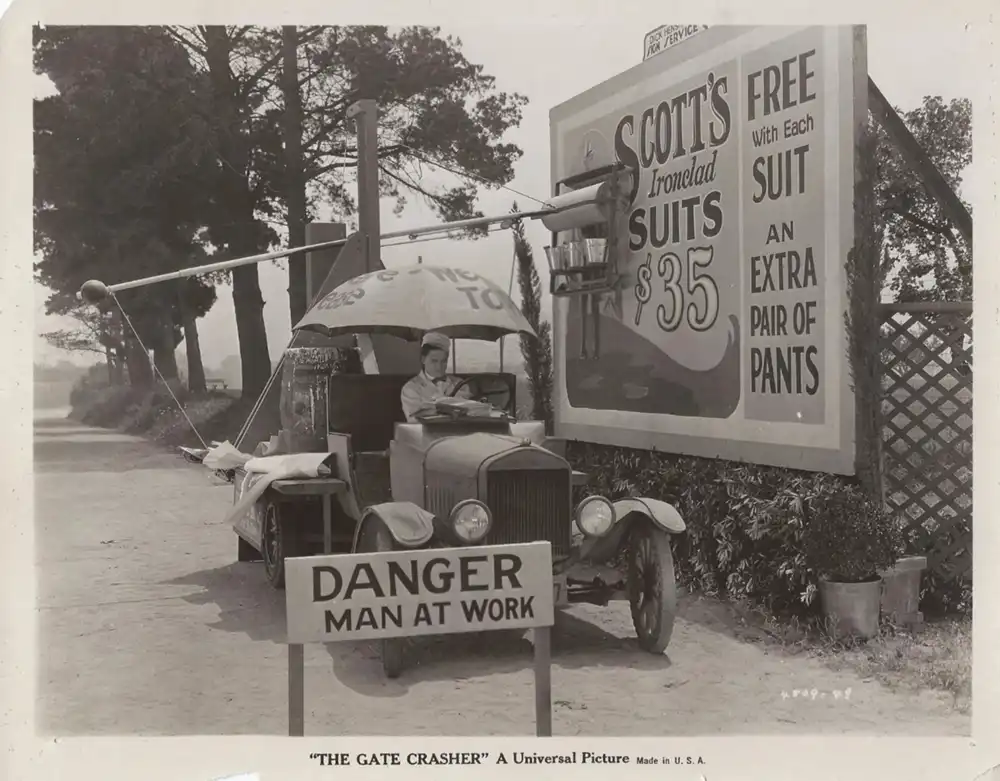
The Gate Crasher is one of those silent films that, honestly, you're going to know pretty quickly if it's for you. If you're a devoted silent era enthusiast, or just curious about what passed for light entertainment in 1928, there are some small pleasures to be found. But if you're coming in cold, expecting a roaring good time or a masterpiece of early cinema, you'll probably find yourself checking the runtime after the first twenty minutes. It’s a curiosity, mostly.
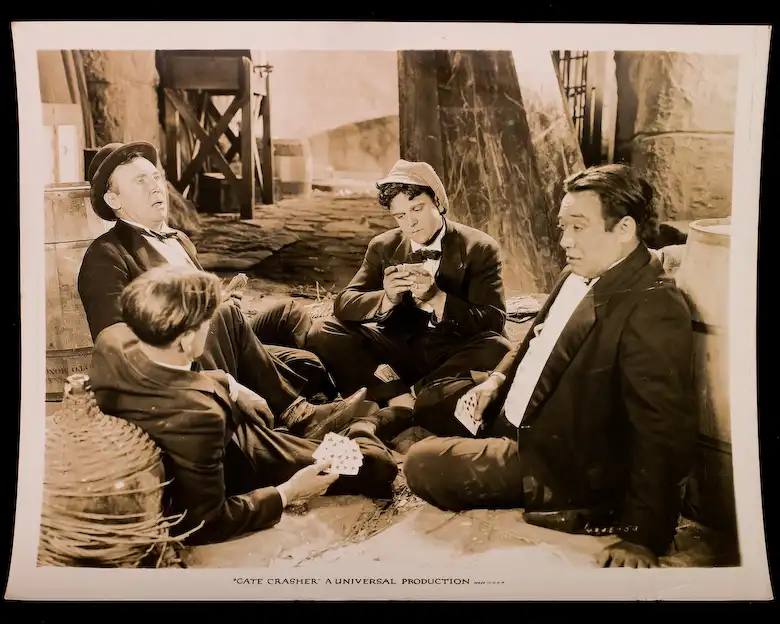
The setup is simple enough: Glenn Tryon plays a posterhanger, sort of a working-class dreamer, who has a minor run-in with Patsy Ruth Miller’s character, a Broadway star. "Mishap" is maybe a strong word for what happens on the highway; it’s more of a gentle fender-bender that serves its purpose to get them talking. Tryon’s character, Martin, then sort of... follows her around, crashing a party he wasn't invited to. Hence the title.
Tryon, bless his heart, tries hard. He’s got this energetic, almost frantic quality that sometimes lands as charmingly goofy, and other times just feels a little too much like he’s performing for the back row of a vaudeville house. There’s a bit where he’s trying to sneak into a fancy gathering, and his attempts at blending in are genuinely amusing for a few beats. He’s all flailing limbs and wide-eyed confusion. But then it goes on, and on, and the joke starts to wear thin. You can almost feel the movie trying to squeeze every last drop out of his physical comedy.
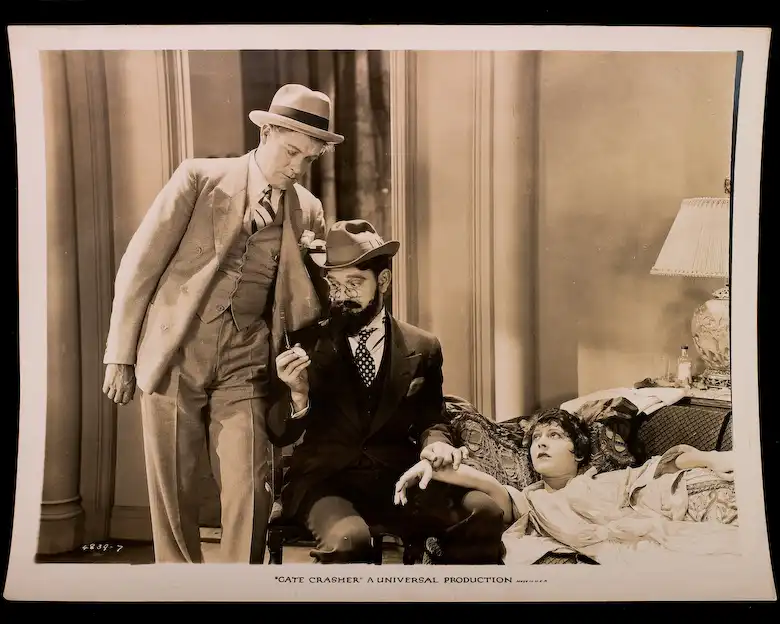
Patsy Ruth Miller, as the star, Annabelle, is perfectly fine. She’s beautiful, of course, and projects a certain elegance. But the film doesn't give her a ton to do beyond looking glamorous and then slightly annoyed, then eventually charmed. Her "star" quality feels more told than shown, if that makes sense. We're meant to believe she's this big deal, but her interactions often feel a bit flat. There’s a scene where she’s supposed to be distressed, and her expression is... well, it’s a bit generic. Not bad, just not particularly compelling.
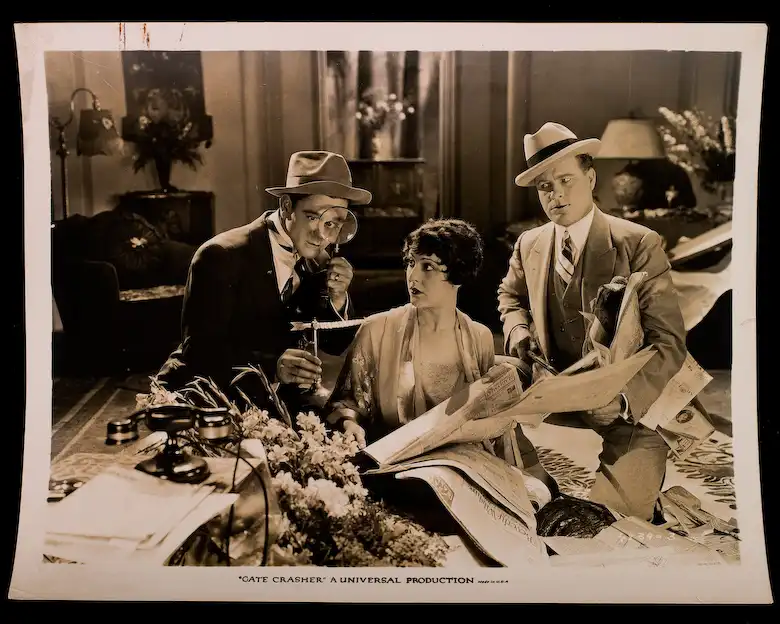
The pacing is a real mixed bag. Some of the early sequences, setting up Martin's life, feel brisk enough. But once he starts trying to insert himself into Annabelle's world, things get a little bogged down. There’s a protracted misunderstanding involving a jewel and a coat that just never quite grabs you. It’s meant to be suspenseful, I think, but mostly it just makes you wish they'd get on with it. The intertitles during these parts often feel like they're over-explaining things we've already figured out.
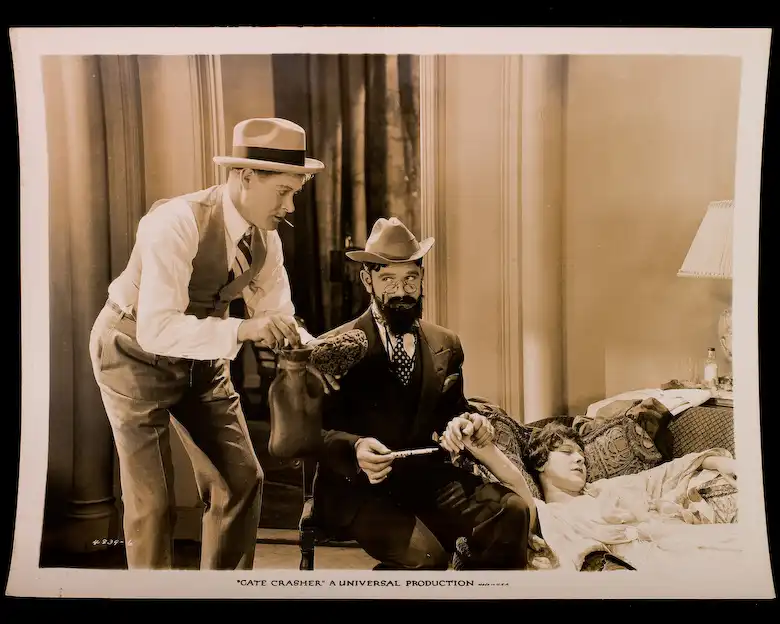
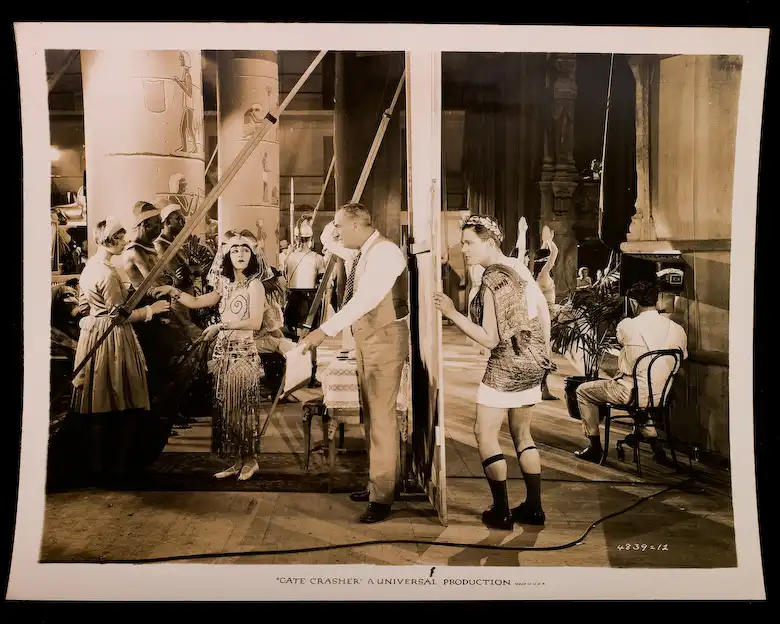
I did like a few of the shots, though. There’s one quick sequence showing the bustling city streets, and for a moment, you get a real sense of the era, the energy. And then it cuts back to a rather static interior set. The party scenes, too, have this odd quality. The extras in the background often seem to be just standing there, almost frozen, which gives the whole thing a slightly artificial, stagey feel. Not quite the lively, opulent affair the story wants you to believe it is.
Carla Laemmle has a small, almost blink-and-you-miss-it role, but she has this one close-up where her eyes just sparkle. It’s a tiny moment, but it stood out. It’s the kind of thing you notice when the main plot isn’t quite holding your attention.
The chemistry between Tryon and Miller? It’s... okay. It grows on you, I guess. There are a couple of moments where their smiles genuinely connect, and you think, "Ah, okay, maybe." But it's never really electric. It's more of a gentle warming up than a sudden spark. You don't feel the "love blossoms" so much as "love politely acknowledges its existence."
This isn't a film that’s going to rewrite your understanding of silent cinema. It’s a light diversion, perhaps best appreciated with a historical lens. It’s got a few laughs, a couple of decent performances, and some bits that just sort of exist. If you're looking for something more substantial, maybe check out something like Shadows of Paris for a bit more drama, or even the early work of Chaplin if you want truly masterful physical comedy. But for a quiet afternoon and a glimpse into a simpler time, The Gate Crasher might just about do it.
IMDb 6.9
1932
Community
Log in to comment.