Summary
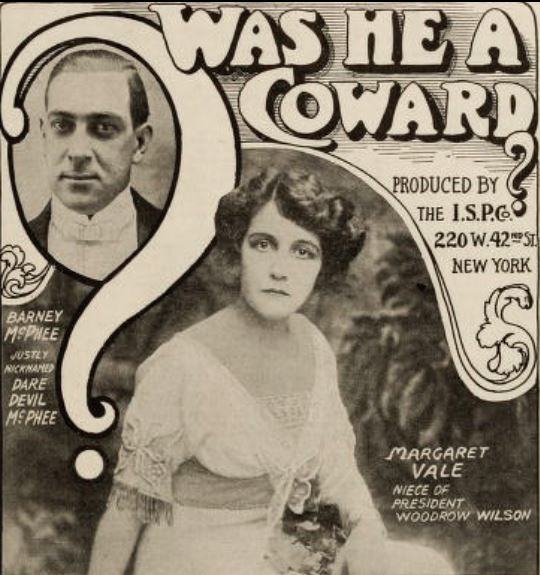
Was He a Coward? plunges into the tumultuous journey of Barney Crawford, a young man propelled from his affluent home by a disapproving father, Mr. Crawford, who despairs over his son's profligate habits. Cast adrift, Barney descends into a life of petty crime, culminating in a stint in jail for pocket picking. His spectacular escape marks a pivotal turning point, leading him back to the labyrinthine alleys of Chinatown where fate intervenes. He heroically thwarts the robbery of Lois Jordan, the privileged scion of a powerful mining magnate, sustaining a gunshot wound in the process. This act of unexpected valor draws the attention of Lois and her father, who facilitate his recovery. During his convalescence, a nascent connection blossoms between Barney and Lois, inspiring him to forsake his criminal past for a life of rectitude. He vanishes, determined to forge an honest path, but societal prejudice and his past shadow his every effort to find legitimate employment. On the precipice of despair, contemplating the murky waters beneath Marble Hill Bridge, he instinctively saves a woman from drowning. This serendipitous act brings him once more into the orbit of Lois and her father, who, recognizing his inherent goodness, offer him a position within their enterprise. A profound romance ignites between Barney and Lois, only to be jeopardized by Storms, an unscrupulous clerk and compulsive gambler, who systematically embezzles from Mr. Jordan's safe. When the defalcation is discovered, Storms cunningly implicates Barney. The arrival of a detective, whom Barney recognizes from his previous arrest, triggers a desperate leap from a window, solidifying suspicions of his guilt. Though recaptured, a deathbed confession from Storms exonerates Barney. However, the revelation of Barney's status as an escaped convict thwarts his immediate release, consigning him back to prison despite Lois's unwavering devotion. Enduring incarceration, he receives a poignant visit from his estranged parents, culminating in their forgiveness and his eventual pardon. Reclaiming his freedom, Barney's first impulse is to reunite with Lois, but their tender embrace is interrupted by a stern Mr. Jordan, who banishes him from their home. Grappling with the profound implications of his tarnished reputation, Barney wrestles with the moral quandary of asking Lois to sacrifice her gilded existence for a life with a societal outcast. Despite Lois's fervent plea to join him, his conscience, asserting his unworthiness, compels him to make the ultimate sacrifice, leaving her heartbroken and the audience to ponder the film's provocative titular question: was his final act one of profound selflessness or indeed, that of a coward?
Synopsis
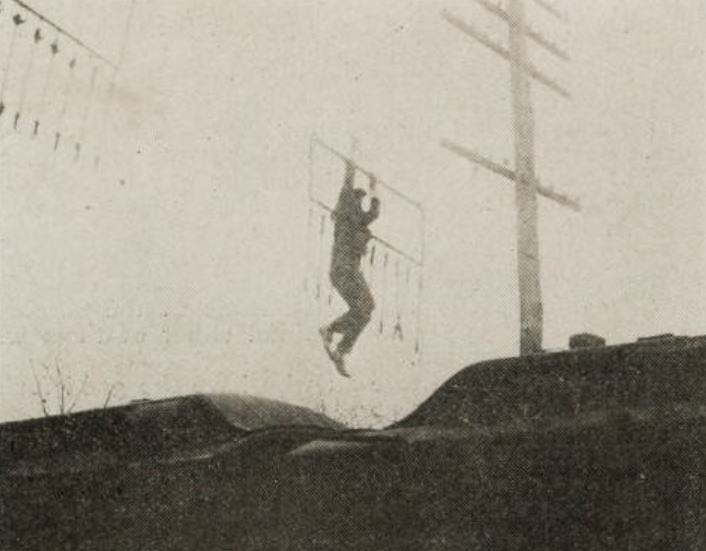
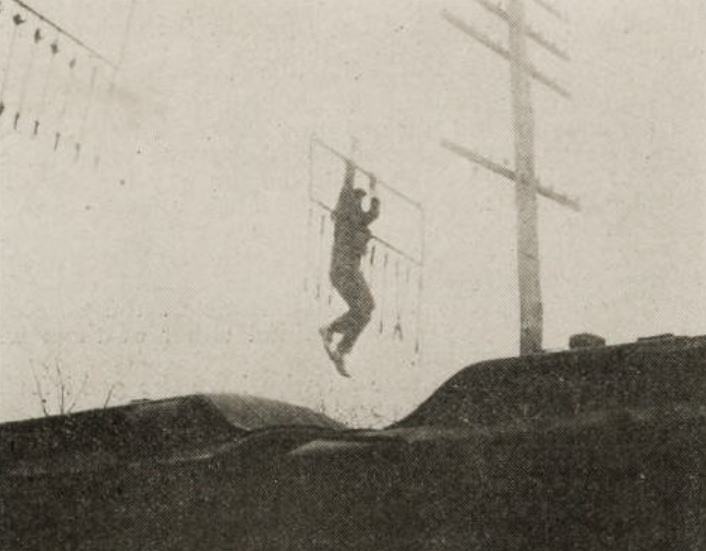
Mr. Crawford, tired of meeting the ever-increasing bills contracted by his spendthrift son, Barney, orders him from his home. He embarks on a tempestuous career and is ultimately enmeshed in the clutches of the law for pocket picking, and confined in jail. Barney makes a spectacular escape and returns to his old haunts. While in a Chinatown resort, he prevents the robbery of Lois Jordan, who, with a party of friends, is sightseeing. She is the pampered daughter of a millionaire mining man. In the fray that follows, Barney is shot. Mr. Jordan, the girl's father, takes him to a hospital, and while there during his confinement, Lois frequently visits him. Barney determines to turn over a new leaf and lead an honorable life, and on his recovery, departs, leaving no clue as to his whereabouts. Despondent at his futile effort to find work, he meanders along Marble Hill Bridge, when he sees a woman fall overboard. He plunges into the stream and brings her safely to shore. Among the spectators are Lois and her father, who greet him cordially and invite him home with them. Jordan gives him a position in his office. The friendship between Lois and Barney ripens into love. Storms, a clerk in the same office and an inveterate gambler, has been systematically tapping the safe. When Jordan discovers his losses, Storms lays the blame on Barney, who vehemently denies his guilt. A detective is sent for, and Barney, recognizing him as the one who arrested him before, jumps from the window, followed by the detective. Barney is captured and taken to the Jordan home. In the meantime, Storms, in the shadow of impending death, confesses his guilt. Jordan gleefully informs the detective of this, to free Barney, as he is innocent. The officer refuses, explaining that Barney is an escaped convict and must serve his term. Through the entire ordeal, Lois steadfastly remains true. Barney is remanded to prison, and Lois is ordered to forget him. During his incarceration Barney's father and mother visit him and forgive him. Barney is pardoned. Upon regaining his liberty the first thing he does is to visit Lois. They are in one another's arms when Jordan enters and bids Barney to leave his house. Barney departs sadly, and in reflection he realizes the selfish motives which prompt him in asking Lois to sacrifice her home to become the wife of a discredited outcast and a social pariah. Meditating as to what course to pursue, his moral sense convinces him of the gross iniquity to urge her to leave her present surroundings. A note arrives from Lois, asking him to come to her immediately, protesting her love and desire to go with him. Finding her waiting and ready to leave, his inner conscience rises and asserts itself, professing himself to be unworthy of her, and against her pleadings, he departs, while Lois is sobbing bitterly. Was this the act of a coward?
Review Excerpt
"
Unraveling the Moral Labyrinth of "Was He a Coward?"
In the annals of early cinema, few narratives confront the human spirit's intricate dance between redemption and perceived weakness with the raw intensity of "Was He a Coward?" This compelling silent film from the nascent days of storytelling on celluloid doesn't merely present a plot; it unfurls a profound philosophical query, daring its audience to grapple with the very essence of virtue, sacrifice, and the societal constructs that often de..."