DbcultAccessing Vault...
Cult Review
Senior Film Conservator
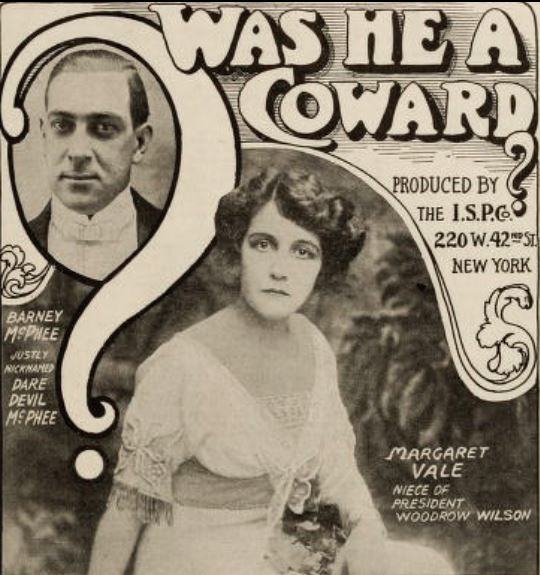
In the annals of early cinema, few narratives confront the human spirit's intricate dance between redemption and perceived weakness with the raw intensity of "Was He a Coward?" This compelling silent film from the nascent days of storytelling on celluloid doesn't merely present a plot; it unfurls a profound philosophical query, daring its audience to grapple with the very essence of virtue, sacrifice, and the societal constructs that often define them. At its core, it’s a searing examination of one man's arduous odyssey from societal outcast to a figure of profound moral complexity, leaving us to ponder whether his ultimate act was one of supreme selflessness or, as the title provocatively suggests, an evasion of true courage.
The narrative opens with a poignant rupture: young Barney Crawford, portrayed with a compelling blend of youthful recklessness and underlying vulnerability by Barney McPhee, is summarily cast out from the opulent embrace of his family home. His father, Mr. Crawford, a man beleaguered by the relentless tide of his son's financial indiscretions, delivers a paternal decree born of exasperation, not malice. This expulsion isn't merely a geographic displacement; it's a symbolic severing, a plunge into the unforgiving currents of a world Barney is ill-equipped to navigate. Bereft of familial anchor, he drifts, his nascent career path quickly devolving into a tempestuous maelstrom of dubious choices. It is a descent into the shadowy underbelly of society, a stark contrast to the gilded cage he once inhabited. His inevitable entanglement with the law, apprehended for the ignominious act of pocket picking, underscores the precipitous nature of his fall. Confined within the sterile confines of a jail cell, Barney's spirit, though momentarily crushed, is not extinguished. Indeed, his subsequent spectacular escape is not merely an act of defiance against incarceration; it's a desperate, almost primal, reassertion of agency, a refusal to be permanently defined by his past transgressions. This early segment echoes the grim realities explored in films like Les Misérables, Part 1: Jean Valjean, where a protagonist's initial brush with the law irrevocably alters their destiny, setting them on a lifelong quest for redemption against the backdrop of an unforgiving social order.
Freed from his literal shackles, Barney gravitates back to the familiar, yet perilous, urban landscape of his old haunts. It is within the exotic, bustling confines of a Chinatown resort, a setting often imbued with a sense of both danger and opportunity in early cinema, that destiny—or perhaps serendipity—intervenes. He stumbles upon a harrowing scene: Lois Jordan, the pampered and privileged daughter of a millionaire mining magnate, sightseeing with her coterie of friends, is being accosted by robbers. In a visceral, unthinking surge of protective instinct, Barney intercedes. This isn't a calculated move; it's a raw, spontaneous act of heroism that transcends his recent criminal past. In the ensuing fracas, a bullet finds its mark, felling Barney. This moment is pivotal, a crucible where his old self begins to burn away, replaced by the nascent embers of a new identity. The image of a protagonist sacrificing himself for a damsel in distress is a timeless trope, one that finds its exaggerated, thrilling echoes in serials like The Perils of Pauline, though here, the stakes feel more grounded, the heroism more accidental and human. Mr. Jordan, Lois's father, a man of considerable influence and, crucially, compassion, ensures Barney receives the best medical care. During his confinement, a delicate, yet profound, connection begins to forge between Lois, brought to life with a captivating blend of innocence and burgeoning strength by Margaret Vale, and her unlikely rescuer. Her frequent visits are not born of mere obligation but a burgeoning curiosity, a recognition of the inherent goodness beneath Barney’s rough exterior. It is within these hushed hospital corridors that Barney resolves to turn over a new leaf, to shed the ignominious skin of his past and embrace an honorable existence. Upon his recovery, he departs, leaving no trace, a silent testament to his commitment to self-reinvention.
Barney's fervent desire for an honest life, however, clashes head-on with the harsh realities of societal judgment. His past, an invisible yet formidable albatross, prevents him from securing legitimate employment. Despondency, a heavy cloak, settles upon him as he meanders aimlessly, his steps leading him to the Marble Hill Bridge. This setting, a liminal space suspended between earth and water, mirrors Barney's own precarious position, hovering between despair and a fleeting hope. It is here, amidst his darkest reflections, that fate, once again, thrusts him into a heroic role. He witnesses a woman plunge into the churning waters below. Without hesitation, Barney plunges after her, a spontaneous act of bravery that reasserts his inherent goodness. His rescue of the struggling woman is a powerful visual metaphor for his own struggle for redemption, a symbolic cleansing in the river of life. Among the scattered spectators who witness this daring act are, remarkably, Lois and her father. Their cordial greeting is more than mere politeness; it is an affirmation, a recognition of the man Barney truly is, stripped of his past’s ignominy. Invited into their home, Barney is not merely offered shelter but a tangible opportunity: Mr. Jordan, impressed by his character and courage, grants him a position in his office. This turn of events, while seemingly a convenient plot device, speaks to the film's underlying belief in second chances, a theme explored in other narratives of the era, such as It Is Never Too Late to Mend. The friendship between Lois and Barney, nurtured through shared experience and mutual respect, blossoms into a profound love, a beacon of hope illuminating Barney's arduous journey.
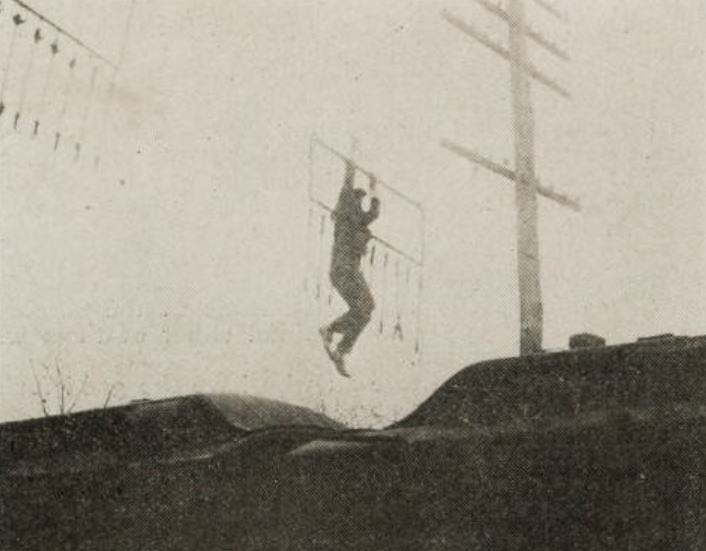
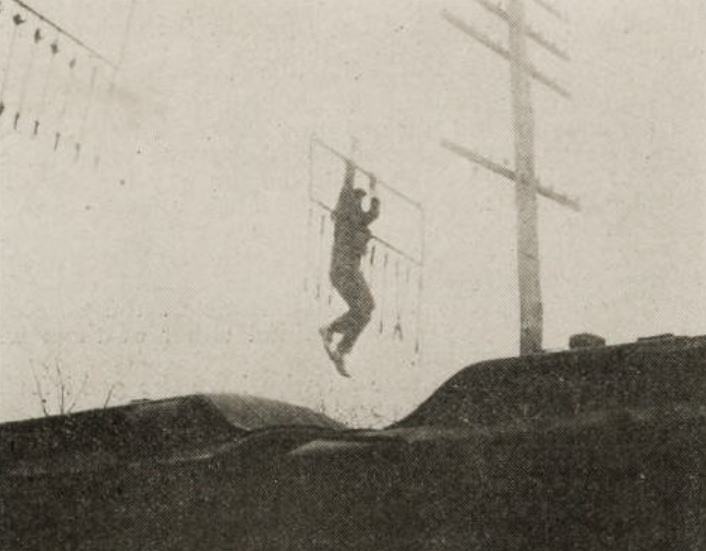
Yet, no redemption narrative is complete without its trials. Into this burgeoning idyll steps Storms, a clerk within the very same office, whose character is etched with the corrosive traits of an inveterate gambler. Storms, a figure of insidious avarice, systematically taps the safe, siphoning funds for his own illicit pursuits. When Mr. Jordan uncovers the grievous losses, Storms, with a cowardice that contrasts sharply with Barney's instinctive bravery, cunningly deflects blame onto Barney. The accusation, a cruel twist of fate, is vehemently denied by Barney, but the seeds of doubt are sown. The subsequent arrival of a detective, a figure of immutable justice, sends a jolt of terror through Barney. He recognizes the officer as the very man who had arrested him before, a specter from his criminal past materializing to shatter his hard-won present. In a desperate, impulsive act, Barney leaps from the window, a flight that, while driven by terror, ironically serves to confirm his perceived guilt in the eyes of the law. He is captured, his brief taste of freedom and respect brutally snatched away, and taken back to the Jordan home, a place that once offered sanctuary now serving as a site of his renewed disgrace. This sequence masterfully builds tension, demonstrating how easily a past transgression, even when overcome, can be weaponized against an individual striving for a better life. The cruel irony of being framed by a true criminal, only to have one’s own past confirm the false accusation, is a narrative device that resonates deeply, exploring themes of reputation and the indelible mark of prior misdeeds.
In a dramatic turn, the truth, often elusive, begins to surface. Storms, on the precipice of impending death, his conscience perhaps stirred by the grim reaper's approach, confesses his guilt. It is a moment of profound revelation, vindicating Barney completely. Mr. Jordan, gleefully armed with this confession, informs the detective, confident that Barney's innocence will now secure his immediate release. However, the wheels of justice, once set in motion, often grind with an unyielding logic that transcends individual circumstance. The officer, bound by the letter of the law, delivers a crushing blow: Barney is an escaped convict and must serve his original term. This legalistic inflexibility highlights the rigid societal structures of the era, where a past crime, even when atoned for, can cast an insurmountable shadow. The scene is a masterclass in dramatic irony, where truth and justice diverge. Yet, amidst this crushing setback, Lois's character shines with an incandescent loyalty. She remains steadfastly true, her devotion an unwavering anchor in Barney's storm-tossed world. Her unwavering belief in him, despite the renewed societal condemnation, elevates her beyond a mere romantic interest, transforming her into a symbol of unconditional love. Barney is remanded to prison, and Lois, in a cruel twist, is ordered to forget him, a command she clearly cannot, and will not, obey. During his incarceration, a profound reconciliation occurs. His father and mother, perhaps having witnessed his arduous journey and the depth of his transformation, visit him, extending the long-awaited balm of forgiveness. This familial absolution is a powerful moment, signifying a personal redemption that even legal strictures cannot diminish. Eventually, through circumstances left somewhat ambiguous but implying a recognition of his changed character and the truth of Storms's confession, Barney is pardoned, granted a second, legitimate chance at freedom.
Upon regaining his liberty, Barney's first, instinctual act is to seek out Lois. Their reunion is a tender, poignant embrace, a moment of solace after years of separation and hardship. But their fragile happiness is brutally interrupted by Mr. Jordan, who, despite Barney's pardon and his daughter's profound affection, remains unyielding. He bids Barney to leave his house, a devastating rejection that underscores the deep-seated societal prejudice against those with a criminal past, regardless of their transformation. This moment is crucial, as it forces Barney into a profound internal conflict. As he departs, sadness heavy in his heart, he enters a period of deep introspection. He grapples with the immense sacrifice Lois would make by choosing to be with him – a discredited outcast, a social pariah in the eyes of the world. His moral compass, now finely tuned by years of struggle and self-reflection, asserts itself. He realizes the profound iniquity of urging her to abandon her comfortable, respected life for his uncertain, socially stigmatized existence. This isn't just about love; it's about the very definition of love and responsibility. Is true love selfish, demanding sacrifice, or is it altruistic, prioritizing the beloved's well-being above one's own desires? This dilemma resonates with the complex moral choices faced by characters in films like The Eternal Law, where personal desires often clash with a higher, immutable ethical code.
The tension escalates with the arrival of a note from Lois, a desperate plea for him to come to her immediately, reaffirming her love and her unwavering desire to go with him, to face any future by his side. She is waiting, resolute, ready to forsake everything. This moment is the narrative's climax, the ultimate test of Barney's character. His inner conscience, now fully asserted, rises to meet the challenge. He professes himself unworthy of her, a declaration born not of self-pity, but of a profound, agonizing recognition of the societal burdens he carries. Against her fervent pleadings, her heartbroken sobs, he departs. It is an act of profound, almost unbearable, self-abnegation. The final image of Lois, weeping bitterly, and Barney, walking away, is etched with an unforgettable pathos. The film ends on this ambiguous, challenging note, leaving the audience with the titular question hanging in the air: Was this the act of a coward? Or was it, conversely, the ultimate act of love, a sacrifice of personal happiness for the greater good of the beloved, a profound demonstration of courage in the face of overwhelming desire?
"Was He a Coward?" transcends its early cinematic origins to pose a question that remains profoundly relevant. The film masterfully explores the multifaceted nature of courage. Is it the bravery of preventing a robbery, diving into icy waters, or escaping prison? Or is it the less outwardly dramatic, yet far more agonizing, courage to deny one's deepest desires for the perceived welfare of another? Barney McPhee's portrayal of Barney is critical to the film's success. He imbues the character with a palpable internal struggle, allowing the audience to witness his transformation from a wayward youth to a man wrestling with profound ethical dilemmas. His silent anguish in the final scenes is particularly impactful, conveying a depth of emotion that transcends the lack of spoken dialogue. Margaret Vale, as Lois, offers a performance of equally compelling conviction, her steadfast love and eventual heartbreak providing the emotional core against which Barney's choices are measured. Her willingness to defy societal norms for love makes her a proto-feminist figure in her own right, reminiscent perhaps of the resilient spirit seen in characters from films like A Militant Suffragette, though her rebellion is one of the heart rather than politics.
The film’s power lies in its refusal to offer easy answers. It challenges the simplistic binary of good and evil, brave and cowardly. Barney’s journey is one of relentless moral evolution, punctuated by moments of both instinctual heroism and profound, calculated self-sacrifice. His initial fall from grace, his acts of heroism, his struggles against an unforgiving society, and his ultimate decision all contribute to a portrait of a man attempting to navigate a world that judges harshly and offers little quarter. The final act, in particular, forces us to confront our own definitions of love and sacrifice. Is Barney a coward for not seizing happiness with Lois, for not fighting for their love against societal condemnation? Or is he a man of immense courage, willing to bear the burden of loneliness to spare the woman he loves a life of hardship and social ostracism? This ambiguity is the film's greatest strength, elevating it from a simple melodrama to a potent, enduring moral fable. It compels us to look beyond superficial acts of bravery and delve into the complex, often contradictory, motivations that drive human behavior. In its stark, silent contemplation of this dilemma, "Was He a Coward?" remains a truly thought-provoking cinematic experience, a testament to the enduring power of early filmmaking to explore the deepest recesses of the human heart.
IMDb —
1920
Community
Log in to comment.