DbcultAccessing Vault...
Cult Review
Senior Film Conservator
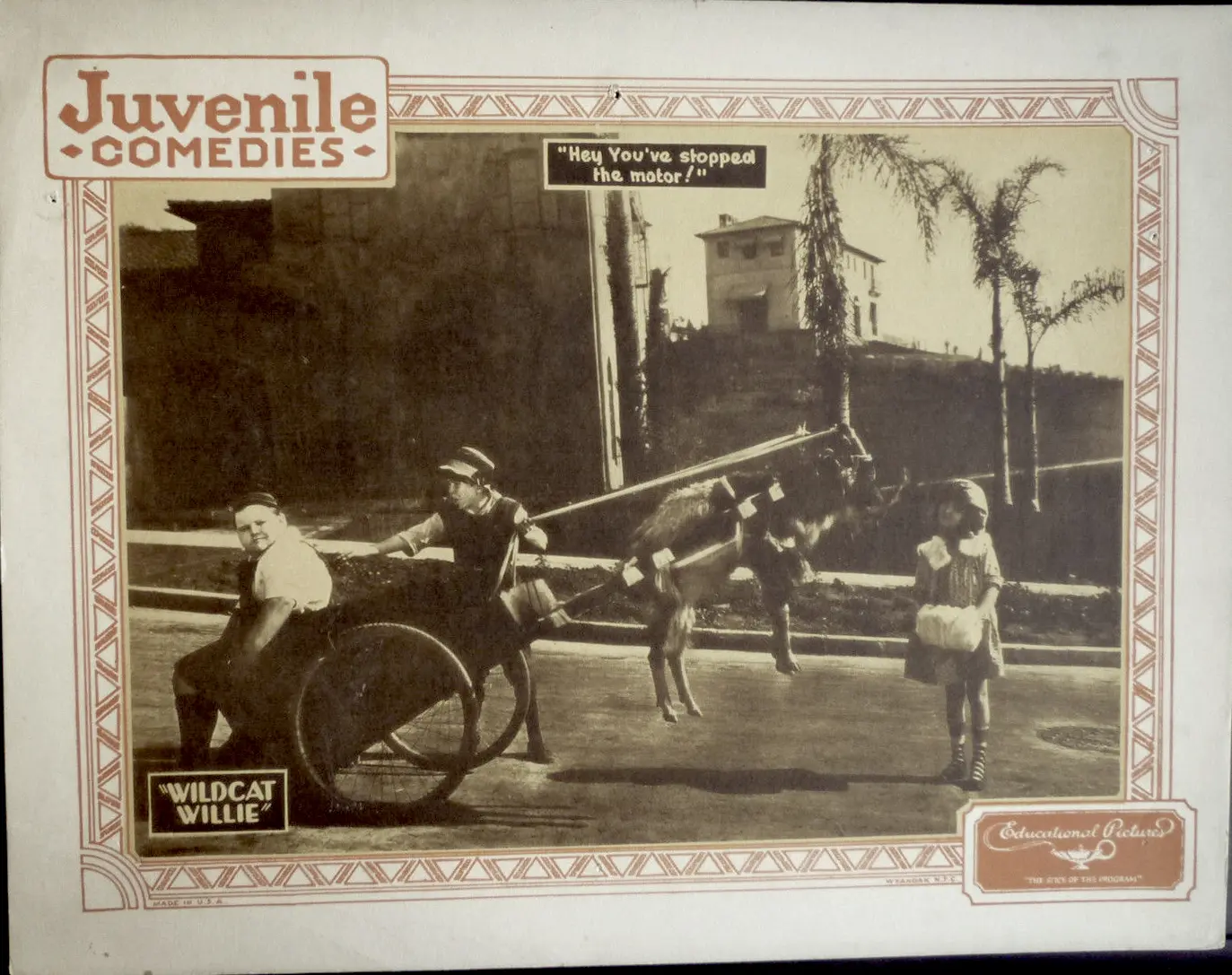
Is Wildcat Willie worth watching in an era saturated with high-octane blockbusters and complex narratives? Short answer: yes, but with significant caveats. This early cinematic offering is a charming, if simplistic, window into a bygone era of filmmaking and storytelling, making it a compelling watch for film historians and those with a deep appreciation for the foundational elements of cinema.
However, it is decidedly not for viewers seeking modern pacing, sophisticated plot twists, or cutting-edge visual effects. This is a film for the patient, the nostalgic, and anyone curious about the roots of the 'mischievous child' archetype in popular culture.
This film works because it captures a raw, unadulterated innocence rarely seen today, delivered by a cast of genuinely engaging child actors. It fails because its narrative simplicity and dated production values may test the patience of contemporary audiences. You should watch it if you appreciate historical cinema, charming performances from young stars, and a straightforward, feel-good story about childhood adventure.
Wildcat Willie, a film whose very title evokes a sense of untamed youth, delivers precisely what it promises: a spirited, if somewhat idealized, portrayal of childhood in a simpler time. The film centers on Willie, brought to life with an infectious, unforced energy by Ben Alexander, whose performance anchors the entire production. Alexander isn't merely acting; he embodies the spirit of a boy perpetually on the cusp of adventure, his eyes gleaming with a mixture of curiosity and defiance. This isn't a complex character study, but rather a celebration of a particular archetype: the good-hearted troublemaker whose intentions, while often leading to chaos, are always pure.

The plot, as it exists, is a series of escalating minor incidents, culminating in Willie's determination to save a beloved stray dog, Pal, from the clutches of the town's no-nonsense dogcatcher. This narrative thread, while thin, serves as a perfect vehicle for Willie's antics and allows the film to explore themes of loyalty, community, and the often-overlooked wisdom of children. It’s a classic setup that resonates with a timeless appeal, even if its execution feels undeniably of its era.
What truly elevates Wildcat Willie beyond a mere historical curiosity is its unwavering focus on the sheer joy and unbridled imagination of youth. The film doesn't condescend to its young protagonists; instead, it revels in their perspective, making their small-town dilemmas feel as grand and significant as any adult crisis. This perspective is a refreshing antidote to the often cynical or overly complex narratives prevalent in much of today's cinema.
The ensemble of young actors in Wildcat Willie is, without question, the film's strongest asset. Ben Alexander, as the eponymous Willie, leads with a natural charisma that is impossible to ignore. His expressions, from mischievous grins to moments of genuine concern for Pal, are remarkably genuine. He avoids the saccharine overacting that often plagues child performances, instead delivering a nuanced portrayal that feels authentic.
Tommy Hicks and Johnny Downs, playing Willie's loyal sidekicks, are equally commendable. Their chemistry with Alexander is palpable, creating a believable dynamic of childhood friendship. One particularly memorable sequence involves the trio attempting to 'liberate' Pal from the dogcatcher's wagon, a scene that relies heavily on their synchronized comedic timing and physical slapstick. Their wide-eyed determination and shared conspiratorial glances are a delight, demonstrating a collective talent that transcends the film's simple script.
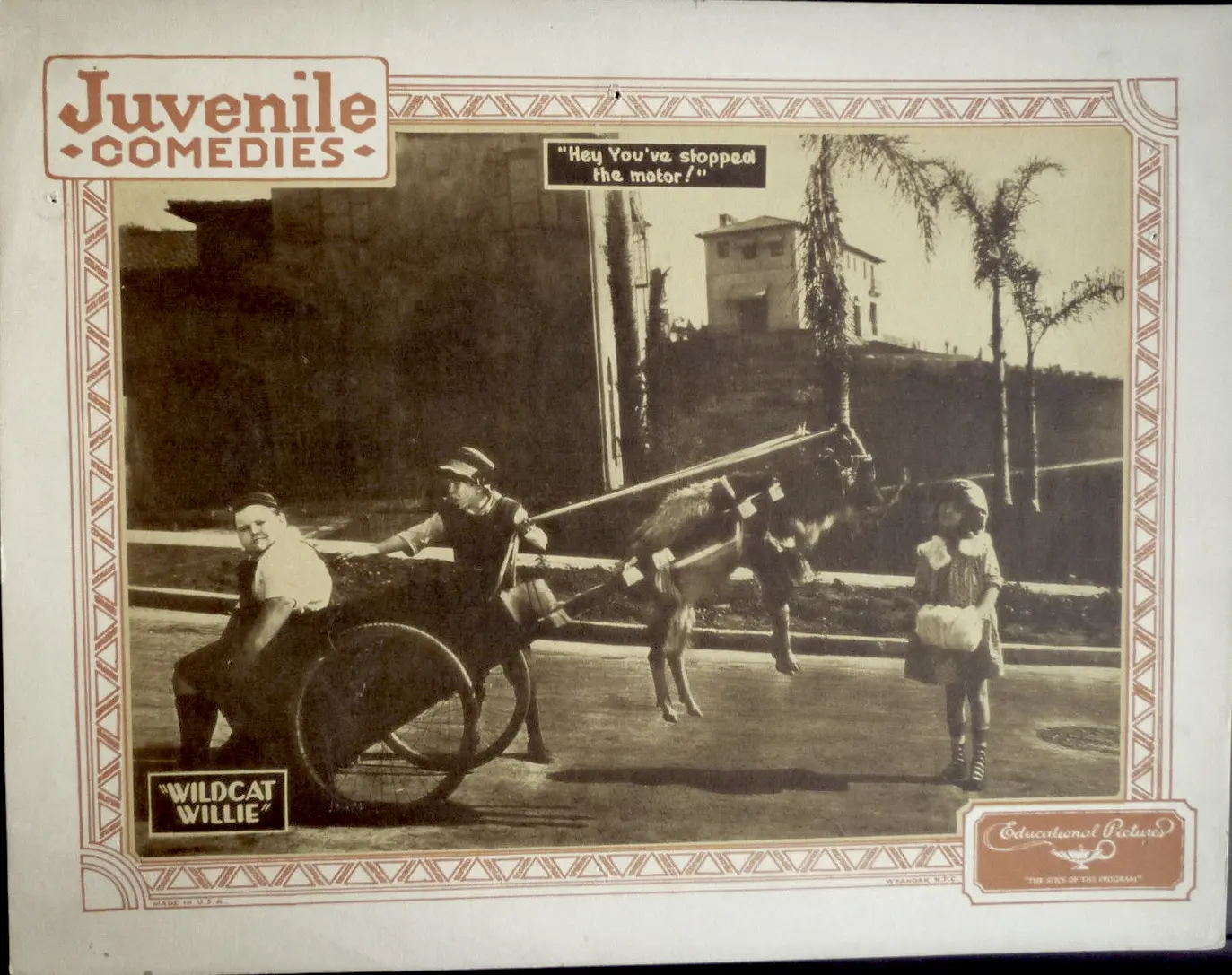
Even the adult cast, though secondary, plays their roles with conviction. The stern dogcatcher, portrayed by an uncredited actor, manages to be both a formidable antagonist and a figure of gentle comedy, never veering into outright villainy. This balance ensures that the film maintains its lighthearted tone, even in moments of perceived tension. Josephine Adair, in her brief appearances, adds a touch of maternal warmth, grounding the boisterous energy of the boys.
The film's success rests squarely on the shoulders of these young performers. They inject the narrative with life, humor, and a genuine emotional core that would otherwise be lacking. Their unpolished charm is a stark reminder of the power of natural talent, unburdened by the demands of modern method acting. It works. But it’s flawed.
The directorial choices in Wildcat Willie are straightforward, prioritizing clear storytelling over stylistic flourishes. The director, whose name is unfortunately lost to time, understood the inherent appeal of their young cast and wisely allowed their performances to drive the narrative. The camera often lingers on the children's faces, capturing their reactions and expressions, which speaks volumes more than any elaborate dialogue could.
The pacing is leisurely, a stark contrast to today's rapid-fire editing. This slower rhythm allows the audience to immerse themselves in the idyllic small-town setting and the unhurried pace of childhood. While some might find it ponderous, it effectively builds a sense of nostalgic calm. Consider the scene where Willie and his friends are strategizing in their treehouse; the long takes and minimal cuts emphasize the importance of their youthful planning, making their small schemes feel significant.
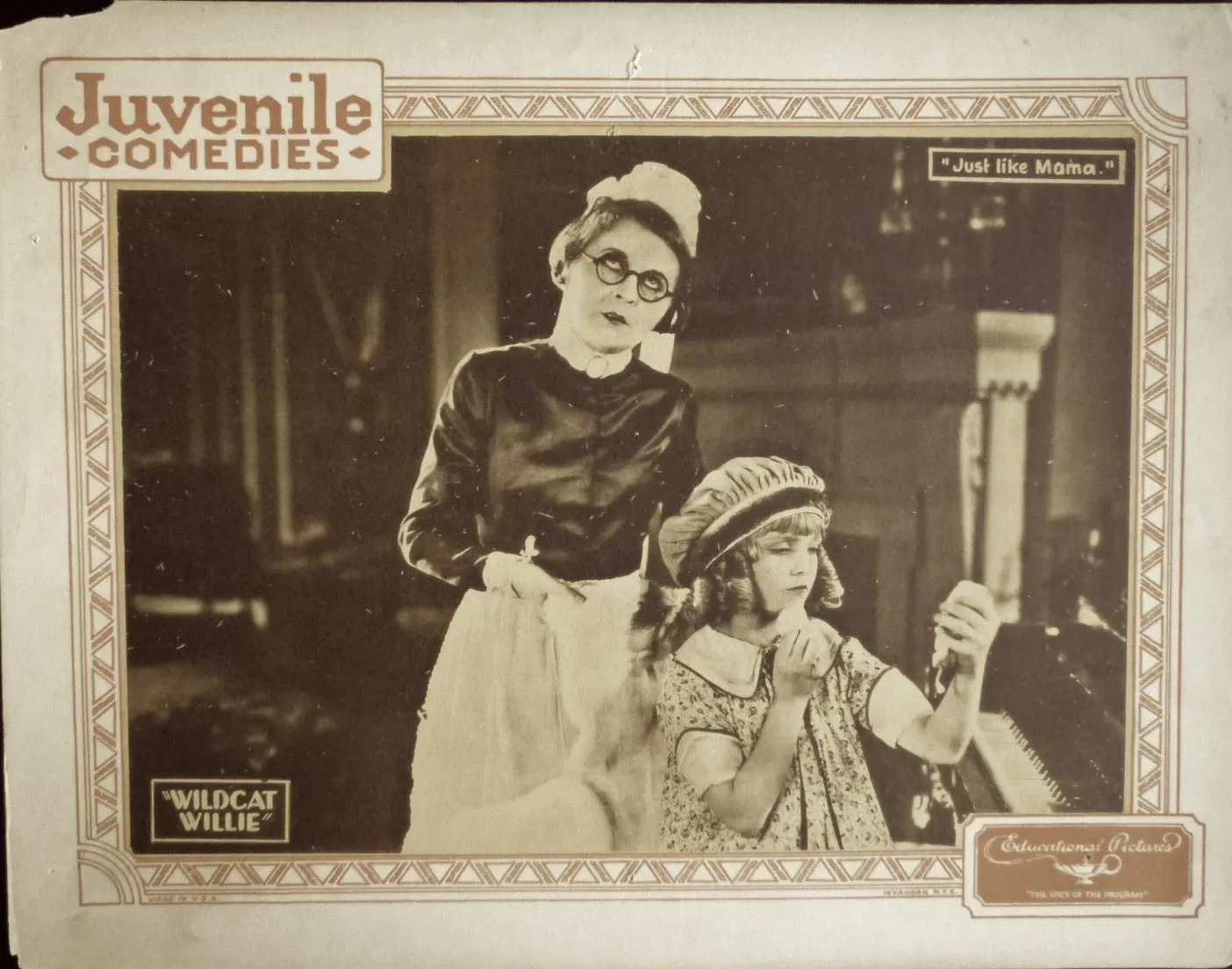
Cinematography, while not groundbreaking, is functional and often charming. The outdoor scenes, likely shot on location, capture the bucolic beauty of Willow Creek with a simple elegance. The use of natural light, particularly in the exterior shots, lends an authenticity to the setting. There's a particular shot of Willie silhouetted against a sunset, chasing Pal through a field, that, despite its technical simplicity, evokes a powerful sense of freedom and adventure. It’s a testament to how much can be conveyed with careful framing and a good understanding of light, even without complex equipment.
The film's visual language is unpretentious, serving the story rather than overshadowing it. This approach, while perhaps not earning accolades for innovation, ensures that the audience's focus remains squarely on the characters and their delightful escapades.
The pacing of Wildcat Willie is best described as a gentle meander. It reflects a time when films weren't pressured to constantly shock or surprise. The narrative unfolds at a comfortable, almost languid, pace, mirroring the unhurried rhythm of childhood itself. There are no sudden plot twists or high-stakes cliffhangers; instead, the film relies on the cumulative effect of small, charming moments.
This deliberate slowness might be a stumbling block for some modern viewers accustomed to instant gratification. However, for those willing to adjust their expectations, it offers a surprisingly meditative experience. It allows for a deeper appreciation of the subtle interactions between characters and the simple beauty of the setting. The sequence where Willie tries to outsmart the dogcatcher, for instance, isn't a frantic chase but a series of clever, drawn-out maneuvers, each building on the last with a comedic grace.
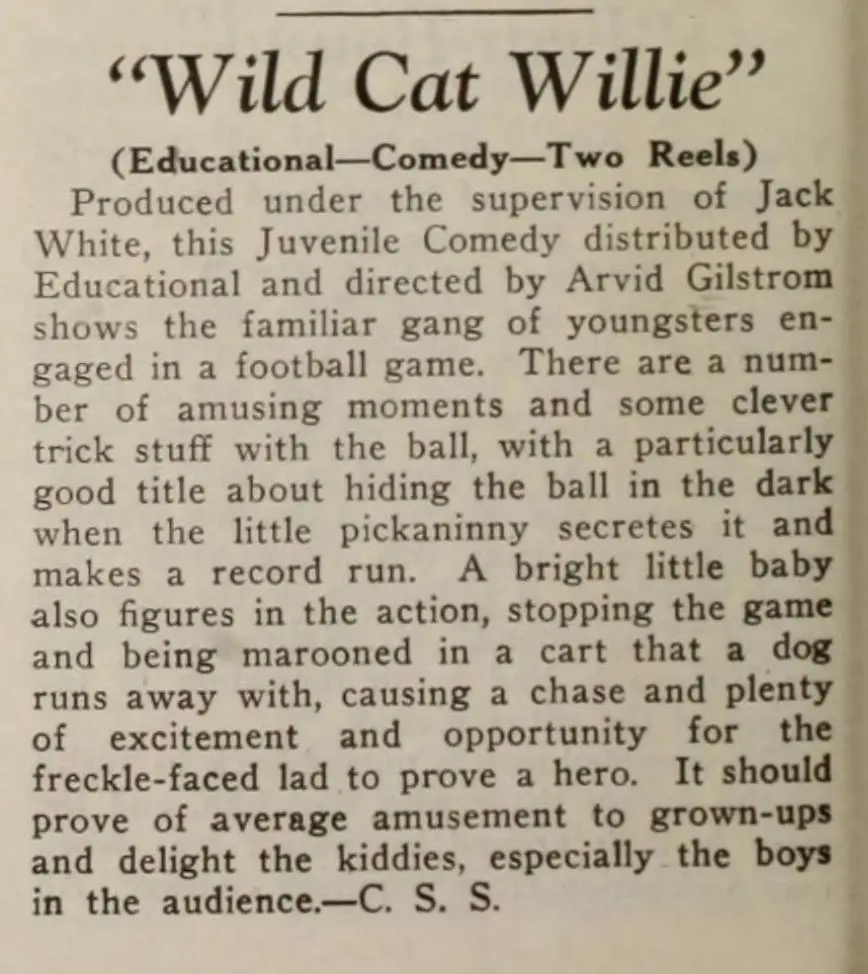
The tone is overwhelmingly lighthearted and optimistic. Even when Willie faces minor setbacks, there's an underlying assurance that everything will work out. This unwavering positivity is one of the film's most endearing qualities. It instills a sense of warmth and comfort, making it a genuinely feel-good experience. The film, despite its age, manages to avoid becoming saccharine, largely due to the genuine mischief and spirited nature of its young protagonist.
Wildcat Willie, beneath its surface of youthful escapades, touches upon surprisingly poignant themes. The most prominent is the celebration of childhood innocence and autonomy. Willie, in his relentless pursuit of justice for Pal, represents the child's innate sense of fairness, often unburdened by the complexities and compromises of the adult world. His actions, while technically rebellious, are driven by a moral compass that feels purer than that of the rule-bound adults.
The film also subtly explores the tension between individual freedom and community expectations. Willie's 'wildcat' nature constantly clashes with the established order of Willow Creek. Yet, the film never paints him as a true delinquent. Instead, it argues for the value of a spirited, independent mind, suggesting that sometimes, challenging the rules can lead to a greater good. This unconventional observation—that youthful disobedience, when rooted in good intent, can be a force for positive change—is a surprisingly progressive message for its time.
Another notable theme is the power of friendship. Willie, Tommy, and Johnny's bond is unbreakable, demonstrating the strength and solace found in shared adventures. Their collective efforts to save Pal highlight the importance of solidarity and mutual support. This timeless theme ensures that the film, despite its dated aesthetics, retains a universal appeal. It reminds us of the enduring power of simple human connections.
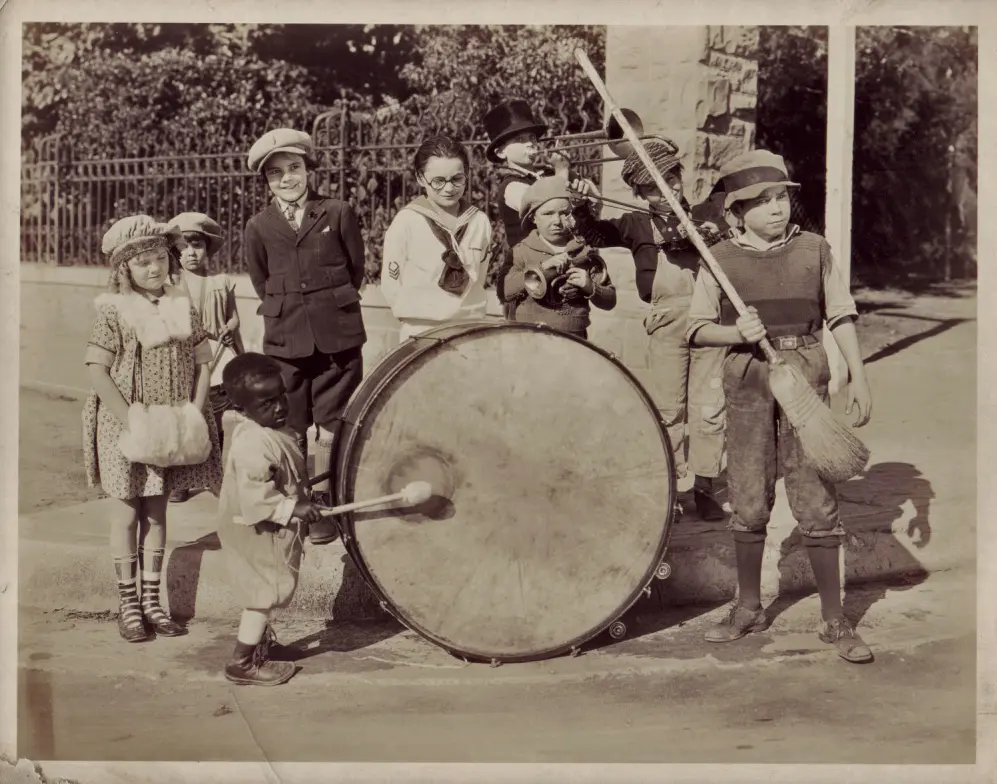
For those who appreciate early cinema, Wildcat Willie is indeed a hidden gem. It offers a charming narrative, authentic performances, and a delightful glimpse into a simpler time. Its historical significance, combined with its genuine warmth, makes it a rewarding watch for niche audiences.
It might not have the grand scale of Evangeline or the dramatic tension of Kindred of the Dust, but its unassuming charm carves out its own unique space. It’s a film that asks for patience and rewards it with a smile.
Pros:
- Authentic, charming child performances
- Nostalgic portrayal of idyllic small-town life
- Timeless themes of friendship and youthful spirit
- Gentle, optimistic tone
- Historical value as an early example of children's cinema
Cons:
- Very slow pacing by modern standards
- Minimalist plot with little dramatic tension
- Dated production quality (expected for its era, but still a 'con' for general audience appeal)
- Lack of character depth for supporting roles
- May feel overly simplistic for some viewers
Wildcat Willie is a delightful, if unassuming, journey back to a simpler time in both filmmaking and childhood. It's a film that doesn't demand much, but generously offers a warm, nostalgic embrace. While it won't resonate with every viewer, its genuine charm and the effervescent performances of its young cast make it a worthwhile watch for those with an appreciation for cinema's early days and a soft spot for stories of youthful adventure. It’s not a masterpiece, but it’s an honest, endearing piece of history. Give it a chance, and you might just find yourself smiling at Willie's untamed spirit.
IMDb —
1920
Community
Log in to comment.