DbcultAccessing Vault...
Cult Review
Senior Film Conservator
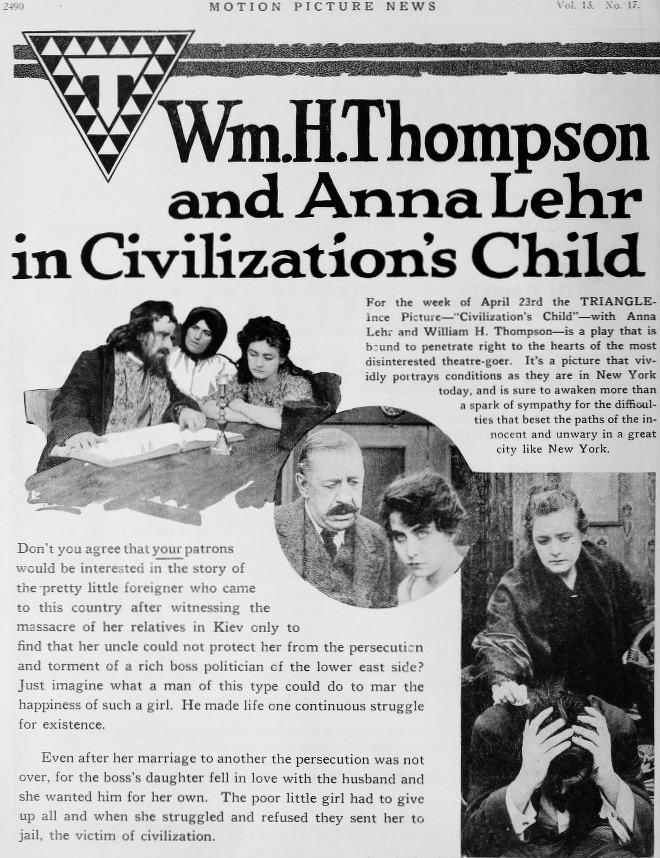
From the very first frames, Civilization's Child establishes itself not merely as a narrative, but as a profound, almost primal scream against the relentless grinding wheels of fate and the crushing weight of societal indifference. It's a film that eschews gentle exposition, instead opting for a visceral, often brutal, portrayal of a woman's descent from idyllic innocence into the darkest chasms of human suffering and, ultimately, a desperate, tragic act of retribution. Dorothy Dalton, in a performance that must have seared itself into the collective consciousness of early 20th-century audiences, embodies Berna with a raw vulnerability that transforms into an incandescent fury, a testament to the silent era's unparalleled ability to convey complex emotion through gesture and gaze.
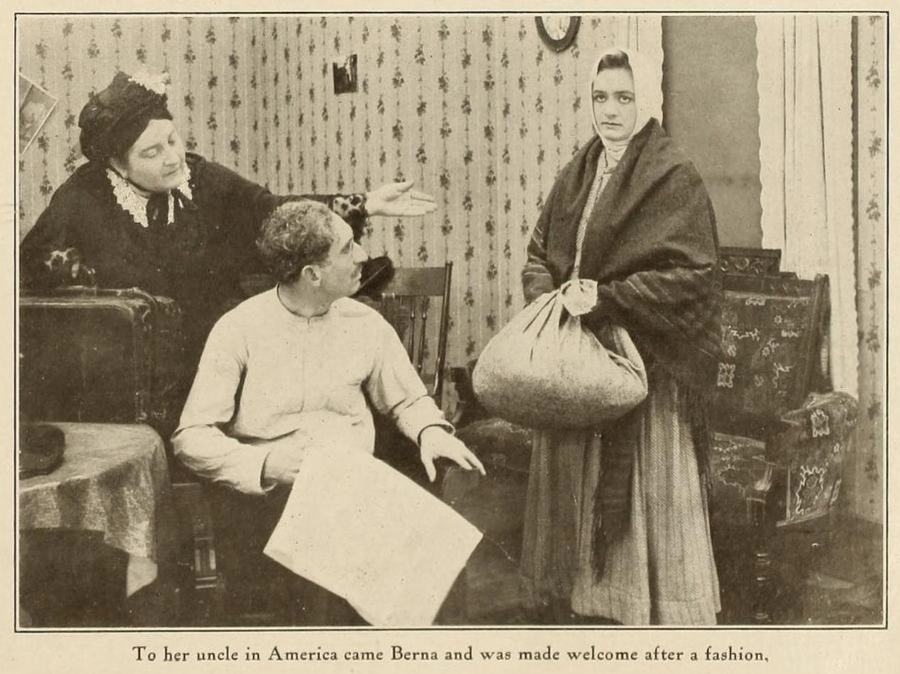
The film opens with Berna ensconced in what can only be described as a pastoral Eden, high in the Russian mountains. This initial depiction of purity and harmony is crucial, establishing a baseline of natural grace that makes the subsequent defilement of her world all the more jarring. Her forced relocation to Kiev's Jewish quarter is the first domino in a catastrophic chain of events. The sudden, brutal eruption of Cossack violence, a massacre that decimates her newfound community, serves as a chilling, prescient mirror to the historical atrocities that would continue to plague the century. It's a sequence that, even without spoken dialogue, conveys a horrifying sense of chaos and injustice, leaving an indelible mark on both Berna and the viewer. This abrupt transition from natural splendor to urban horror immediately positions Berna as a symbolic figure, a child of the wilderness violently cast into the cruel machinations of 'civilization,' much like the protagonists in tales that explore the clash between untamed spirit and structured society.
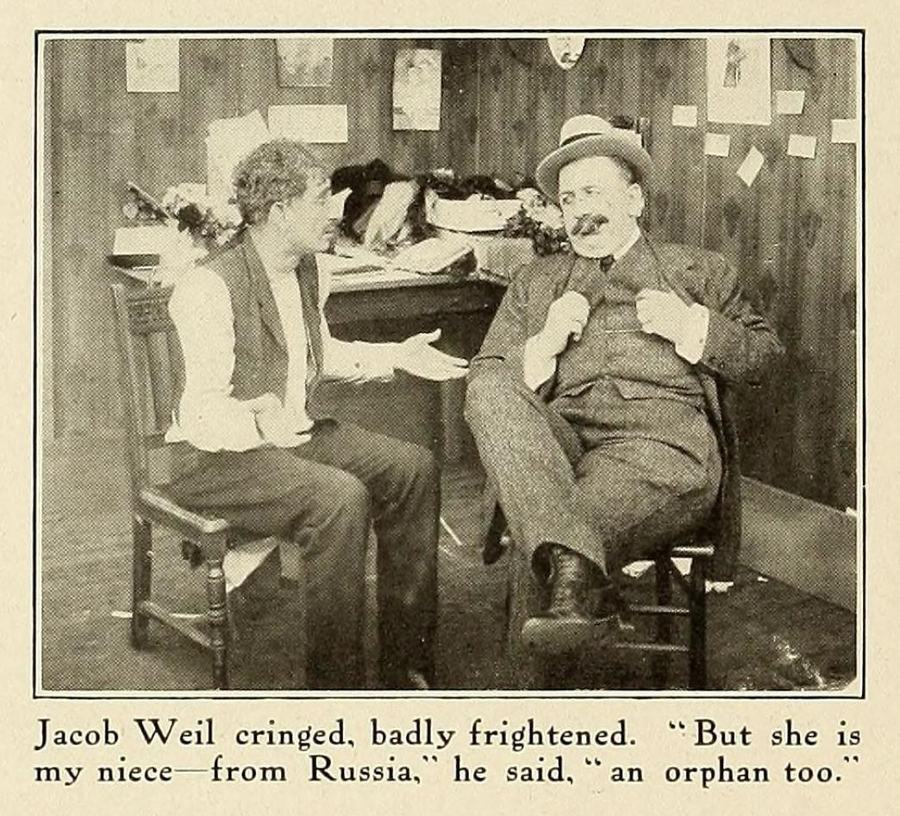
Berna's flight to New York, ostensibly a haven of opportunity, quickly devolves into another form of captivity. The sweatshop, a grimy monument to industrial exploitation, becomes her new prison. Here, the film offers a scathing indictment of the immigrant experience, particularly for women, who often found themselves at the mercy of unscrupulous employers. The relentless drudgery, the meager wages, and the utter lack of dignity paint a bleak picture of the underbelly of America's burgeoning industrial might. It's a narrative thread that resonates deeply with the social consciousness of the era, exploring themes of labor rights and the desperate struggle for survival in a burgeoning, yet often heartless, urban landscape. The film's unflinching gaze at these conditions is a testament to C. Gardner Sullivan's courage as a writer, refusing to sugarcoat the harsh realities faced by the most vulnerable.
Enter Boss Jim McManus, portrayed with chilling effectiveness by J. Barney Sherry. McManus is not merely an antagonist; he is the embodiment of corrupt power, a man who wields his influence with impunity, preying on the desperate. His seduction and subsequent abandonment of Berna are not just personal betrayals; they are symbolic acts of patriarchal oppression, highlighting the pervasive vulnerability of women in a society that offered them little protection or recourse. Berna's fall into prostitution, a direct consequence of McManus's callousness, is depicted with a raw, unsparing honesty that avoids sensationalism, focusing instead on the devastating toll it takes on her spirit. This segment of the film is a powerful, albeit tragic, exploration of the consequences of unchecked male authority and the systemic disenfranchisement of women, reminiscent of the societal critiques found in other dramatic works of the period like The Typhoon, which often delved into the moral complexities and societal pressures faced by individuals caught in the currents of power.

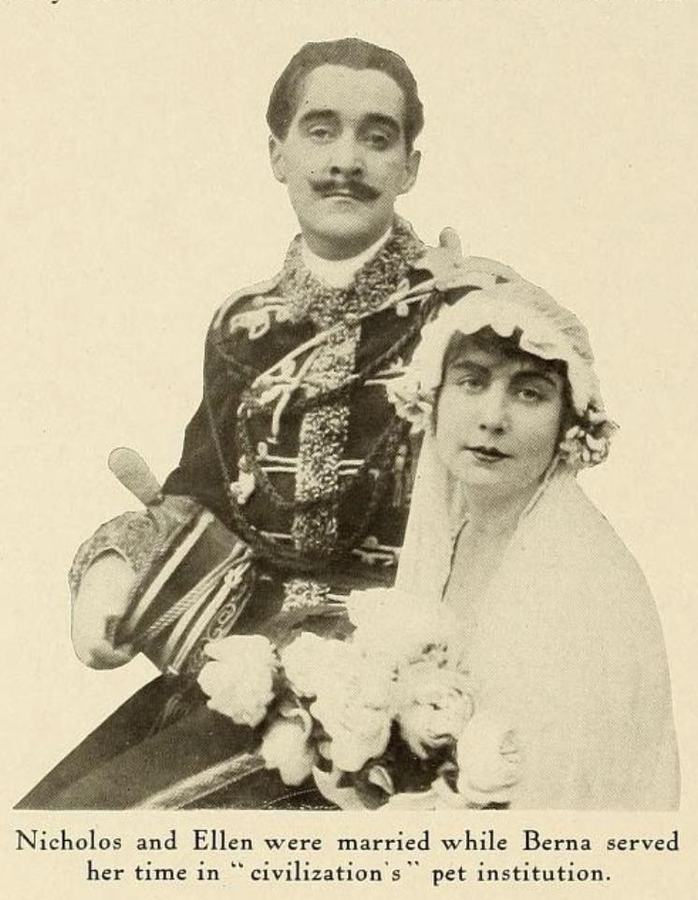
A brief, poignant interlude of happiness arrives with Berna's marriage to Nicolay Turgenev, a young musician, portrayed by Jack Standing. Their union, blessed by the birth of a child, represents a fragile sanctuary from the storm of her past. It's a tender, almost lyrical period in the film, allowing Berna a glimpse of the domestic bliss and emotional security she has so desperately craved. However, this respite is tragically short-lived, for the shadow of McManus looms large. His daughter, Ellen (Anna Lehr), a character who embodies privilege and a certain naive ruthlessness, becomes infatuated with Nicolay after witnessing his performance. Her desire for him sets in motion another devastating chain of events, pulling Nicolay away from Berna and their child, shattering her hard-won peace.
The subsequent legal maneuvering is where the film's critique of systemic injustice reaches its zenith. McManus, now elevated to the august position of a judge, presides over the dissolution of Berna's marriage. This is not merely a divorce; it is a calculated act of cruelty, a perversion of justice, as he grants Nicolay custody of their child. The irony is excruciating: the very man who initiated Berna's suffering now uses the instruments of the law to complete her utter devastation. This sequence is a masterclass in silent film storytelling, with the expressions of Berna – her shock, her despair, her growing madness – conveying a thousand words. It’s a moment that parallels the harrowing legal and social battles for children’s custody and women’s rights seen in other contemporary dramas, highlighting the stark inequalities of the time. The raw emotion evoked here is reminiscent of the intense personal stakes in films like The Master of the House, where domestic power dynamics dictate the fate of individuals.
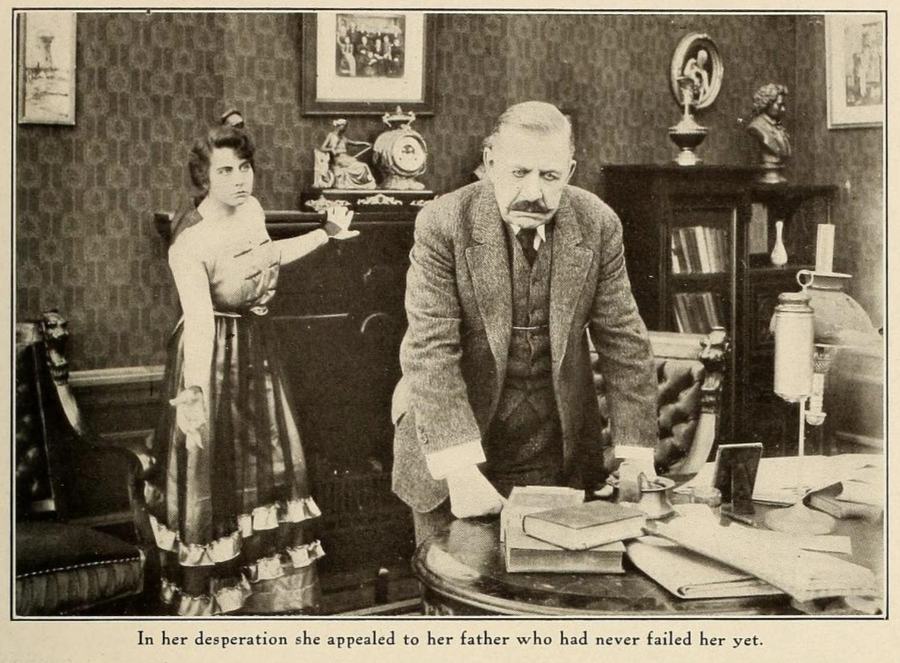
Driven to the brink of insanity, stripped of her love, her child, and her last vestiges of hope, Berna's spirit, once so gentle, hardens into an instrument of vengeance. Her confrontation with McManus is the film's chilling climax. Armed with a gun, she enters his domain not as a supplicant, but as an avenging angel. Her denunciation of him, conveyed through powerful intertitles and Dalton's electrifying performance, is a cathartic release of years of pent-up rage and injustice. The act of killing McManus is not presented as a moment of triumph, but rather as a tragic, inevitable conclusion to a life systematically dismantled by the very forces of 'civilization' it critiques. It leaves the audience with a profound sense of unease, questioning the nature of justice and the societal structures that push individuals to such desperate extremes. The film, in this brutal final act, forces a reconsideration of who the true 'child of civilization' really is – Berna, corrupted by its cruelty, or McManus, the very embodiment of its dark side.
Civilization's Child stands as a powerful example of early cinema's capacity for complex social commentary and profound emotional depth. C. Gardner Sullivan's screenplay is a meticulously crafted descent into the heart of darkness, exploring themes of innocence lost, the immigrant struggle, patriarchal oppression, and the corrosive nature of unchecked power. The performances, particularly Dorothy Dalton's, elevate the material beyond mere melodrama, transforming Berna into an enduring symbol of resilience and tragic defiance. Her journey from the tranquil Russian mountains to the concrete canyons of New York, from unblemished purity to the ultimate act of despair, is a testament to the film's unflinching commitment to depicting the harsh realities of its time.
The film doesn't offer easy answers or neat resolutions; instead, it confronts the audience with uncomfortable truths about the human condition and the failures of societal structures. The portrayal of McManus as both a capitalist exploiter and a corrupt judicial figure is a potent critique of a system that often favors the powerful over the vulnerable. This moral ambiguity, where the 'villain' is not just a person but an entrenched system, gives the film a timeless quality. It’s a narrative that resonates with the struggles depicted in other films that explore the dark underbelly of progress and power, such as Officer 666, which, while a comedy, also playfully subverts expectations of authority, or the more serious explorations of societal impact in Passers By.
The supporting cast, including William H. Thompson and Clyde Benson, contribute to the stark realism of the world Berna inhabits, each playing their part in the intricate tapestry of her downfall and desperate fight for agency. The film's aesthetic, typical of the period, relies heavily on strong visual storytelling, expressive acting, and carefully crafted intertitles to convey its complex narrative and emotional beats. It serves as a reminder of the sheer artistry and communicative power that existed in cinema before the advent of sound, proving that a story's impact is not solely dependent on audible dialogue.
When viewed through a contemporary lens, Civilization's Child remains remarkably potent. Its themes of exploitation, the search for justice, and the devastating consequences of societal indifference are as relevant today as they were over a century ago. It challenges us to look beyond the surface, to question the systems that shape lives, and to consider the cost of 'progress' when it comes at the expense of human dignity. This is not merely a historical artifact; it is a living, breathing testament to the enduring power of dramatic storytelling and a stark, unforgettable reminder of the human spirit's capacity for both immense suffering and fierce, unyielding resistance. It is a film that, much like its protagonist, refuses to be silenced, its echoes reverberating through the annals of cinematic history, demanding to be heard and felt. Like the strong female leads found in Under Two Flags, Berna's journey is a powerful exploration of resilience in the face of overwhelming adversity, a character whose spirit, though battered, never truly breaks until the final, tragic confrontation.
The tragic arc of Berna's life, from the initial shock of the Kiev pogrom to her ultimate, desperate act of violence, is a narrative that transcends its silent film origins. It speaks to universal human experiences: the quest for belonging, the pain of betrayal, and the inherent human drive for justice, even if it must be seized through violent means when all other avenues are closed. The film’s boldness in depicting such a dark, unyielding path for its heroine marks it as a significant work, daring to explore the psychological toll of relentless adversity. It forces us to confront uncomfortable questions about the limits of endurance and the societal responsibility for individual despair. The performances, particularly Dalton's, are so compelling that they bridge the gap of time, allowing modern audiences to connect with Berna's plight on a deeply emotional level. It's a journey into the heart of human resilience and the devastating impact of injustice, a narrative that, even without spoken word, roars with a profound and timeless message.
IMDb 6.3
1918
Community
Log in to comment.