Posing as a ranch hand, Ed Jones attempts to discover the source of the enmity between the local cattle and sheep ranchers. He falls in love with Sally Warner, the daughter of the leading sheepman, and several times rescues her from the unwelcome attentions of Black Pete, an outlaw posing as a sheepman to cover his operations.
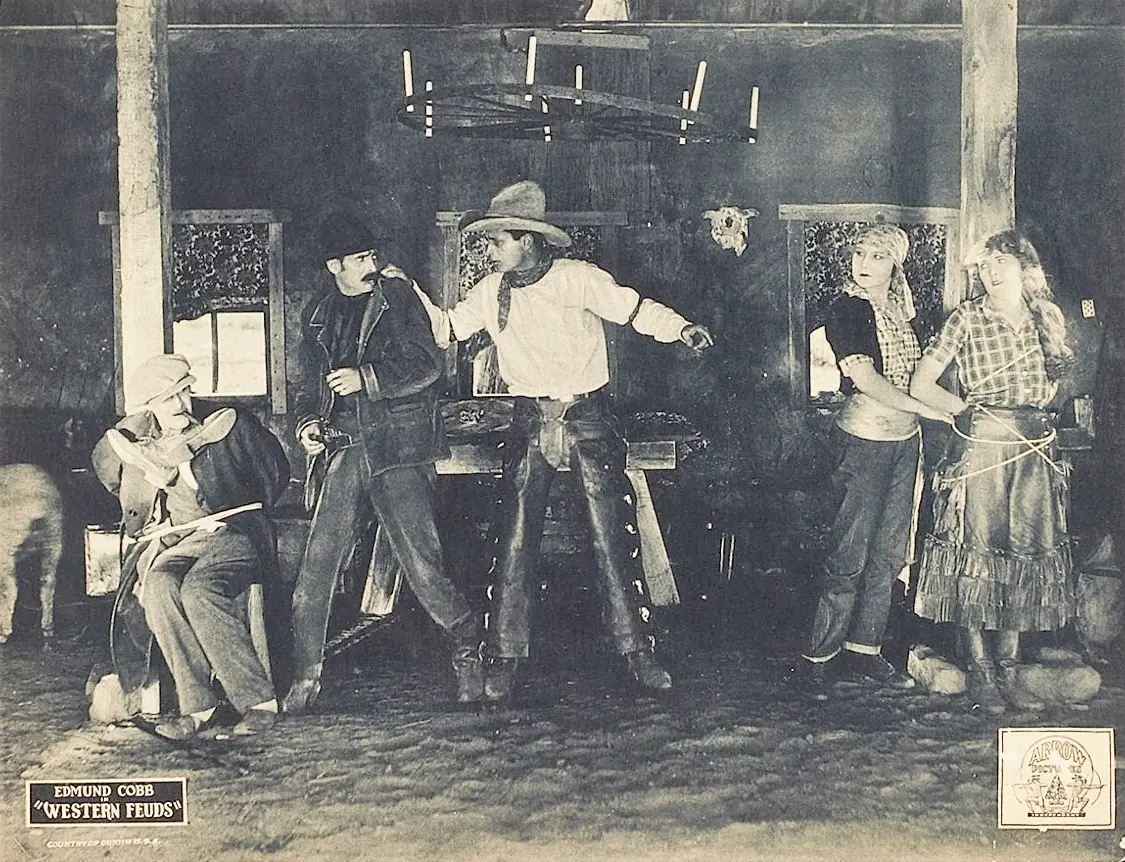
The cinematic landscape of the 1920s was a vibrant tapestry, particularly for the Western genre, which found its stride in the silent era. Amidst this burgeoning field, Western Feuds, released in 1924, emerges not merely as a relic of its time but as a fascinating snapshot of storytelling conventions and ...
Comparing the cinematic DNA and archive impact of two defining moments in cult history.
Francis Ford
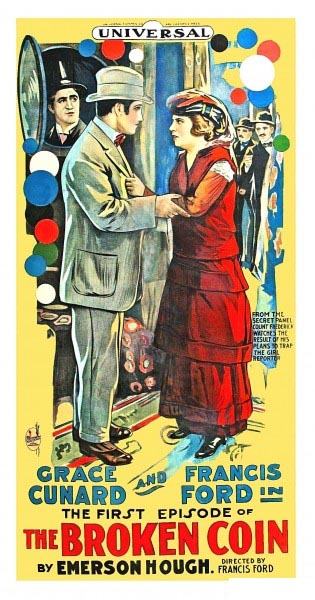
Francis Ford
Community
Log in to comment.
" The cinematic landscape of the 1920s was a vibrant tapestry, particularly for the Western genre, which found its stride in the silent era. Amidst this burgeoning field, Western Feuds, released in 1924, emerges not merely as a relic of its time but as a fascinating snapshot of storytelling conventions and character archetypes that defined early American cinema. Directed by Ashton Dearholt, who also contributed to the screenplay alongside Isabelle Blodgett, this film plunges viewers ..."
Francis Ford
Ashton Dearholt, Isabelle Blodgett
United States
Deep dive into the cult classic
Discover similar cinematic experiences
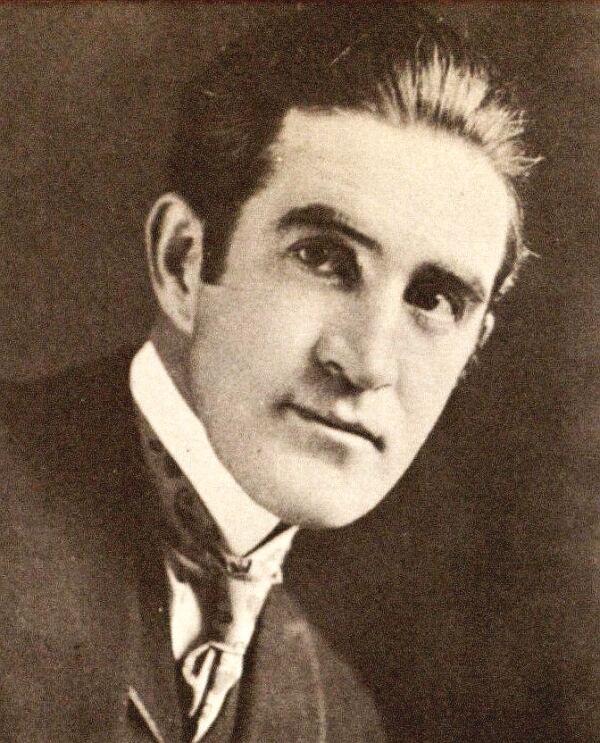
A Directorial Spotlight on Francis Ford