Kit Carson: A Ride Through the Dust, If You've Got the Patience
Okay, let's talk about
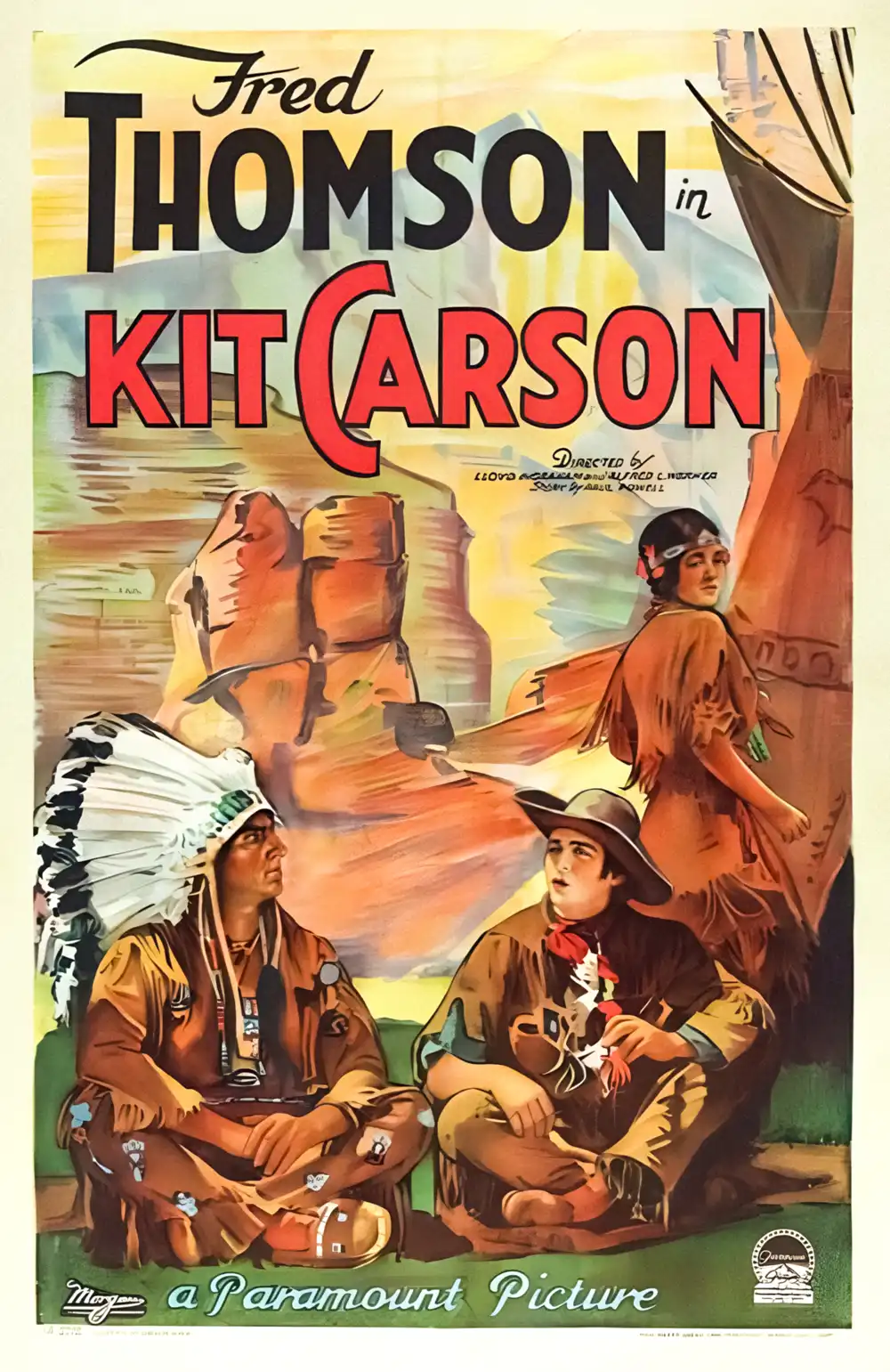
Kit Carson. If you're someone who *lives* for silent Westerns, or if you're really into seeing how American myth-making looked on screen back in '28, then yeah, this might be worth digging up. You'll probably enjoy the sheer earnestness of it all, and Fred Thomson's horsemanship is genuinely something to behold. But if you're just looking for a casual movie night, or if "silent film" usually makes your eyes glaze over, you can probably skip this one. It's a slow burn, and not always in a good way.
The plot is pretty straightforward: Kit Carson (Fred Thomson) is this legendary scout, good with a gun, even better with a horse. He's out there protecting settlers, fighting off "hostile" Native Americans (who, of course, are portrayed as the bad guys without much nuance), and generally just being the hero. There’s a bit of romance, some daring rescues, the whole nine yards for a period Western.
Fred Thomson, bless him, he really *rides* a horse. There’s a moment early on where he just gallops across the screen, dust kicking up, and it’s genuinely impressive. You can tell this guy was a rodeo star. He makes it look effortless. It’s almost balletic, in a dusty, rugged way. That's probably the biggest draw here.
The acting, though... well, it's 1928. A lot of the time, it’s big gestures and wide eyes. Nora Lane, as the romantic interest, does a lot of looking worried or looking adoring. It’s effective enough for the story, but it doesn't exactly build deep character. You almost feel the movie trying to convince you her plight matters with these long, drawn-out reaction shots. One particular close-up of her looking distressed goes on for what feels like an *eternity*, bordering on comical.
There’s a scene where Carson is trying to escape from a group of Native Americans, and the editing gets really frantic. It's meant to be exciting, I guess, but it just feels a little choppy. Like they cut away just before something interesting was about to happen, then cut back *after* it happened. It breaks the flow.
The pacing is a bit of a rollercoaster. Some sequences of Thomson riding are just beautiful and feel perfectly timed. Then you get stretches where it feels like nothing much is happening for a good five minutes. Just people walking, or standing around, or making very slow decisions. You find yourself checking the time.
And the costumes! Carson's buckskins are, as expected, pretty iconic. But some of the background characters, especially the settlers, look a little too clean, a little too much like they just stepped off a studio lot. You notice little things, like how some of the "rough and tumble" frontiersmen have surprisingly neat hair.
The portrayal of the Native American characters is, let's just say, *definitely* of its time. They're mostly presented as a faceless, menacing force. Lots of war paint and stoic expressions, without much individual personality. It feels less like a genuine portrayal and more like a necessary plot device for conflict.
The intertitles are often quite dramatic, sometimes overly so. "A DESPERATE FIGHT FOR SURVIVAL!" flashes across the screen, and you think, *okay, here we go*, but then the actual fight is a bit clumsy. A lot of wrestling and falling over. It’s not exactly the epic brawl the title card promises. One specific title card, after a particularly tense moment, just says "Later...", which felt almost comically abrupt. It made me chuckle.
What *does* work, surprisingly, are some of the wider shots of the landscape. They really capture the vastness of the American West. There's a particular shot of a wagon train winding through a canyon that feels genuinely cinematic. It gives you a real sense of scale. It’s in these moments the film briefly steps out of its B-movie trappings.
The sound design, or rather, the *lack* thereof (assuming a typical silent film viewing with a generic score), makes some of the "tense" moments fall a little flat. Without the swells of an orchestral score, a lot of the danger feels... muted. You're left to supply your own mental soundtrack, which isn't always easy.
The chemistry between Thomson and Lane isn't exactly sizzling. They have a few tender moments, but it's more of a functional romance. He rescues her, she looks grateful. It's less about sparks flying and more about checking off the "love interest" box. It feels obligatory, rather than earned.
Honestly, a lot of the movie feels like it's just going through the motions of a Western plot. There are moments of genuine thrill, mostly involving Thomson and his horse, but then it settles back into a kind of predictable rhythm. It's not *bad*, exactly, but it rarely rises above "perfectly adequate for its time." It’s the kind of film you might put on during a quiet Sunday afternoon, more for historical curiosity than gripping entertainment.
For audiences today, watching
Kit Carson is more of an academic exercise than a truly engaging story. You appreciate the historical context, the stunt work, and the visual storytelling techniques of the era. But it's unlikely to keep you on the edge of your seat unless you're specifically attuned to silent cinema's unique charms. It's a relic, and a sometimes charming one, but a relic nonetheless. Consider it a visual footnote in the history of the Western. 🤠