Summary
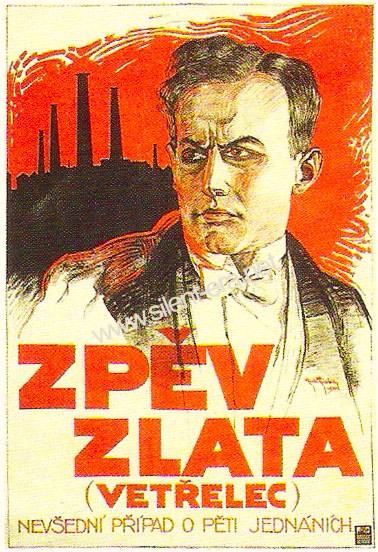
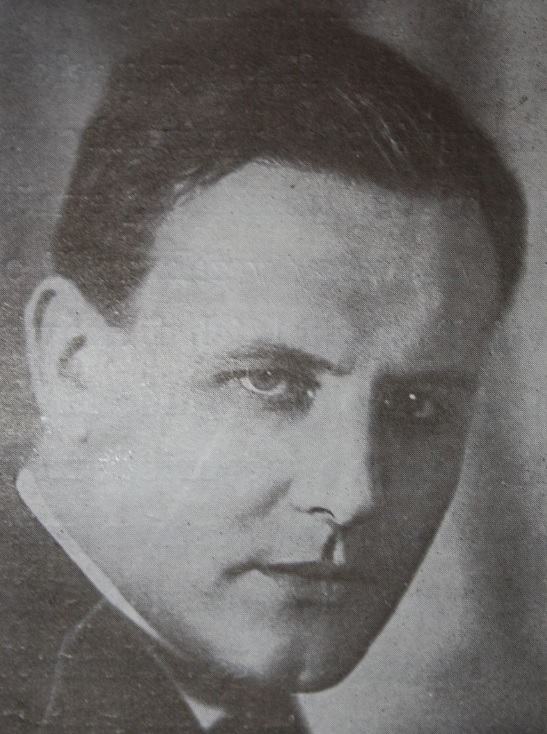
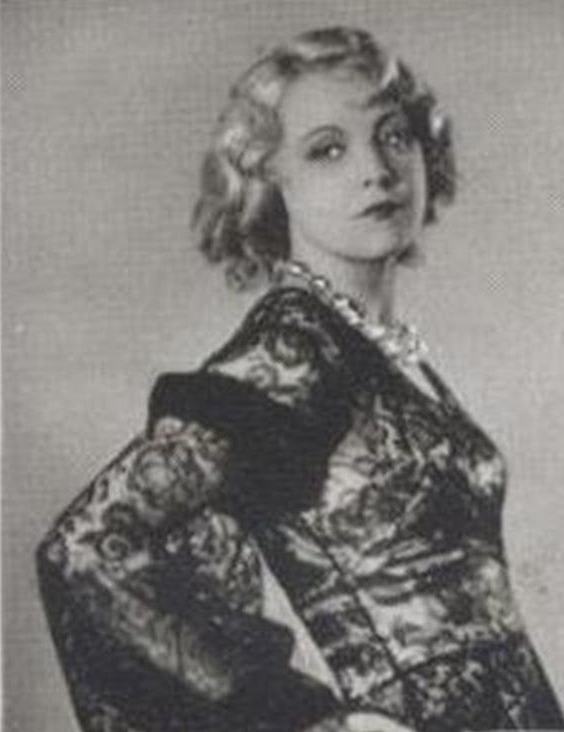
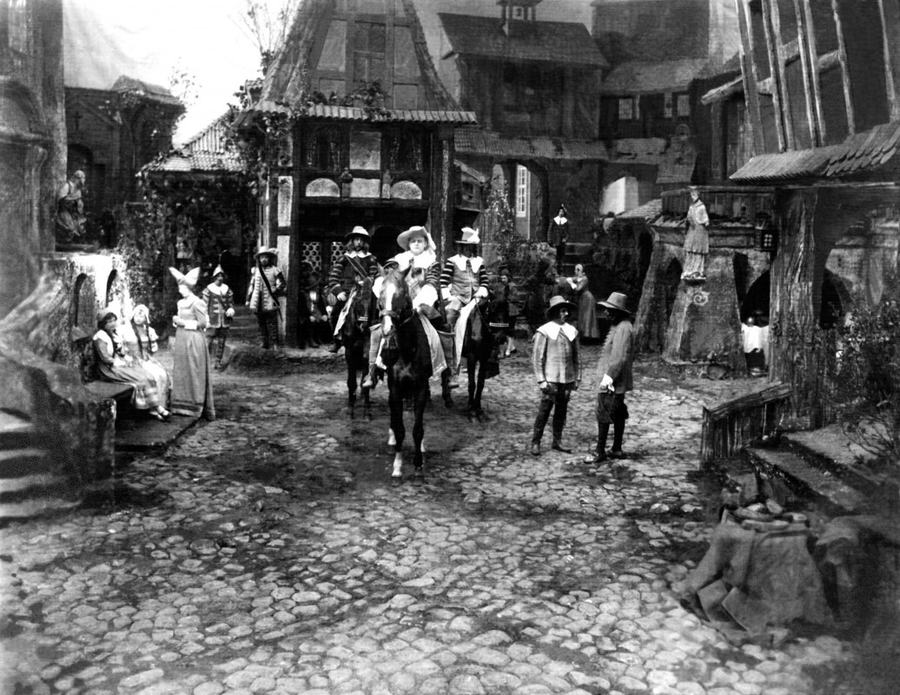
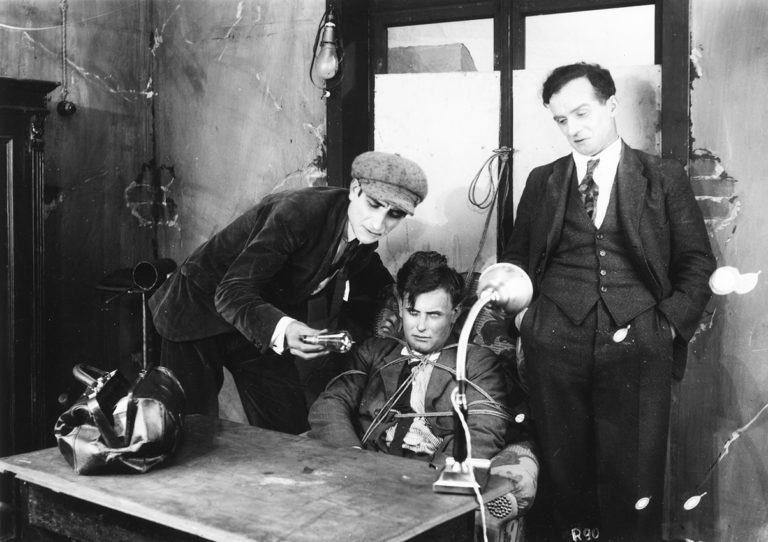
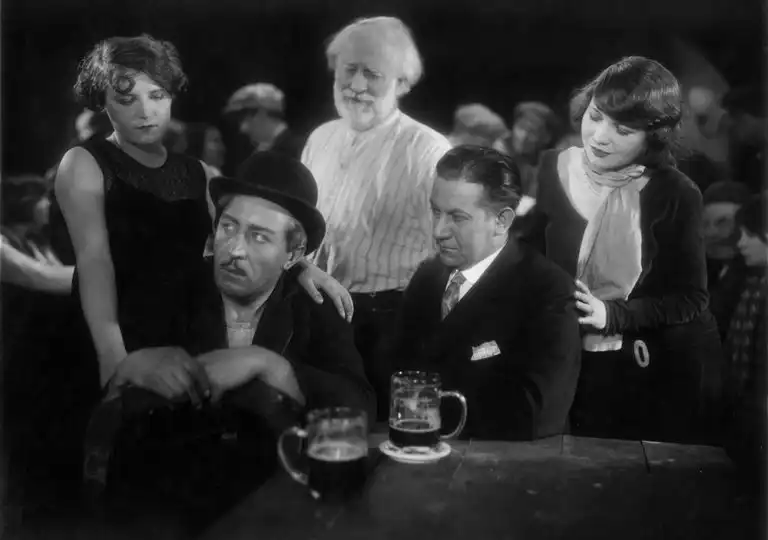
In a Prague still quivering from the aftershocks of the Great War, the city’s cobblestones remember every footstep of the vanished empire; into this twilight of shifting identities strides a clandestine chorus of gold-seekers who believe that destiny can be melted, minted, and jingled in a pocket. Karel Lamač’s camera glides like a pickpocket through smoky cabarets and candle-scented attics where Anny Ondra’s wide, mercury-bright eyes refract the hopes of a generation that no longer trusts maps or monarchs. She plays Klára, a silversmith’s daughter whose father once gilded saints but now gilds lies, and who inherits only a fractured lullaby—an alchemical folk tune said to reveal the hiding place of a Habsburg cache buried beneath the city’s baroque facades. Josef Sváb-Malostranský is the scarred veteran Vojta, a man whose lungs still carry chlorine ghosts from the Italian front; he translates Morse from the shadows of tram bells, convinced the melody is a cipher for munitions and therefore for survival. Luigi Hofman’s Baron Rigo, an exiled Neapolitan gambler with a monocle that reflects futures rather than pasts, bankrolls their subterranean expedition in exchange for the rights to Klára’s song, wagering that culture itself can be leveraged like collateral. Meanwhile, Alice Hechy’s Máša, a cabaret chanteuse whose voice drips like absinthe onto the audience’s wounds, already sings half the refrain nightly—yet she mishears a pivotal note, sending the treasure-seekers spiraling into catacombs where the walls sweat quicklime and the bones of forgotten plague doctors form sarcastic smiles. Jan S. Kolár’s screenplay folds time like crêpe paper: flashbacks to the 1913 World Expo detonate into 1919 bread-riot footage; title cards fracture into graffiti; single frames of a gilded hymnal burn like relics. When Josef Maas’s police inspector Kolařík—equal parts Javert and Freud—confiscates Klára’s notebook of musical transcriptions, the investigation morphs into an existential audit: is value located in metal, memory, or the mere willingness to hum a dangerous tune? The climax arrives not with shovels and triumph but with an echo: deep beneath the astronomical clock, the group finds only a hollow gramophone wired to a timer that will broadcast the melody across every public square at dawn, turning the entire city into accomplices. In the final shot, Klára’s lips part as if to scream, yet what escapes is a pure, wordless high C that shatters the lens into star-shaped cracks—leaving viewers stranded between a lullaby and a warning, unsure whether they have witnessed a birth of national myth or the exorcism of an imperial ghost.
Review Excerpt
"
A city humming on the brink of modernity, a melody laced with quicksilver greed, and a camera that refuses to blink—Zpev zlata is less a hunt for bullion than an autopsy on the very notion of worth.
When the lights of a smoky Prague cabaret spill across the screen in the opening reel, Karel Lamač tilts the lens askew, letting chandeliers morph into interrogation lamps. One senses immediately that this 1920 Czech oddity has studied the angular nightmares of Lang’s Destiny yet retained a slavic ..."