DbcultAccessing Vault...
5.8/10
Senior Film Conservator
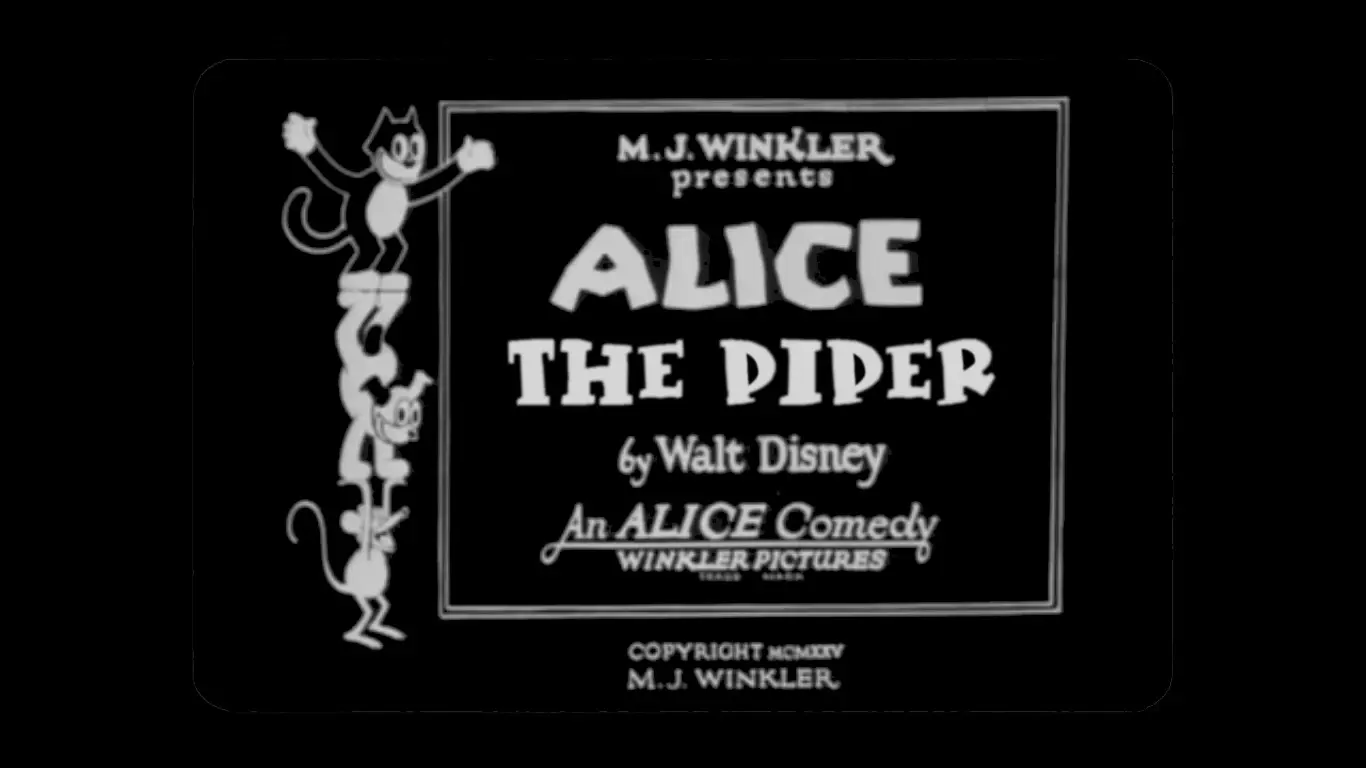
A definitive 5.8/10 rating for a film that redefined the boundaries of cult cinema. Alice the Piper remains a cornerstone of transgressive art.
Ah, the silent era. A time when cinematic storytelling relied less on spoken dialogue and more on the expressive power of gesture, tableau, and the sheer ingenuity of visual narrative. Within this fascinating epoch emerges Alice the Piper (alice-the-piper), a film that, despite its relative obscurity compared to some of its more celebrated contemporaries, offers a compelling reinterpretation of a timeless fable. It's a testament to the era's creative spirit, daring to twist a well-worn narrative into something fresh and unexpected. The familiar tale of Hamelin and its rodent problem is given a distinct flavor here, one that prioritizes cleverness over pure mysticism, and the human spirit's capacity for innovation over passive reliance on the supernatural. It’s a subtle but significant pivot, one that elevates the film beyond a mere retelling.
The premise, at first glance, appears comfortingly familiar: the town of Hamelin, a place synonymous with an overwhelming pestilence, finds itself once again beleaguered by a rampant rat population. These aren’t just a few scurrying creatures; we’re talking about an infestation of truly biblical proportions, so pervasive that the very heart of the kingdom’s domesticity – the royal kitchens – has been utterly subsumed by their gnawing, chittering presence. This isn't just about hygiene; it's about the erosion of order, the psychological toll of constant invasion, and the king's desperate plea for a return to normalcy. A king, in his understandable exasperation, offers a substantial bounty, a glittering promise to any who can rid his domain of this furry scourge. This sets the stage for our protagonists, Alice and Julius, to step into the limelight, not merely as musicians, but as potential saviors.
What truly distinguishes this rendition, however, is the crucial addendum: “But this time, they need to think of something else.” This single phrase transforms a potential rehash into an intriguing puzzle. It implies a recognition that the traditional methods, the very blueprint of the Pied Piper legend, are insufficient. Perhaps the rats of Hamelin have grown too cunning, too numerous, or the river itself is no longer a viable solution. This narrative twist immediately engages the viewer, prompting questions about the nature of the challenge and the ingenuity required to overcome it. It pushes the boundaries of the myth, urging us to consider not just magical solutions, but practical, intellectual ones. This is where the film finds its unique voice, moving beyond simple folklore to explore problem-solving in a more nuanced, perhaps even proto-scientific, manner.
Central to the film’s charm and effectiveness is the remarkable performance of Virginia Davis. Even at a tender age, Davis possessed an innate screen presence that transcended the limitations of the silent medium. Her portrayal of Alice is not just that of a child; it's a nuanced depiction of youthful resolve, intelligence, and a nascent understanding of the world’s complexities. She imbues Alice with a spirited determination that is both endearing and inspiring. One can observe, even in these early works, the burgeoning talent that would later define her career. Her expressions, her subtle gestures, and her interaction with Julius communicate far more than any intertitle could, drawing the audience into her character's predicament and her quest for a solution. This is a common thread in films featuring prominent child actors of the era; for example, one might compare her early captivating screen presence to that of Jackie Coogan in My Boy, where the emotional weight often rested squarely on the shoulders of the young performer, proving their capacity to carry a narrative with surprising depth.
Davis’s ability to convey complex emotions without dialogue is a testament to her natural aptitude for acting. She navigates Alice's journey from initial apprehension to confident execution with an authenticity that resonates. Her dynamic with Julius, her partner in this unusual endeavor, feels genuinely collaborative, showcasing a youthful synergy that is both believable and engaging. This collaborative spirit is a delightful aspect, underscoring the power of teamwork and shared ingenuity. It’s a subtle but powerful message, particularly for an era that often glorified individual heroism. The film, through Davis's performance, manages to humanize the legend, grounding it in the relatable anxieties and triumphs of its young protagonists.
The true intellectual core of Alice the Piper lies in its radical departure from the traditional Pied Piper narrative. The mandate to 'think of something else' elevates the story from a simple magical solution to a compelling exploration of human ingenuity. It implicitly critiques the notion of relying solely on mystical intervention, instead championing observation, critical thinking, and the application of novel solutions. This shift is profound. It suggests that the problem, whether it be rats or any other societal challenge, requires a deeper understanding and a more practical approach than mere charm or enchantment. The film, in its quiet way, advocates for a pragmatic engagement with reality, a precursor to modern problem-solving methodologies.
One can speculate on the nature of this 'something else'. Perhaps it involves an elaborate trap, a clever diversion, or even a form of biological control, albeit in a rudimentary, early 20th-century cinematic context. The beauty lies in the ambiguity, allowing the viewer to ponder the possibilities alongside Alice and Julius. This narrative choice prevents the film from becoming a mere visual retelling; it transforms it into an intellectual exercise, a silent testament to the power of the human mind when confronted with seemingly insurmountable odds. It's a refreshing take, distinguishing it from simpler adventure tales like The Big Adventure, which might rely more on physical prowess than mental cunning.
The symbolic weight of the rats themselves is also worth considering. They represent chaos, disease, and the breakdown of societal order. By confronting them with ingenuity rather than magic, Alice and Julius become symbols of reason and progress. This resonates with a broader cultural shift occurring in the early 20th century, where scientific advancements were beginning to challenge traditional beliefs and offer new ways of understanding and controlling the natural world. The film, therefore, can be viewed as an allegorical commentary on the triumph of human intellect over primal forces, a theme that has timeless appeal and continues to be explored in cinema across genres, perhaps even subtly echoing the power dynamics seen in films like The Lion and the Mouse, albeit with a different kind of prey and predator.
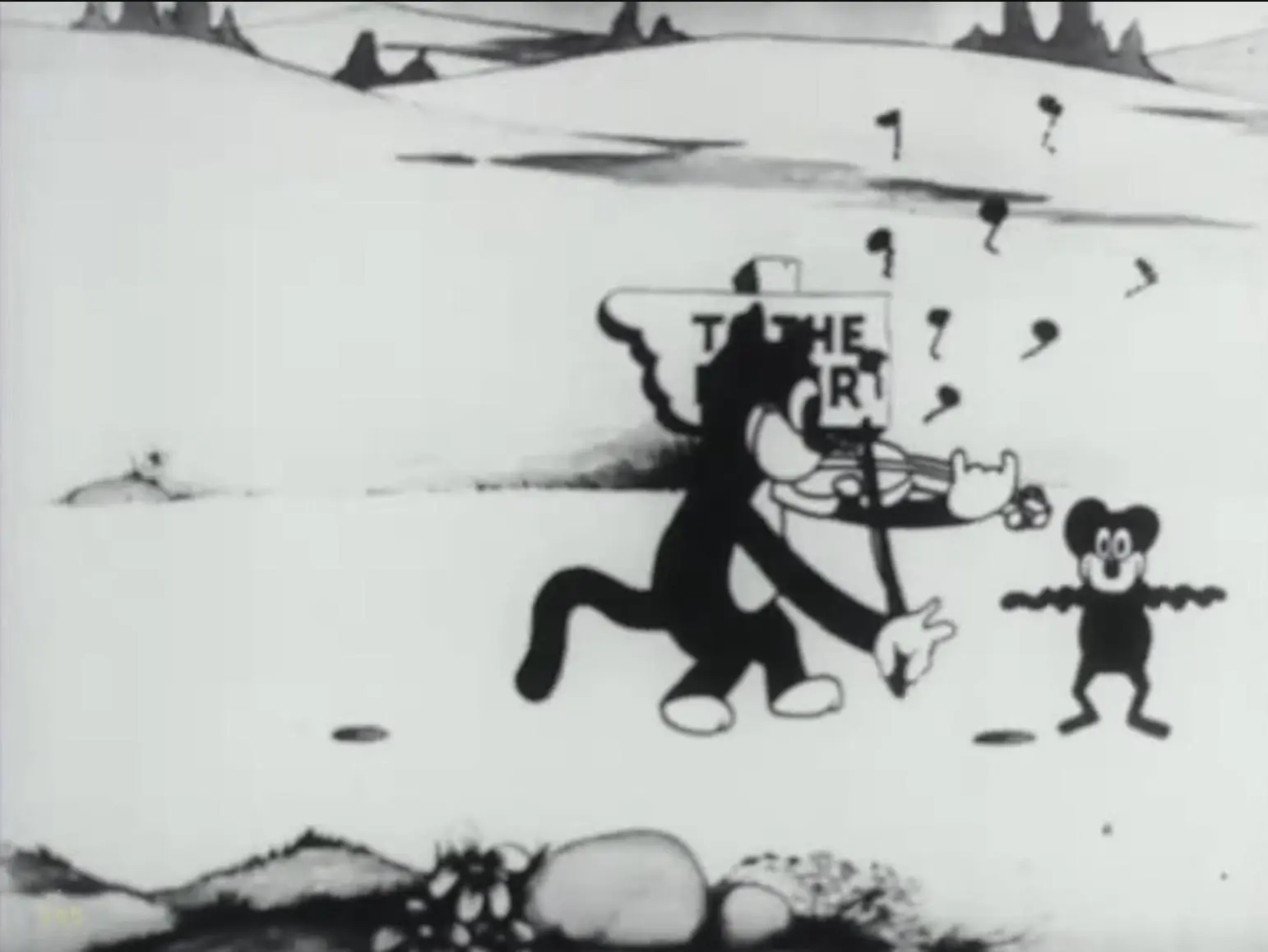
While specific details about the film's production are sparse, as is common for many silent-era productions, one can infer much from the extant work. The visual storytelling, characteristic of the period, relies heavily on strong compositions, clear character actions, and well-paced editing to convey the narrative arc. The camera work, though perhaps less dynamic than later eras, effectively establishes the mood of desperation and the scale of the problem. The close-ups on Alice’s face, in particular, serve to draw the audience into her internal world, allowing her expressive eyes to communicate volumes without a single uttered word. This mastery of visual communication is a hallmark of the silent era, where every frame had to tell a story.
The design of Hamelin, even if conveyed through simple sets and backdrops, would have aimed to evoke a sense of quaint European charm juxtaposed with the grim reality of the infestation. The contrast between the idyllic setting and the chaotic presence of the rats would have been a central visual theme, emphasizing the disruption caused by the pestilence. This kind of visual juxtaposition was a powerful tool for silent filmmakers, used to underscore narrative conflicts and emotional states. The film’s ability to conjure a world, even a fantastical one, through purely visual means is a testament to the artistry involved.
In an era brimming with diverse cinematic output, from the epic adventures of Maciste turista to the dramatic intrigues of The Painted Soul and the thrilling serials like Fantomas: The Man in Black, Alice the Piper carved out its own niche. It demonstrated that even familiar fairy tales could be imbued with fresh perspectives and intellectual depth. The film's lasting appeal, for those who seek it out, lies not just in its historical value but in its clever subversion of expectation. It challenges viewers to think alongside its characters, making it more than a passive viewing experience. It’s a small, bright gem in the vast mosaic of early cinema, reminding us that innovation wasn't solely the domain of grand spectacles but could also be found in the subtle twists of a well-loved story.
The implicit message of Alice the Piper – the necessity of unconventional thinking when faced with intractable problems – remains remarkably pertinent. In a world that often defaults to established solutions, the film champions the spirit of innovation. It suggests that true progress often comes from those who dare to question the norm and devise entirely new approaches. This theme is universal and timeless, resonating far beyond the confines of a silent film about rats in a medieval town. It speaks to the entrepreneurial spirit, the scientific method, and the creative impulse that drives humanity forward.
The decision by the filmmakers to introduce this twist – the 'something else' – was a stroke of narrative genius. It transforms Alice and Julius from mere conduits of a magical solution into active, intelligent protagonists whose mental faculties are as crucial as any enchanted instrument. This emphasis on brainpower over mystical power is a subtle yet powerful statement, aligning the film with a more modern sensibility even within its historical context. It’s a departure from the more straightforward narrative arcs seen in films like The Prussian Cur or Once a Plumber, which, while entertaining, might not delve into such thematic depth regarding problem-solving.
Furthermore, the film's existence serves as a reminder of the rich tapestry of early cinema, much of which is tragically lost or barely preserved. Each surviving piece, like Alice the Piper, offers a window into the narrative conventions, performance styles, and cultural values of its time. It allows us to appreciate the foundational elements upon which all subsequent cinematic developments have been built. The simplicity of its presentation belies the complexity of its thematic undercurrents, making it a rewarding experience for those willing to look beyond the surface.
Ultimately, Alice the Piper is more than just a charming silent film featuring a talented child star. It is a thoughtful reinterpretation of a classic tale, infused with a message of resourcefulness and intellectual courage. It challenges the passive acceptance of fate or reliance on magic, instead advocating for active, intelligent engagement with challenges. Virginia Davis's performance anchors this message, bringing a youthful vitality and determination to Alice that makes her an eminently relatable and inspiring figure. The film remains a compelling artifact, not just for its historical significance but for its enduring thematic resonance. It’s a quiet testament to the power of human ingenuity and the timeless appeal of a good story told with a clever twist, a characteristic that sets it apart from many straightforward adaptations or adventure films of the era, such as Der grüne Skarabäus or even the dramatic intensity of Neglected Women. It reminds us that even in the face of overwhelming odds, a fresh perspective and a dose of creative thinking can often lead to the most extraordinary solutions.
The film's commitment to this 'something else' ensures its place as a unique entry in the silent film canon. It's a delightful example of how narrative constraints can foster creativity, pushing storytellers to innovate within established frameworks. For film enthusiasts and historians alike, Alice the Piper offers a fascinating glimpse into the imaginative spirit of early cinema, proving that a well-crafted story, even without spoken words, can resonate deeply and provoke thought long after the final frame fades to black. Its subtle brilliance lies in its ability to take a familiar legend and infuse it with a new, more profound meaning, making it a truly captivating experience for any discerning viewer.
The absence of detailed writer credits, as is often the case for films of this vintage, doesn't diminish the impact of the narrative choices made. The collective creative vision, whether from an uncredited scenarist or the director, clearly prioritized a smarter, more engaging path for the Hamelin story. This collective ingenuity is palpable throughout the film, allowing it to stand as a beacon of creative adaptation from a bygone era. It's a reminder that great stories can be retold in myriad ways, each interpretation adding a new layer to the cultural tapestry. The film, in essence, becomes a dialogue with its source material, a conversation about the nature of solutions and the power of the human mind. Its quiet confidence in its own narrative twist is what truly makes it shine, inviting audiences to ponder the 'how' as much as the 'what' of its resolution. And in that contemplation, its true brilliance is unlocked.
IMDb —
1928
Community
Log in to comment.