DbcultAccessing Vault...
7.5/10
Senior Film Conservator
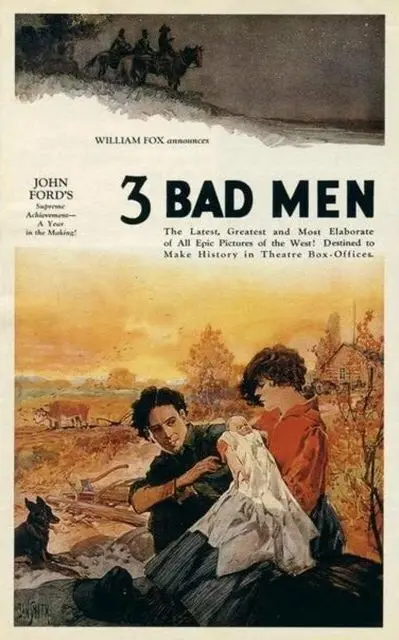
A definitive 7.5/10 rating for a film that redefined the boundaries of cult cinema. 3 Bad Men remains a cornerstone of transgressive art.
Is John Ford's 1926 silent Western, 3 Bad Men, still worth watching today? Short answer: absolutely, but with crucial caveats. This film is a must-see for devotees of silent cinema, Western genre historians, and anyone curious about the foundational narratives of American mythology. However, those seeking fast-paced action or modern character complexity might find its deliberate pacing a challenge.
It’s a historical artifact, yes, but one that still breathes with a surprising amount of life and narrative ambition. It works. But it’s flawed.
This is a film for those who appreciate the craft of early filmmaking, the grand gestures of silent acting, and the sweeping visual storytelling that predated synchronized sound. It is decidedly not for viewers with a low tolerance for intertitles or an expectation of brisk, contemporary editing.
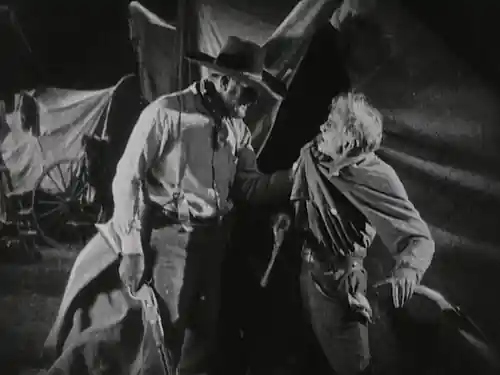
Direct Answer Block
- This film works because: It showcases John Ford's burgeoning mastery of the Western landscape and his ability to infuse mythic archetypes with unexpected humanity, even in the silent era. The scale is impressive, and the performances, while broad, are often genuinely moving.
- This film fails because: Its pacing can be ponderous, and some of the narrative conveniences feel overly simplistic, even for its time. The character motivations, while clear, lack the nuanced exploration modern audiences expect.
- You should watch it if: You are a student of film history, a dedicated fan of the Western genre, or simply curious to witness a significant early work from one of cinema's most legendary directors.
The sprawling, lawless territories of the Dakota gold rush serve as the crucible for 3 Bad Men. Here, amidst the dust and desperation, three outlaws — the grizzled, paternal Bull Stanley; the younger, more impetuous Mike Costigan; and the quietly loyal Spade Allen — operate on the fringes of society, driven by survival and a rudimentary, if twisted, code of honor. Their paths violently intersect with that of Lee Carleton, a young woman whose world is shattered when her prospecting father is brutally murdered, leaving her utterly alone in a land that cares little for the vulnerable.
In a moment of unexpected grace, or perhaps a flicker of long-buried decency, these three men choose to protect Lee. This decision, seemingly at odds with their roguish reputations, sets them on a perilous journey. They become her improbable guardians, navigating the treacherous landscape not only of the physical frontier but also of their own moral compasses. As they evade a relentless posse, their bond with Lee deepens, forcing each man to confront the choices that have defined their lives and the potential for redemption in an unforgiving world.
The narrative, while simple in its premise, becomes a vehicle for exploring themes of sacrifice, loyalty, and the surprising wellsprings of humanity that can emerge even from the most hardened souls. It’s a foundational story, charting the emotional evolution of characters who are, by all accounts, on the wrong side of the law, yet find themselves compelled to do right by an innocent. The film builds towards a dramatic confrontation, testing the limits of their newfound commitment and the very definition of 'bad men' in a land where justice is often swift and brutal, but rarely pure.
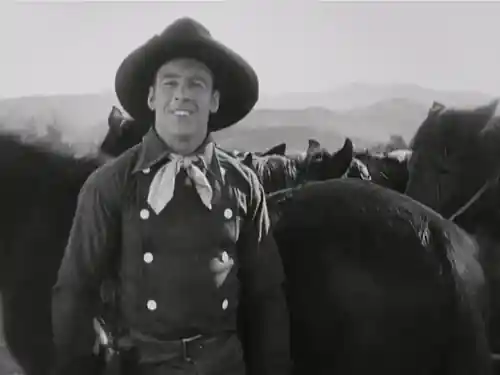
Even in 1926, John Ford’s directorial hand was evident, though perhaps not yet fully matured into the iconic style that would define his later career. 3 Bad Men is a testament to his burgeoning skill in framing the vastness of the American West. The film is replete with breathtaking long shots of galloping horses against expansive skies, demonstrating an early understanding of how landscape could dwarf human figures, emphasizing both their isolation and their struggle against an indifferent, monumental nature. One particular scene, depicting the posse’s relentless pursuit across a vast, barren plain, establishes a sense of scale and futility that is genuinely arresting.
The use of natural light, characteristic of the era, imbues the outdoor sequences with an authentic, almost documentary feel. Ford wasn't just capturing action; he was capturing a sense of place. He understood that the Western genre demanded more than just a backdrop; it required a character in itself. The dusty trails, the rugged mountains, the nascent boomtowns — all feel palpably real, a far cry from the more stylized sets of some contemporary productions. This commitment to realism in setting, combined with an often melodramatic narrative, creates a compelling tension.
However, the pacing, as mentioned, is a double-edged sword. Ford allows scenes to breathe, sometimes to the point of stagnation for modern sensibilities. While this deliberate rhythm can foster a contemplative mood, allowing the audience to absorb the visual information and the emotional weight of the intertitles, it occasionally tests patience. A sequence involving the initial escape, while visually grand, lingers perhaps a moment too long, sacrificing a degree of tension that a swifter cut might have achieved.
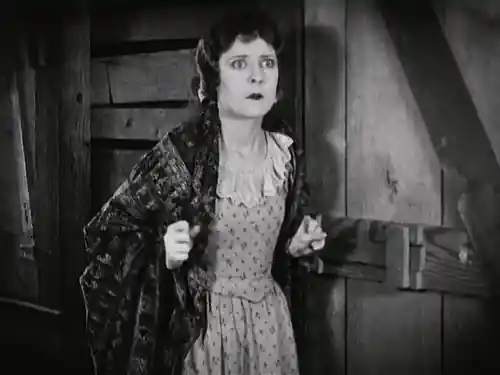
The challenge of silent acting lies in conveying complex emotions through gesture, posture, and facial expression alone. The cast of 3 Bad Men largely rises to this challenge, delivering performances that, while theatrical by today's standards, are remarkably effective within their context. George O'Brien, as Mike Costigan, embodies the youthful exuberance and impetuousness that often defines the younger 'bad man,' his wide eyes and energetic movements painting a clear picture of his character's journey.
Phyllis Haver, playing the more seasoned and morally ambiguous secondary female lead, delivers a performance that hints at a fascinating internal world, even if the script doesn't fully explore it. Her subtle shifts in expression, particularly in scenes of conflict or moral compromise, suggest a depth beyond the archetypal 'saloon girl' often seen in Westerns of the period. She manages to convey a world-weariness that feels authentic, a silent counterpoint to the more overtly heroic or villainous portrayals.
Grace Gordon, as Lee Carleton, carries the emotional core of the film. Her vulnerability is palpable, and her reactions to the brutal events around her are convincingly portrayed, drawing the audience into her plight. The scene where she first encounters the outlaws after her father's death is particularly impactful; her fear and subsequent, hesitant trust are communicated with a clarity that transcends the lack of dialogue. It’s a testament to her ability to command the screen through sheer presence.
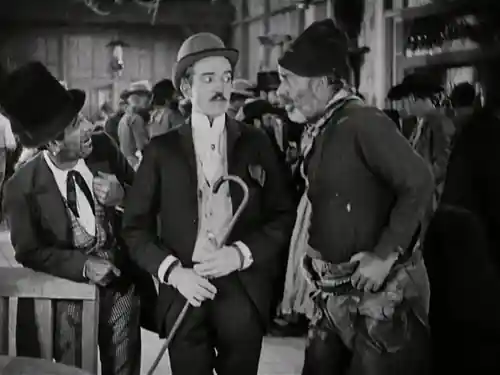
The titular 'bad men' themselves — J. Farrell MacDonald as Bull Stanley, Tom Santschi as Mike, and Frank Campeau as Spade Allen — form a cohesive unit. MacDonald, in particular, projects a gruff exterior that slowly cracks to reveal a paternal warmth, his large frame and expressive eyes conveying a surprising tenderness. Their dynamic is the heart of the film, and their silent interactions, often communicated through knowing glances or shared burdens, are surprisingly nuanced. It’s a testament to their collective skill that their transformation feels earned, rather than simply dictated by the plot.
The tone of 3 Bad Men oscillates between sweeping adventure and heartfelt melodrama, a common characteristic of silent films striving to maximize emotional impact. The dramatic stakes are consistently high, amplified by a musical score (which, of course, would have been live or later added) designed to underscore every triumph and tragedy. This heightened emotional register, while occasionally feeling overwrought to modern viewers, was essential for conveying narrative depth in the absence of dialogue.
Pacing, as noted, is where the film truly diverges from contemporary expectations. Long takes and deliberate scene transitions mean that the story unfolds at a much slower clip. This isn't necessarily a flaw, but rather a different mode of storytelling. It demands patience, inviting the viewer to linger on the visual compositions and the actors' expressions. For instance, the extended sequence of the gold rush itself, while visually impressive, is less about plot advancement and more about establishing the chaotic, greedy atmosphere of the era. It’s a sequence that modern editors would condense significantly, but Ford allows it to sprawl, immersing the audience in the historical context.
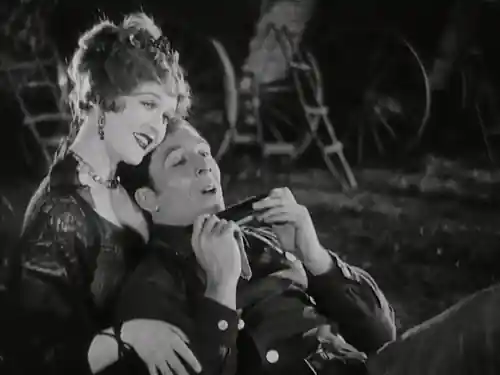
One could argue this slower pace forces a deeper engagement. Without the constant barrage of dialogue or rapid cuts, the viewer is left to interpret more, to feel the weight of the landscape and the silent struggles of the characters. It's a contemplative experience, less about immediate gratification and more about absorbing the narrative through visual cues and emotional resonance. I find this deliberate pace to be a refreshing change, allowing for a more profound connection to the film's mythic qualities, rather than a mere plot consumption.
Beyond its individual merits, 3 Bad Men holds significant historical value as an early blueprint for the Westerns that would define Ford’s career and the genre itself. It establishes many of the tropes and thematic concerns that would become hallmarks: the conflicted hero, the vast, unforgiving frontier, the clash between civilization and savagery, and the inherent nobility found in unexpected places. The film’s large-scale set pieces, particularly the climactic pursuit and the depiction of the gold rush, demonstrate an ambition rarely seen in films of its time. It paved the way for epics like Stagecoach and The Searchers.
The film's exploration of redemption, particularly through the eyes of the 'bad men,' is a narrative thread that Ford would return to repeatedly. It posits that even the most hardened individuals are capable of profound sacrifice, a deeply humanistic message that resonates even today. This moral complexity, however rudimentary, elevates the film beyond a simple adventure story. It suggests that the frontier, while brutal, also offered a chance for reinvention, a theme that would become central to the American Western mythos.
It’s also fascinating to observe the nascent stages of Ford’s visual grammar. While not as refined as his later work, the seeds of his iconic compositions, his use of deep focus, and his ability to convey character through subtle framing are all present. For instance, a shot where the three outlaws stand silhouetted against a setting sun, momentarily dwarfed by the landscape, is a visual motif that would become synonymous with Ford's vision of the West. It’s a film that, for all its age, offers a clear lineage to the masterpieces that followed.
3 Bad Men is more than just a historical curiosity; it's a vibrant, ambitious silent Western that showcases John Ford's nascent genius and the enduring power of classic cinematic storytelling. While its pacing and melodramatic flourishes are undeniably products of its time, they also contribute to its unique charm and a contemplative viewing experience that modern cinema rarely offers. It’s a film that demands a certain level of engagement and an appreciation for the conventions of a bygone era, but rewards that investment with sweeping visuals, surprisingly tender character work, and a foundational understanding of the Western genre.
For those willing to adjust their expectations and immerse themselves in its world, 3 Bad Men remains a powerful and surprisingly moving piece of cinema. It's a testament to the fact that even without spoken dialogue, a compelling story and strong visual direction can transcend time. It’s not just worth watching; it’s essential viewing for understanding the roots of American filmmaking. Give it a chance, and you might find yourself captivated by its quiet grandeur and its surprisingly human heart.
IMDb 5.6
1924
Community
Log in to comment.