DbcultAccessing Vault...
Cult Review
Senior Film Conservator
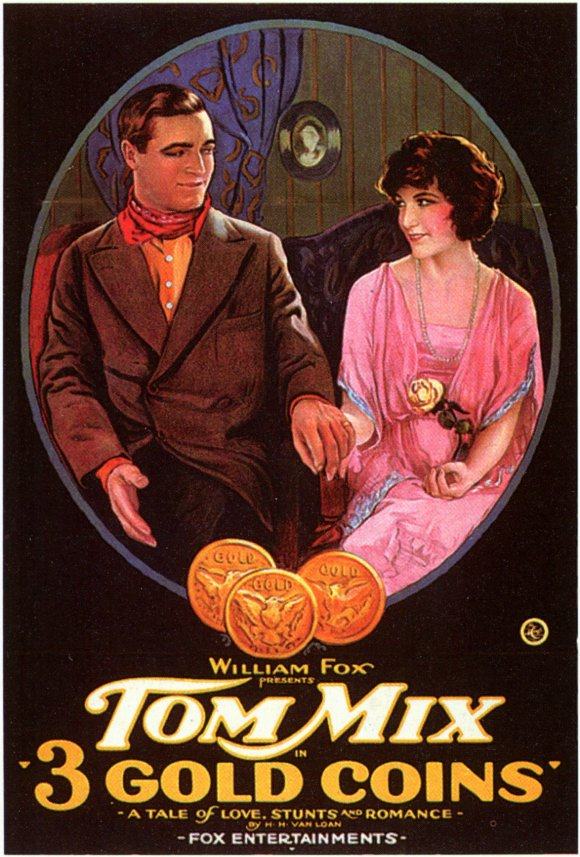
In the vast tapestry of early cinematic Westerns, where heroism often wears a ten-gallon hat and justice rides a swift steed, '3 Gold Coins' emerges as a compelling exemplar of the genre's enduring power. This film, a product of the storytelling prowess of Alan James and H.H. Van Loan, and brought to life by a spirited cast including Walt Robbins and Bonnie Hill, offers more than just a simple tale of good versus evil. It’s a nuanced exploration of reputation, trust, and the often-treacherous landscape of human ambition, all set against the rugged, romanticized backdrop of the American frontier.
At its core, the narrative introduces us to Bob Fleming, a character epitomizing the 'happy-go-lucky' cowboy archetype, whose prodigious skill with a pistol is not merely a plot device but a defining aspect of his amiable persona. His unerring marksmanship is so remarkable that it attracts the attention of the affluent Luther Reed, who offers a challenge of three gold coins – a seemingly innocuous test that swiftly elevates Bob from local curiosity to celebrated figure. This initial act of recognition not only cements his standing within the community but also draws the admiring gaze of Reed's daughter, Betty, establishing a romantic undercurrent that will weave through the subsequent trials. Walt Robbins imbues Bob with a genuine, unforced charisma, making his initial triumphs feel earned and his later tribulations all the more poignant. His performance is a testament to the era's reliance on expressive physicality and clear-cut characterization, a quality that echoes the straightforward heroism seen in contemporary adventure serials like Ultus 5: The Secret of the Night, albeit with a distinctly Western flavor.
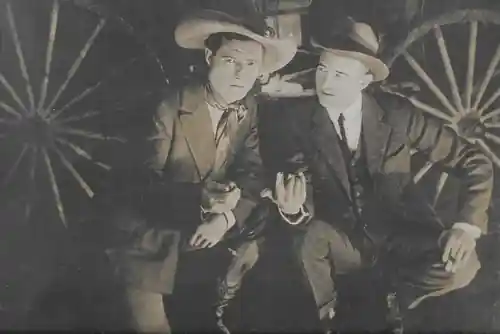
The film pivots dramatically with the arrival of J. M. Ballinger and Rufus Berry, two archetypal cinematic villains whose machinations set the stage for Bob’s precipitous fall from grace. Their decision to target Bob as their 'patsy' is not arbitrary; it’s a calculated exploitation of his public admiration and perceived innocence. The scheme they concoct – planting oil on Bob's land to create a false sense of prosperity, then selling fraudulent stock to the unsuspecting townsfolk – is a masterclass in frontier-era financial chicanery. What makes this particular betrayal sting so deeply is Bob’s unwitting complicity; his decision to invest his own money and, more critically, to entrust the collective earnings of the town to these very swindlers for 'safekeeping,' underscores a naive trust that the villains eagerly exploit. This narrative thread, where a protagonist's good nature is weaponized against them, resonates with the thematic undercurrents of films like Red Hot Dollars, which similarly explores the moral quandaries arising from financial deception and the corrupting influence of avarice. The contrast between Bob's guileless optimism and the villains' cynical manipulation forms the dramatic bedrock of the film.
The true depth of Bob's predicament is revealed when he is not only arrested and found guilty of defrauding the very stockholders he sought to protect, but also bewilderingly charged with being the notorious outlaw Pat Duncan. This dual blow – the public humiliation of a criminal conviction compounded by the crushing burden of a false identity – plunges Bob into an existential crisis. The film expertly uses this mistaken identity as a catalyst for Bob's transformation from a carefree cowboy to a man driven by an urgent need for vindication. The irony is palpable: his reputation, once his greatest asset, becomes his gravest liability. This trope of the wrongly accused, forced to clear their name through perilous endeavors, is a perennial favorite in cinema, providing fertile ground for dramatic tension and character development. It's a journey not unlike the struggles faced by protagonists in films such as The Edge of the Abyss, where characters grapple with overwhelming odds and societal judgment while striving for personal redemption.
Bob's subsequent 'adventures' are the very sinews of the Western genre – a series of daring escapes, confrontations, and strategic maneuvers designed to expose the truth. This phase of the film showcases the resilience of the human spirit and the unwavering pursuit of justice. The narrative cleverly intertwines action sequences with moments of ingenious detective work, as Bob, now an outlaw in the eyes of the law, must outwit both the authorities and the true criminals. The climax, involving the capture of the real Pat Duncan, is not merely a moment of triumphant resolution but a powerful affirmation of Bob's character. It's a meticulously orchestrated sequence that not only clears his name but also restores his standing within the community, proving his innocence beyond a shadow of a doubt. The satisfaction derived from this vindication is immense, amplified by the emotional investment the audience has made in Bob's arduous journey.
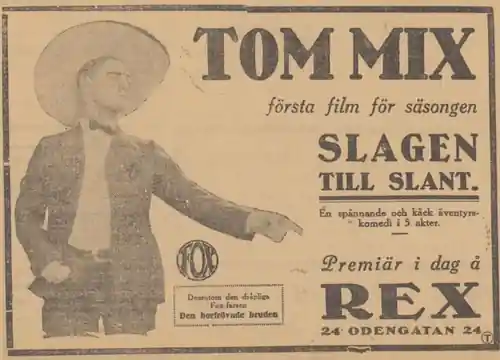
Walt Robbins, as Bob Fleming, anchors the film with a performance that balances lightheartedness with a burgeoning sense of gravitas. His transition from carefree marksman to determined fugitive is convincing and emotionally resonant. Bonnie Hill, portraying Betty Reed, is more than just a damsel in distress; she represents the moral compass and the ultimate reward for Bob's perseverance. Her belief in Bob, even when all evidence points against him, provides a crucial emotional anchor. Frank Whitson and Bert Hadley, as the nefarious Ballinger and Berry, deliver performances that are suitably villainous, embodying the greed and cunning that drive the plot. Their portrayals are effective in creating tangible antagonists against whom Bob’s virtue can shine. The supporting cast, including Tom Mix, Dick Rush, and Sylvia Jocelyn, contribute to the vibrant tapestry of the frontier town, each character adding texture to the world Bob inhabits. The film excels in sketching out these character dynamics, allowing the audience to invest in the fate of its protagonists and to feel the sting of betrayal and the joy of triumph. The romantic subplot, while not overly complex, provides a heartwarming counterpoint to the darker themes of fraud and injustice, echoing the simpler, yet deeply felt, emotional arcs found in films like Sold for Marriage, where personal relationships drive significant portions of the narrative.
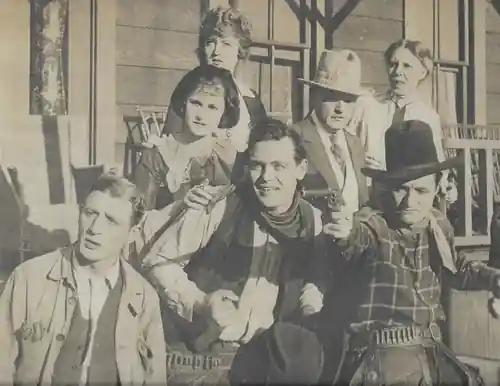
From a technical perspective, '3 Gold Coins' exhibits the robust, straightforward filmmaking typical of its era. The direction, likely overseen by Alan James, prioritizes clear storytelling and dynamic action, ensuring that the plot's twists and turns are easily digestible. While the cinematic language of the time might appear rudimentary by contemporary standards, it possesses a raw charm and an efficiency that is often overlooked. The outdoor cinematography, capturing the vastness and rugged beauty of the Western landscape, effectively establishes the setting as both a place of opportunity and peril. The film's pacing is brisk, propelling the narrative forward with a sense of urgency, especially during Bob’s quest for exoneration. The thematic resonance of '3 Gold Coins' extends beyond mere adventure. It explores fundamental questions of justice, the fragility of reputation, and the power of individual agency in the face of systemic injustice. It posits that true character is revealed not in moments of triumph, but in the crucible of adversity. The gold coins themselves, initially symbols of skill and reward, transform into a catalyst for a deeper, more profound journey of self-discovery and moral vindication.
The Western, as a genre, has always been fertile ground for exploring these universal themes, and '3 Gold Coins' stands as a strong example of its early foundational narratives. It contributes to the rich tradition of the lone hero battling overwhelming odds, a trope that continues to captivate audiences across generations. The film’s portrayal of a community easily swayed by appearances and the subsequent need for an individual to rise above societal judgment speaks to a timeless human experience. It also subtly critiques the darker side of frontier expansion – the opportunistic exploitation and the ease with which trust can be betrayed. The eventual triumph of Bob Fleming is not just a personal victory; it is a reaffirmation of the moral order, a cinematic statement that honesty and perseverance will, ultimately, prevail. This type of moral clarity, often presented through straightforward narratives, was a hallmark of early cinema, providing clear heroes and villains, a characteristic shared with films like The Invisible Power, where ethical dilemmas are often resolved through definitive actions.
In conclusion, '3 Gold Coins' is far more than a simple period piece; it's a vibrant, engaging Western that delivers on all fronts: thrilling action, compelling characters, and a morally satisfying resolution. It showcases the talents of its cast and crew in crafting a story that resonates with archetypal themes of heroism, deception, and justice. The film’s legacy lies not just in its entertainment value but in its contribution to the evolving language of the Western, solidifying tropes and narrative conventions that would influence countless films to follow. For enthusiasts of classic cinema and the Western genre, it offers a fascinating glimpse into a foundational period of filmmaking, a reminder of the enduring power of a well-told story where a good man, despite overwhelming odds, fights to reclaim his name and win the heart of the woman he loves. Its narrative intricacies, particularly the layers of deception and mistaken identity, elevate it beyond a mere shoot-em-up, embedding it firmly within the pantheon of thoughtful, adventurous early American cinema. The journey of Bob Fleming, from celebrated marksman to falsely accused outlaw and ultimately to vindicated hero, is a testament to the timeless appeal of courage and integrity in the face of adversity.
IMDb —
1916
Community
Log in to comment.