DbcultAccessing Vault...
3.4/10
Senior Film Conservator
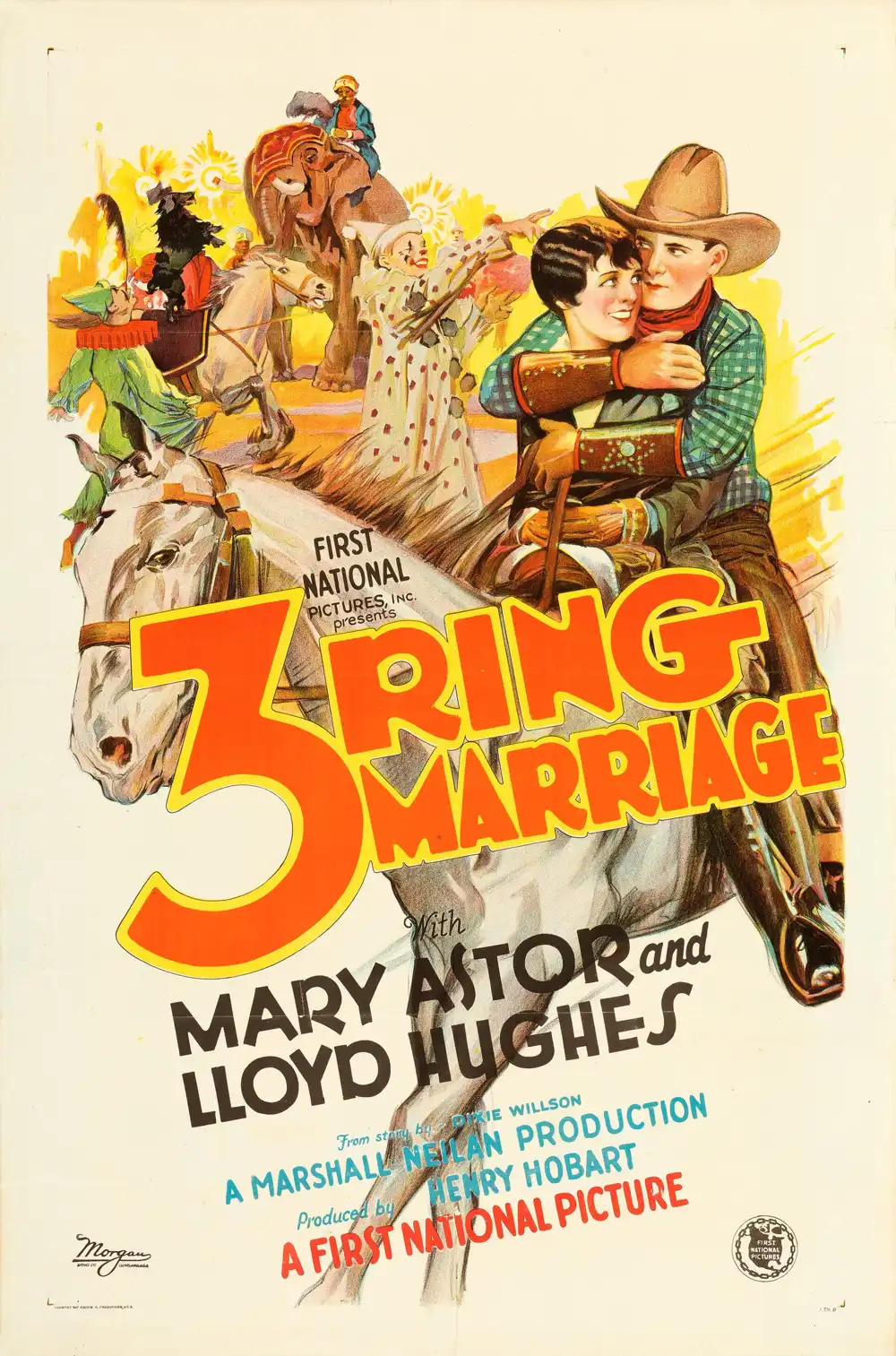
A definitive 3.4/10 rating for a film that redefined the boundaries of cult cinema. 3-Ring Marriage remains a cornerstone of transgressive art.
If you have an hour and a half to kill and you specifically want to see Mary Astor looking genuinely stressed while standing near a horse, 3-Ring Marriage is worth a look. It’s not a lost masterpiece. It’s one of those silent films that feels like it was shot in a very real, very dirty location, which gives it a texture that modern digital movies can't touch. If you’re looking for a tight, logical romance, you’re going to hate it. The internal logic of why these people like each other is pretty much non-existent.
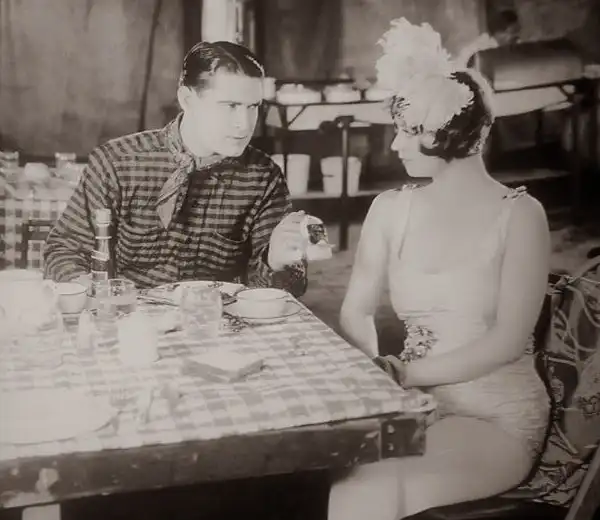
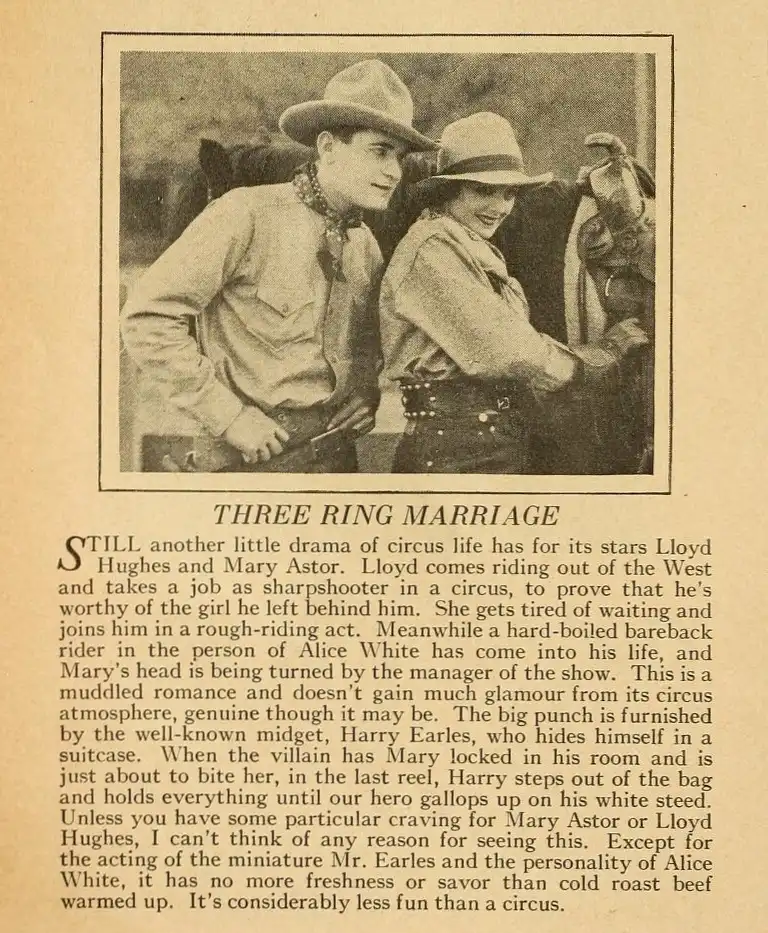
The first thing that hits you is the name. Anna takes the stage name 'Anna Montana.' It’s impossible to hear that now without thinking of the Disney Channel, which creates this weird, unintended comedy every time it pops up on a title card. Anna is a rich girl running away from a wealthy ranch because her dad is a jerk, but she trades one kind of misery for another by chasing Cal Coney (Lloyd Hughes).
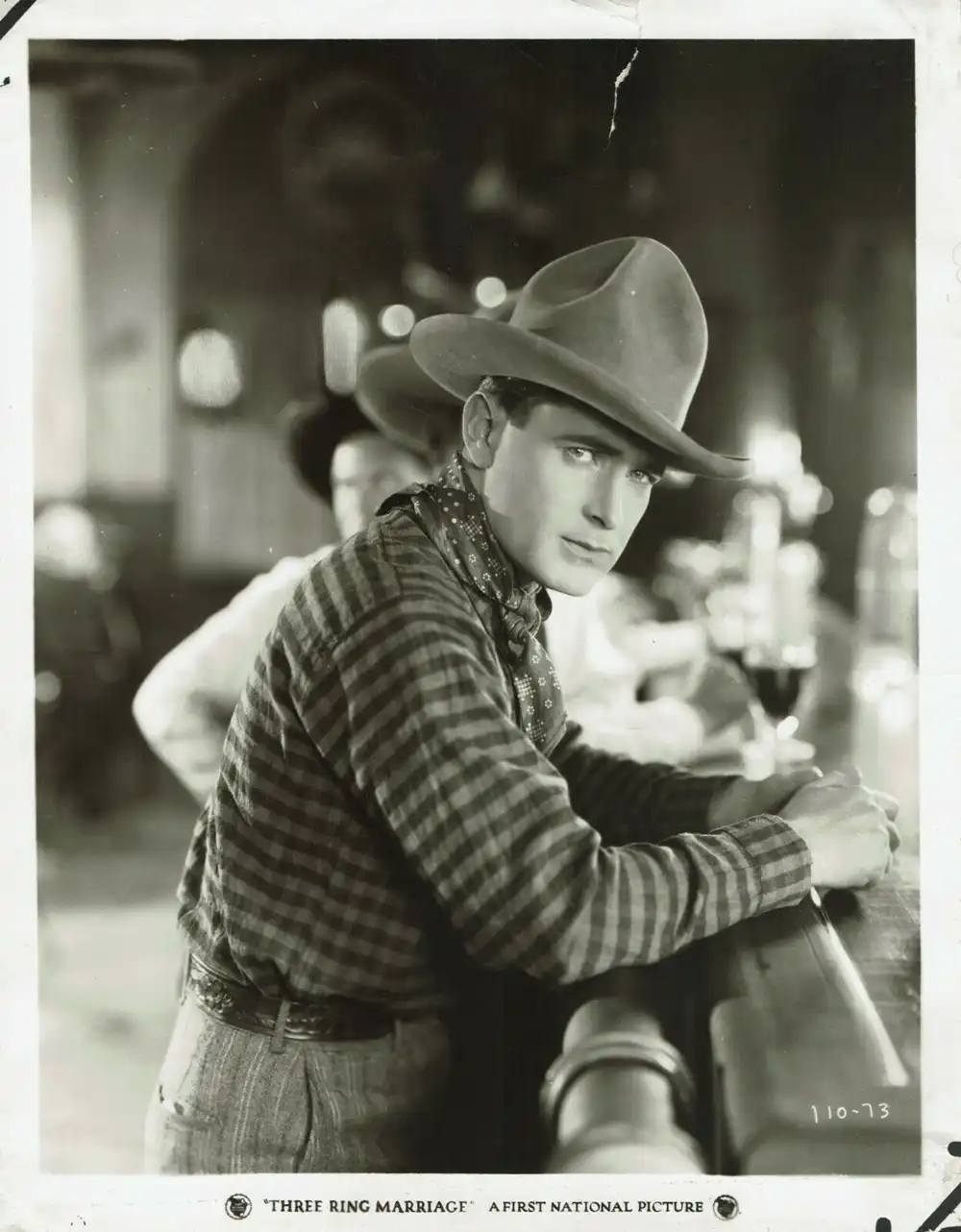
Lloyd Hughes is... fine. He’s got that classic silent film leading man face where he looks like he’s constantly trying to remember if he left the stove on. There is a scene early on where he’s talking to Anna, and he has this incredibly stiff posture that makes him look less like a rugged circus cowboy and more like a mannequin someone dressed up in fringe. You don't really get why she’s ruining her life for this guy. He spends most of the movie refusing to admit he likes her, and it doesn't come across as 'tortured soul' as much as it does 'just kind of a jerk.'
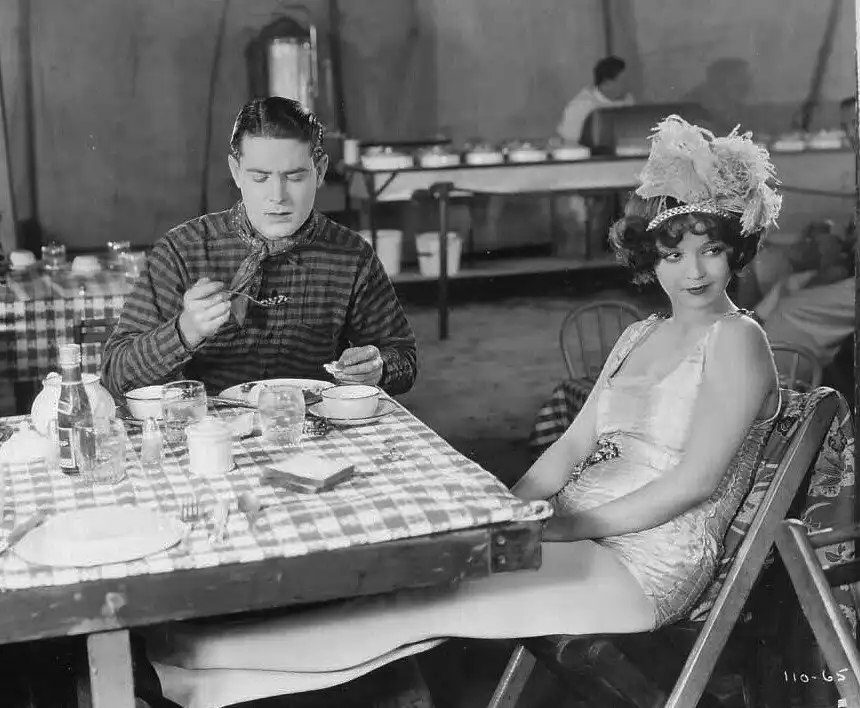
The movie gets much more interesting when it stops focusing on the leads and looks at the background. There’s a gritty, unwashed quality to the circus scenes. It reminds me a bit of the atmosphere in The Show, but without the heavy-handed stylization. You can almost smell the hay and the stale popcorn. The extras in the crowd shots look like they were pulled off the street five minutes before the cameras rolled; they have these great, weathered faces that tell more of a story than the actual script does.
One of the strangest and most compelling parts of the film is the presence of Harry and Daisy Earles. If you’ve seen 'Freaks,' you recognize them immediately. They have this tiny subplot that feels oddly grounded compared to the main melodrama. There’s a moment where Harry is just sitting in the background of a shot, and his presence feels more 'real' than whatever Lloyd Hughes is doing with his eyebrows in the foreground. It’s a weird tonal shift when the movie cuts from their quiet, domestic circus life back to the villain, Rawl Souvane, twirling his metaphorical mustache.
Rawl is played by Lawford Davidson, and he is doing a lot. Maybe too much. He finds out Anna is rich and immediately shifts into 'predator mode.' The way he looks at her isn't even lustful; it’s like he’s mentally counting a stack of cash. It’s effective, but there’s zero subtlety. You wonder how Anna, who is supposed to be smart enough to master trick riding, can’t see through a guy who looks like he’s about to tie her to some railroad tracks at any second.
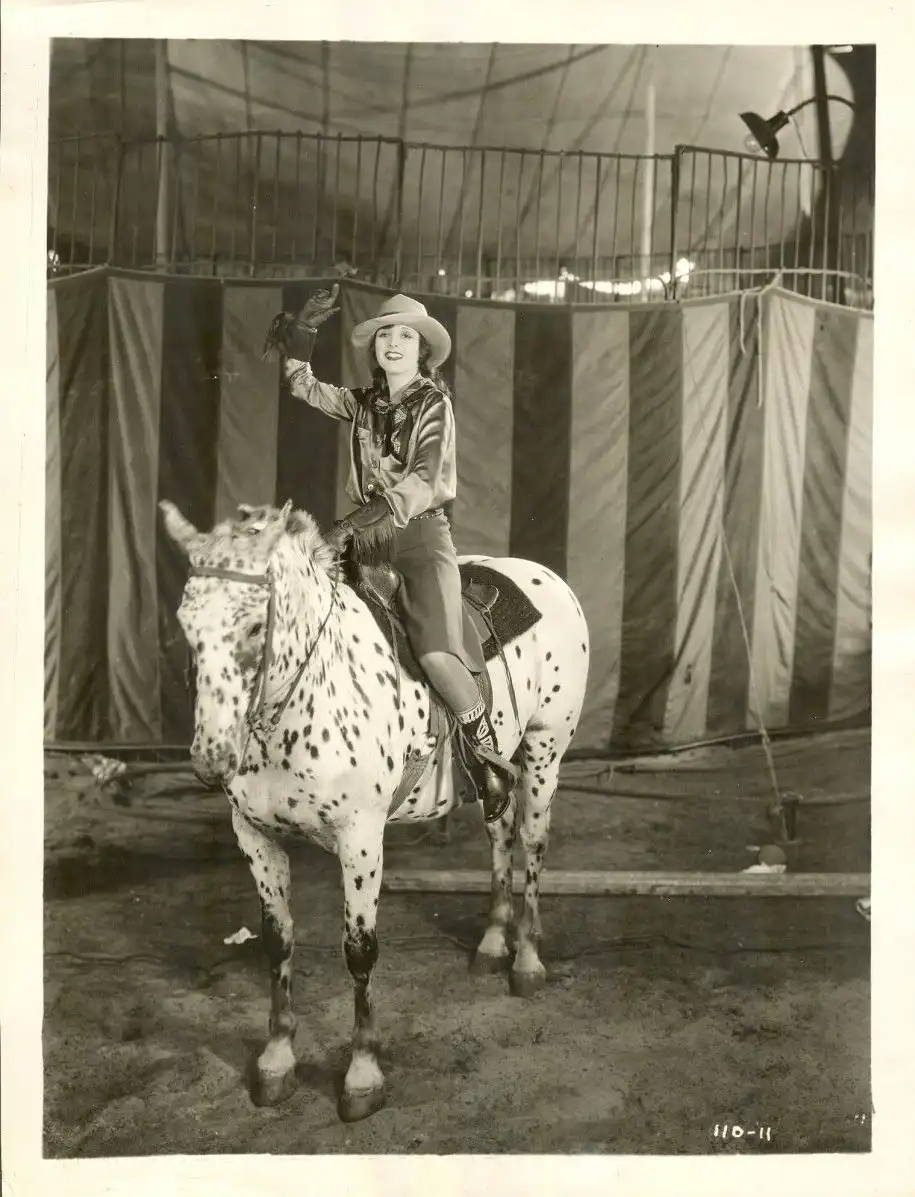
The trick riding sequences are the highlight, even if it’s clearly a double doing the most dangerous bits. There’s a shot where the camera is low to the ground as the horses thunder past, and the dust kicks up so thick it obscures the lens for a second. It feels accidental and perfect. It breaks the polish of the film in a way that makes the circus feel dangerous, which helps because the actual plot feels very safe.
The pacing is a bit of a mess. The middle section where Anna becomes famous as 'Anna Montana' feels like it happens in about three minutes. One day she’s falling off a horse, the next there are posters of her everywhere. It skips all the interesting parts of her struggle to jump straight back into the 'will-they-won't-they' drama with Cal, which is the least interesting part of the movie.
There’s a scene toward the end where the lighting gets surprisingly dark and moody in one of the wagons. For a few minutes, it stops being a standard romance and feels almost like a noir. The shadows are long, and Mary Astor looks genuinely exhausted. Her performance is the only thing holding the stakes together. She has this way of looking at the camera where you can see the character realizing that the 'glamorous' circus life is actually just a lot of mud and disappointment. It’s a better movie in those quiet, miserable moments than it is when it tries to be a spectacle.
If you’ve seen King of the Saddle, you know how these western-adjacent silents usually go, but 3-Ring Marriage has a bit more heart because of the cast. It’s not as tightly directed as something like The City That Never Sleeps, and it definitely drags in the final act when the misunderstandings pile up. The ending feels rushed, like they realized they were running out of film and needed to get everyone married off as quickly as possible.
It’s a lopsided experience. You come for the circus stunts and Mary Astor’s face, and you just kind of tolerate the boring cowboy and the predictable villain. It’s not a classic, but as a snapshot of 1920s circus culture, it’s got a weird, dusty charm that sticks with you after the credits crawl.
IMDb 7
1921
Community
Log in to comment.