DbcultAccessing Vault...
7/10
Senior Film Conservator
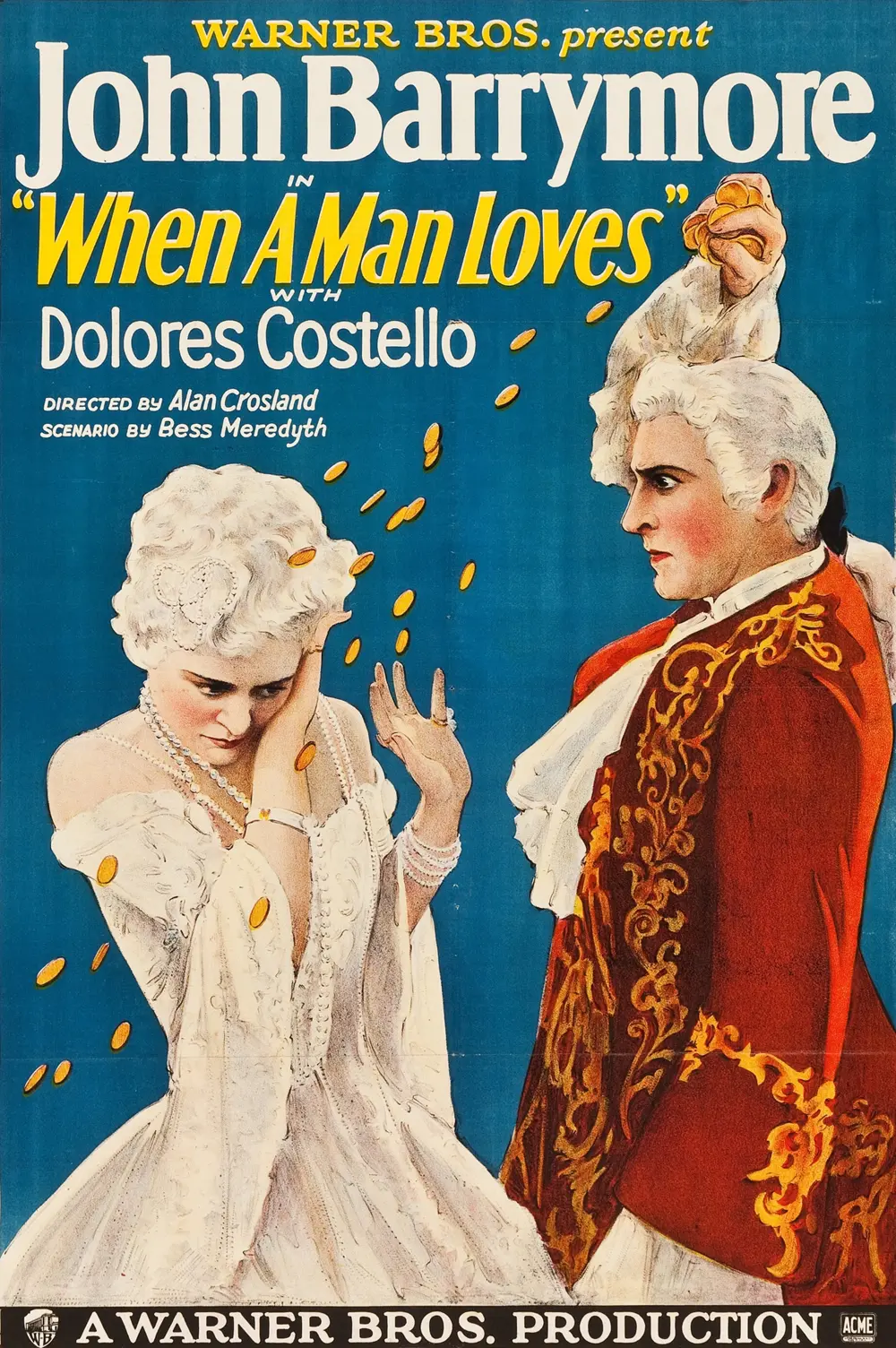
A definitive 7/10 rating for a film that redefined the boundaries of cult cinema. When a Man Loves remains a cornerstone of transgressive art.
Is When a Man Loves (1927) worth your time in the modern era? Short answer: yes, but only if you have an appetite for the heightened, almost operatic theatricality of late-period silent cinema.
This film is specifically for students of film history and those who want to see John Barrymore at the absolute height of his 'Great Profile' era. It is emphatically not for those who require fast-paced plotting or the subtle, naturalistic acting styles of the 21st century.
1) This film works because the chemistry between John Barrymore and Dolores Costello is palpable and genuine, fueled by their real-life romance which translates into a visceral on-screen desperation.
2) This film fails because its third act drags significantly, succumbing to the repetitive 'wronged woman' tropes that were already becoming clichés by 1927.

3) You should watch it if you want to witness the bridge between the silent era and the talkies, specifically how Alan Crosland used the Vitaphone system to enhance the emotional stakes with a synchronized score.
John Barrymore does not just act in When a Man Loves; he consumes the frame. Playing Fabien des Grieux, Barrymore takes a character that could have been a wet rag of a protagonist and turns him into a volatile cocktail of religious guilt and carnal longing.
The scene where he first sees Manon (Dolores Costello) at the inn is a masterclass in silent communication. There is a moment where his eyes widen, not in joy, but in a sort of terrified recognition that his life as he knows it is over. It’s a bit much. But it works within the context of the film's 18th-century setting.
Costello, for her part, provides the perfect foil. While Barrymore is all jagged edges and kinetic energy, she is soft, luminous, and seemingly trapped by the very beauty that attracts Fabien. Their pairing was the 'Bennifer' of the 1920s, and the camera treats them with a reverence that borders on the divine.
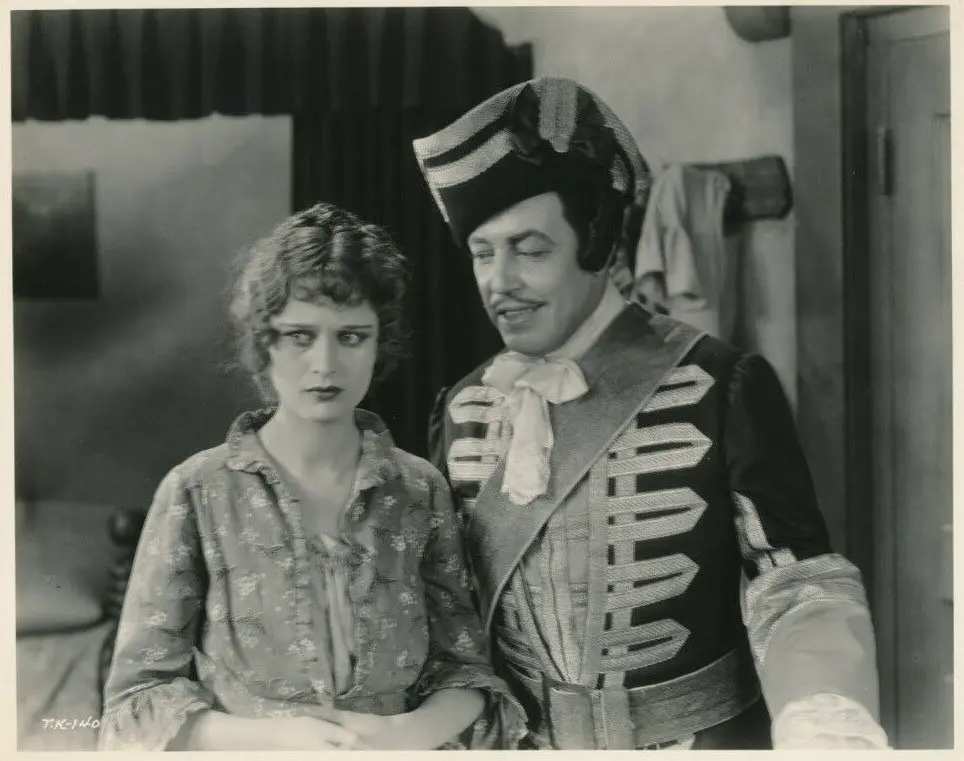
When a Man Loves is worth watching because it represents the pinnacle of Hollywood’s silent-era craftsmanship. The production design captures the contrast between the sterile walls of the monastery and the decadent filth of the Parisian streets. If you appreciate cinema as a visual art form rather than just a storytelling medium, this film provides a rich, textured experience that modern digital films often lack.
Alan Crosland is often remembered for The Jazz Singer, but his work here is arguably more sophisticated. He uses deep shadows and long corridors to emphasize Fabien's feeling of entrapment.
One standout moment is the gambling hall sequence. The way Crosland cuts between the spinning wheel and Barrymore’s increasingly haggard face creates a sense of vertigo. It’s a visual representation of a man losing his soul in real-time.
The pacing, however, is where the film stumbles. Like many epics of its time, it feels the need to linger on every sigh and every tear. It could easily lose twenty minutes without sacrificing any narrative weight. The middle section feels like a series of repetitive obstacles designed solely to keep the lovers apart.
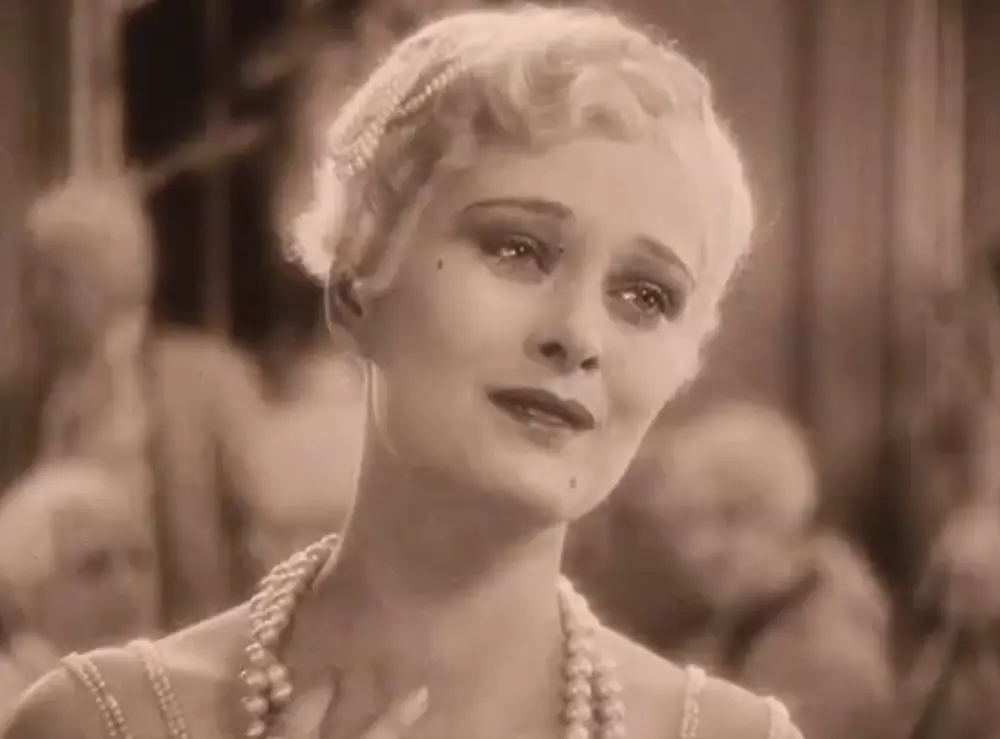
While the focus is squarely on the leads, the supporting cast is a 'who's who' of 1920s character actors. Warner Oland, before he became synonymous with Charlie Chan, brings a chilling, calculated villainy to his role.
Keep an eye out for a young Myrna Loy in a minor role. Even here, before her rise to superstardom, she possesses a screen presence that is hard to ignore. It is fascinating to see her in this early, more decorative capacity compared to the witty, sophisticated roles she would later inhabit.
The film also shares a certain DNA with Les Misérables, Part 1: Jean Valjean in its depiction of the cruelty of the French justice system. The scenes on the convict ship are brutal and surprisingly gritty for a major studio production of this era.
We have to talk about the sound. While not a 'talkie,' When a Man Loves was released with a Vitaphone synchronized score. For audiences in 1927, this was a revelation.
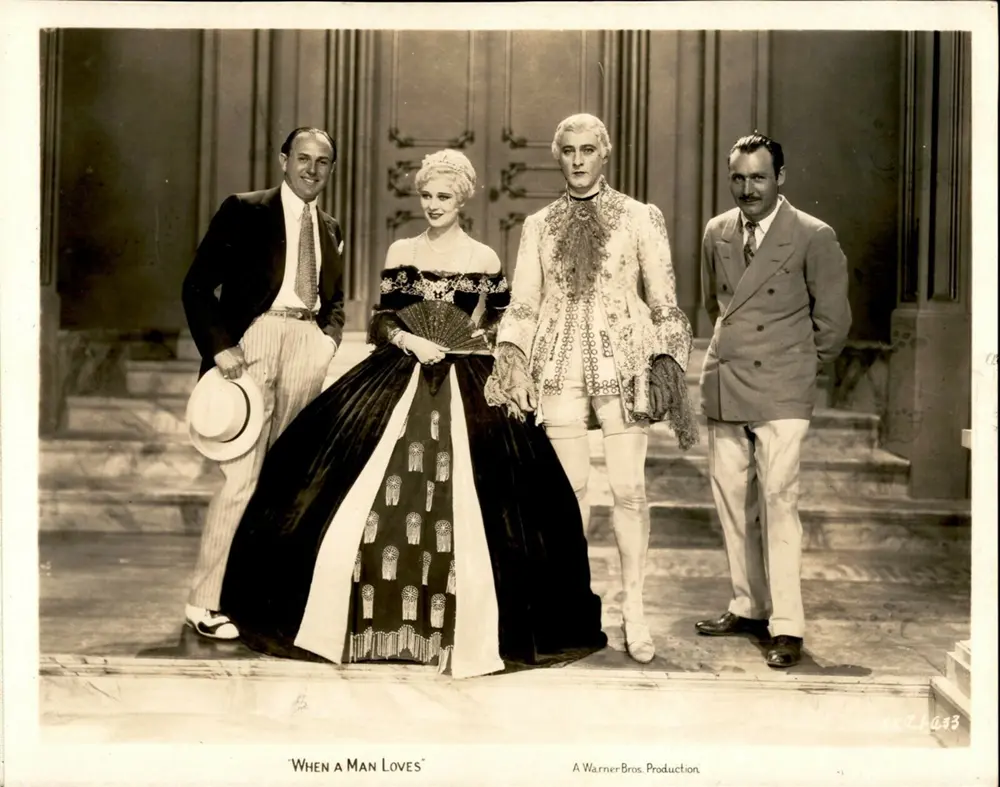
The music doesn't just accompany the action; it dictates the emotional temperature of the room. When Fabien is wrestling with his conscience in the monastery, the low, mournful organ notes create a sense of impending doom that the visuals alone might not have achieved.
The cinematography by Byron Haskin is equally impressive. He uses soft-focus lenses on Costello to give her an angelic glow, while Barrymore is often lit from below to emphasize the dramatic planes of his face. It’s a highly stylized approach that suits the material perfectly.
Pros:
Cons:
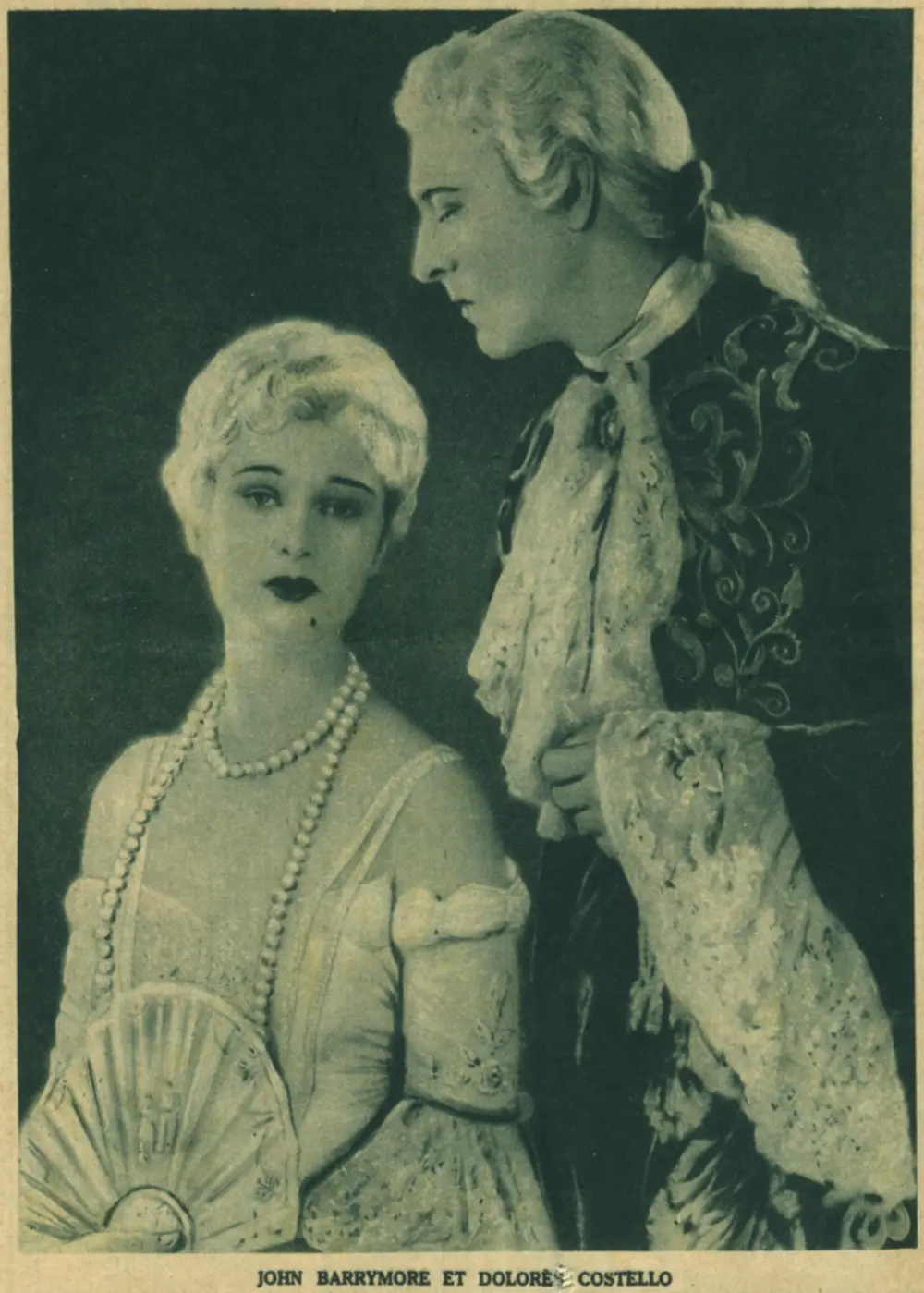
One of the most debatable aspects of the film is its treatment of Manon. Is she a victim of her circumstances, or a manipulative coquette who leads a good man to ruin?
The film tries to have it both ways. It wants us to pity her while also justifying Fabien's obsessive behavior. To a modern audience, Fabien’s refusal to take 'no' for an answer is deeply problematic. He abandons his life not because Manon asks him to, but because he cannot stand the thought of her belonging to anyone else.
"The film presents obsession as the ultimate form of devotion, a concept that has aged poorly but remains fascinating to analyze."
This moral ambiguity makes the film more interesting than a standard 'boy meets girl' story. It’s a story about two people who are fundamentally bad for each other, yet cannot break the cycle of their attraction. It’s toxic. It’s messy. And in its own way, it’s very human.
When a Man Loves is a sprawling, beautiful, and occasionally exhausting piece of cinema. It captures a moment in time when movies were becoming more ambitious in their scale and more experimental in their technology.
While it lacks the narrative tightness of modern dramas, it compensates with sheer charisma. John Barrymore is a force of nature, and the film serves as a vital document of his power. It isn't a perfect movie, but it is a significant one.
If you can get past the initial slow burn and the theatrical gestures, you will find a story that still has the power to move. It’s a relic, yes, but a polished one that still shines under the right light. It works. But it’s flawed. And that’s exactly why it’s worth your attention.
IMDb 6.7
1923
Community
Log in to comment.