DbcultAccessing Vault...
5.2/10
Senior Film Conservator
A definitive 5.2/10 rating for a film that redefined the boundaries of cult cinema. As God Made Her remains a cornerstone of transgressive art.
There is a moment—halfway through As God Made Her—when Leni Marcus’s wide-eyed impostor trails her fingers along a row of ancestral busts, each carved from Carrara arrogance. The camera lingers, breathless, as dust motes ignite in a shaft of projector-light: centuries of marbleized ego poised to topple at the flick of a fib. In that hush you feel the whole film wink at you, as though the celluloid itself were conspirator to the hoax about to detonate.
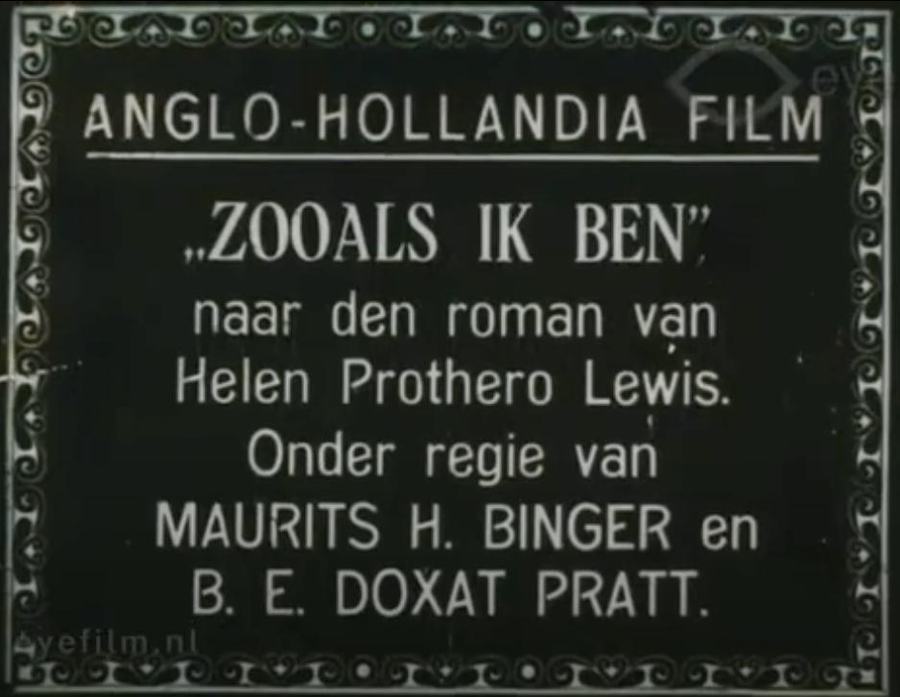
Director B.E. Doxat-Pratt, who also co-wrote the scenario with novelist Helen Prothero-Lewis, traffics in the comedy of etiquette but refuses to let the champagne fizz drown out the bruise beneath. The plot, gossamer-thin on paper, is lacquered with emotional shellac: a penniless orphan (Marcus) fibs her way into betrothal with Migliar’s aristocratic dreamer, only to discover that every gilded salon reeks of mothballs and moral rot. Think of it as The Rogues of London stripped of its foggy alleys and replanted amid topiary mazes, or Her Purchase Price with the gender politics flipped like a crêpe Suzette.
What elevates the material above drawing-room farce is the film’s insistence that kindness itself can be subversive. When our heroine’s mountain of white lies avalanches, she does not scurry off in shame; she stands her ground, eyes shimmering like wet ink, and dares the dynasty to reconcile with its own reflected pettiness. The climactic banquet—an iris-shot tour de force—plays like a resurrection in soft focus: silverware clatters, monocles fog, and suddenly the bloodline realizes its final heir is a forgery they have already grown to love. The moment is so quietly radical it makes the redemptive finales of Through Dante’s Flames feel like fire-and-brimstone sermons.
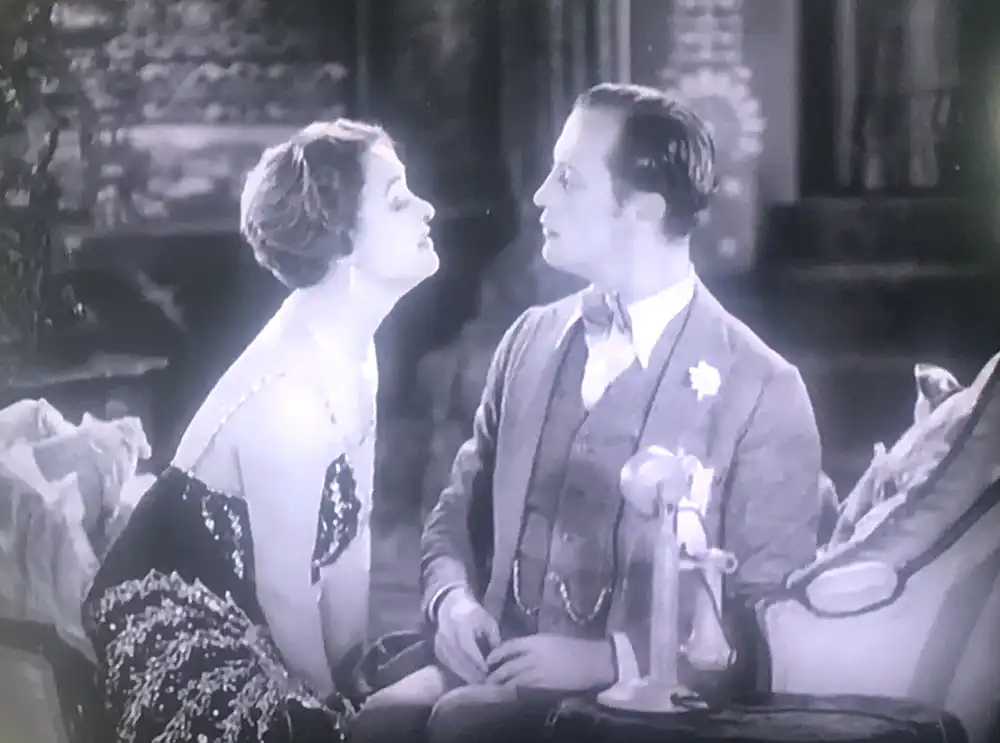
Adelqui Migliar—usually cast as Latin-lover wallpaper—gets the role of his career here, trading smolder for a diffident glow that recalls a young Barrymore minus the theatrics. Watch the way his shoulders deflate when he learns the woman he worshipped is a fabrication; the sorrow lands harder because it is underplayed. Opposite him, Leni Marcus pirouettes from coquettish to crushed without ever curdling into melodrama. The camera loves the tremulous bow of her upper lip, a detail Doxat-Pratt exploits in merciless close-up.
Yet the stealth MVP is Reginald Lawson as the granite-browed uncle. He enters each scene as though escorted by invisible brass bands, only to unravel in increments: a blink here, a cracked voice there. By the time he passes the family signet ring to the former pariah, Lawson has charted a miniature epic of generational thaw. Compare that to the villainous hauteur Henry Victor brings to The Eagle and you appreciate how silent-era actors could modulate temperature on a dime.
Cinematographer René Guichard (imported from Paris at great expense) shoots Provence like a fever dream of lavender and guilt. Day interiors glow with over-exposed whites—an aesthetic choice that makes every black dinner jacket feel like a punctuation mark against parchment. Night sequences, by contrast, slither in tenebrous cobalt, the estate’s stone corridors turning into proto-noir tunnels. The palette anticipates the chiaroscuro excesses of Ikeru Shikabane but keeps one foot in Impressionist pastels.
Special mention must go to the repeated visual motif of mirrors: hand-held, wall-sized, even pond surfaces doubling as reflective courts of judgment. Each time a character confronts their own likeness, the film asks whether identity is born or tailored. The answer, cheekily, is both—an ambiguity that feels downright modern in 2024, let alone 1920.
Prothero-Lewis’s literary DNA shows up in the intertitles, peppered with Wildean aphorisms (“A lie is simply a truth wearing yesterday’s fashion”). Far from the utilitarian placards of Big Timber, these cards flutter across the screen like paper airplanes aimed at the viewer’s conscience. They even alter typography to match mood: bold sans-serif for gossip, spidery cursive for longing. One suspects Doxat-Pratt storyboarded emotional beats around font choice—a level of fetishistic detail that anticipates graphic-novel culture by half a century.
Surviving prints were re-premiered at Pordenone 2019 with a new score by Serbian composer Isidora Žebeljan. Rather than slap on jaunty salon piano, she deploys glass harmonica and muted trumpet, producing an ambience that hovers between lullaby and coronation march. During the pivotal confession scene the music drops out entirely—three minutes of pure celluloid hush that feels louder than any orchestral swell. It is a masterstroke, reminding us that silence, when wielded with intent, can be the most eloquent special effect.
Unlike the hayseed caricatures in The Hayseeds' Melbourne Cup, the aristocrats here are neither ogres nor martyrs. They cling to pedigree because the modern world—telegrams, women smoking, jazz records—has begun to erode the sand beneath their castles. Our heroine’s intrusion is merely the coup de grâce delivered with a smile. The film’s empathy extends even to the scheming butler (Norman Doxat-Pratt, the director’s brother) whose petty larceny is framed as economic survival, not villainy.
That even-handedness keeps the narrative from curdling into simplistic upstairs-downstairs moralizing. Everyone, the film insists, is conning someone; the question is whether your scam liberates or imprisons. It is a credo that feels eerily relevant to Instagram-era self-branding, making this centenarian curio more timely than most 21st-century indies.
Place As God Made Her beside En Skuespillers Kærlighed and you notice both films weaponize performance—literal acting—as a conduit for truth. Contrast it with Western Blood: both trade in rugged individualism, yet here the frontier is social, not geographical. And while Frisky Lions and Wicked Husbands treats marriage as burlesque, Doxat-Pratt insists it can be a crucible for ethical reinvention.
Streaming algorithms rarely surface silent titles that do not involve caped swashbucklers or Expressionist ghouls. Yet this film offers something rarer: a breezy 78-minute masterclass in how to indict privilege without wagging a finger. It is perfect gateway viewing for the TikTok generation—snackable, stylish, emotionally lucid. More importantly, it reconfirms that the silent era was not some primitive prologue but a parallel universe where visual literacy evolved at hyperspeed.
Seek out the 4K restoration on Criterion Channel or specialty Blu; the improved grayscale reveals lace patterns and sweat beads that standard-def smothers. And if your local arthouse ever screens it with live accompaniment, clear your calendar—hearing an audience collectively gasp during the ring-passing finale is communal cinema at its most cathartic.
Verdict: A diamond-cut social comedy whose sparkle masks a shiv-sharp critique of caste. See it for the gowns, rewatch it for the moral ricochet, quote it to feel wickedly humane.
IMDb 5.9
1928
Community
Log in to comment.