DbcultAccessing Vault...
Cult Review
Senior Film Conservator
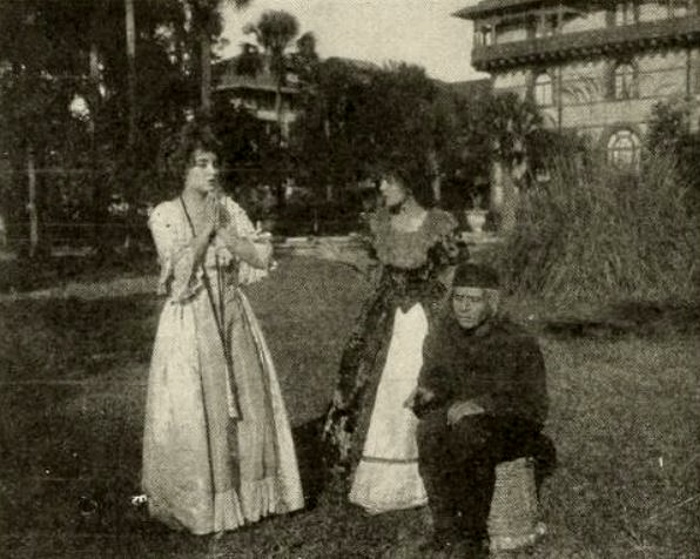
In the shadowed corridors of early 20th-century cinema, A Celebrated Case emerges as a triumph of narrative economy. This 1913 film, directed with a precision that feels both archaic and prophetic, constructs a world where every glance, every gesture, and every intertitle is laden with the weight of consequence. The story, adapted from the plays of Eugène Cormon and Adolphe d'Ennery, is not merely a period drama but a philosophical inquiry into the mechanics of trust and the illusion of innocence.
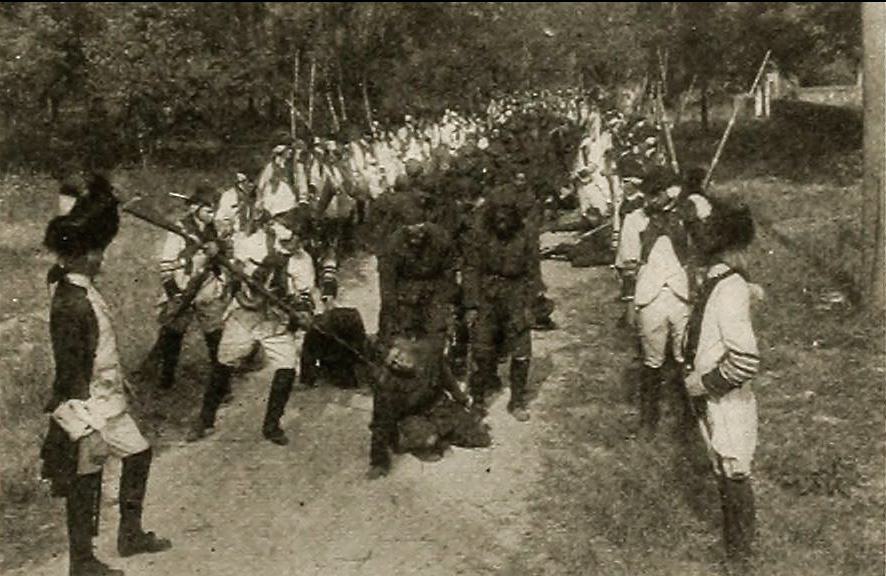
At its core, the film is a study in contrasts. Madeline, played with steely fragility by Alice Hollister, embodies the paradox of a woman who clings to her daughter’s purity while orchestrating a web of deceit. Her relationship with Jean Renaud (Harry F. Millarde) is a dance of duty and defiance, their marriage a battleground where love and ambition collide. The jewels and papers entrusted to Renaud by the Count de Moray are more than mere plot devices—they are metaphors for the inescapable burdens of inheritance, both literal and moral.
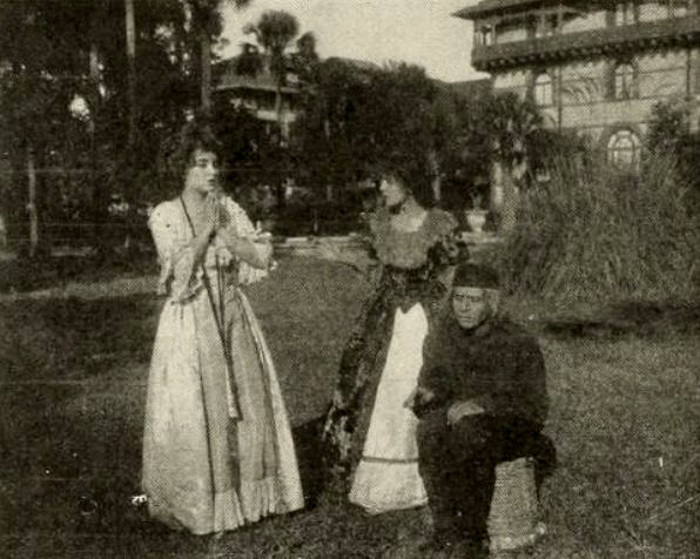
The film’s most audacious choice is its treatment of time. The five-year jump between Renaud’s battlefield commission and the events that follow is handled with a silence that is deafening in its implication. Lazarre (James B. Ross), the film’s antagonist, emerges not as a caricature of villainy but as a manifestation of entropy—a force that feeds on the cracks in Madeline’s carefully constructed lies. His murder of Madeline is not a mere act of violence but a symbolic severing of the past, allowing Adrienne to inherit a truth that is both liberating and devastating.
What elevates A Celebrated Case beyond the conventions of its era is its visual storytelling. The use of chiaroscuro—light and shadow—echoes the duality of its characters. In one sequence, as Adrienne (Marguerite Courtot) confronts the neighbors, the camera lingers on her face, the intertitles sparse but piercing. The silence here is not absence but presence, a language of its own that communicates the enormity of her burden. The film’s final act, where Renaud’s exoneration is rendered through a montage of judicial documents and a single, lingering shot of the Duchesse’s talisman, is a masterstroke of understatement.
Comparisons are inevitable. The film’s preoccupation with familial legacy and political machinations invites parallels with The Crime and the Criminal, though A Celebrated Case distinguishes itself by framing its moral conflicts through the lens of gender. Madeline’s agency is both its strength and its tragedy—a theme that resonates with the feminist subtexts of later works like Martin Eden, albeit without the overt symbolism of Jack London’s novel.
The casting of Alice Hollister as Madeline is nothing short of inspired. Her performance is a study in restraint, with each flicker of her eyes betraying a universe of suppressed emotion. Opposite her, Harry F. Millarde’s Renaud is a man torn between duty and desire, his stoicism crumbling into vulnerability. The chemistry between the actors is palpable, a testament to the silent film’s reliance on physicality and chemistry over dialogue.
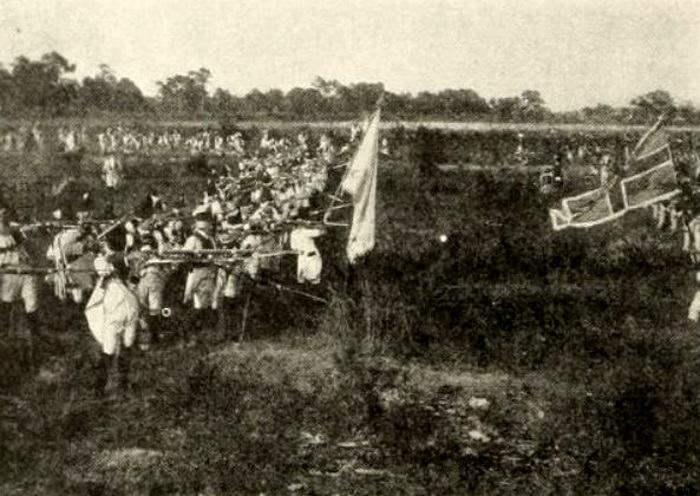
Technically, the film is a marvel. The editing, though primitive by modern standards, is purposeful, with jump cuts and cross-cutting used to build tension. The set designs—particularly the chateau where Adrienne is raised by the Duchess—frame the characters in a way that feels both grand and claustrophobic. The use of color, though limited by the era, is symbolic: the recurring motif of a yellow ribbon adorning Adrienne’s hair becomes a visual motif of innocence, gradually overtaken by the darker hues of truth.
Thematically, the film grapples with the paradox of justice. Renaud’s imprisonment is not a punishment but a necessary purgation, a momentary eclipse of virtue that allows the truth to fully emerge. The film’s message—that truth, once revealed, cannot be undone—is as relevant today as it was a century ago. It is a message delivered not with moralizing but with the quiet authority of art.
For modern audiences, A Celebrated Case serves as a bridge between the theatrical traditions of its source material and the emerging language of cinema. It is a film that demands patience, its deliberate pacing a contrast to the frenetic editing of contemporary blockbusters. Yet, in this slowness lies its power—a reminder that some stories, particularly those about legacy and identity, require time to breathe.
In conclusion, A Celebrated Case is more than a historical curiosity. It is a testament to the resilience of storytelling and the enduring human need to seek justice in a world of shadows. For film historians, it is a crucial piece of the puzzle. For general audiences, it is a haunting, beautifully crafted experience that lingers long after the final frame fades to black.
IMDb —
1916
Community
Log in to comment.