DbcultAccessing Vault...
Cult Review
Senior Film Conservator
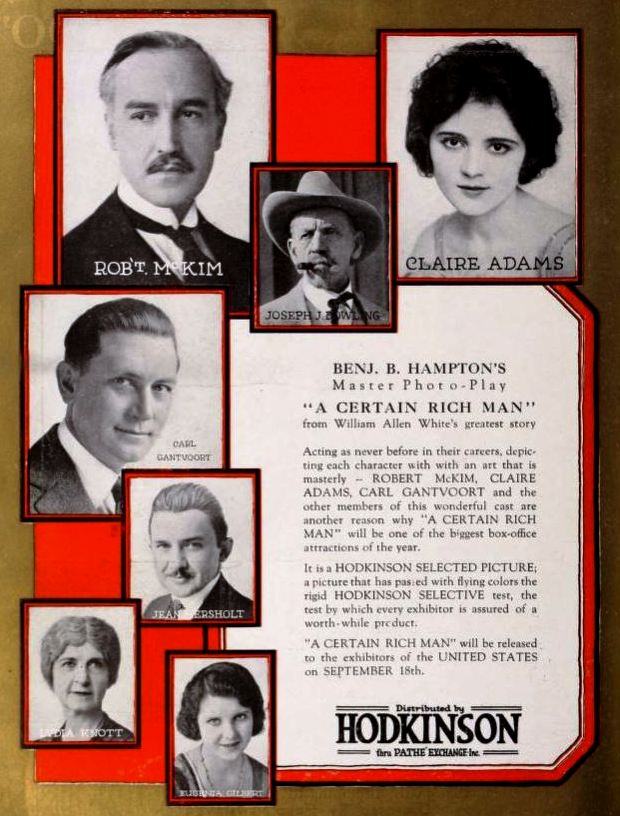
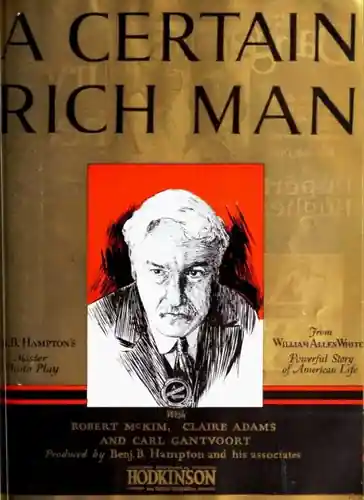
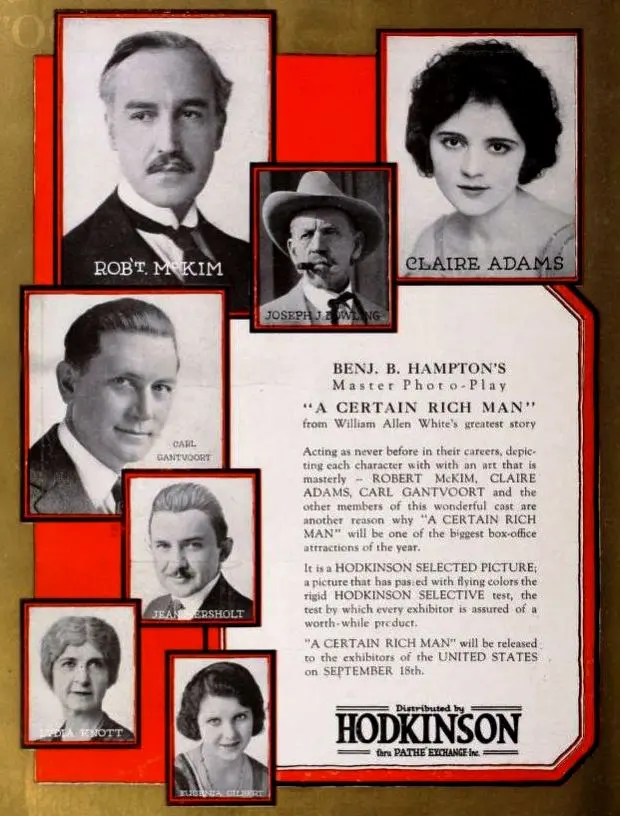
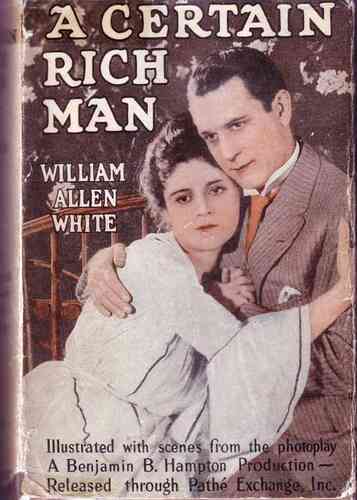
A Certain Rich Man
At the heart of the film lies the fragile bond between Bob Hendricks and Molly Culpepper. Their romance, pure and unadorned, is a fleeting moment of light in a world teeming with shadows. Bob’s father, General Hendricks, is a man on the precipice of ruin, his financial dealings with John Barclay—a manipulative industrialist—threatening to expose his embezzlement. It is here that Adrian Brownwell enters the fray, his journalistic integrity masking a simmering passion for Molly. The film’s first act is a masterclass in setup, with each character’s motivations etched in meticulous detail. The tension between duty and desire is palpable, a theme that reverberates throughout the narrative.
Adrian’s love for Molly is both his salvation and his undoing. When she rejects his proposal, his despair manifests as a destructive cycle of alcoholism and self-loathing. Meanwhile, Barclay, a character as cold as he is calculating, exploits the situation to manipulate Molly into a marriage of convenience. This sequence is a chilling exploration of coercion, with Barclay’s threats casting a long shadow over the town. The film’s second act is a descent into darkness, marked by the disintegration of moral boundaries and the erosion of trust. The performances of Edna Pennington and Frankie Lee are particularly noteworthy; their portrayals capture the visceral pain of betrayal and the quiet dignity of survival.

Twenty years later, the scars of the past are etched into the town’s fabric. Adrian, now a broken man, takes a desperate act of violence that fractures the fragile peace between Bob and Molly. The film’s third act is a crescendo of catharsis and irony. Barclay, having amassed a fortune through underhanded dealings, is suddenly gripped by a paralyzing guilt. His decision to distribute his wealth to those he has wronged is both a redemption and a self-annihilation. This sequence is a tour de force of cinematic storytelling, with the camera lingering on Barclay’s hollow eyes as he confronts the consequences of his ambition.
A Certain Rich Man is more than a period drama; it is a mirror held up to the human condition. The film interrogates the moral compromises we make in pursuit of love, status, and power. Its use of symbolism—most notably the recurring image of the sycamore tree, whose branches reach skyward yet root firmly in the earth—is a visual metaphor for the duality of human aspiration. The narrative’s pacing is deliberate, allowing the audience to sit with the discomfort of its themes. In this, the film echoes the works of The Tigress and Neighbors, both of which explore the fragility of social order.
The cast delivers performances that are both nuanced and electrifying. Edna Pennington’s portrayal of Molly is a study in restraint; her quiet strength and simmering rage are conveyed through subtle glances and restrained gestures. Frankie Lee, as Bob, embodies the stoic resilience of a man rebuilding his life against impossible odds. The chemistry between Pennington and Lee is understated yet deeply affecting, a testament to their shared understanding of the character’s emotional landscape. Carl Gantvoort’s Barclay is a tour de force of menace and vulnerability, a man whose icy exterior masks a soul corroded by guilt.
The film’s visual language is as rich as its narrative. The use of chiaroscuro lighting in the scenes depicting Adrian’s downward spiral is particularly striking, with deep shadows and stark contrasts reflecting his inner turmoil. The cinematography captures the desolation of Sycamore Ridge with a painterly precision, the town’s dusty streets and overcast skies mirroring the characters’ moral decay. The score, a haunting blend of piano and strings, underscores the film’s melancholic tone without overpowering the dialogue.
While A Certain Rich Man stands apart for its psychological depth, it shares thematic DNA with films like Victory, which examines the cost of ambition, and The Secret Formula, where ethical dilemmas drive the plot. However, where those films lean into melodrama, A Certain Rich Man is grounded in a stark realism that elevates it to the realm of literary cinema. Its exploration of financial corruption also invites comparisons to Branding Broadway, though the latter’s focus on showbiz gloss pales in comparison to the rawness of Sycamore Ridge’s struggles.
In an era where moral ambiguity is often the norm, A Certain Rich Man remains a powerful reminder of the human capacity for both destruction and redemption. Its narrative is a labyrinth of choices, each turn more harrowing than the last, yet the film’s resolution offers a glimmer of hope. For those who seek cinema that challenges as much as it entertains, this film is an essential viewing. It is a work that demands reflection, a testament to the enduring power of storytelling to illuminate the darkest corners of the soul.
IMDb —
1922
Community
Log in to comment.