DbcultAccessing Vault...
6.1/10
Senior Film Conservator
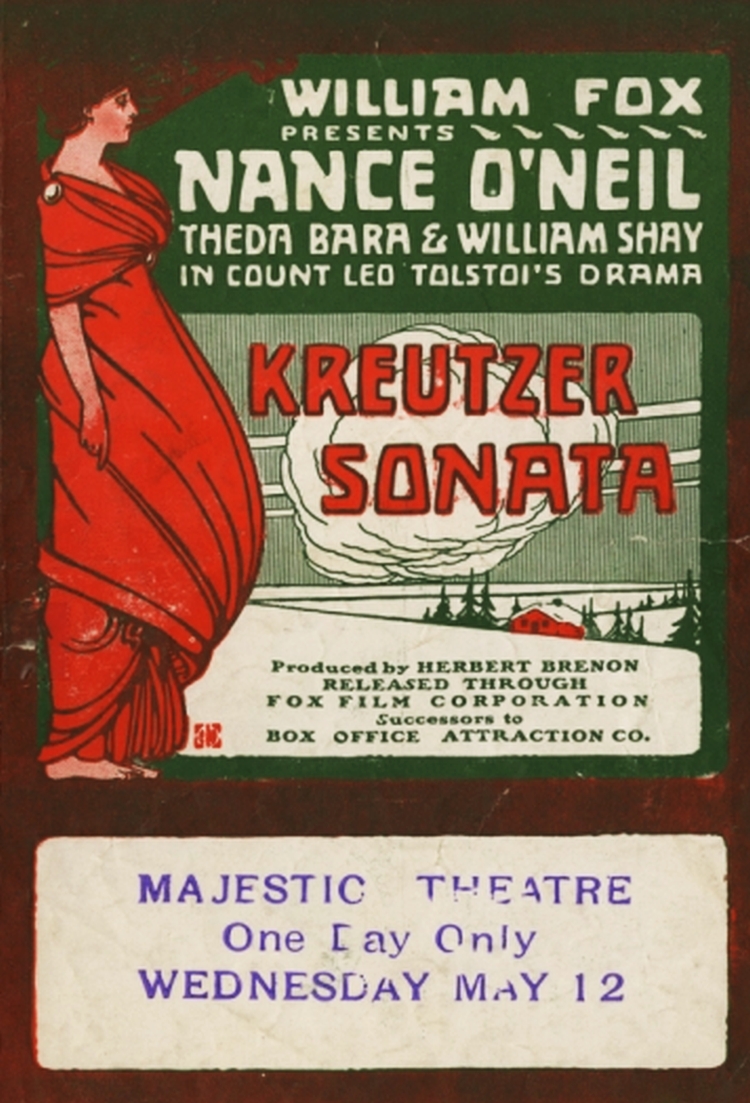
A definitive 6.1/10 rating for a film that redefined the boundaries of cult cinema. Kreutzer Sonata remains a cornerstone of transgressive art.
Tolstoy’s novella, already a furnace of sexual jealousy, detonates on-screen in Herbert Brenon’s Kreutzer Sonata (1915) like nitrate catching stray sparks. The film, once feared lost, now flickers back to life in a 4K restoration that makes every grain of its amber nitrate seem to sweat. Watching it is akin to pressing one’s pulse against a searing clothes iron: the pain is private, yet the scar is exhibitionist.
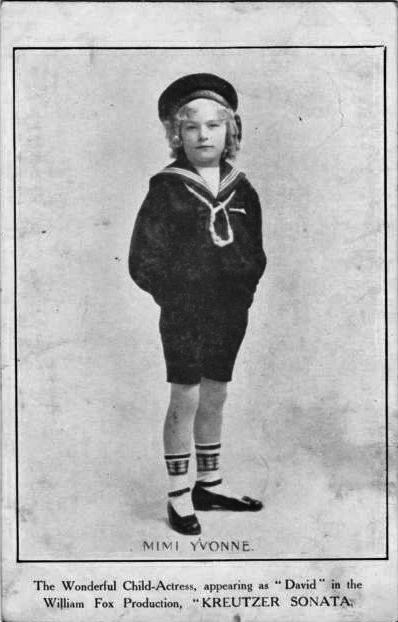
Jacob Gordin’s Yiddish-stage hit had already inflamed Lower East Side audiences; censors sharpened their scissors. Yet Mutual Film wagered that Theda Bara—cinema’s emergent vamp—could monetize moral outrage. Brenon, a conjurer of aquatic fantasies (Neptune’s Daughter), here swaps mermaids for matrimonial sharks. He condenses Tolstoy’s poisonous monologue into visual shards: a trembling hand on a violin tuning peg, a torn letter drifting like a dying moth, a child’s ball abandoned in a doorway—each image a breadcrumb on the path to homicide.
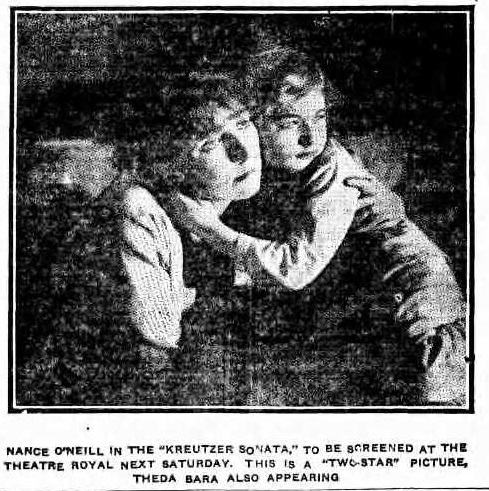
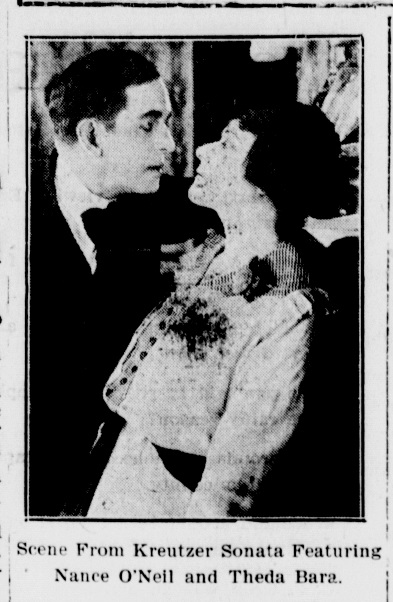
Bara, her kohl-smudged gaze a cross between Medusa and Mata Hari, weaponizes stillness. In the pivotal close-up—preserved gloriously in the restoration—she learns of the affair: her pupils dilate, a flush climbs from collarbone to earlobe, the film itself seems to inhale. It’s a masterclass in micro-acting that predates Garbo’s hypnotic minimalism by a decade. Sidney Cushing’s Gregor is no mustache-twirling cad but a febrile artist crippled by proximity to genius; his fingers flutter over the violin as though the bow were a Ouija planchette channeling carnal dread. Nance O’Neil’s Celia, all flapper-before-her-time insouciance, supplies the erotic foil: ankles flashing like switchblades beneath hiked petticoats.
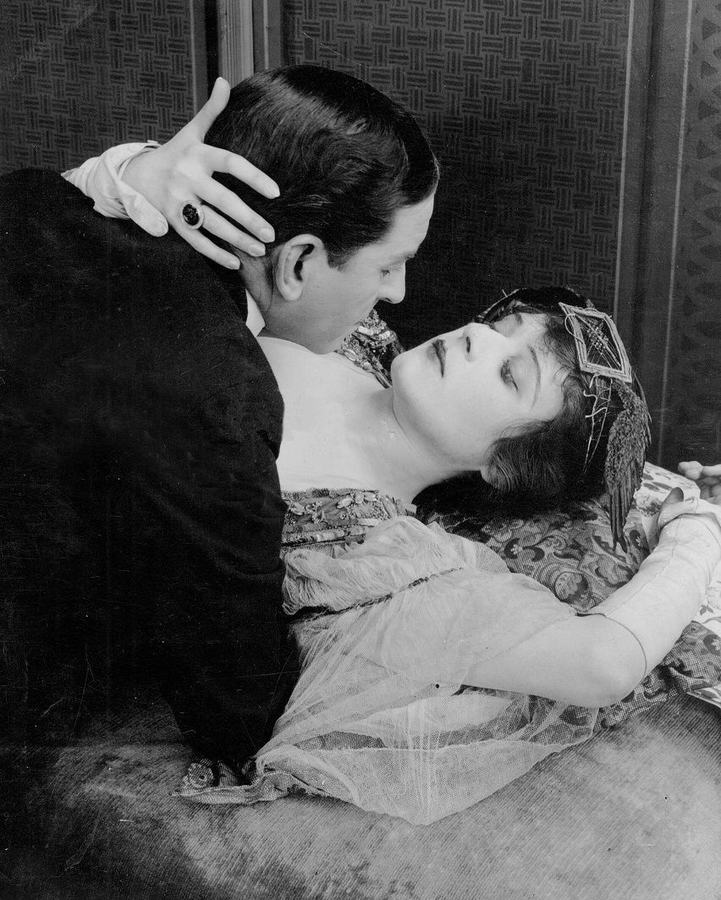
Cinematographer Ernest Haller—later celebrated for Gone with the Wind—here paints chiaroscuro with gasoline. Interior scenes smolder under amber tungsten, while exteriors of Ellis Island bask in over-exposed whites, suggesting the sterilizing glare of the New World. When Miriam spies on the lovers, Haller’s camera adopts a voyeuristic high angle, the staircase railings casting prison-bar shadows across her face. The palette—ochre, sea-murk, arterial crimson—anticipates the Expressionist fever dream of The Sky Monster yet grounds its hysteria in tenement grime.
Though originally accompanied by live musicians performing Beethoven’s Kreutzer, the restoration commissioned a new score by Aleksandra Vrebalov. String glissandi tremble beneath dialogue cards, then snap into silence at the moment of betrayal—an aural blackout that feels like being buried alive. Compare this to the bombastic orchestration of The Capture of a Sea Elephant; here, absence wields sharper teeth than excess.
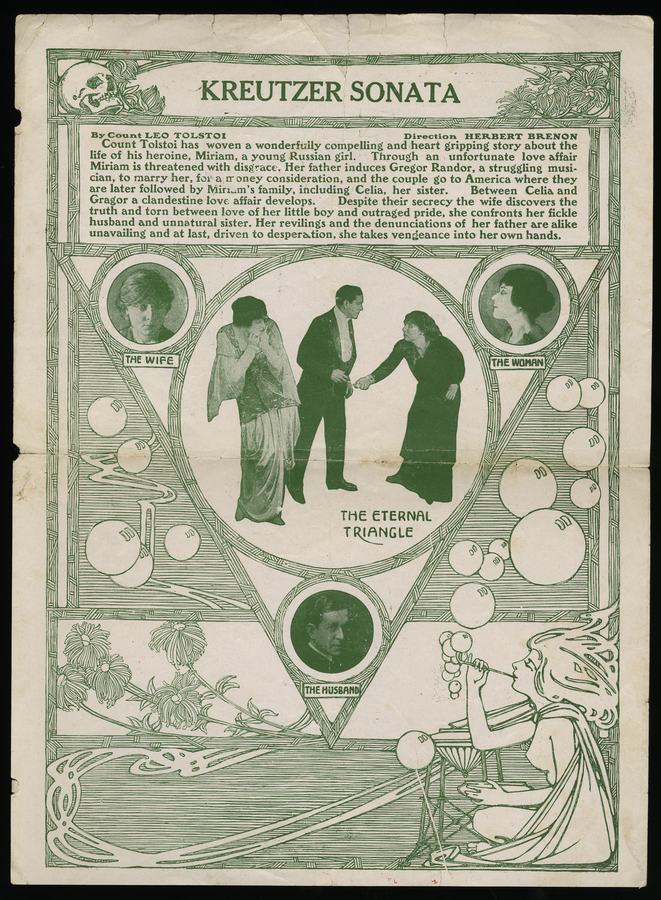
Some scholars slot Miriam alongside the martyrs of From the Manger to the Cross—women crushed under patriarchal wheels. Yet her decisive switch from victim to avenger complicates the taxonomy. She does not merely endure; she rewrites the score, weaponizing the same sexual economy that once commodified her. In doing so, she foreshadows the lethal autonomy of The Eagle’s Mate’s mountain woman, though Miriam’s battlefield is bourgeois parlor, not craggy wilderness.
Chicago’s police commissioner seized prints, denouncing the film as “a syllabus for sedition.” Mutual responded by shipping two alternate endings: one where Miriam forgives, another where she dies of shame. Most exhibitors, cowed by clerics, excised the revenge montage, leaving narrative gashes that scholars once mistook for avant-garde ellipsis. Only the 2022 MoMA restoration reinstates the full vengeance sequence—an iris-out on Miriam’s Mona Lisa smirk as the house burns, a shot so incendiary that preview audiences reportedly stampedede toward exits.
Place Kreutzer Sonata beside God, Man and the Devil and you glimpse an alternate history where American cinema embraced moral ambiguity before noir’s postwar bloom. Its DNA snakes through von Stroheim’s Wedding March, through Bergman’s chamber pieces, even through the toxic erotics of Fatal Attraction. Yet the film remains shackled to its era: intertitles bloated with Victorian moralism, minority characters relegated to porter clichés. These blemishes, though jarring, serve as cautions against nostalgic fetishization.
Is Kreutzer Sonata a masterpiece? That hinge word feels brittle. It is, rather, a volatile relic—nitrate heart trembling between antique melodrama and modernist fissure. Watch it for Bara’s incandescent wrath, for Haller’s Caravaggio-in-motion, for the frisson of witnessing pre-code candor before the Hays office hammer fell. Then spend the sleepless night pondering how many other canonical films—Chûshingura, Dødsklokken, even When Broadway Was a Trail—lie half-dissolved in vinegar baths, waiting for archivists to resurrect their ghosts.
Verdict: 9/10 – A scorched fingerprint on the window of early cinema; required viewing for cinephiles, suffragist historians, and anyone who suspects love was always a battlefield.

IMDb —
1931
Community
Log in to comment.