DbcultAccessing Vault...
Cult Review
Senior Film Conservator
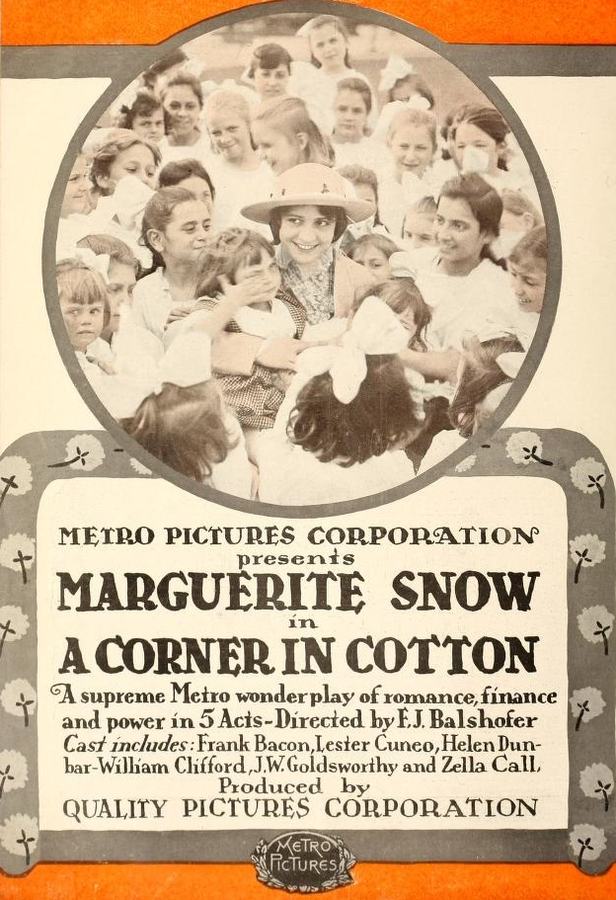
Stepping into the flickering shadows of early cinema, one occasionally unearths a gem that, despite its age, resonates with an astonishingly modern sensibility. Such is the case with A Corner in Cotton (1917), a film that, far from being a mere relic, offers a potent blend of social commentary, economic drama, and a surprisingly progressive portrayal of female agency. It’s a fascinating artifact, not just for its narrative ambition but for how it tackles complex themes of class disparity, industrial exploitation, and the moral ambiguities of capitalism, all through the lens of a compelling human story. As a blogger who revels in dissecting the nuances of storytelling, I find myself drawn to its intricate plot and the bold statement it makes about social responsibility versus unchecked greed.
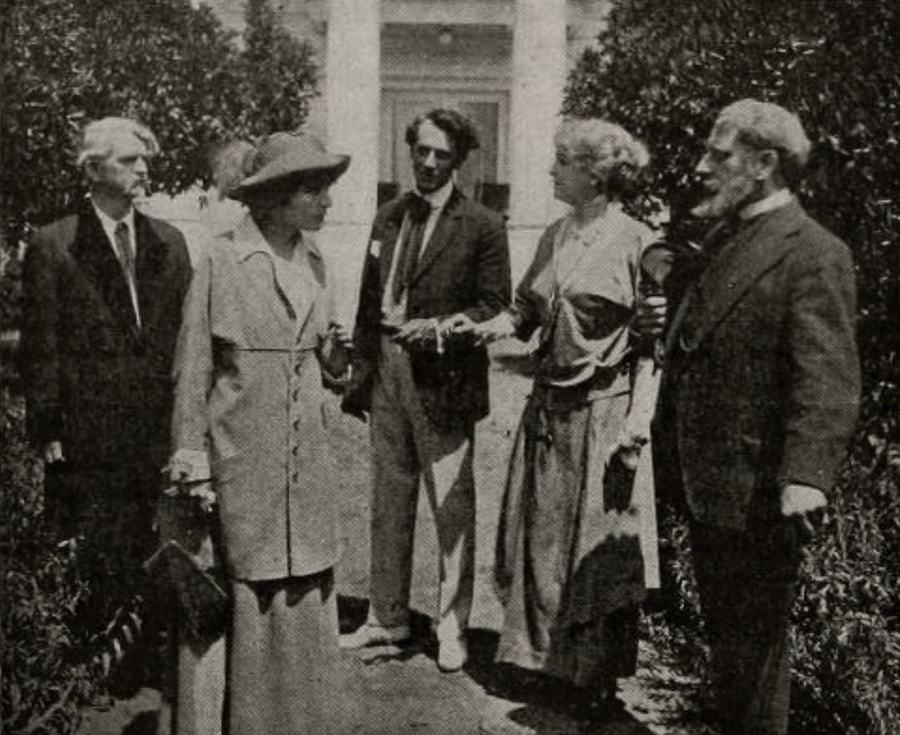
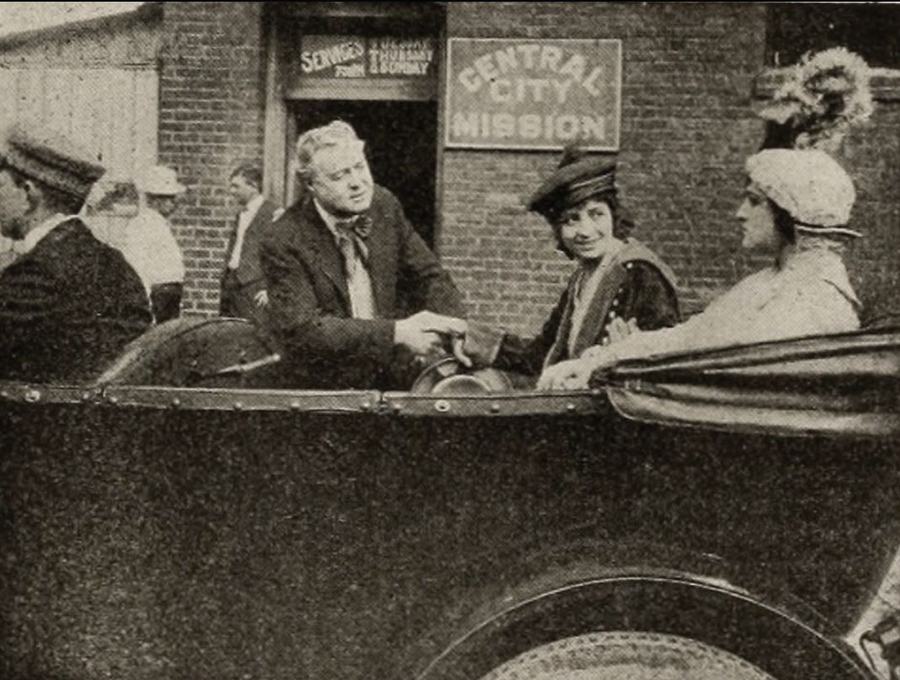
At the heart of A Corner in Cotton is Peggy Ainslee, brought to vivid life by the expressive Marguerite Snow. Peggy isn't your typical silent film damsel; she's a woman of considerable privilege, the daughter of a wealthy broker, yet she finds herself profoundly dissatisfied with the gilded cage of high society. This isn't a frivolous whim but a genuine yearning for purpose, a desire to engage with the world beyond tea parties and social engagements. Her decision to immerse herself in the impoverished quarters of New York City, under the guidance of settlement worker Charles Hathaway (William Clifford), marks her initial, pivotal step towards self-discovery. This early narrative choice immediately sets the film apart, aligning it more closely with socially conscious dramas of the era, such as The Valley of Decision, which also explored the stark realities of industrial life and class divides. Peggy's engagement to Algie Sherwood (Lester Cuneo), a character who embodies the very idleness she seeks to escape, serves as a stark contrast to her burgeoning ideals. The dramatic tension surrounding this engagement, exacerbated by the jealous machinations of Isabelle Rawlston (Zella Caull), quickly establishes Peggy's independent spirit. When Algie demands she abandon her settlement work, her refusal and the return of his engagement ring are not just acts of defiance but declarations of her burgeoning identity.
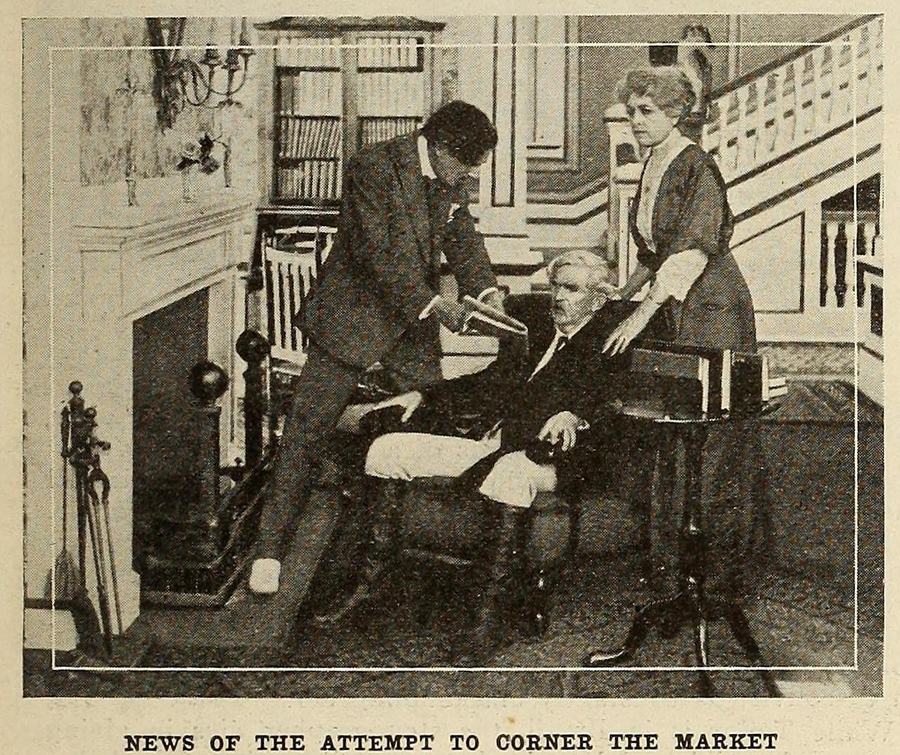
The plot takes a fascinating turn when Peggy receives a birthday gift of $50,000 worth of Consolidated Cotton stock. Her immediate intention to use this capital for charity underscores her unwavering commitment to social uplift. However, this seemingly benevolent gift becomes a linchpin in a much larger economic struggle. Her father, a titan of Wall Street, learns of the dire financial straits facing Southern cotton mill owners and, in an act of what he perceives as pragmatic business, offers to 'aid' Colonel Robert Carter (John Goldsworthy), a proud and haughty Southern planter. Carter's indignant refusal, viewing it as an insult rather than assistance, ignites a financial war. This dynamic is incredibly well-conceived, pitting the cold, calculating logic of Northern finance against the deeply entrenched pride and traditionalism of the Southern agrarian economy. It’s a conflict that resonates with historical tensions, making the film a valuable lens into America's post-Civil War economic landscape. Peggy, puzzled by Carter's refusal and driven by her innate desire to understand, decides to go South herself, a bold and unconventional move for a woman of her station in that era.
Peggy's journey South and her decision to work as a mill hand is perhaps the most audacious element of the narrative. It’s a direct, visceral way for her to experience the very conditions she initially sought to alleviate in New York. This 'undercover' aspect adds a layer of adventurous intrigue, reminiscent of early social dramas that sought to expose societal ills by placing privileged characters directly within them. Her beauty, inevitably, attracts unwanted attention from the foreman, leading to a tense struggle. This moment, a classic cinematic trope, serves its purpose by introducing John Carter (Wilfred Rogers), the Colonel's son, who heroically intervenes. His gallantry immediately sparks a connection with Peggy, laying the groundwork for a romance that transcends class and regional divides. This rescue isn't just a plot device; it's a symbolic moment where the idealized vision of the South (represented by John's honor) meets Peggy's practical, hands-on empathy. The subsequent discovery of the boll weevil and the crop shortage plunges the Carter family into deeper financial peril, setting the stage for Peggy's father to execute his ruthless plan: cornering the cotton market to utterly crush Colonel Carter.

Upon learning of her father's Machiavellian manipulations, Peggy's commitment to justice solidifies. She hurries back to New York, not as a helpless observer, but as an active participant. Her $50,000 worth of stock, initially a birthday gift, now becomes her weapon. What follows is a thrilling sequence on the exchange, a David-and-Goliath battle where Peggy, with her relatively modest nucleus of stock, takes on the titan of Wall Street—her own father. The audacity of this premise, a young woman challenging the established financial order, is remarkable for 1917. This isn't merely a personal vendetta; it's a principled stand against the devastation her father's actions would wreak upon countless mill hands and the broader Southern economy. Her triumph, which stuns her father who remains oblivious to his antagonist's identity until her reveal, is a powerful moment of poetic justice. It's a clear statement that moral conviction can, at times, overcome pure economic might. This scene could easily draw parallels with later, more celebrated financial dramas, showcasing how early cinema was already grappling with these complex themes. The film's portrayal of a woman actively engaging in and winning a high-stakes financial battle is exceptionally progressive for its time, contrasting sharply with the more passive female roles often seen in contemporary films like The Haunted Manor or even The Heart of Nora Flynn.
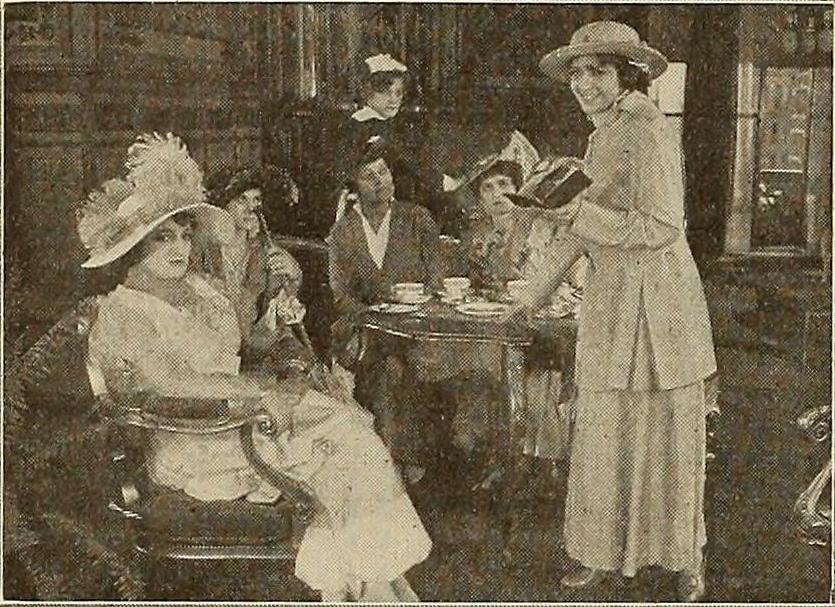
Peggy's explanation of the hardships her father's corner would have inflicted is not delivered with malice but with a clear-eyed understanding of social consequence. This leads to a profound shift in her father's perspective, culminating in his agreement to accompany her South. This journey facilitates a crucial meeting between the two powerful men, the Wall Street broker and the Southern planter, who, through Peggy's intervention, finally achieve a complete understanding of economic questions and conditions. It's a beautifully symbolic reconciliation, hinting at a potential harmony between different economic philosophies and regions. Young John Carter’s realization that Peggy was the one who 'broke' the corner and saved his family adds another layer of appreciation and admiration to their burgeoning romance. The film concludes with a delightful, if somewhat quaint, resolution: the exchange of cotton bolls for orange blossoms, symbolizing the union of their families, their regions, and their shared future. It's a hopeful ending, suggesting that empathy and understanding can bridge even the widest divides.
In an era defined by pantomime and expressive gestures, the cast of A Corner in Cotton delivers performances that are both compelling and nuanced. Marguerite Snow, as Peggy, is particularly memorable. Her transformation from a listless socialite to a determined social reformer and savvy market player is conveyed with remarkable clarity, her facial expressions and body language speaking volumes where dialogue is absent. She projects an intelligence and resolve that makes her character’s extraordinary actions believable. William Clifford, as the earnest Charles Hathaway, provides a grounded counterpoint to Peggy’s initial idealism, while Lester Cuneo effectively portrays the superficiality of Algie Sherwood. John Goldsworthy’s Colonel Carter embodies Southern pride with a compelling blend of dignity and stubbornness, making his eventual softening all the more impactful. Wilfred Rogers, as John Carter, brings a heroic yet gentle presence, making his connection with Peggy feel natural and earned. The direction, likely by a team including Charles A. Taylor, along with writing contributions from Anita Loos, manages to juggle multiple plot threads—romance, social commentary, and high-stakes finance—with impressive dexterity for a film of its time. The pacing is deliberate, allowing the audience to fully grasp the motivations and consequences of each character's actions. The use of intertitles is effective, providing necessary exposition without hindering the visual storytelling. This film, in its thoughtful construction and execution, stands proudly alongside other ambitious narratives of its time, such as What Will People Say? or The Master Hand, demonstrating a commitment to engaging audiences with more than just simple melodrama.
What truly elevates A Corner in Cotton beyond a historical curiosity is its thematic depth. The film is a powerful exploration of the moral hazards inherent in unchecked capitalism. Peggy’s father represents the ruthless, detached logic of the market, where human lives and livelihoods are mere externalities in the pursuit of profit. His desire to 'crush' Colonel Carter is not personal but purely transactional, a demonstration of power. Peggy, on the other hand, embodies a nascent form of social justice, arguing for a capitalism tempered by conscience and empathy. Her journey highlights the importance of direct experience in fostering understanding; it’s only by working in the mills that she truly grasps the human cost of economic decisions. The film also delves into class distinctions, not just between the wealthy and the poor, but also between different strata of wealth—the industrial North versus the agrarian South. It argues that genuine progress requires understanding and cooperation across these divides, rather than exploitation. The role of women in society is another subtle but potent theme. Peggy's agency, her intelligence, and her courage to challenge patriarchal authority (both familial and economic) make her a surprisingly modern heroine. She’s not just an object of romance but a catalyst for change, a force to be reckoned with. This portrayal of female strength and intellect is particularly noteworthy, especially when compared to films that often confined women to more traditional roles. The film's message about corporate responsibility and the interconnectedness of different segments of society remains remarkably relevant today, making it a compelling watch for anyone interested in the historical roots of these ongoing debates.
A Corner in Cotton stands as a testament to the ambition and topicality of early American cinema. It's a film that dared to tackle complex socio-economic issues, intertwining them with a compelling personal narrative. While it may lack the grand scale of some epics, its focused examination of character and consequence gives it an enduring power. It’s a reminder that even in the nascent days of filmmaking, storytellers were keen to reflect and critique the world around them, using the new medium to provoke thought and inspire change. The film's nuanced portrayal of its characters, avoiding simplistic good-versus-evil archetypes, allows for a richer exploration of its themes. Peggy's father, while initially driven by greed, is not irredeemable; his transformation underscores the film's hopeful message about the possibility of understanding and reform. For enthusiasts of film history, it offers a fascinating glimpse into the social consciousness of the era, demonstrating how silent films could be both entertaining and intellectually stimulating. It’s a film that deserves to be rediscovered and appreciated for its pioneering spirit and its timeless message about the power of an individual to stand up for justice and reshape the world around them. Its narrative sophistication and thematic bravery ensure its place as an important, if often overlooked, piece of cinematic heritage, proving that some stories, much like the cotton itself, hold a value that transcends the immediate market. In an age of rapid industrialization and shifting social norms, Race Suicide, for instance, grappled with different societal anxieties, but A Corner in Cotton's focus on economic ethics feels particularly prescient.
IMDb —
1921
Community
Log in to comment.