DbcultAccessing Vault...
Cult Review
Senior Film Conservator
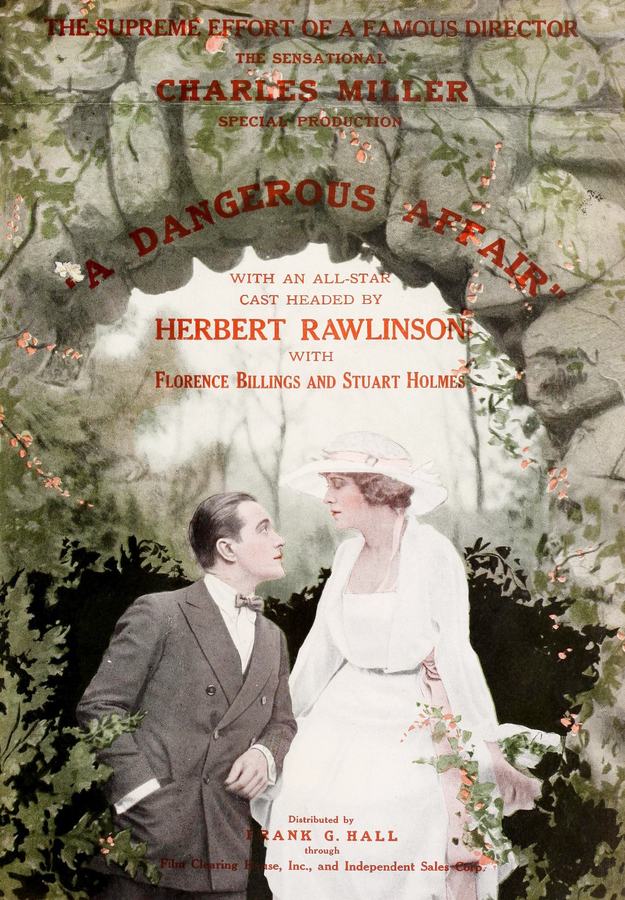
Stepping back into the cinematic landscape of 1919, one encounters a film like A Dangerous Affair, a compelling melodrama that, even a century later, retains a certain vivacious charm, a testament to the enduring power of classic storytelling. Directed by someone with a clear vision for pace and dramatic escalation, and penned by Carl Krusada and Garfield Thompson, this silent-era gem plunges viewers into a world where family loyalty is tested by avarice, and heroic deeds are performed with a swashbuckling flair that feels both quaint and exhilarating. It’s a narrative tapestry woven with threads of high stakes, perilous encounters, and burgeoning romance, all against a backdrop that hints at the societal shifts and evolving moral landscapes of its time.
At its core, the film unravels a tale of a formidable patriarch, James Rance, an elderly millionaire whose world revolves around the strategic intricacies of chess. His only perceived heir, his grandson Tommy, finds himself ensnared in the machinations of his unscrupulous uncle, Gilbert. The film opens with a palpable tension, as James issues a stern decree: another missed chess game, and Tommy's inheritance will be forfeit to Gilbert. This initial setup immediately establishes the central conflict, laying bare the fragility of familial bonds when wealth hangs in the balance. Gilbert, portrayed with a villainous relish by Stuart Holmes, wastes no time in exploiting this vulnerability, orchestrating a poker game that quickly devolves into violence, leaving a man supposedly dead and Tommy implicated, his future hanging by a precarious thread.
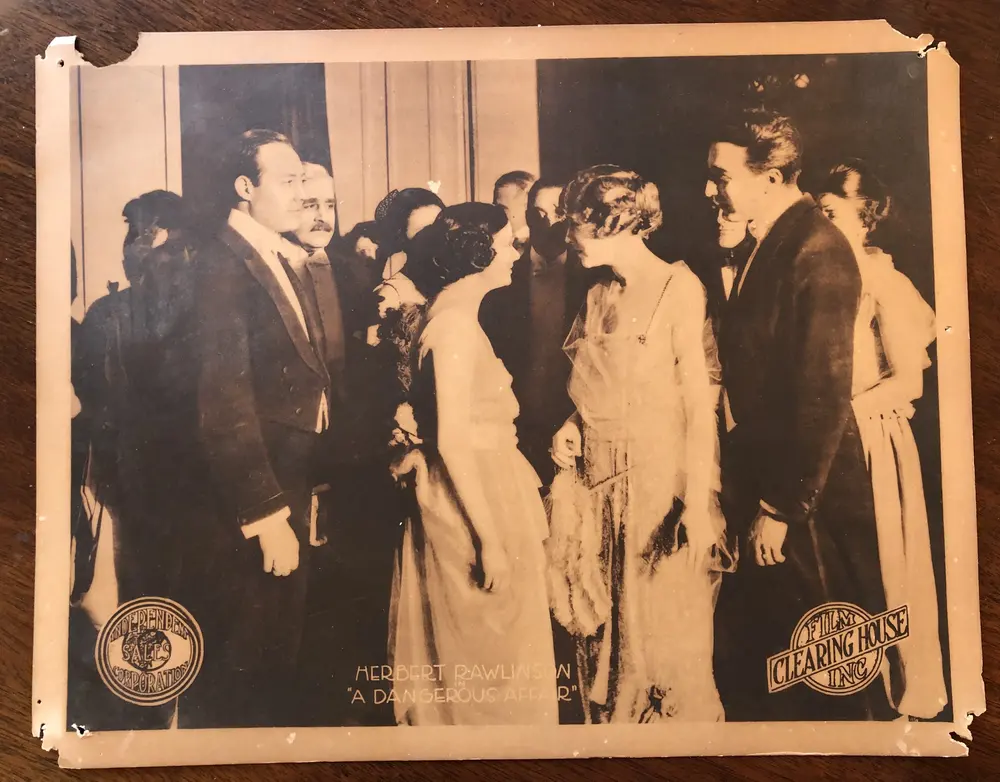
The beauty of A Dangerous Affair, and indeed many films of this era, lies in its ability to juggle multiple narrative arcs, intertwining them in ways that heighten the overall drama. Parallel to Tommy’s predicament, we are introduced to Terrence Redmond, played with an earnest heroism by Herbert Rawlinson. Terrence is a guardian to an orphan he discovered amidst the devastation of wartime France, a detail that immediately paints him as a man of principle and compassion. His burgeoning romance with Dawn Moyer, a role filled by Regina Quinn, provides a tender counterpoint to the darker currents of the Rance family saga. These separate threads begin to knot together at a grand party hosted by Elsie Rance (Florence Billings) at the iconic Hotel Plaza. It is here that Terrence, ever the gentleman, offers his unwavering assistance to Elsie, an offer that will soon prove pivotal.
The strength of the silent film era often rested on the shoulders of its performers, and the cast of A Dangerous Affair delivers with the broad, expressive gestures and nuanced facial work required to convey complex emotions without dialogue. Stuart Holmes’ Gilbert is a masterclass in silent villainy, his every sneer and calculated glance exuding menace. Herbert Rawlinson, as Terrence, embodies the ideal silent film hero – brave, resourceful, and morally upright. Regina Quinn’s Dawn is captivating, embodying the damsel in distress archetype with a spirited innocence, while Florence Billings brings a certain gravitas to Elsie Rance, the woman who sets the wheels of rescue in motion. The distinct characterizations, even for supporting roles like Ernest Torrence as the Japanese servant, contribute significantly to the film's immersive quality.
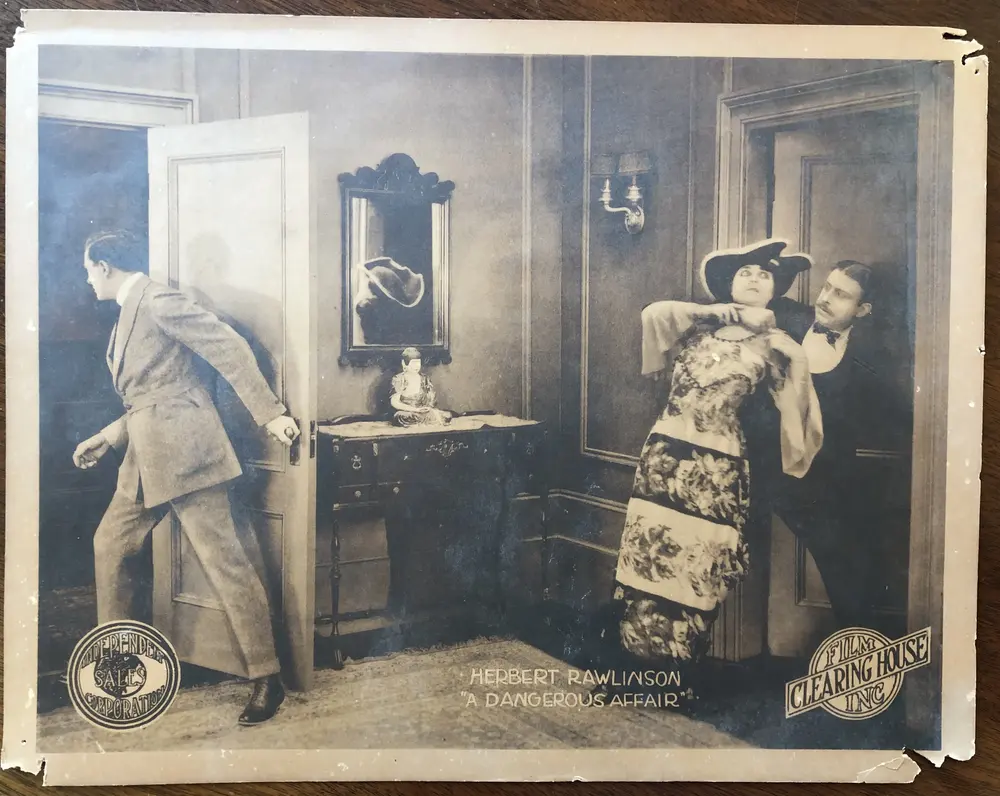
The narrative truly ignites with Tommy's disappearance, prompting Elsie to call upon Terrence. What follows is a sequence of events that would feel at home in any modern action-adventure. Terrence's confrontation with Gilbert's formidable Japanese servant is a highlight, a swift and brutal display of jujitsu that showcases the hero’s physical prowess. It’s a moment that, while perhaps leaning into certain cultural stereotypes of the era, undeniably provides a thrilling spectacle. This kind of direct, physical confrontation was a staple of adventure films then, much like the dynamic action seen in contemporaneous serials or even more elaborate productions such as Captain Kidd's Kids, which also blended daring stunts with dramatic narrative.
Terrence’s pursuit leads him to Gilbert's secluded country home, where Tommy and Dawn are found. The stakes are immediately raised with Gilbert's attempt to poison Terrence, a classic villainous trope that is executed with a darkly comedic twist: a cat, not Terrence, succumbs to the tainted cream, a stark visual warning of the danger at hand. This incident serves as a prelude to the film's most memorable action sequence: a broadsword fight between Terrence and Gilbert's henchmen. The script, with its audacious declaration that Terrence wins due to his "inherited penchant for violence," provides a delightfully pulpy justification for his superhuman combat skills. This explanation, while perhaps simplistic by today's standards, perfectly encapsulates the spirit of early cinema, where larger-than-life heroes needed only the flimsiest of reasons to dispatch a multitude of foes. It’s a moment that, for its sheer audacity and visual spectacle, might evoke comparisons to the unbridled, almost primal energy of later films like Deliverance, though in a vastly different context and tone, highlighting the raw, visceral human element in conflict.
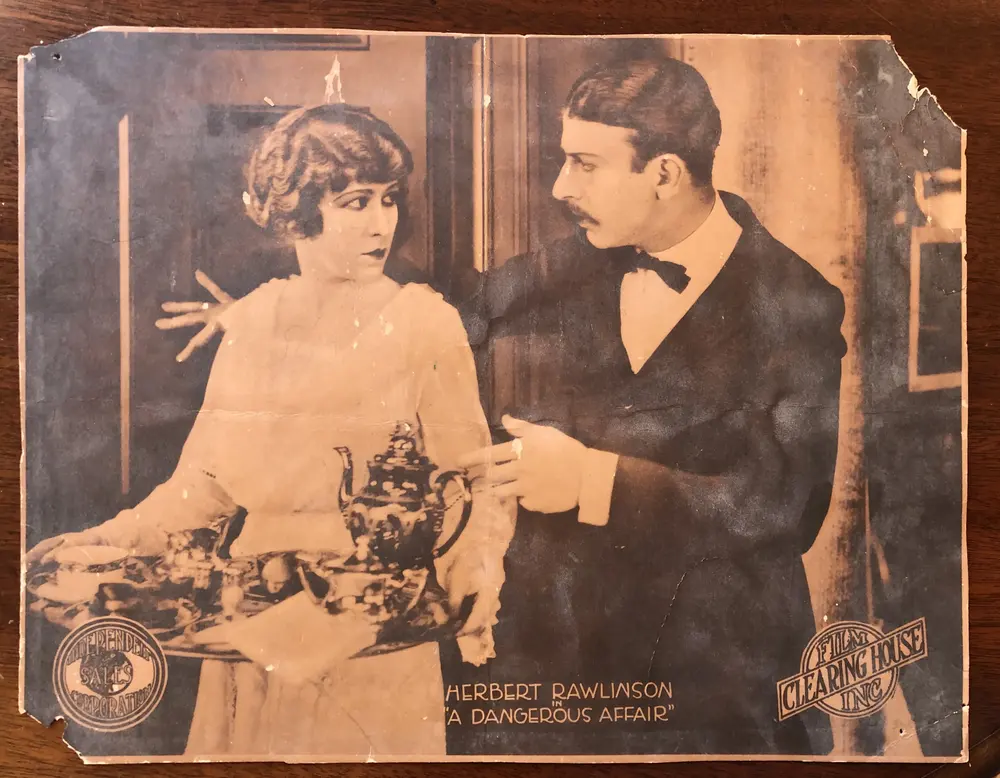
Beyond the thrills and spills, A Dangerous Affair subtly explores several thematic undercurrents. The most obvious is the corrupting influence of greed, personified by Gilbert, whose relentless pursuit of wealth drives the film's central conflict. This theme was a common staple in early cinema, often serving as a moralistic fable for audiences. The plight of the orphan, a character whose presence underscores Terrence’s benevolent nature, also resonates with the social concerns of the era, a time when the welfare of vulnerable children was a significant public discourse, much like the enduring appeal of stories such as Oliver Twist. Terrence's role as a guardian, a protector, and a romantic lead positions him as the quintessential hero, a figure who embodies the ideals of courage and selflessness.
The film also touches upon the evolving role of women, albeit subtly. Elsie Rance, while initially a catalyst for the rescue, is not a passive figure. She takes initiative, contacting Terrence and setting events in motion. Dawn Moyer, too, is more than just a romantic interest; she is a companion to Tommy and a witness to Gilbert's villainy. While they may not be as overtly independent as characters in films like Burning the Candle, which explored the burgeoning independence of women in the workplace, their agency within the melodrama is noteworthy for the period.
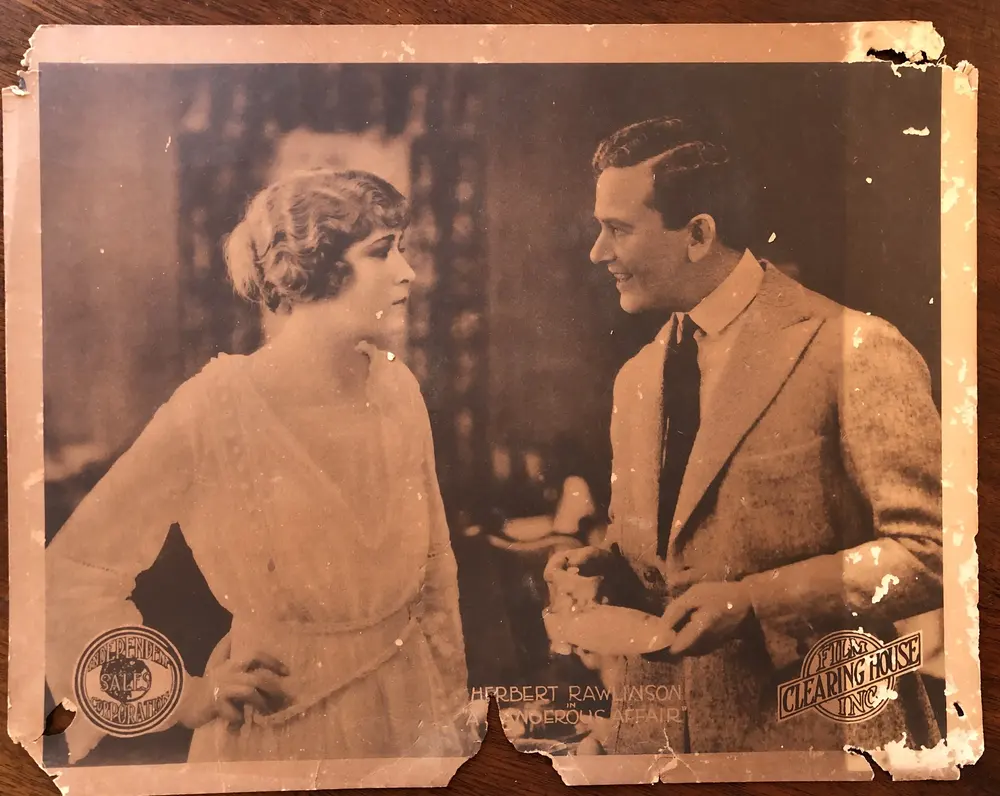
The visual storytelling in A Dangerous Affair is characteristic of its time, relying heavily on intertitles to convey dialogue and exposition, and on exaggerated expressions and gestures to communicate emotion. Yet, within these constraints, the cinematography (though uncredited, typical of the era) manages to create some striking images. The contrast between the opulence of the Hotel Plaza party and the rustic, isolated setting of Gilbert’s country home is effectively utilized to enhance the narrative's dramatic shifts. The pacing, crucial for silent films to maintain audience engagement, is well-handled, moving briskly from one plot point to the next, ensuring that the tension rarely sags. The broadsword fight, in particular, showcases an understanding of dynamic movement and spatial composition, making it a surprisingly engaging spectacle.
The resolution of the film is satisfyingly neat, tying up all loose ends with a flourish. Tommy returns just in the nick of time for the decisive chess match, securing his inheritance and thwarting Gilbert’s nefarious schemes. Elsie, in a delightful twist, finds her own happiness, becoming engaged to Terrence’s friend Bruce, thereby leaving Terrence free to pursue his romance with Dawn. This dual romantic resolution, alongside the triumph of good over evil, provides a comforting and optimistic conclusion, a hallmark of many melodramas of the era. It’s a narrative structure that prioritizes emotional catharsis and clear moral victories, a stark contrast to the more ambiguous endings that would become prevalent in later decades. The film, in its own way, contributes to the rich tapestry of early American cinema, standing alongside other genre pieces like The Secret Man or You're Fired, each offering a glimpse into the popular tastes and narrative conventions of the period.
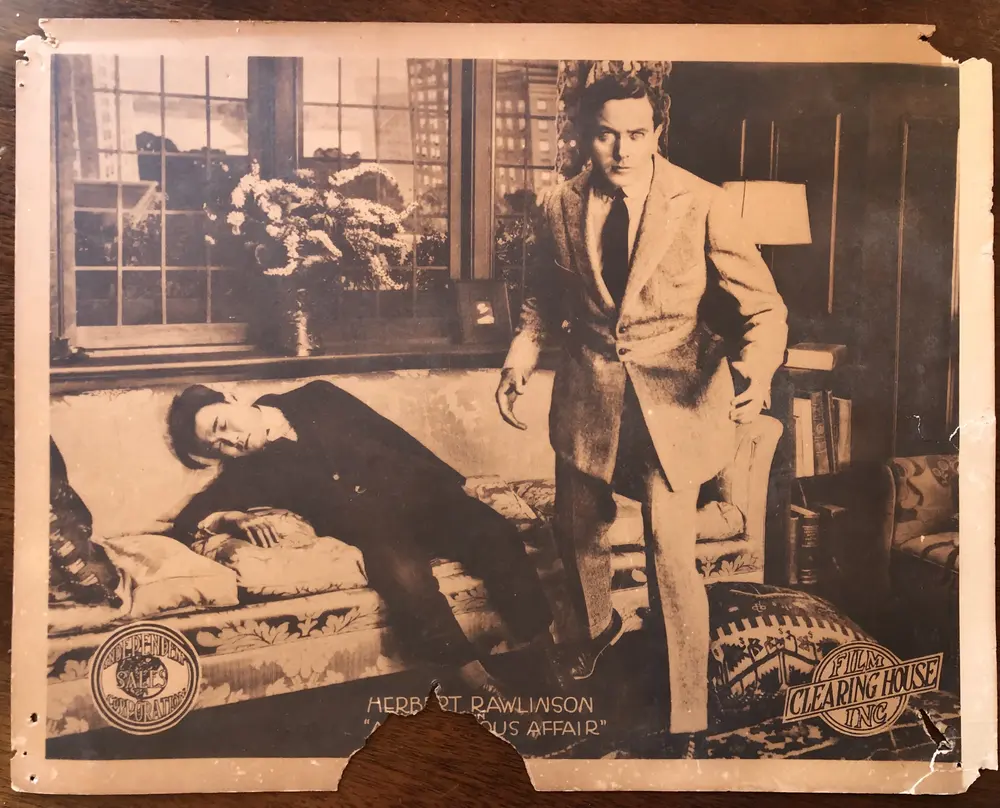
Watching A Dangerous Affair today offers more than just entertainment; it provides a valuable window into the filmmaking techniques and storytelling sensibilities of the late 1910s. It reminds us of a time when narrative clarity, strong moral compasses, and overt heroism were paramount. The film’s ability to weave together themes of family betrayal, romantic love, and thrilling action sequences within the confines of silent cinema is commendable. While certain elements, such as the "inherited penchant for violence," might elicit a chuckle from a modern audience, they are integral to the film's charm and its historical context. It is a product of its time, reflecting both the strengths and the occasional naiveties of early cinematic expression.
The film’s legacy, though perhaps not as widely celebrated as some of its more iconic contemporaries, lies in its robust entertainment value and its adherence to a formula that proved incredibly successful with audiences. It’s a prime example of the kind of engaging, action-packed melodrama that helped define the nascent film industry and lay the groundwork for future cinematic achievements. For those interested in the evolution of film, or simply in enjoying a well-crafted story of good versus evil, A Dangerous Affair remains a compelling watch, a testament to the enduring power of classic Hollywood storytelling, even when conveyed in silence. Its blend of high-stakes drama, romantic interludes, and surprisingly vigorous action sequences ensures its place as a fascinating artifact of early cinema, reminding us that the thrill of a good story transcends the boundaries of time and technological advancement.
IMDb —
1924
Community
Log in to comment.