DbcultAccessing Vault...
6.6/10
Senior Film Conservator
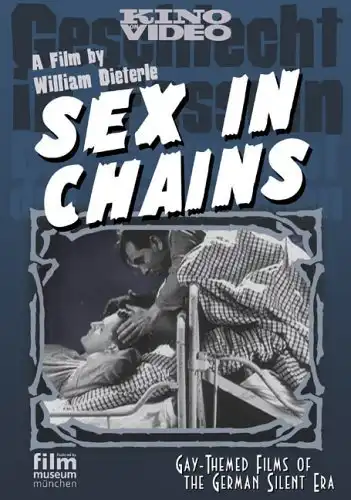
A definitive 6.6/10 rating for a film that redefined the boundaries of cult cinema. Sex in Chains remains a cornerstone of transgressive art.
Sex in Chains (1928), known in its original German as Geschlecht in Fesseln, is a challenging but ultimately worthwhile watch for silent film enthusiasts, cinephiles interested in early social dramas, and those curious about pre-Code era explorations of masculinity and institutional impact. Modern audiences accustomed to rapid pacing and overt emotional cues might find its deliberate rhythm and often understated performances a test of patience. However, for those willing to engage with its historical context and subtle visual storytelling, it offers a fascinating, if sometimes flawed, look at a man irrevocably altered by his time in prison. This is not a film for casual viewing, but for focused engagement.
Gunnar Tolnæs, as the protagonist Franz S. (the film often uses initials for privacy, a subtle but nice touch), anchors the film with a performance that relies heavily on nuanced shifts in his posture and gaze. Before his imprisonment, he carries a certain youthful arrogance, almost a swagger, despite the tragic circumstances of his crime. Upon his release, his physicality is entirely different. There's a stiffness in his shoulders, a slight slump, and a haunted quality in his eyes that speaks volumes without a single intertitle. He doesn't just act changed; he becomes a different man, carrying the prison within him.
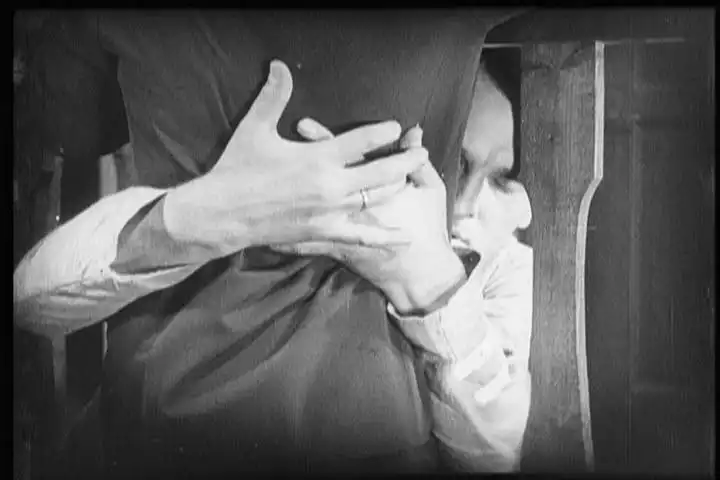
His cellmate, played by William Dieterle, is equally compelling. Dieterle brings a quiet intensity to the role, portraying a figure who becomes both a mentor and a profound emotional connection for Franz. The bond between them is depicted with a remarkable sensitivity for the era, hinting at an intimacy that transcends simple friendship. It's not explicitly sexual, yet the film doesn't shy away from the deeply personal nature of their shared existence within the confines of the cell. One scene, where Dieterle’s character silently offers Franz a small, hand-carved trinket, speaks volumes about their connection, a gesture almost paternal in its tenderness, but also possessive in its silent implication of shared hardship.
Mary Johnson, as Franz's wife, Helene, carries the burden of the "outside world." Her performance is one of growing bewilderment and quiet despair. She tries to bridge the gap, her expressions oscillating between hopeful affection and dawning horror as she realizes the man who returned is a stranger. There’s a particularly poignant moment where she attempts to rekindle their physical intimacy, only for Franz to recoil almost imperceptibly, his eyes distant, clearly still trapped within the prison walls mentally. It’s a moment of profound, unspoken marital discord, executed with remarkable restraint and devastating effect.
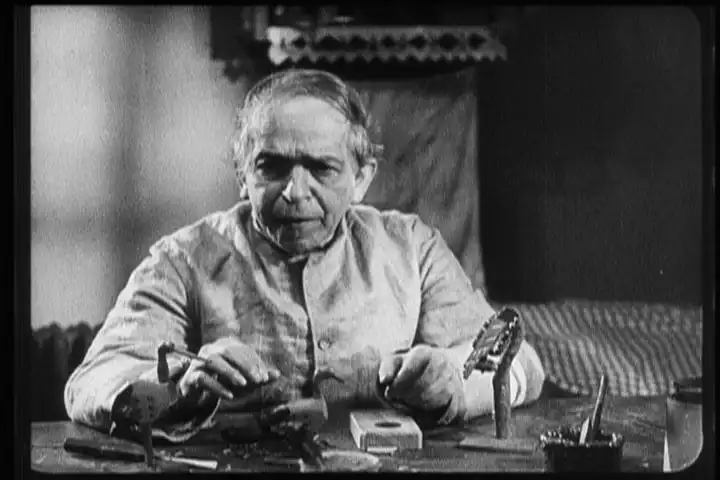
The film's pacing is decidedly deliberate, especially in its first act detailing Franz's trial and initial days in prison. The courtroom scenes, while establishing the gravity of his crime, linger a little too long, feeling somewhat static and less impactful than the sequences that follow. However, once Franz is incarcerated, the rhythm tightens, focusing on the claustrophobia and routine of prison life. Director Georg C. Klaren allows scenes to unfold with a stark realism, letting the grim environment speak for itself.
The tone is consistently somber, almost clinical, rarely indulging in melodrama. Even moments of potential emotional outburst are handled with a reserved realism. There's an underlying current of social commentary, questioning the rehabilitative nature of the justice system, or rather, its destructive impact on the individual psyche. The film doesn't preach, but its depiction of prison as a place that fundamentally alters, rather than reforms, feels pointed. This is certainly not a feel-good film, nor does it offer easy answers to the complex psychological toll it explores.

Sex in Chains makes effective use of its black and white cinematography to convey the starkness of its setting. The prison interiors are shot with a harsh, unadorned realism. Shadows are often deep, emphasizing the grim conditions and the lack of light, both literally and figuratively, in the inmates' lives. The camera often favors medium shots, keeping the characters somewhat at a distance, reinforcing the film's observational tone rather than an overtly empathetic one.
There are specific visual choices that stand out. The recurring motif of the prison bars, not just as a physical barrier but as a psychological cage, is effective without being heavy-handed. One particularly striking shot involves Franz looking out from his cell window, the bars creating a cross-hatch pattern over his face, visually merging him with his confinement. This isn't just a simple shot; it's a powerful visual metaphor that resonates throughout the entire post-prison narrative. The stark, almost brutalist lines of the prison stand in sharp contrast to the softer, more ornate domestic setting Franz returns to, highlighting the chasm between his two worlds with clear visual storytelling.
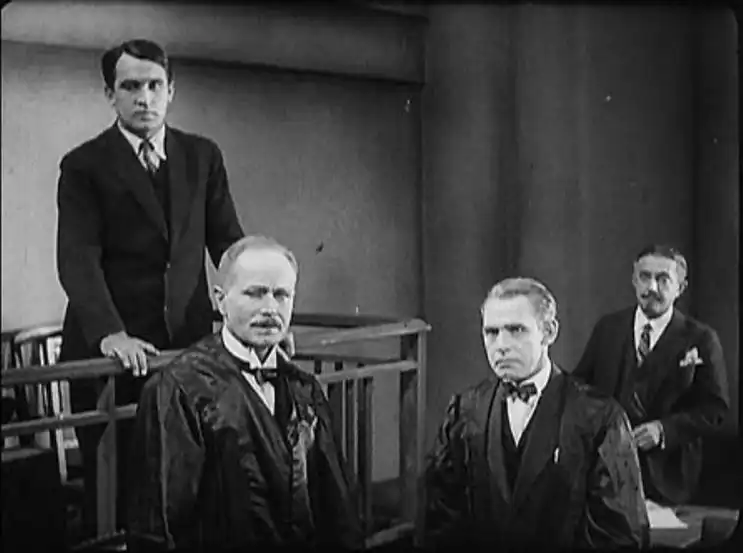
One detail that struck me was the almost ritualistic way the prisoners are shown performing mundane tasks—eating, exercising, even just walking down a corridor. There’s a scene where the camera follows a line of inmates, all moving with a synchronized, almost robotic gait, their faces largely impassive. It’s a quick moment, but it powerfully conveys the dehumanizing regimen of the institution, a subtle visual shorthand for the loss of individual agency that Franz will carry with him. It’s not just the bars, but the rhythm of prison life that shapes them.
The film's greatest strength lies in its unflinching portrayal of psychological transformation. It resists easy answers, instead showing the complex, often painful process of a man trying to reconnect with a life that no longer fits him. The performances, particularly from Tolnæs and Dieterle, elevate the material beyond a simple social drama. Their silent communication, the shared glances and subtle gestures, are remarkably effective. The film's willingness to explore the intimate, non-sexual bonds formed in confinement is also a significant achievement for its time, handled with a maturity that avoids sensationalism and prurience.
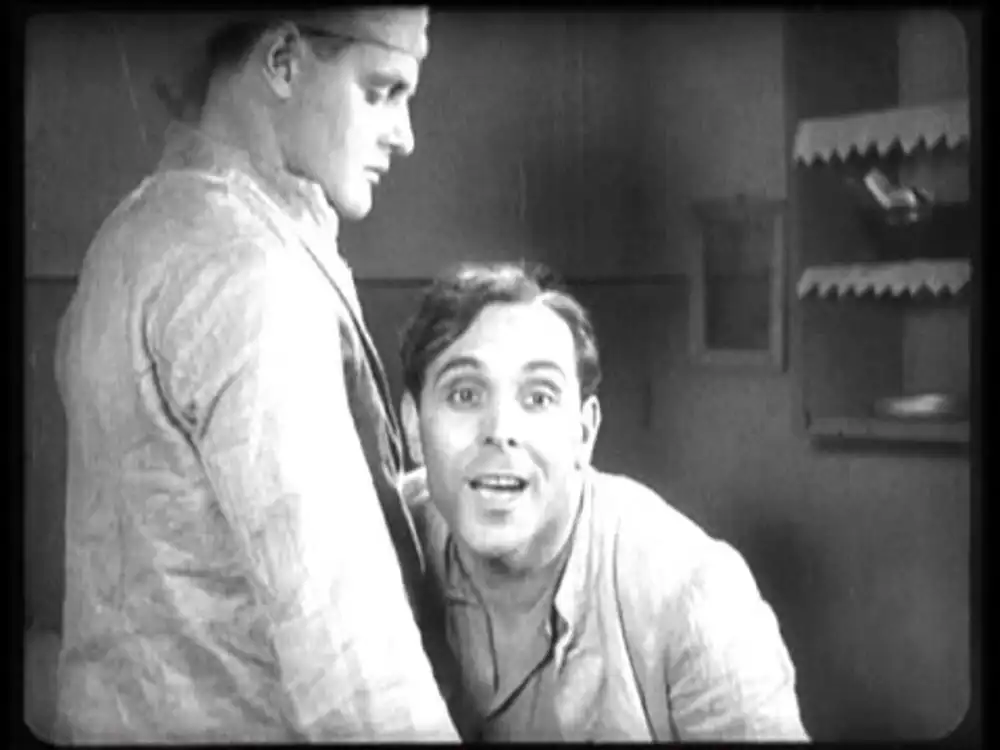
However, Sex in Chains is not without its flaws. As mentioned, the opening courtroom sequence drags, feeling somewhat perfunctory given the film's later focus. Some of the secondary characters, particularly those outside the central trio, feel underdeveloped, serving more as plot devices than fully realized individuals. The narrative sometimes struggles to maintain momentum in the domestic scenes, occasionally feeling repetitive as Helene grapples with Franz's distance and his inability to articulate his internal struggle. While the deliberate pacing largely works to establish the film's contemplative tone, there are moments where it simply feels slow, rather than purposefully measured. The ending, while impactful in its final shot, arrives somewhat abruptly, leaving some narrative threads feeling less resolved than intended, which might frustrate viewers looking for clearer closure.
Sex in Chains stands as a significant, if imperfect, piece of German silent cinema. It’s a film that demands patience and rewards close attention, offering a nuanced and surprisingly modern take on trauma and identity. While its pacing issues and occasional narrative lulls prevent it from being a universally accessible masterpiece, its bold subject matter, strong central performances, and thoughtful visual language make it a compelling watch for those interested in the darker corners of human experience explored through early film. It’s a film that stays with you, not for its grand pronouncements, but for the quiet, unsettling truths it reveals about the chains that bind us, long after the physical ones are removed. It may not be an easy recommendation for everyone, but for the discerning viewer, it offers a challenging and ultimately rewarding experience that transcends its era.
IMDb —
1919
Community
Log in to comment.