DbcultAccessing Vault...
6.6/10
Senior Film Conservator
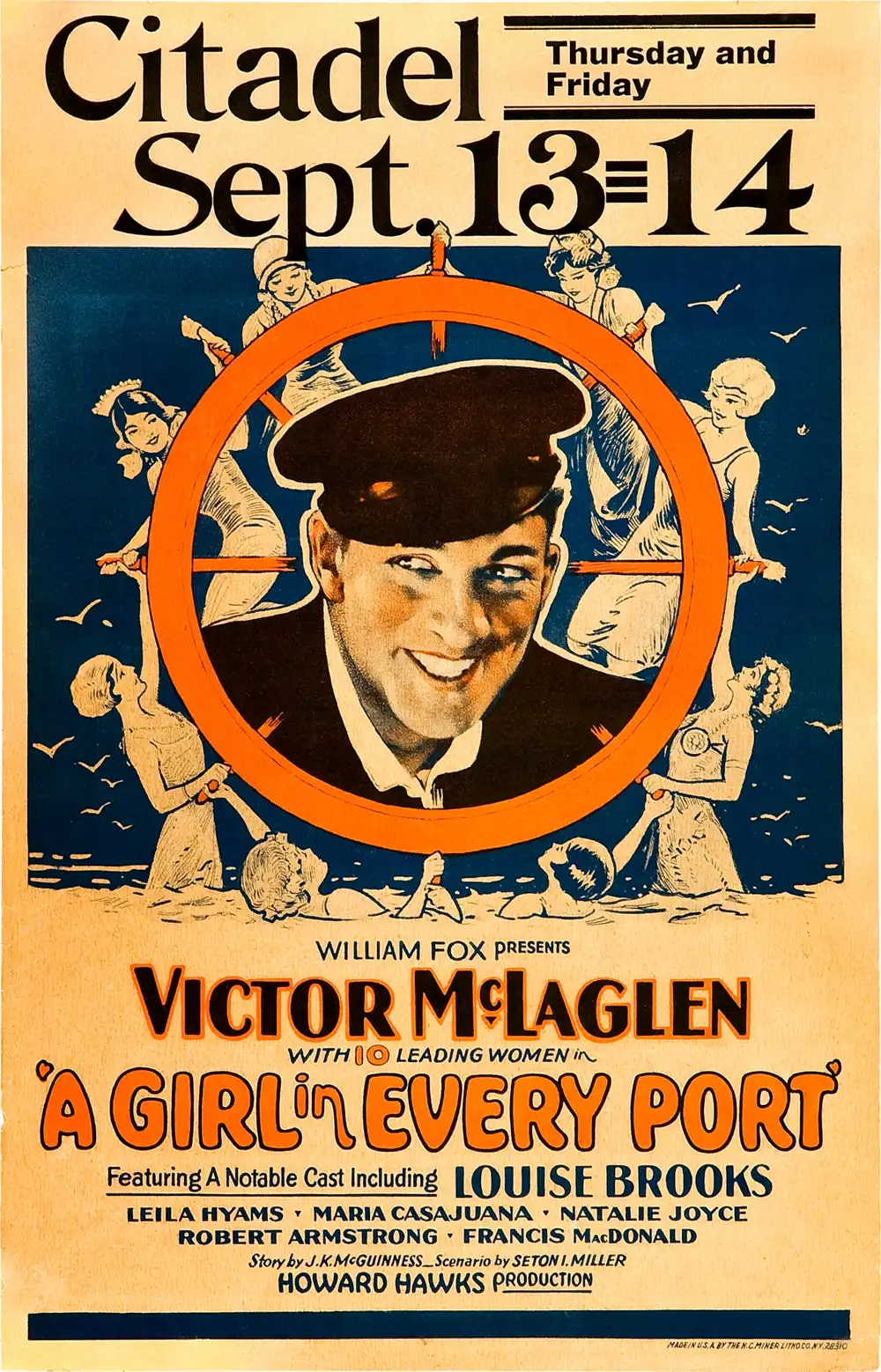
A definitive 6.6/10 rating for a film that redefined the boundaries of cult cinema. A Girl in Every Port remains a cornerstone of transgressive art.
Howard Hawks’ 1928 silent feature, A Girl in Every Port, is more than just a historical curiosity; it’s a vital piece of early American cinema that offers a fascinating look at the director’s nascent style and the magnetic screen presence of Louise Brooks. For fans of classic Hollywood, silent film enthusiasts, or anyone curious about the foundational works of a directorial titan, this film is absolutely worth seeking out today. It’s a compelling study of male camaraderie and the disruptive force of romantic entanglement, executed with a surprising economy of storytelling for its era. However, those unaccustomed to the rhythms of silent cinema, particularly its reliance on visual storytelling and intertitles, might find its pacing a challenge, and its emotional beats, while clear, lack the overt sentimentality common in later sound films.
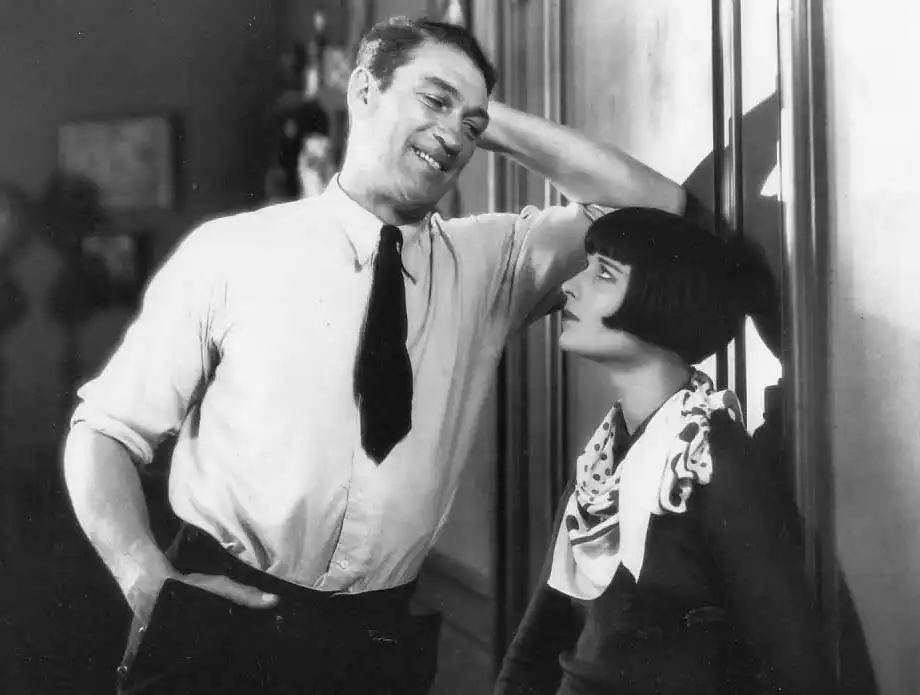
The film hinges almost entirely on the robust chemistry between Victor McLaglen as Spike and Robert Armstrong as Salami. McLaglen, with his imposing physique and expressive, often bewildered face, embodies the archetypal tough-guy-with-a-heart. He’s a force of nature, whether brawling in a bar or awkwardly attempting to charm a woman. His performance is physical and immediate; you see the gears turning, or sometimes failing to turn, in his character’s head. One particularly humanizing detail that only someone who’s sat through the film would notice is Spike’s constant, almost pathetic attempts to smooth his hair or adjust his tie whenever he’s trying to impress Marie. It’s a small, recurring gesture that cuts through his gruff exterior, revealing an unexpected vulnerability.
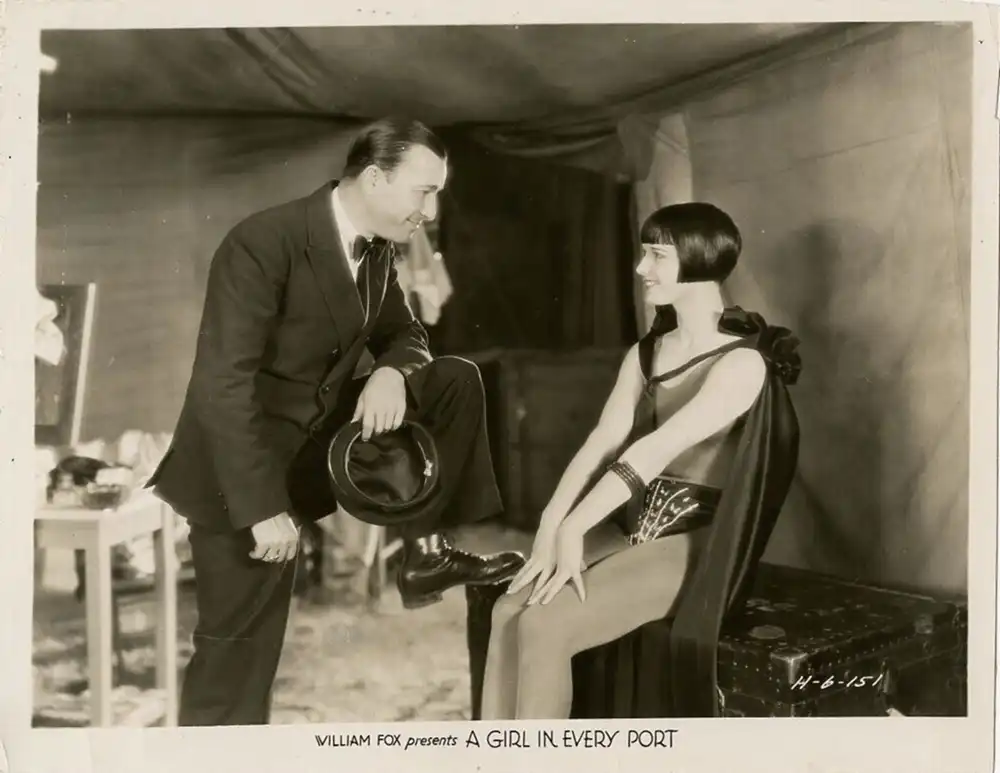
Armstrong, as the slightly smaller, quicker Salami, provides the perfect foil. Their initial rivalry, sparked by a shared conquest, quickly evolves into a genuinely believable bromance. The scene where they, having just become friends, share a drink and trade stories about their past 'girls' is a masterclass in silent film performance, conveying a deepening bond through gestures and shared laughter rather than words. They’re not just reciting lines; they’re living the camaraderie on screen, their physical interactions feeling spontaneous and real.
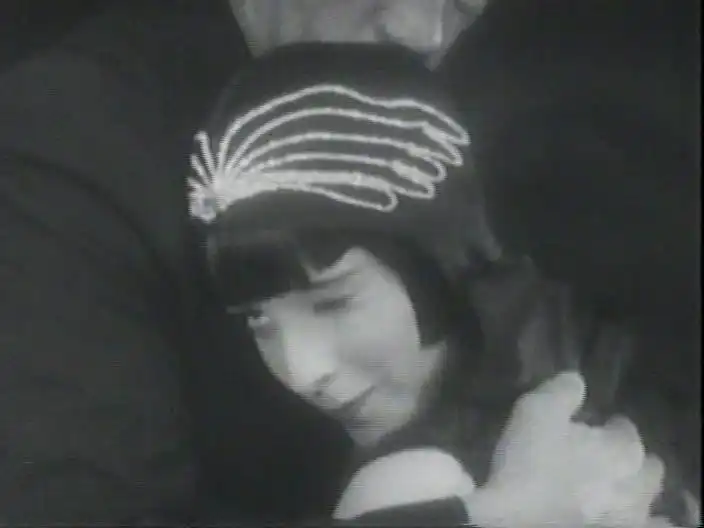
And then there’s Louise Brooks. Her character, Marie, is the titular "girl" who upsets Spike’s established routine. Brooks, even in these early roles, possesses an undeniable, almost ethereal charisma. Her famous bob haircut, even without color, frames a face that is both innocent and knowing. She’s not playing a femme fatale in the traditional sense, but rather a woman who exists independently, drawing men in simply by being herself. Her scenes are often quieter, providing a stark contrast to the boisterous male energy. When she first appears, there's a particular shot where she's framed slightly off-center, allowing the bustling port background to remain visible, yet her presence immediately dominates the frame, signaling her importance without any heavy-handed exposition.
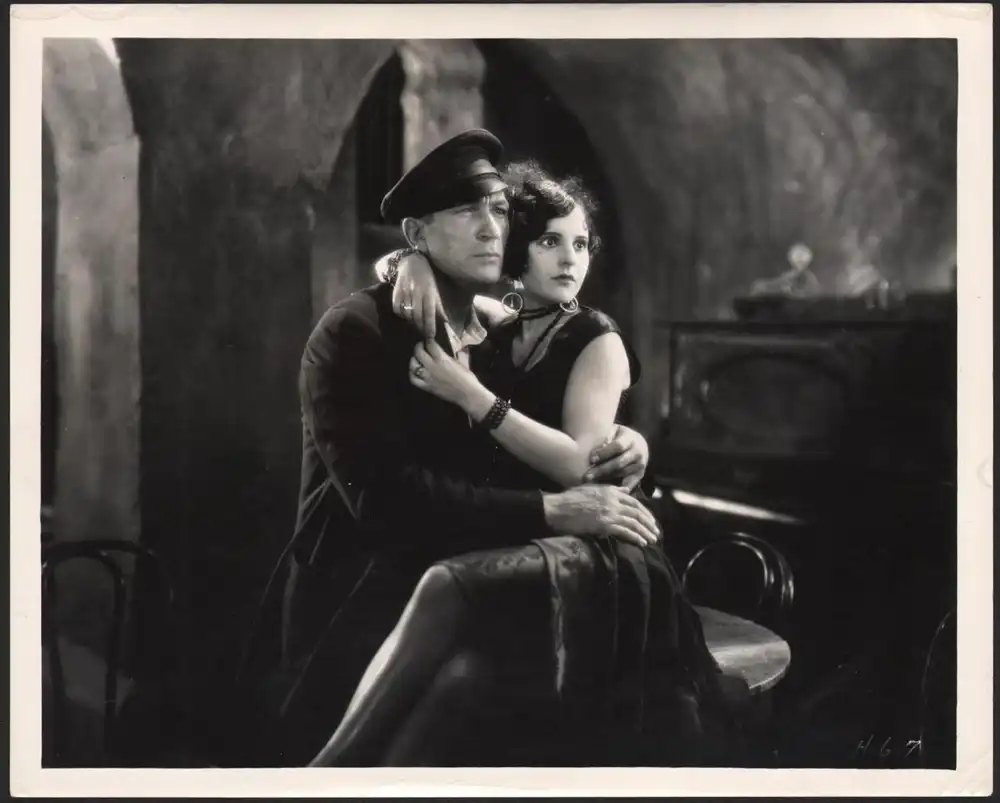
Howard Hawks’ directorial signature, even at this early stage, is evident in the film’s crisp visual storytelling and its focus on male professional codes and relationships. The action sequences, particularly the boxing match between Spike and a local rival, are choreographed with a dynamic energy that feels remarkably modern. The camera is active, cutting between the fighters, the frantic crowd, and close-ups of the sweat and effort. It’s a sequence that avoids the static, theatrical feel sometimes associated with silent films.
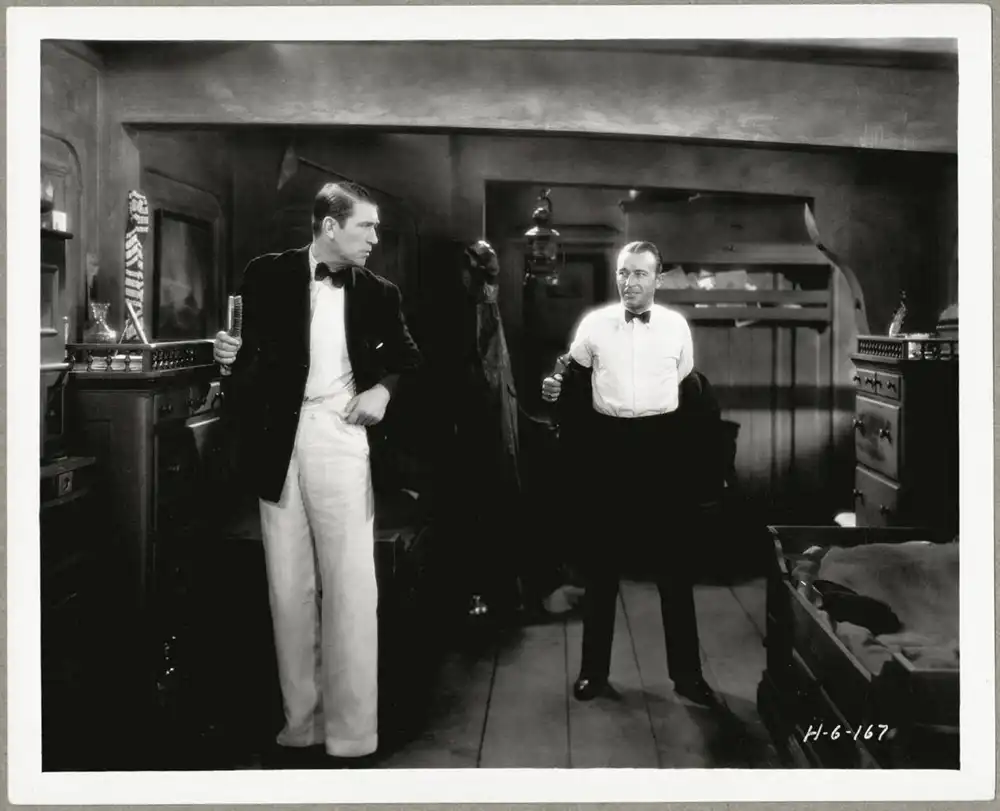
However, the film’s pacing can, at times, feel deliberate, particularly in its opening acts. There are montages of Spike’s global conquests that, while establishing his character, occasionally linger a beat too long, relying on repetition to make a point that could be made more succinctly. This is a common trait of silent cinema, where visual information was paramount, but it occasionally tests the patience of a modern viewer accustomed to faster narrative propulsion. The intertitles, while generally well-written and sparse, sometimes interrupt the flow, though Hawks largely prioritizes visual action over excessive text.
The transition from Spike’s carefree womanizing to his genuine affection for Marie is handled with a subtlety that avoids melodrama. There’s a scene where Spike watches Marie from a distance, and the camera holds on his face for an extended moment, allowing McLaglen’s expressions to convey a confusion and longing that feels earned, rather than forced. It’s a testament to both actor and director that this shift feels organic.
A Girl in Every Port truly shines in its depiction of male friendship. The evolution of Spike and Salami’s bond, from competitors to loyal companions, is the emotional core of the film. Hawks excels at showing, not telling, this relationship. Their unspoken understanding, the way they cover for each other, and their shared code of honor are all conveyed through action and reaction. The film anticipates many of Hawks’ later themes regarding male professionalism and camaraderie, making it essential viewing for understanding his filmography.
Its primary weakness for contemporary audiences lies in its silent film conventions. While the visual storytelling is strong, the absence of spoken dialogue means certain emotional nuances rely heavily on broad gestures or intertitles, which can feel less immediate than sound film. Some of the background performances, particularly in crowd scenes, occasionally lean into silent film caricature, though the main cast remains grounded.
Despite these period-specific traits, the film’s strengths far outweigh its drawbacks. It's a robust adventure story, a compelling character study, and a vital historical document showcasing early performances from iconic figures. The climax, involving a tense confrontation and a surprising act of loyalty, delivers a satisfying emotional payoff without resorting to easy sentimentality. The final shot, in particular, leaves a resonant impression of enduring friendship.
A Girl in Every Port is a film that rewards attentive viewing. It’s a foundational work for understanding Howard Hawks’ unique vision and a testament to the power of silent film acting, particularly from McLaglen and Brooks. It’s not just for scholars; it’s an entertaining and surprisingly resonant story about male friendship and the unexpected turns of the heart. While its 1928 sensibilities might require a slight adjustment from modern viewers, the film’s genuine charm, dynamic action, and the captivating presence of its stars make it a cinematic journey well worth taking. Seek it out if you appreciate the craft of early filmmaking and the enduring appeal of well-drawn characters.
IMDb 4.4
1926
Community
Log in to comment.