DbcultAccessing Vault...
Cult Review
Senior Film Conservator
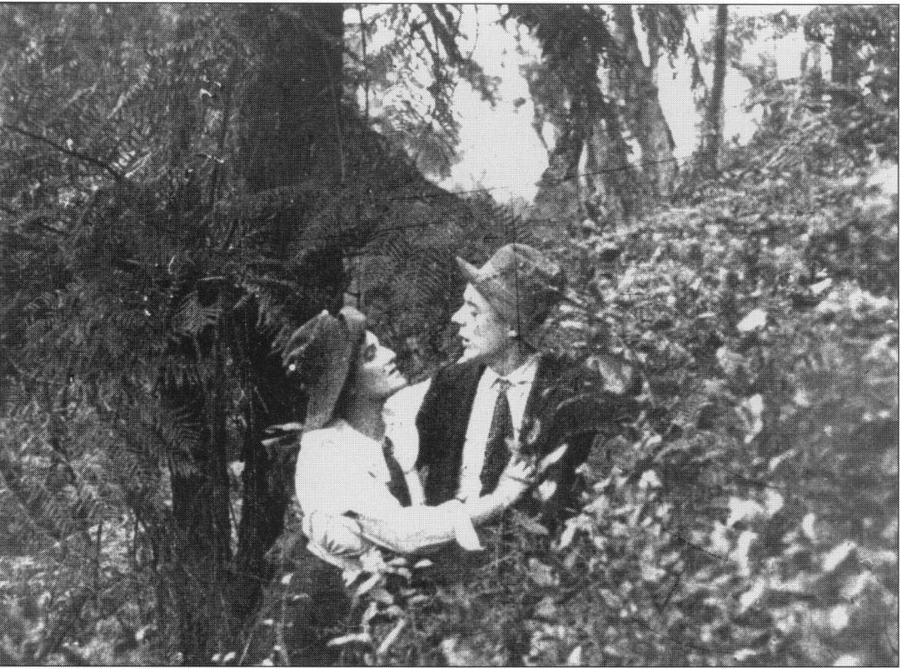
In the nascent years of the twentieth century, the cinematic landscape was a burgeoning frontier of experimentation, a medium struggling to find its narrative footing amidst the flickering shadows of early projection. Among these pioneering efforts, W.J. Lincoln’s 1911 production, After Sundown, stands as a fascinating specimen of the Australian melodrama. While many contemporary viewers might be more familiar with the visceral impact of The Story of the Kelly Gang, Lincoln’s work offers a more intimate, albeit no less dramatic, exploration of social mores and frontier justice. It is a film that captures the transitional pulse of a nation, blending the bucolic serenity of the bush with the jagged edges of human treachery.
The film’s prologue, centered on the orphaned Betty, utilizes the 'waif' trope that was prevalent in early silent cinema, yet Lincoln imbues it with a distinctly Antipodean flavor. By placing the child in the care of Angus McDougall—a bachelor uncle whose rugged exterior masks a wellspring of paternal warmth—the screenplay establishes a dichotomy between the harshness of fate and the resilience of the family unit. This domestic foundation is crucial, as it sets the stage for the moral conflicts that arise once Betty reaches maturity. The leap from a four-year-old child to an eighteen-year-old woman is a classic narrative shorthand, allowing the audience to witness the fruit of McDougall's labor: a woman of virtue and pulchritude, played with a delicate balance of naivety and burgeoning agency by the cast.
Unlike the more physically demanding roles seen in The Squatter's Daughter, Betty’s struggle is primarily internal and social. She is the prize in a game of moral chess played between Gilbert Baxter and Western Moore. Baxter represents the agrarian ideal—steadfast, honest, and perhaps a bit mundane—while Moore is the quintessential 'black hat' villain, whose charisma is a thin veneer over a core of sociopathic ambition. The seduction of Betty is not merely a romantic subplot; it is an assault on the moral order that McDougall has spent fourteen years cultivating.
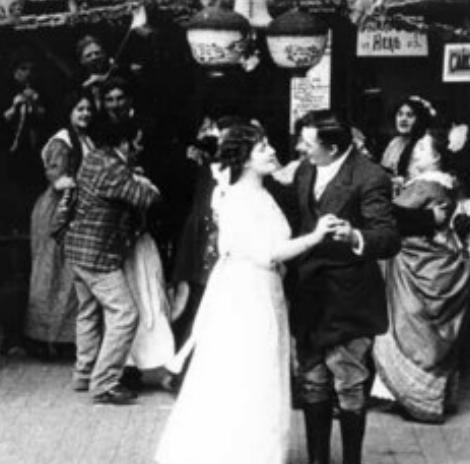
The character of Western Moore serves as a bridge between the romanticized outlaws of earlier films like Robbery Under Arms and the more grounded criminals of the urbanizing Australia. Moore is not a hero of the people; he is a predator. His simultaneous pursuit of Betty and Nellie, the publican’s daughter, paints a portrait of a man who views human relationships as transactional resources. This duplicity is the engine of the film's second act, creating a web of jealousy and betrayal that eventually leads to his undoing. The inclusion of the publican’s daughter as a pivotal narrative catalyst is a masterful stroke, as it grounds the high drama in the recognizable social hubs of the era.
The cattle raid, orchestrated by Moore, is the film’s grand spectacle. In an era where audiences were still enthralled by the sheer movement of images—reminiscent of the thrill found in At Break-Neck Speed—the depiction of a rural heist provided the necessary adrenaline. However, Lincoln uses this action set-piece to facilitate the moral climax. It is not the law that brings Moore down, but rather the combined weight of his personal betrayals. When Nellie overhears the plans and informs Gilbert, the narrative shifts from a simple crime story into a tale of collective reckoning.
One of the most striking elements of After Sundown is the character of Old Davy. As Moore’s former partner, he represents the 'old guard' of the frontier—men who lived by a code that Moore has long since abandoned. The act of Davy shooting Moore is a profound moment of atavistic justice. It suggests that some sins are so egregious that they cannot be settled in a courtroom, but only through the barrel of a gun held by one who truly understands the depth of the villain’s corruption. This theme of the 'old world' correcting the 'new world' is a recurring motif in Lincoln’s writing, echoing the sentiments found in Frank Gardiner, the King of the Road.
The violence here is not gratuitous but symbolic. It purges the community of a parasitic influence, allowing for the restoration of the domestic harmony seen in the film’s conclusion. The fact that Betty is the one to break up with Moore before his death is also significant; it grants her a level of autonomy that was often denied to female leads in contemporary European works like Balletdanserinden. She is not merely a victim to be rescued, but a woman who recognizes her error and actively chooses a different path.
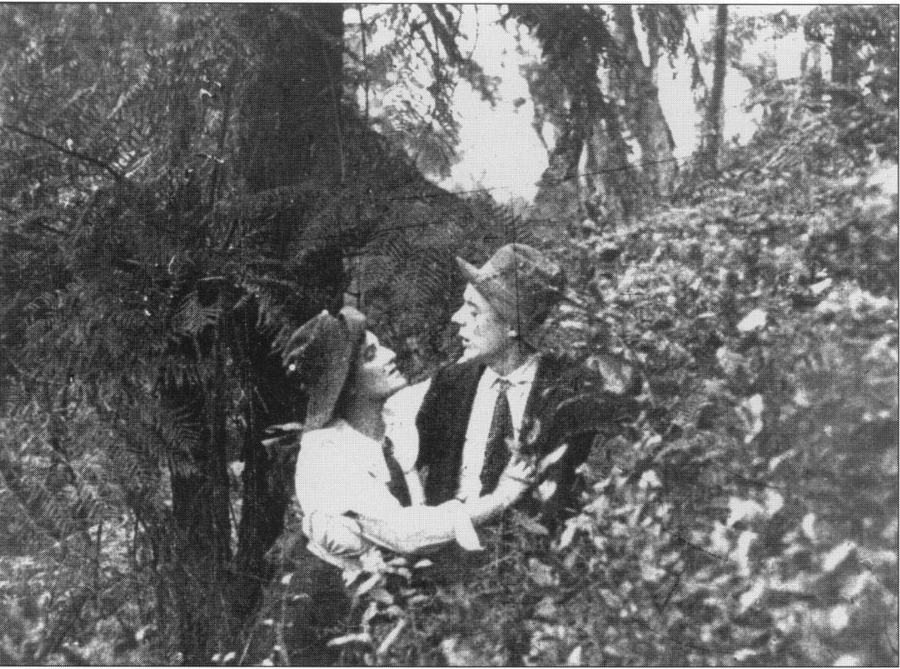
Technically, After Sundown exhibits the constraints and the creativity of its time. The use of natural lighting in the bush sequences provides a grit and authenticity that studio-bound productions often lacked. While we don't have the sophisticated editing of later decades, Lincoln’s blocking of characters within the frame creates a sense of depth and tension. The performances, particularly from Godfrey Cass and Nellie Bramley, are characterized by the theatrical expressiveness necessary for silent storytelling, yet they avoid the hyper-melodramatic gesticulation that can sometimes alienate modern viewers. There is a palpable chemistry between the actors that elevates the material above its pulp origins.
Comparing the film’s pacing to the shorter actualities like 69th Regiment Passing in Review, one can see the massive strides made in narrative complexity. After Sundown isn't just showing us something; it is telling us something about the nature of love, loyalty, and the inevitable consequences of greed. It shares a certain spiritual DNA with the sprawling epics of the time, such as The Life of Moses, in its attempt to capture a definitive moral arc within a single viewing experience.
A noteworthy aspect of the film is the subplot involving the Widow O’Leary and Angus McDougall. In many ways, this serves as the 'b-story' that provides much-needed levity against the backdrop of cattle raids and murder. Their union at the end of the film mirrors the union of Betty and Gilbert, suggesting a multi-generational stability. This structure—pairing a high-stakes dramatic romance with a more mature, comedic courtship—would become a staple of Hollywood screenwriting, but seeing it executed so effectively in 1911 Australia is a testament to Lincoln’s narrative instincts.
The Widow O’Leary is a character of significant fortitude, representing the sturdy women who were the backbone of rural communities. Her marriage to McDougall isn't just a happy ending for two characters; it is a symbolic fortification of the household. It ensures that the 'after sundown' of their lives will be spent in companionship rather than solitude. This thematic resonance is what distinguishes the film from mere adventure fare like Attack on the Gold Escort.
To view After Sundown today is to look through a window into a world that was rapidly disappearing even as it was being filmed. The transition from the lawless frontier to a settled society is the film’s unspoken backdrop. By 1911, the era of the great cattle raids was largely over, replaced by the bureaucracy of a burgeoning commonwealth. Thus, the film acts as a piece of cultural nostalgia, much like the way The Bushranger's Bride sought to romanticize the perils of the previous century. It is a work that values the traditional virtues of the Australian bushman while acknowledging the necessity of purging the 'outlaw' element to ensure the safety of the next generation.

Furthermore, the film’s contribution to the 'lost' history of Australian cinema cannot be overstated. While many films of this era have vanished due to the volatility of nitrate film, the records and remaining fragments of After Sundown provide invaluable insights into the production techniques of the time. W.J. Lincoln was a prolific figure, and his ability to weave complex social tapestries within the limitations of silent film set a standard for future Australian filmmakers. One can see echoes of his style in the works that followed, even if the direct lineage is obscured by time.
In conclusion, After Sundown is far more than a simple melodrama. It is a sophisticated narrative that explores the corruption of innocence, the power of female agency, and the necessity of communal justice. Through the character of Betty, we see the potential for growth and redemption; through Western Moore, we see the self-destructive nature of greed; and through Angus McDougall, we see the enduring strength of the chosen family. It is a film that deserves a prominent place in the pantheon of early cinema, standing alongside international contemporaries like The Life and Passion of Jesus Christ as a testament to the universal power of storytelling.
The film’s title itself is evocative, suggesting the transition from the bright clarity of day into the uncertain shadows of the night—a metaphor for the moral ambiguity that Betty must navigate. Yet, as the final frames suggest, even after sundown, there is the warmth of the hearth and the promise of a new dawn. For any serious student of film history or lover of classic Australian lore, After Sundown remains an essential, if elusive, chapter in the story of the silver screen. It reminds us that while technology may change, the fundamental human conflicts of love, betrayal, and justice remain as timeless as the bush itself.
Reviewer Note: This analysis is based on the surviving historical records and narrative reconstructions of W.J. Lincoln's 1911 feature. It serves as a tribute to the pioneers of the Australian film industry who, with limited resources but infinite imagination, laid the groundwork for a century of cinematic excellence.
IMDb —
1931
Community
Log in to comment.