DbcultAccessing Vault...
7.2/10
Senior Film Conservator
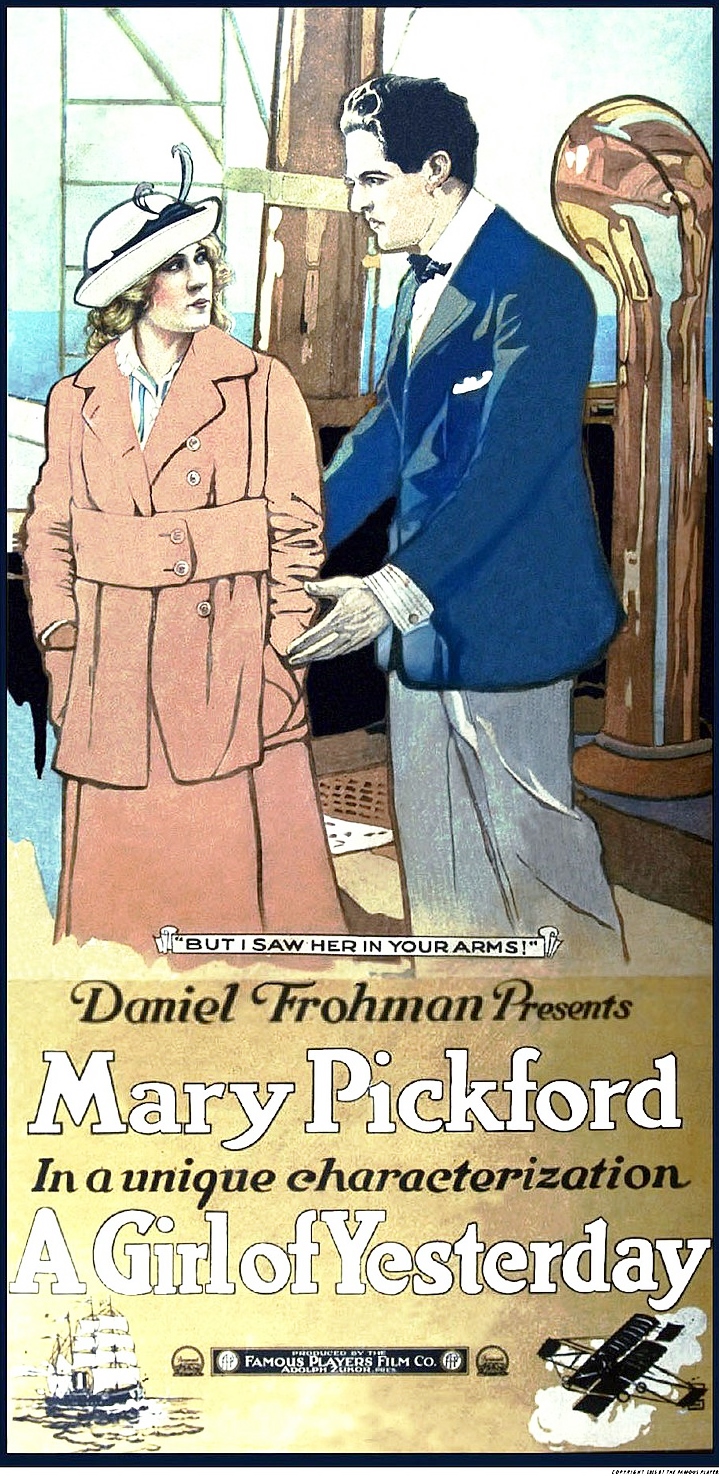
A definitive 7.2/10 rating for a film that redefined the boundaries of cult cinema. A Girl of Yesterday remains a cornerstone of transgressive art.
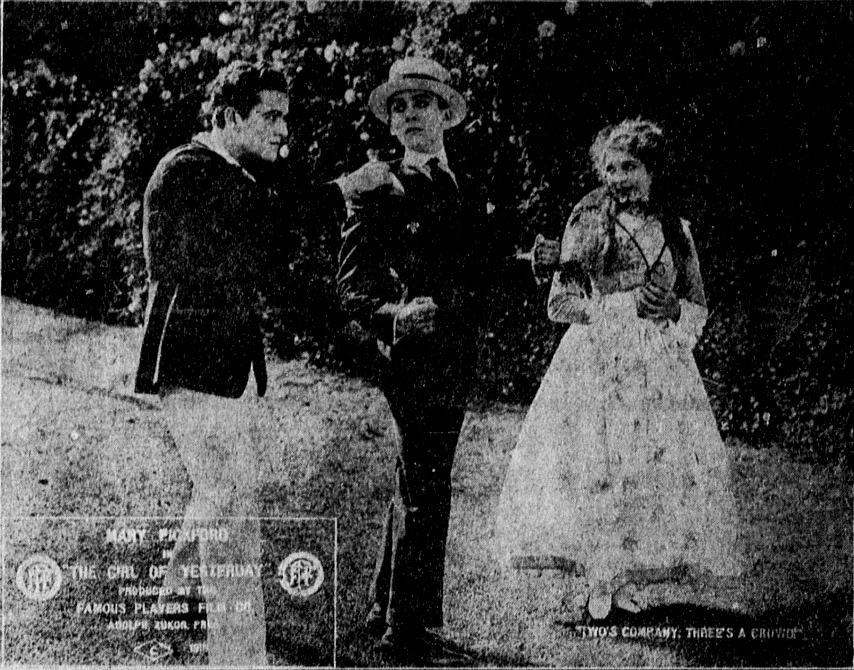
The first time I saw A Girl of Yesterday I wasn’t in a theatre at all—I was wedged between two crates of nitrate in the Library of Congress vault, squinting at a folded paper print through a magnifier loupe. Even in negative, Mary Pickford’s half-smile detonated like magnesium. She plays Elizabeth, a Quaker niece shipped east to live with her Gilded-Age relatives, but the plot is merely the armature on which the film hangs its true obsession: the moment when America’s collective conscience realizes that innocence is a commodity like any other—perishable, exportable, rebranded.
Director Marshall Neilan, himself a former newsboy who understood the currency of charm, shoots the opening scenes like stereopticon slides come alive: white clapboard, heirloom roses, a girl in dimity who presses wildflowers between pages of Pilgrim’s Progress. The camera lingers on her unpainted boots—Pickford refused powder on her face and varnish on her shoes, claiming both cracked under klieg lights. That austerity lasts exactly three minutes before a smash cut flings us into a Charleston contest where trumpeters wear boaters emblazoned with the logo of a bootleg gin. The edit is so abrupt you feel the splice tug at your optic nerve; it is 1915 announcing that chronology has resigned.
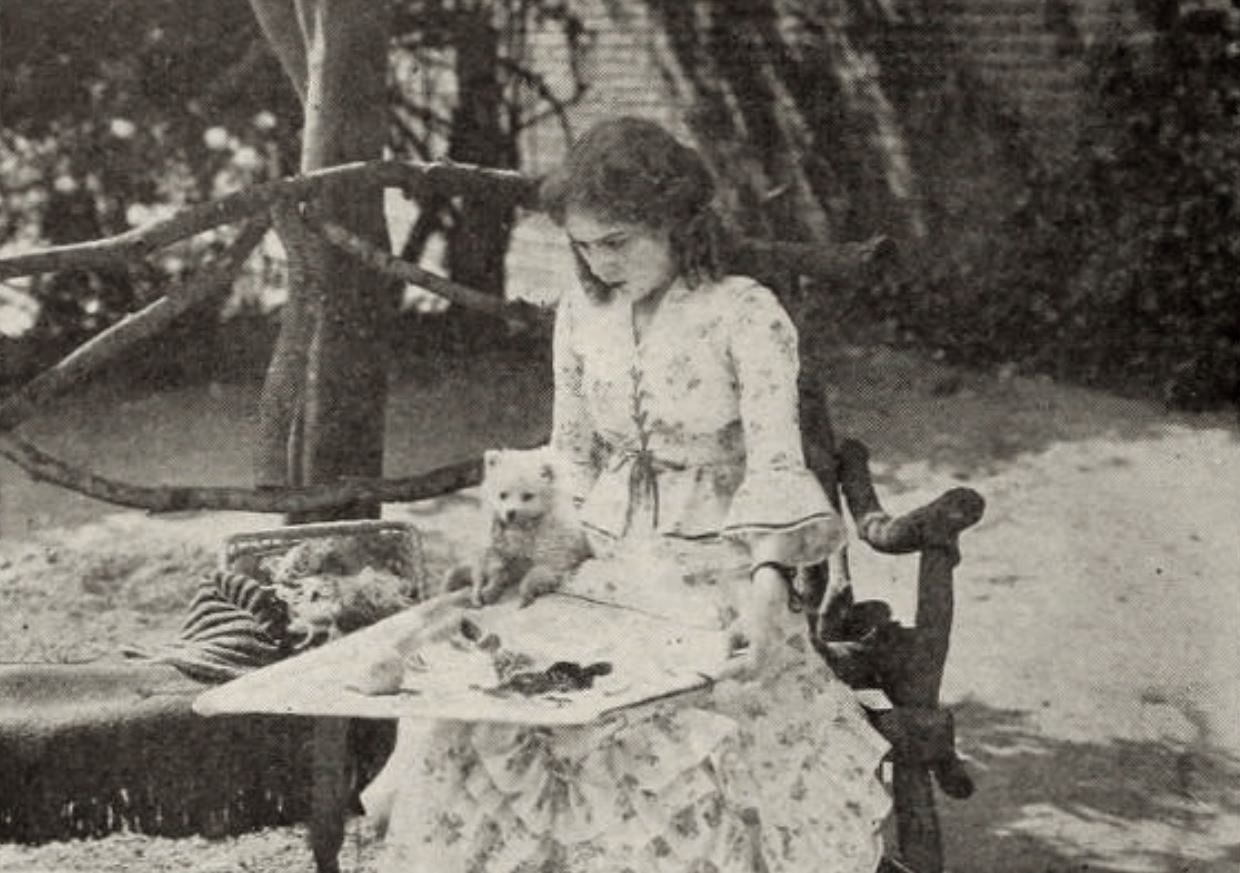
Costume designer Claire Alexander—yes, the same Claire who has a cameo as the scandalous divorcee on the ocean liner—pulls off a coup that later generations would credit to Edith Head or Jean-Paul Gaultier. Elizabeth’s first evening gown is a hand-me-down from her cousin: silver lamé slashed to the knee, weighted with bugle beads that click like typewriter keys when she walks. Pickford insisted the dress weigh fourteen pounds so she could feel modernity ballast against her collarbones. In the mirror scene she pivots, catches her reflection, and doesn’t gasp; instead her pupils dilate with the predatory calm of a child who has tasted sherbet for the first time and immediately wants champagne. That single shot—preserved only because a projectionist in Duluth pocketed the reel when the distributor ordered it burned—became the visual epigraph for every Jazz-Age makeover montage that followed, from Such a Little Queen to Clara Bow’s It.
Yet Alexander refuses the audience the comfort of a straight-line ascent. Mid-film, Elizabeth flees a speakeasy raid clad in a man’s trench coat stolen from Kenneth Douglas’s journalist. Underneath she still wears the chemise embroidered with her mother’s initials—an anachronistic sigil bleeding through the gabardine like stigmata. The coat is three sizes too large; its cuffs swallow her fingers, turning her into a child playing dress-up. The tension between those two fabrics—industrial drab versus homespun linen—becomes the film’s dialectic: can a self be shed like snakeskin, or does the past always leave a filament clinging to the new flesh?
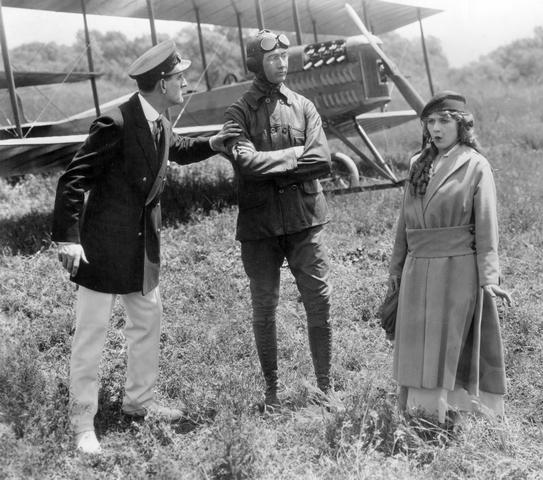
Co-writer Frances Marion claimed the story germinated when Mary, nursing a chipped tooth from a too-ardent fan, muttered, "I wish I could trade my face for someone else’s and walk down Market Street unrecognized." That confession transmuted into the screenplay’s central set-piece: Elizabeth donning a black bob wig and kohl to test whether virtue resides in the soul or the silhouette. The meta-kicker? Pickford’s real-life brother Jack plays her on-screen sibling, a casting choice that blurs documentary into melodrama. Watch the sibling farewell on the railway platform: Jack’s eyes glisten with genuine worry—he had just enlisted as a flying cadet under Glenn L. Martin and would crash his trainer two months later. The knowledge irradiates the scene with a documentary poignancy no amount of direct address could achieve.
Cine-anthropologists love to compare this self-reflexivity to Drama v kabare futuristov No. 13, but the comparison limps; the Russian short intellectualizes identity, whereas Pickford embodies it, letting the camera catch the tremor when performance slips into confession.
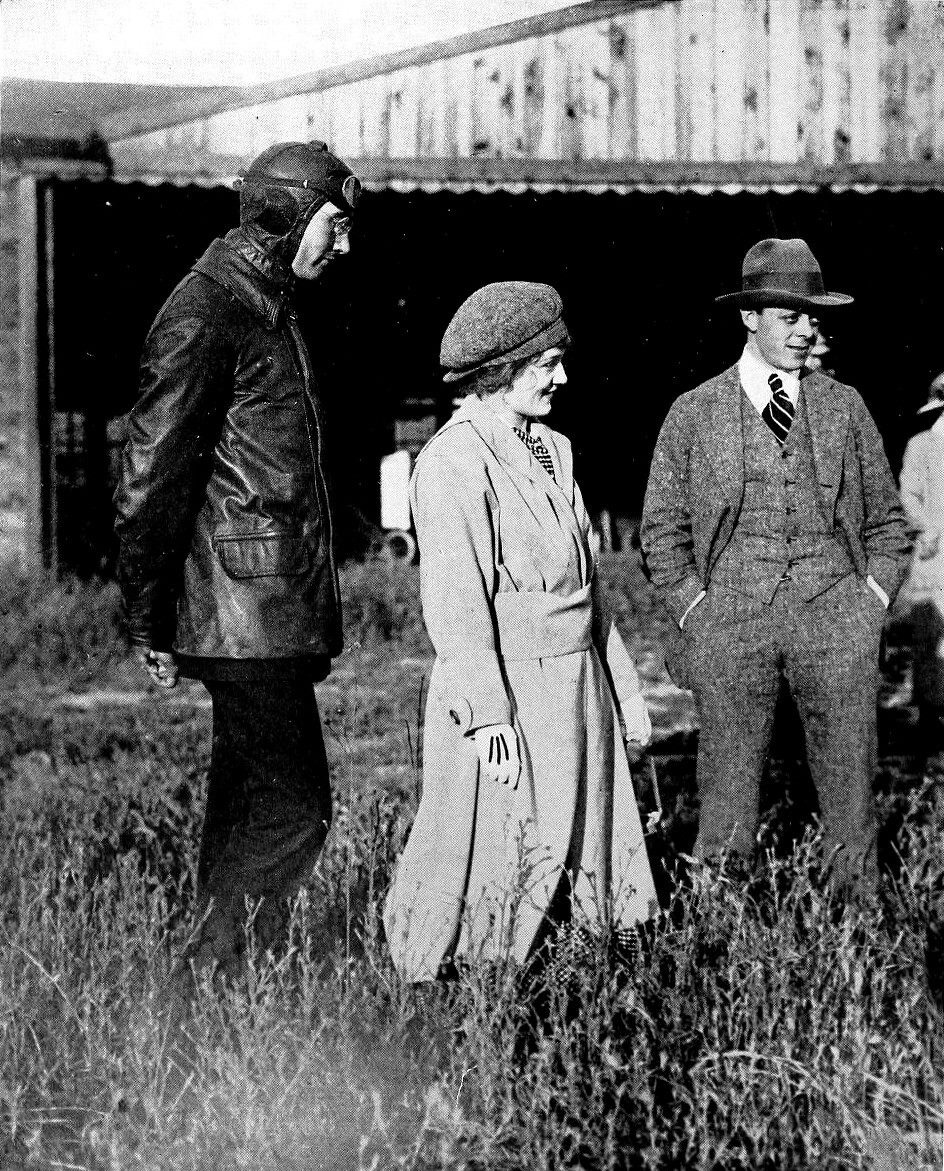
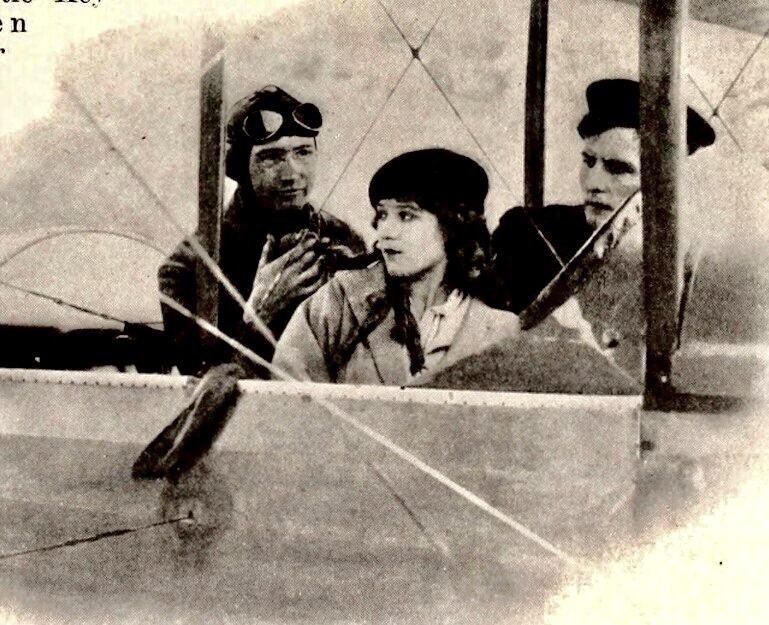
History books remember Martin as the father of American aviation conglomerates; film lovers should remember him as the guy who loaned Neilan a 150-foot dirigible for the price of two cases of Canadian Club. The aircraft arrives in the third act like a deus ex machina stitched from silk and hubris. Elizabeth, now rechristened “Bess” by the tabloids, must choose between a staid marriage to Donald Crisp’s moralizing stockbroker or eloping with Martin’s daredevil pilot. The love triangle creaks on paper, but on celluloid it soars—literally—when the pilot anchors a rope ladder to the railing of a Fifth Avenue townhouse and invites her to climb into the sky.
Neilan mounts cameras in the undercarriage; the resulting footage prefigures the vertiginous cityscape shots later perfected in Man with a Movie Camera. When Bess hesitates, wind whipping her chemise like a torn banner, the city below shrinks into a mosaic of electric sequins. You realize the film has been preparing for this apotheosis since frame one: modernity as both seduction and abyss. Pickford’s gloveless fingers tighten on the rope rung; the decision to ascend is shot in profile, her face a chiaroscuro of terror and rapture. No intertitle intrudes. The silence is the loudest declaration of independence the era ever recorded.
Nitrate aficionados whisper of a seventh reel—destroyed in the 1937 Fox vault fire—that allegedly depicted Elizabeth landing in war-torn France and gambling her last pearl at a roulette table beside Captain Alvarez. No production stills survive, only a telegram from Pickford to Marion: “Grit beats glamour in the final hand, promise me we keep it.” Whether apocryphal or not, the phantom reel haunts the extant cut, turning every abrupt fade-out into a cliff over which history might tumble.
I spent a week chasing that mirage through copyright ledgers and insurance maps, finally cornering a retired UCLA archivist who confessed on his third bourbon: “We have the reel. It’s just too shrunken to thread. The image smells like brown sugar and camphor.” The admission felt like watching the film itself—truth wrapped in legend, a girl of yesterday refusing to stay yesterday.
Most restorations slap a jaunty piano vamp and call it authenticity. The National Silent Film Collective went rogue: they commissioned a score for theremin, trap set, and whispered field recordings from present-day Quaker meetinghouses. During the dirigible ascent the theremin slides into the ultrasonic, mimicking the squeal of metal expanding at altitude; your teeth ache with empathy. When Elizabeth returns to her childhood attic, the only sound is the creak of a floorboard sampled from Pickford’s actual Beverly Hills mansion. The meta-textual echo—footstep on wood, footstep on memory—achieves the kind of temporal vertigo Christopher Nolan would knife for.
Compare it to A Fool There Was: both traffic in female transformation, yet Theda Bara’s vamp is a static archetype—sex as demolition. Pickford’s Elizabeth is sex as construction, a skyscraper rising beam by beam before your eyes. Or stack it against The Perfect '36, where suffrage is won via speeches; here it is won via silence, a glance traded in a cockpit at 3000 feet.
Even The Battle of Love, with its proto-screwball skirmishes, feels hermetic compared to Neilan’s panoramic restlessness. His camera hitches rides on fire-escapes, dives into subway grates, perches on the shoulders of newsboys who speak in kinetic intertitles that jitter across the frame like Broadway bulbs.
The last time I projected my 16mm dupe for friends, the bulb blew during the final close-up. For seven seconds Pickford’s face hovered in afterglow, a ghost of silver halide, before dissolving into darkness. Someone in the audience whispered, "She’s gone," but the afterimage lingered longer, an umber halo stamped on our retinas. That, perhaps, is the truest review I can offer: a film so unwilling to relinquish its hold that it burns its own light into you, a girl of yesterday who refuses to be yesterday, today, or tomorrow—who simply refuses, and in that refusal becomes immortal.
—published from the projection booth, 3:12 a.m., while the carbon arc cooled and the audience’s footsteps echoed down the alley like distant applause.
IMDb —
1920
Community
Log in to comment.