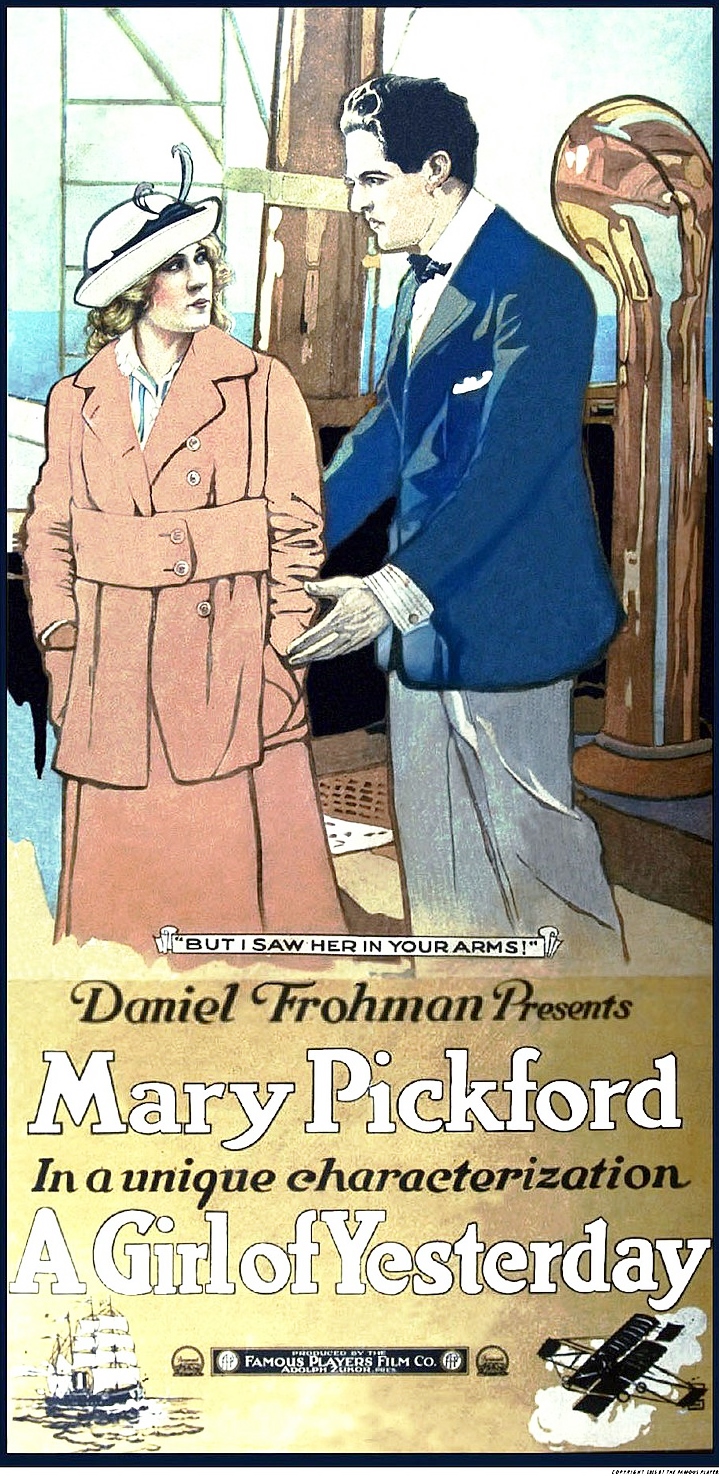
A girl with old-fashioned values becomes a modern sophisticate..
Mary Pickford, Wesley C. MacDermott
United States
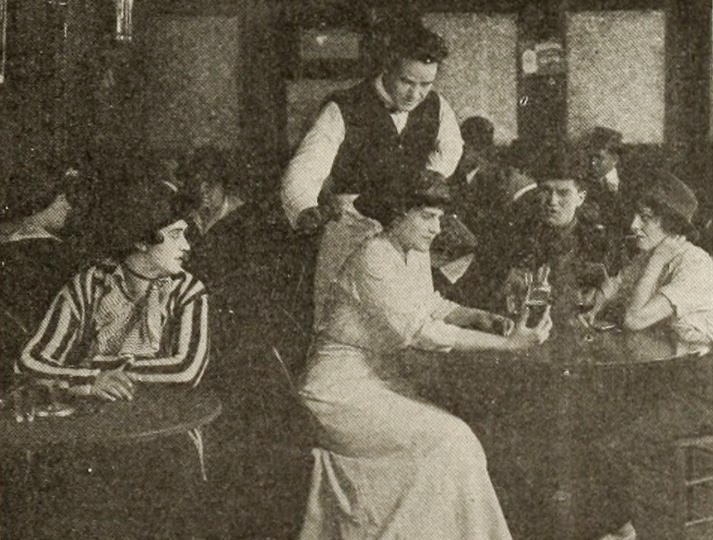
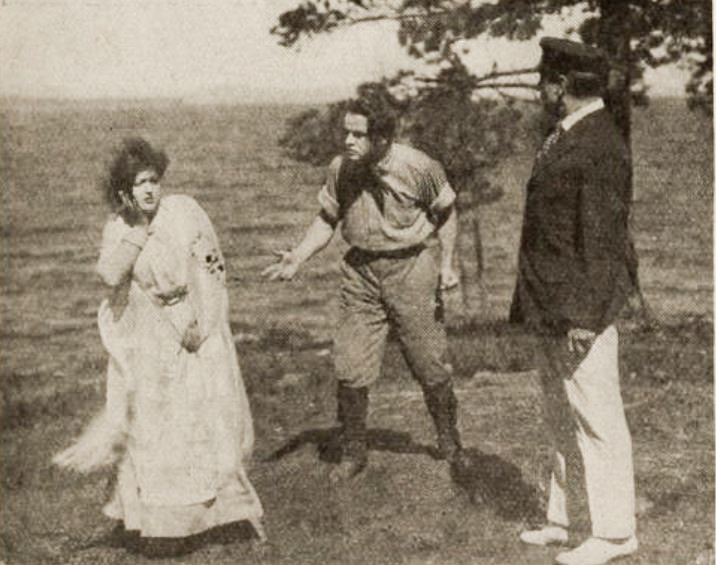
The first time I saw A Girl of Yesterday I wasn’t in a theatre at all—I was wedged between two crates of nitrate in the Library of Congress vault, squinting at a folded paper print through a magnifier loupe. Even in negative, Mary Pickford’s half-smile detonated like magnesium. She plays Elizabeth, a Quaker niece shi...
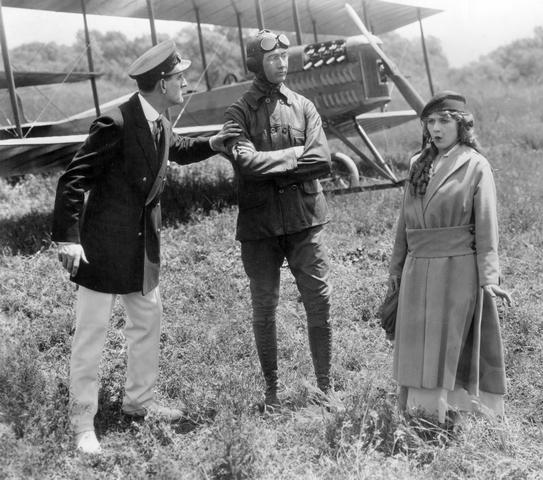
still_frame
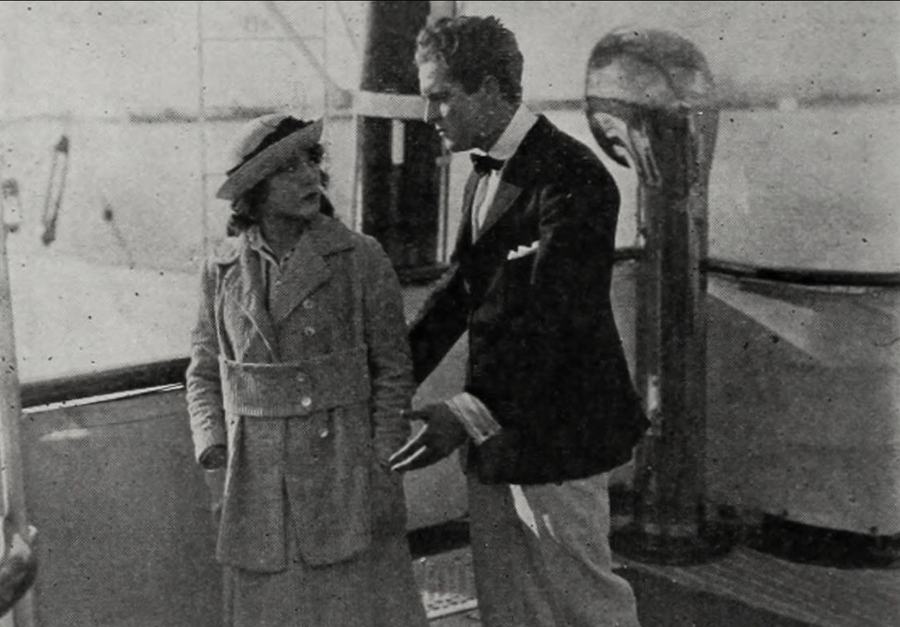
still_frame
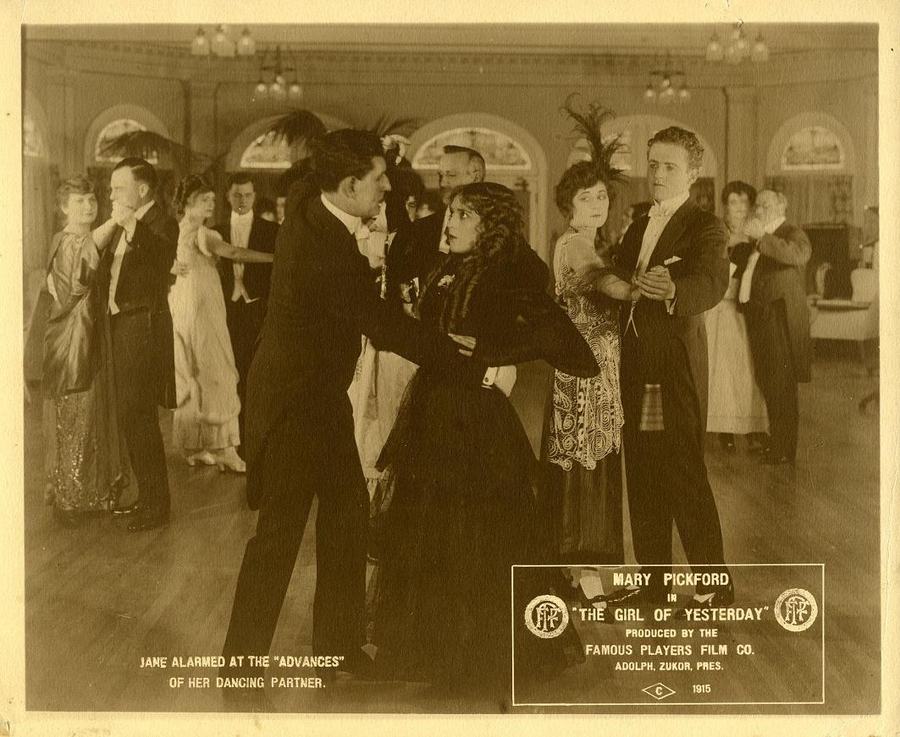
production_art
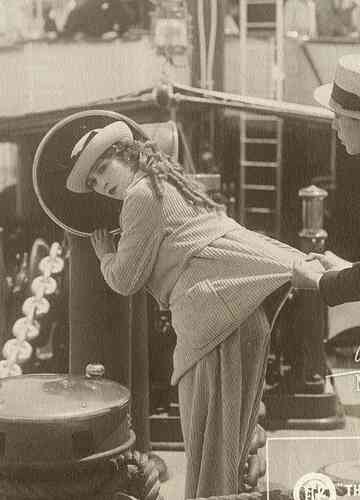
publicity
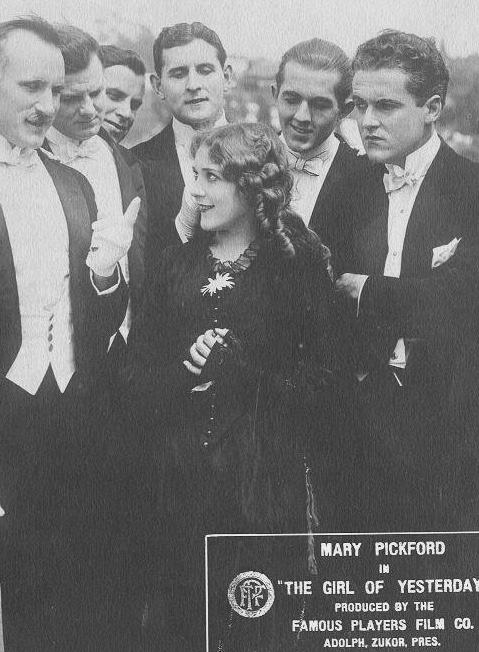
publicity
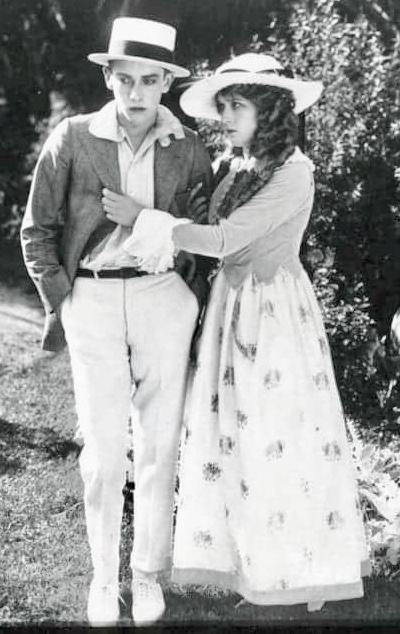
publicity
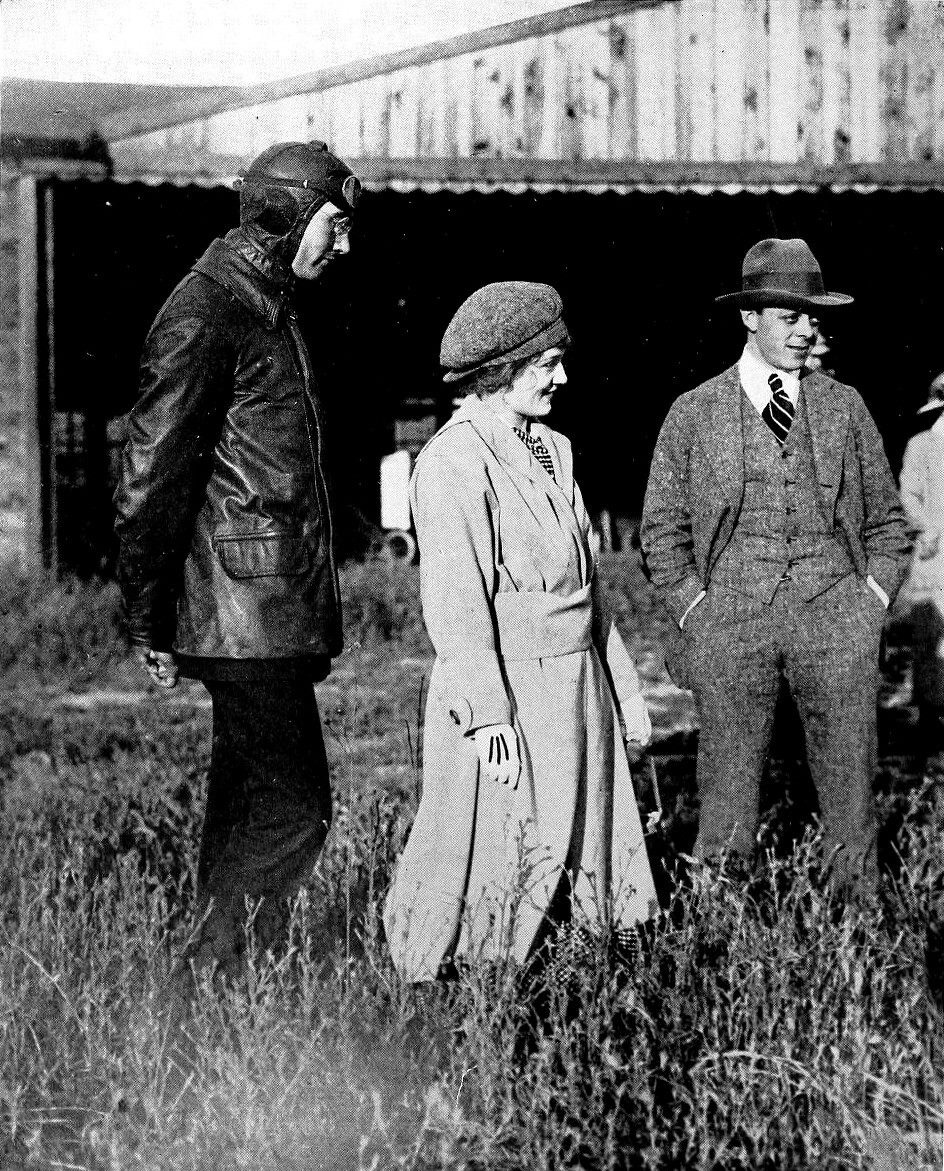
behind_the_scenes
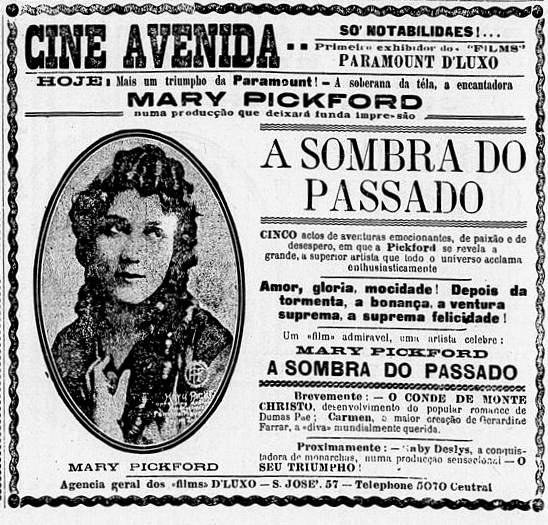
publicity
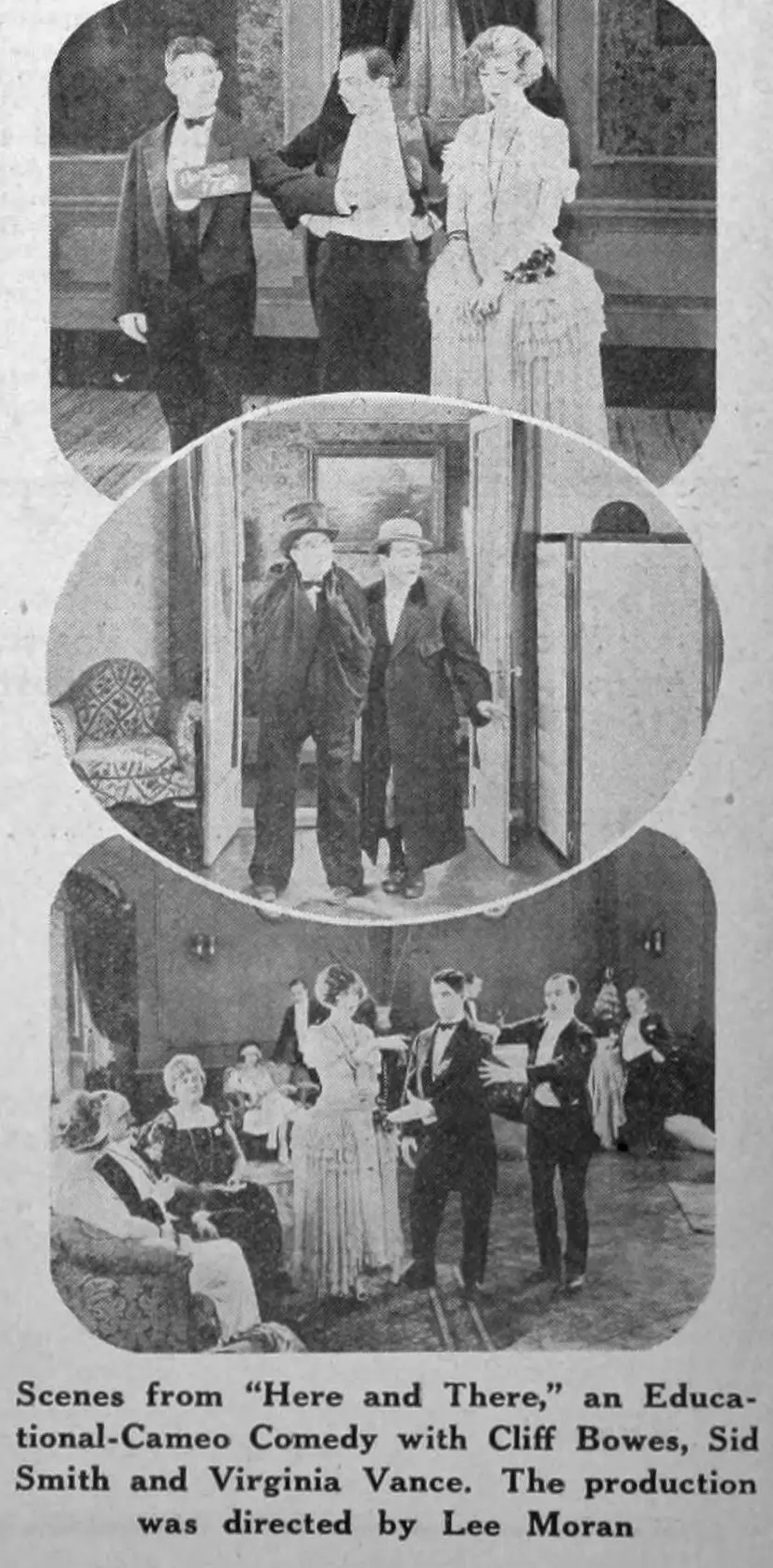
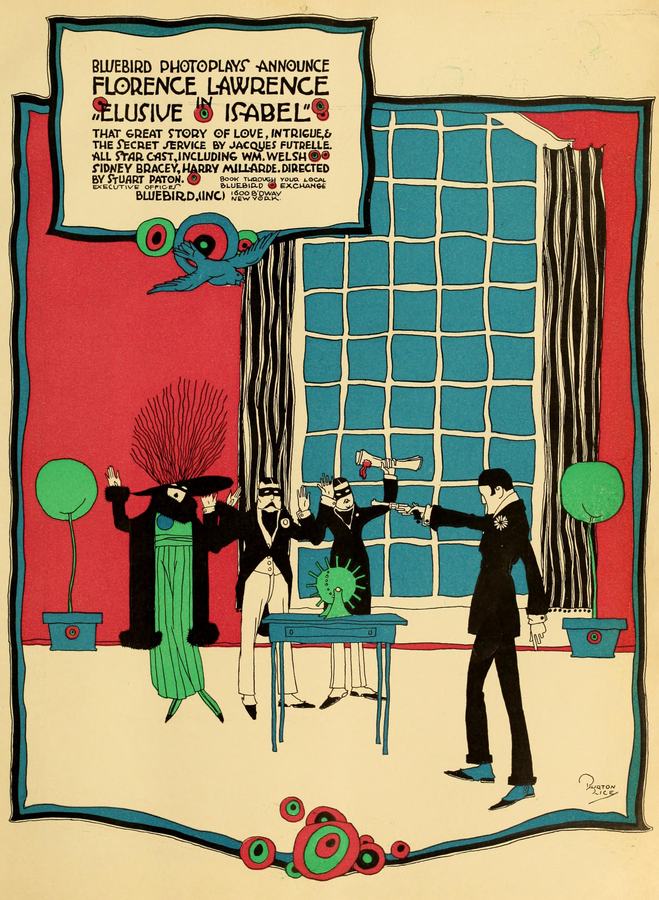
Comparing the cinematic DNA and archive impact of two defining moments in cult history.
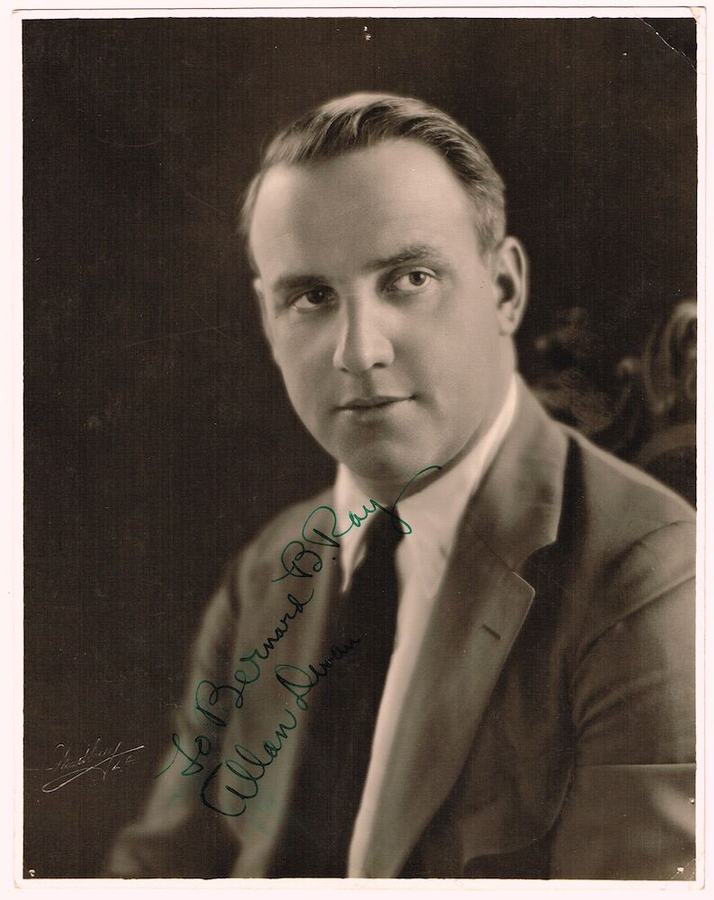
Allan Dwan
Allan Dwan
Community
Log in to comment.
" The first time I saw A Girl of Yesterday I wasn’t in a theatre at all—I was wedged between two crates of nitrate in the Library of Congress vault, squinting at a folded paper print through a magnifier loupe. Even in negative, Mary Pickford’s half-smile detonated like magnesium. She plays Elizabeth, a Quaker niece shipped east to live with her Gilded-Age relatives, but the plot is merely the armature on which the film hangs its true obsession: the moment when America’s collective conscience rea..."