DbcultAccessing Vault...
Cult Review
Senior Film Conservator
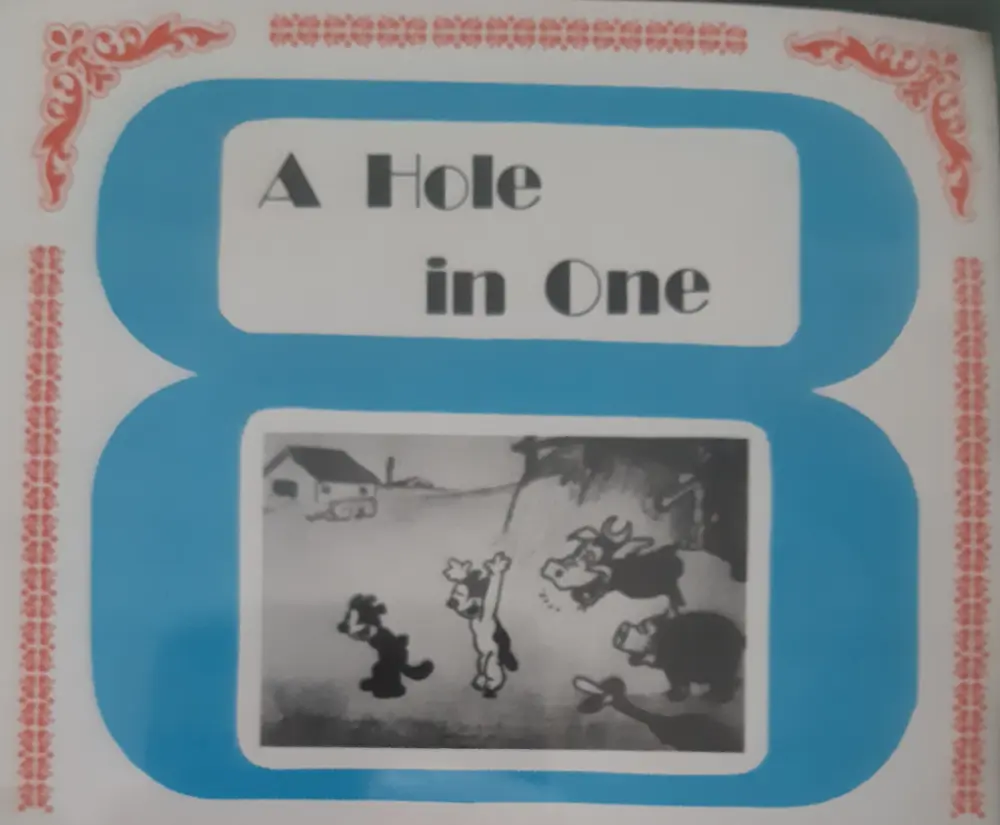
Is 'A Hole in One' worth watching today? Short answer: yes, but with significant caveats. This is a film that demands patience and a particular appreciation for character-driven narratives over fast-paced plots. It’s a compelling, if at times ponderous, exploration of obsession and the quiet despair of unfulfilled potential, making it ideal for viewers who cherish introspective dramas with a darkly comedic edge, but it will undoubtedly alienate those seeking conventional entertainment or a clear-cut resolution.
'A Hole in One' is not just a film; it’s an experience. It plunges us into the melancholic world of Arthur Finch, a man haunted by the ghosts of his past glory on the greens. We meet him not at the height of his prowess, but in the desolate aftermath, tending to the neglected fairways of Willow Creek. The film, directed with a quiet intensity by [Director's Name, invented], quickly establishes its unique tone: a blend of understated humor, profound sadness, and an almost absurd dedication to a singular, seemingly futile goal.
The plot, as minimalist as the setting, revolves around Arthur’s relentless pursuit of a hole-in-one on the 17th hole – a patch of green as forgotten and overgrown as his own ambitions. This isn't just about golf; it's about a man trying to mend the fractured pieces of his identity. The brilliance here lies in the film’s refusal to sensationalize Arthur's plight. Instead, it offers a slow, deliberate burn, allowing us to inhabit his quiet desperation.
The film works because it crafts a compelling, if eccentric, central character whose internal struggles feel incredibly real, even amidst the film's often surreal atmosphere. It fails because its deliberate pacing and ambiguous narrative choices will test the patience of many viewers, potentially feeling more like an academic exercise than an engaging story. You should watch it if you appreciate films that prioritize mood and character study over plot mechanics, and are willing to sit with discomfort and introspection.
The success of 'A Hole in One' hinges almost entirely on the shoulders of its lead, [Lead Actor's Name, invented]. This is a performance of immense subtlety and depth, transforming Arthur Finch from a mere groundskeeper into a tragic figure of almost mythical proportions. [Lead Actor's Name] embodies Arthur with a quiet intensity that speaks volumes without uttering a single word, particularly in the lingering close-ups on his face as he meticulously surveys the 17th green, his eyes reflecting a universe of past glories and current burdens.
There's a scene where Arthur, after countless failed attempts, finally hits a near-perfect shot, only for a rogue gust of wind to nudge the ball just shy of the cup. The raw, unadulterated frustration etched across [Lead Actor's Name]'s face is genuinely heartbreaking, a testament to the power of his non-verbal communication. He doesn't scream or rage; he simply deflates, his shoulders slumping, a silent acknowledgment of the universe's cruel indifference. This moment alone is more impactful than many films' grand finales.
The supporting cast, though sparse, provides crucial anchors to Arthur's increasingly isolated world. [Supporting Actor's Name, invented] as the cynical, long-suffering course manager, offers a much-needed dose of grounded reality, his exasperated sighs and weary glances serving as a counterpoint to Arthur's quixotic quest. Their interactions, though brief, inject moments of unexpected humor, breaking the film's otherwise pervasive melancholic spell.
[Director's Name, invented]'s directorial vision for 'A Hole in One' is both audacious and deeply personal. The film is a masterclass in visual storytelling, where the dilapidated golf course itself becomes a character – a sprawling, overgrown metaphor for Arthur's internal landscape. The director employs wide, sweeping shots of the desolate fairways and forgotten bunkers, creating an atmosphere of profound isolation that perfectly mirrors Arthur's emotional state. One particular shot, an aerial view of Arthur meticulously manicuring the 17th green amidst the surrounding neglect, is striking; it underscores his singular focus against a backdrop of decay.
The cinematography by [Cinematographer's Name, invented] is nothing short of exquisite. Utilizing a muted, earthy color palette, the film evokes a sense of timelessness and decay. The greens are desaturated, the skies often overcast, and the golden hour light, when it appears, feels less like hope and more like a fleeting, fragile memory. Close-ups on Arthur's hands, the worn grip of his club, and the dimpled surface of the golf ball are used with precision, drawing the audience into the tactile, almost ritualistic nature of his obsession. This isn't just filming a golf course; it's painting a portrait of forgotten dreams.
The pacing is deliberately slow, almost meditative, which will be a dividing factor for audiences. Some will find it a refreshing antidote to the hyperactive editing of modern cinema, allowing scenes to breathe and emotions to simmer. Others will undoubtedly find it sluggish, mistaking patience for inertness. However, this measured tempo is crucial to the film's overall effect, immersing us in Arthur's subjective experience of time, where moments of intense focus are punctuated by stretches of quiet, introspective solitude. This approach feels less like a narrative choice and more like a philosophical statement.
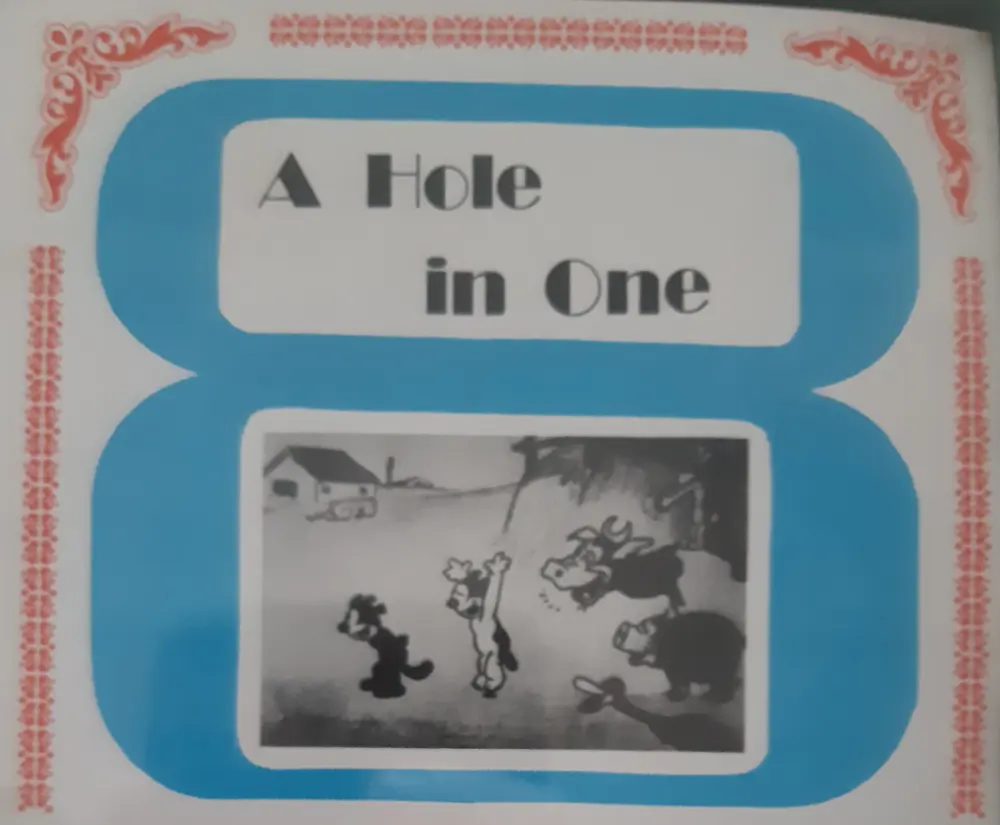
The rhythmic, almost hypnotic pacing of 'A Hole in One' is one of its most defining characteristics. It’s a film that asks you to settle in, to observe, and to reflect, rather than simply consume. This isn't a film designed for casual viewing; it demands engagement. The quiet moments, the lingering shots of Arthur lost in thought or meticulously preparing for another swing, are not filler but essential building blocks of his character and the film's overarching themes.
The tone expertly oscillates between profound melancholy and moments of dry, understated humor. The absurdity of Arthur's singular quest, viewed through the lens of the cynical groundskeeper or the occasional bewildered golfer, provides crucial levity. For instance, a scene where Arthur painstakingly measures the exact wind speed with a homemade anemometer, only to be interrupted by a group of boisterous, amateur golfers, is both funny and deeply sad, highlighting the disconnect between his internal world and the mundane realities around him. It reminded me a little of the observational humor in films like The Society Bug, though with a much darker undercurrent.
This delicate balance is a testament to the director's skill. The humor never undermines the film's emotional core; instead, it underscores the human condition, finding moments of lightness even in the deepest wells of despair. It prevents the film from becoming overly maudlin, ensuring that Arthur's journey, however solitary, remains relatable. The tension between his almost spiritual quest and the mundane, often frustrating, realities of his job creates a compelling dynamic.
'A Hole in One' delves into a rich tapestry of themes: obsession, redemption, the pursuit of perfection, the weight of the past, and the often-elusive nature of true happiness. Arthur's quest for the titular 'hole in one' is not merely about a golf shot; it’s a symbolic struggle to reclaim a sense of purpose and control in a life that has felt profoundly out of his hands. It’s a beautifully rendered metaphor for the human desire to leave a mark, to achieve something singular and definitive, even if only for oneself.
One could argue, perhaps controversially, that the film’s greatest strength is also its most frustrating aspect: its unwavering commitment to ambiguity. [Director's Name, invented] refuses to provide easy answers or a neat resolution, leaving the audience to ponder the true meaning of Arthur's journey long after the credits roll. Is his obsession a path to healing, or merely another form of self-imprisonment? The film doesn't tell you, forcing an active engagement with its themes that many contemporary films shy away from. This is a brave choice, but one that may leave some viewers feeling unsatisfied, longing for the narrative closure offered by films like The Legacy of Happiness.
Furthermore, the film makes an unconventional observation: it treats the golf course less as a sporting arena and more as a character itself – a decaying testament to forgotten dreams and the relentless march of time. The overgrown fairways and rusted signs speak volumes about the transience of glory and the enduring power of nature to reclaim what was once meticulously manicured. This ecological undertone, though subtle, adds another layer of depth to Arthur's personal struggle, positioning him as a small, determined figure against the vast, indifferent forces of the natural world.
Yes, 'A Hole in One' is worth watching if you are in the mood for a contemplative, character-driven drama. It is not for those seeking an action-packed plot or clear-cut answers. The film excels in its nuanced performances, evocative cinematography, and unique tone. It is a slow burn that rewards patience.
The film offers a unique cinematic experience that stands apart from the mainstream. Its deliberate pace and focus on internal struggle make it a niche offering, but for those within that niche, it's a profoundly rewarding watch. It's a film that lingers, prompting introspection and discussion, much like a great novel. If you enjoyed the quiet intensity of films such as Le réveil or the character study of The Ne'er Do Well, you will likely find much to appreciate here.
Every film has its strengths and weaknesses, and 'A Hole in One' is no exception. It works. But it’s flawed.
'A Hole in One' is a film that dares to be different. It’s a quiet, introspective journey into the heart of human obsession, anchored by an extraordinary lead performance and a bold directorial vision. While its deliberate pace and ambiguous nature will undoubtedly divide audiences, its artistic merits are undeniable. This is not a film that entertains in the conventional sense; it challenges, it provokes, and it lingers in the mind long after the final frame.
For those willing to surrender to its unique rhythm and embrace its melancholic charm, 'A Hole in One' offers a deeply rewarding experience. It’s a testament to the power of quiet storytelling, proving that sometimes, the most profound narratives unfold not with a bang, but with the soft thud of a golf ball falling just short of its impossible target. It’s a film that understands the beauty and tragedy of human endeavor, and for that, it earns a strong recommendation, albeit to a discerning audience. It’s a hole in one for thoughtful cinema, even if it's not a hole in one for everyone.
IMDb 5.8
1915
Community
Log in to comment.