DbcultAccessing Vault...
Cult Review
Senior Film Conservator
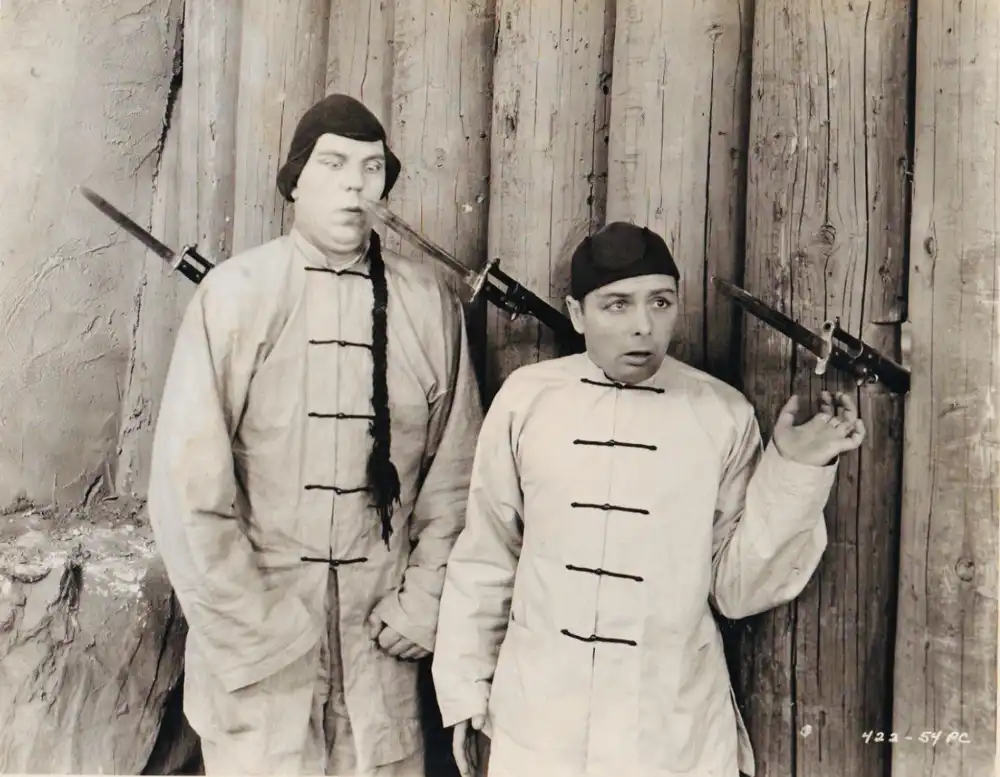
So, 'China Bound' from 1929. Is it worth digging up today? Honestly, unless you're a serious fan of early talkies or really, *really* into Polly Moran and Karl Dane's specific brand of slapstick, probably not a must-see. If you like seeing the bones of how comedies used to work, though, there's something here. Anyone expecting modern pacing or clever dialogue will likely bail out pretty quick. 🎬
This film mostly follows a couple of, shall we say, accident-prone individuals, played by Moran and Dane. They're on a boat, heading to China. That's pretty much the setup. Things happen. Mostly small, often silly things.
Polly Moran is, as ever, a force. Her expressions alone are worth watching, even when the gags don't quite land. She has this way of looking utterly bewildered and absolutely determined all at once. Like, there's a moment where she's trying to sneak a giant hatbox past a steward, and her face just *screams* desperation. 😂
Karl Dane, on the other hand, is all about the understated — for an early talkie, anyway. He plays the gruff, slightly put-upon partner to Moran's chaos. His deadpan delivery is actually quite effective when the sound isn't too crackly.
Their chemistry, even in these rudimentary sound films, is pretty solid. You can tell they'd done this song and dance a few times before. They bounce off each other with practiced ease, even if the material itself feels a bit thin.
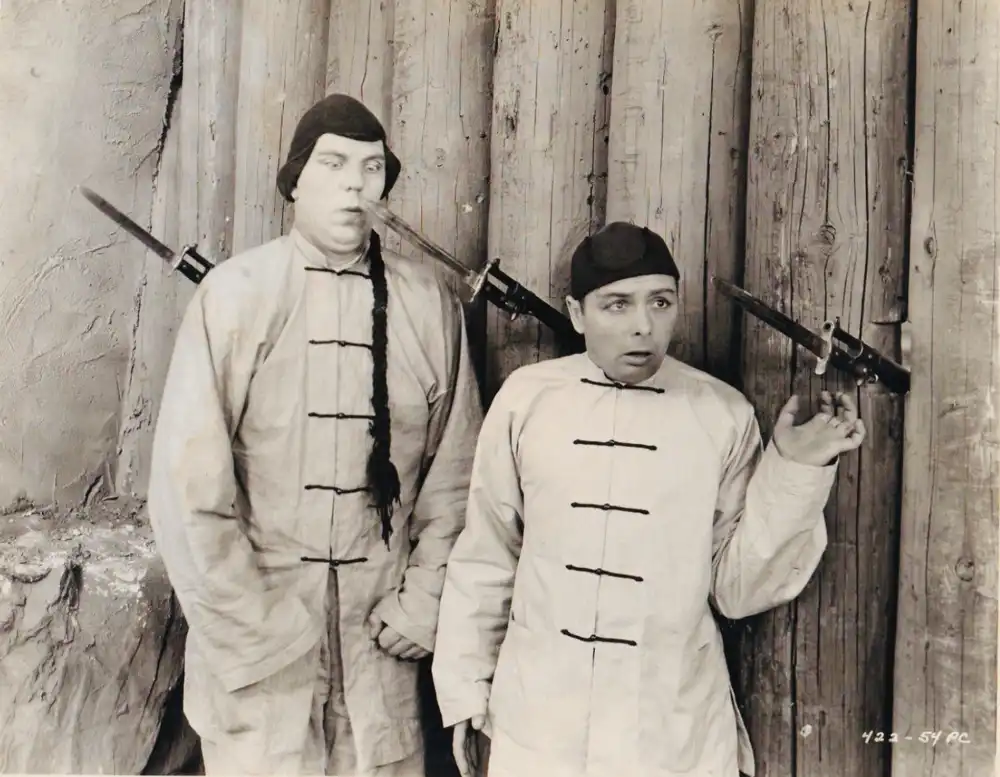
The sound here is, well, it's 1929. You get what you get. Sometimes the dialogue is crisp, sometimes it sounds like they're speaking through a tin can at the bottom of the ocean. It's part of the charm, I guess. Or the challenge, depending on your patience level.
There's a scene with a ship's band playing, and the audio mix is just wild. The instruments are loud, then soft, then some strange buzzing. It’s a reminder of how new all this was. You almost feel the crew in the sound booth trying to figure it out as they go. 🔊
The camera movement is quite limited, naturally. Many shots are static, letting the actors do their thing within the frame. It gives it a very stagey feel, like watching a play on film. Which, for the era, it basically was.
One specific gag involves a runaway suitcase on the ship's deck. It’s pretty simple, almost cartoonish, but it works better than some of the more elaborate dialogue jokes. The way it bounces off various passengers feels genuinely chaotic for a second.
Then there’s a subplot about Josephine Dunn's character, who's a bit of a romantic lead. Her scenes often feel completely detached from Moran and Dane’s antics. It’s like two different movies glued together. You can almost feel the studio saying, "we need a bit of glamour here." 🤷♀️
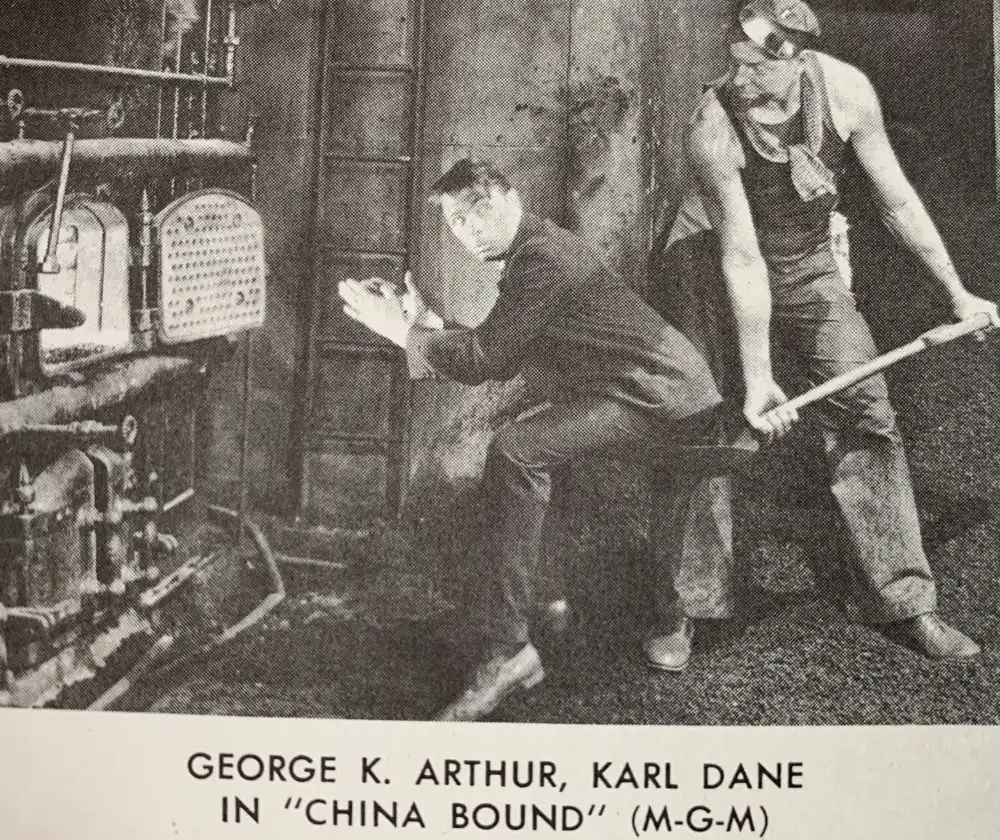
George K. Arthur plays the other half of that romantic pairing. He’s fine, does the handsome hero thing. But their storyline, honestly, feels like filler. It drags. The movie gets noticeably better when it just lets Moran and Dane be silly.
The whole journey aspect is a bit… vague. They're on a ship, going to China. Beyond that, the geography feels less important than the enclosed space for gags. You don't really get a sense of travel, just a series of rooms and decks.
There’s a bit where a sailor keeps tripping over the same rope. It happens maybe three times. The first time, it's a chuckle. The third time, you just wonder if they ran out of ideas. Still, it's a very specific, memorable bit of clumsy physical comedy. And you can tell the rope was *really* put there just for him to trip on.
It’s not a film that takes itself seriously, which is its saving grace. It just wants to make you grin a little. And sometimes, it actually manages to. If you're into seeing the roots of screen comedy, or just curious about what movies were like when sound was still a novelty, give it a shot. Otherwise, maybe stick to something a bit more polished. ✨

IMDb 5.7
1936
Community
Log in to comment.