DbcultAccessing Vault...
5.6/10
Senior Film Conservator
A definitive 5.6/10 rating for a film that redefined the boundaries of cult cinema. Slide, Kelly, Slide remains a cornerstone of transgressive art.
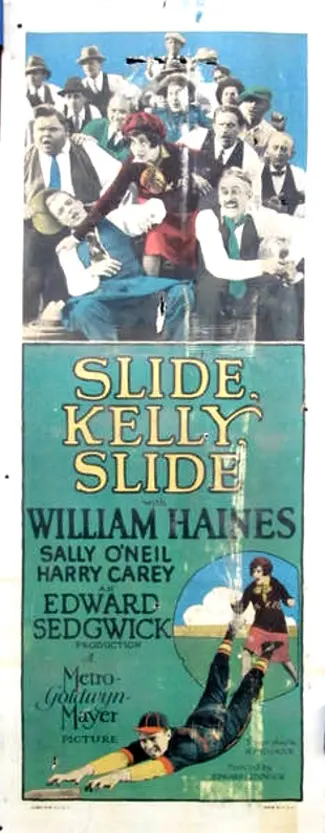
Is "Slide, Kelly, Slide" worth watching today? Short answer: yes, but with significant caveats. This 1927 silent sports drama offers a fascinating glimpse into early Hollywood's take on character redemption and America's favorite pastime, though its narrative simplicity and melodramatic flourishes might test the patience of contemporary audiences.
It's a film primarily for classic cinema enthusiasts, baseball historians, and those curious about the evolution of sports storytelling. If you prefer modern pacing, complex character arcs, or dialogue-driven narratives, this might be a challenging watch.
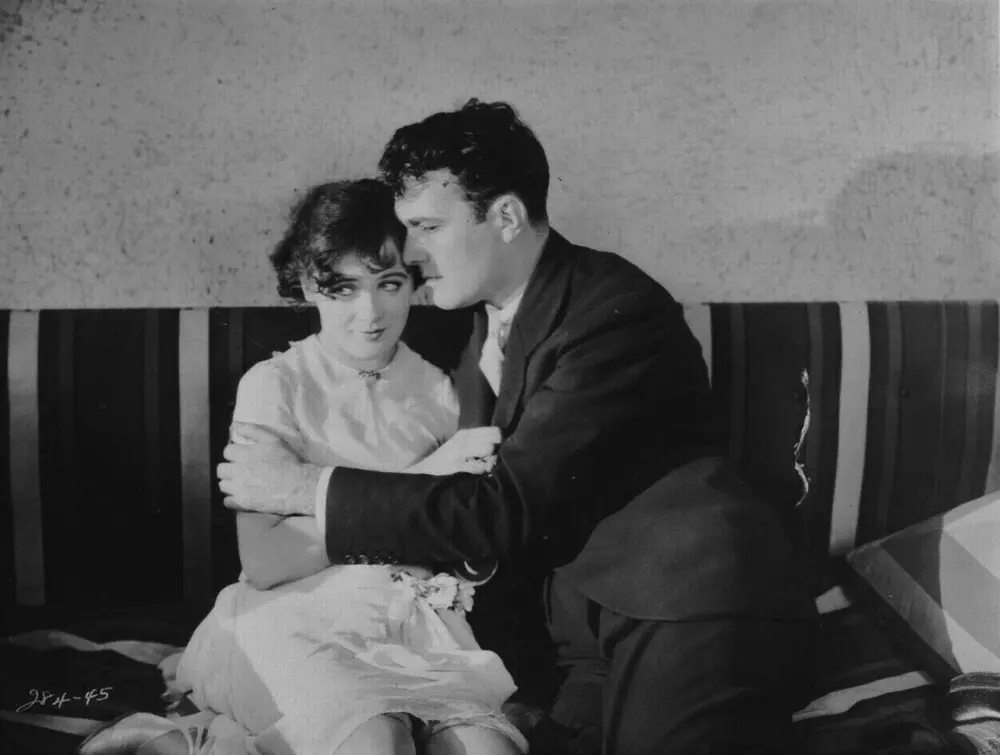
MGM’s 1927 silent feature, "Slide, Kelly, Slide," arrives from an era when film was still discovering its voice. Directed by Edward Sedgwick, it attempts to blend the nascent appeal of sports spectacle with a timeless morality play. The film’s central figure, Jim Kelly, embodies the classic archetype of the talented but flawed hero, whose journey from hubris to humility forms the backbone of the narrative. While its premise is universally relatable, the execution, viewed through a modern lens, reveals both its foundational strengths and its inevitable weaknesses.
The allure of silent cinema often lies in its ability to communicate emotion and story visually, relying on exaggerated gestures and expressive faces. "Slide, Kelly, Slide" leans heavily into this, using the dynamic setting of a baseball diamond to amplify its dramatic beats. Yet, for all its period charm, one must approach it not as a cinematic benchmark for today, but as a historical artifact that still manages to echo some surprisingly resonant themes.
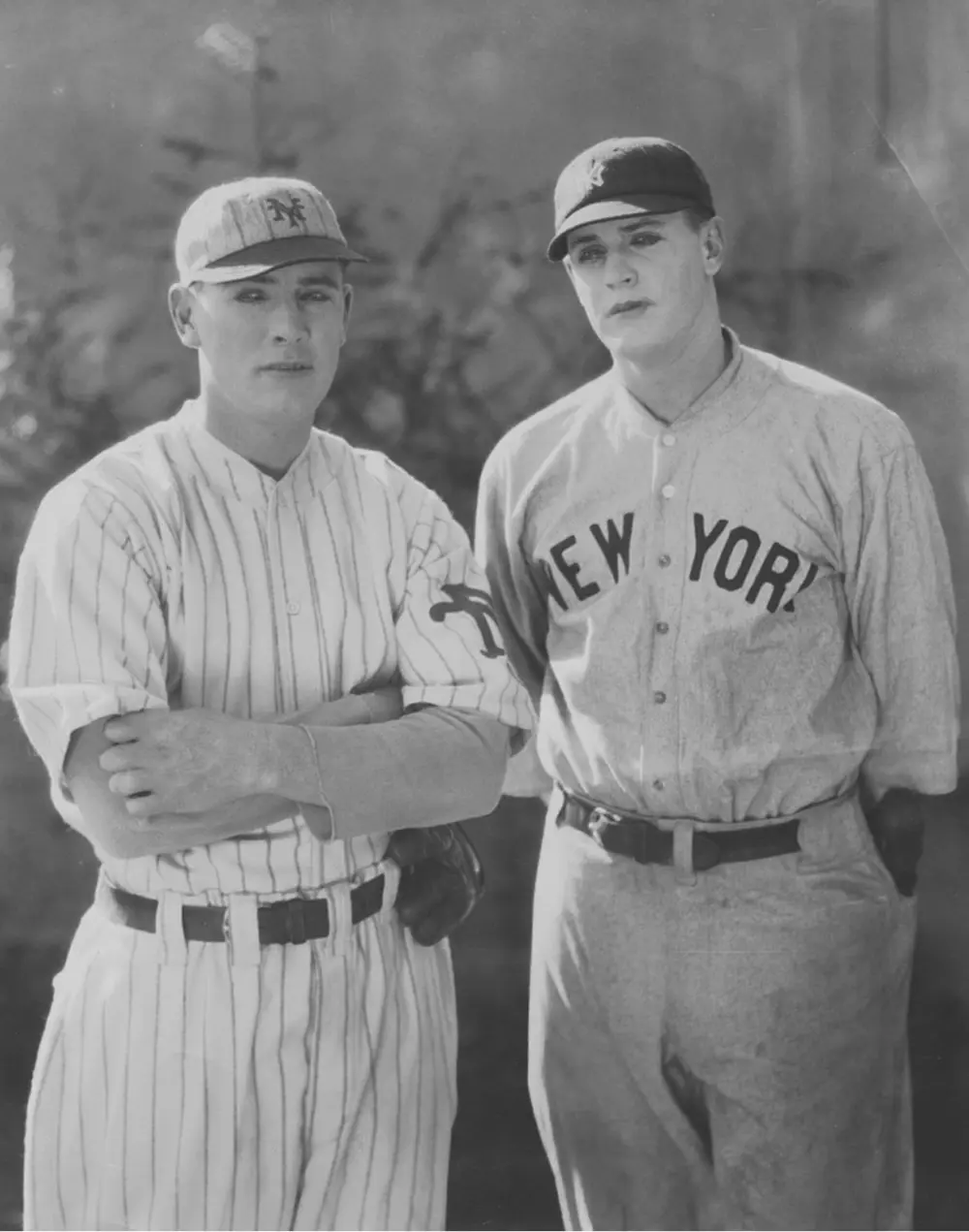
This film works because it captures the raw, visceral excitement of baseball in an era when the sport was truly America’s undisputed pastime, marrying it with a straightforward, universally understood character arc of redemption. It fails because its narrative simplicity and reliance on overt melodrama often feel dated, lacking the nuanced character development modern viewers expect. You should watch it if you appreciate silent film as a historical medium, are a baseball history buff, or enjoy straightforward morality tales about overcoming arrogance.
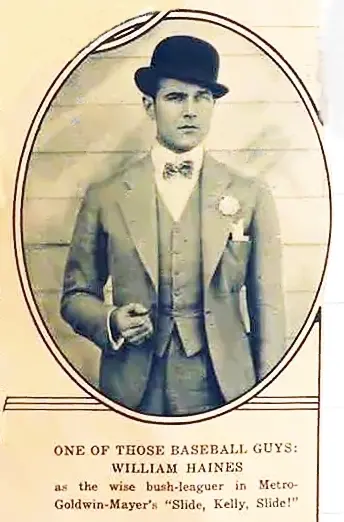
Jim Kelly, portrayed with a certain swagger by William Haines, is introduced as a prodigious pitcher whose arm is as strong as his ego is inflated. His initial scenes paint a vivid picture of a man who believes his talent exempts him from the common courtesies of teamwork and personal relationships. This arrogance, while immediately establishing his core flaw, also makes him a difficult protagonist to root for early on.
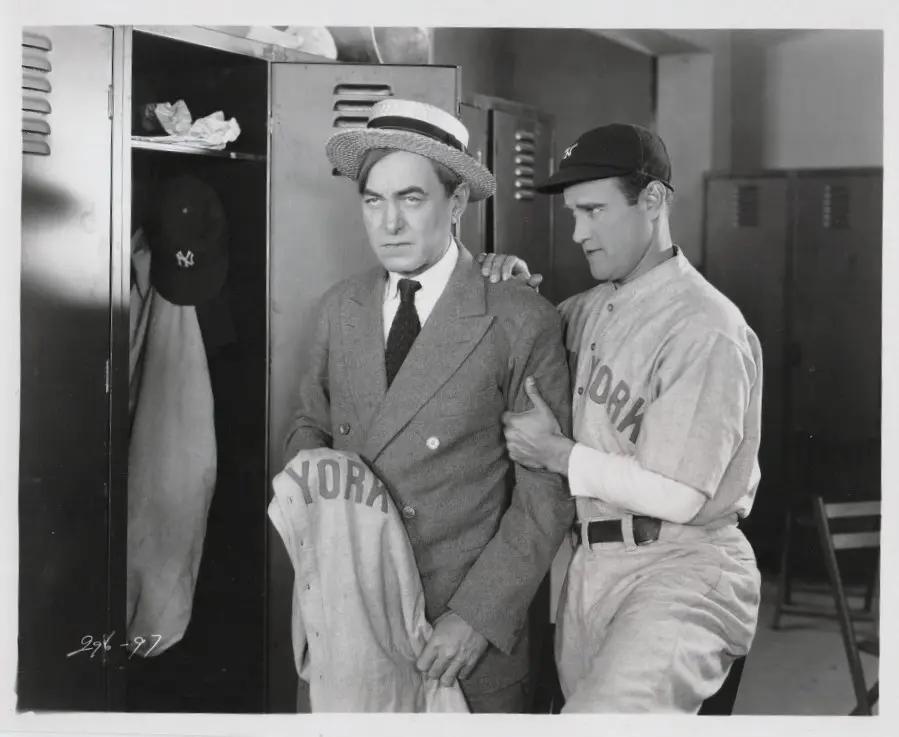
His self-centeredness manifests in a cascade of negative consequences: he alienates his love interest, Sally O’Neil (played by Sally O'Neil), whose patience wears thin under his constant self-aggrandizement. More critically, he sabotages his standing with his teammates, creating a palpable tension within the clubhouse that threatens the very success of the team. This early conflict is crucial, setting the stage for a fall that feels both deserved and necessary for any meaningful character growth.
The film’s plot, while predictable by today's standards, functions effectively as a morality tale. Kelly’s journey isn't a gradual awakening but a series of sharp, painful lessons that force him to confront the emptiness of solitary success. The narrative expertly builds towards a climactic moment on the baseball field, where his personal redemption becomes inextricably linked to the team's victory. It’s a classic setup, executed with the straightforward earnestness characteristic of the era, where the stakes feel genuinely high, even if the path to resolution is clearly signposted.
One might argue that the film’s depiction of Kelly’s transformation is abrupt, perhaps glossing over the deeper psychological shifts in favor of a more immediate, cinematic turnaround. However, within the confines of silent film storytelling, the visual cues — the slump of his shoulders, the downcast gaze, the eventual determined glint in his eye — are meant to convey volumes that dialogue would later articulate. It’s a testament to the visual language of the time, even if it leaves some longing for more internal exploration.
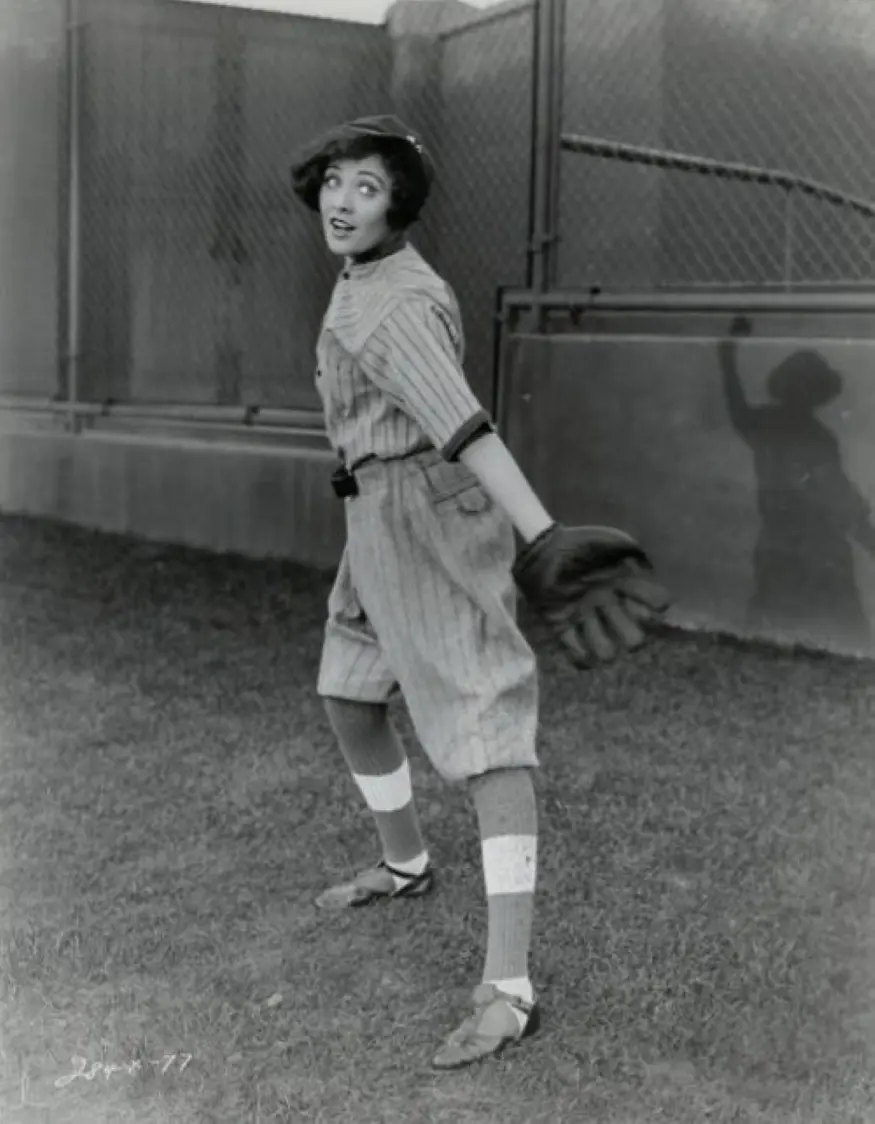
Edward Sedgwick’s direction in "Slide, Kelly, Slide" prioritizes clarity and emotional impact over stylistic flourishes. The camera work, while not revolutionary, is functional and often quite effective in conveying the energy of the baseball games. There are moments, particularly during the on-field sequences, where the kinetic energy of the sport genuinely breaks through, making the audience feel the tension of a close play or a crucial pitch.
Consider the wide shots of the stadium, bustling with spectators, or the close-ups on the pitcher’s mound as Kelly winds up for a critical throw. These shots, while standard, serve their purpose in immersing the viewer in the game's environment. Sedgwick understands that the spectacle of baseball itself is a powerful narrative tool, and he wisely allows it to drive much of the visual storytelling.
The film’s use of intertitles is typical for the period, relaying dialogue and exposition with a straightforwardness that can sometimes feel perfunctory. However, a surprising observation is how well some of the more dramatic intertitles land, particularly those conveying Kelly's internal turmoil or the sharp rebukes from his teammates. They punctuate the visual narrative, ensuring that even without spoken words, the audience grasps the emotional weight of each scene.
Cinematography, handled by Ira H. Morgan and John F. Seitz, captures the stark contrasts of light and shadow, particularly effective in conveying the mood of scenes off the field. The intimate moments between Kelly and Sally, for instance, often feature softer lighting, contrasting with the bright, almost harsh illumination of the sun-drenched baseball diamond. This subtle visual distinction helps delineate the personal drama from the public spectacle, even if it’s not always overtly dramatic.
William Haines as Jim Kelly delivers a performance that perfectly encapsulates the silent film star persona of the era: handsome, charismatic, and capable of conveying a broad range of emotions through facial expressions and body language. Haines excels at portraying Kelly’s initial cocksure attitude, a smirk often playing on his lips even when he’s clearly in the wrong. This makes his eventual humbling all the more impactful.
His transformation, though swift, is believable primarily due to Haines's ability to shift from arrogant bravado to genuine remorse. There’s a particular scene where Kelly, having lost everything, sits alone in the clubhouse, his shoulders slumped, head bowed. It's a simple shot, yet Haines communicates profound regret without a single word. This is silent acting at its most effective, allowing the audience to project their understanding onto his silent suffering.
Sally O'Neil, as Sally, provides a strong, sympathetic counterpoint to Kelly's ego. She is not merely a damsel in distress but a woman with agency, who refuses to tolerate Kelly's boorish behavior. Her quiet strength and eventual forgiveness are crucial to making Kelly's redemption feel earned. The chemistry between Haines and O'Neil, while not sizzling, is sufficient to anchor the romantic subplot, giving Kelly a tangible reason to

IMDb 8.8
1931
Community
Log in to comment.