DbcultAccessing Vault...
5.3/10
Senior Film Conservator
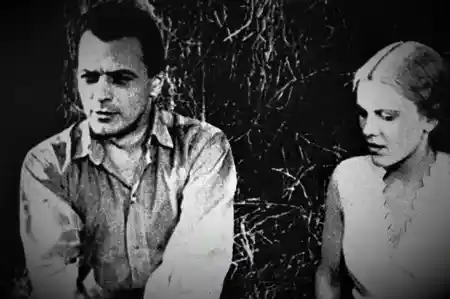
A definitive 5.3/10 rating for a film that redefined the boundaries of cult cinema. A kék bálvány remains a cornerstone of transgressive art.
So, should you watch A kék bálvány today? If you are a film student or someone who likes to see how movies first started talking, then yes. If you want a fast-paced comedy that makes sense? You will probably hate it. It is slow, the sound is crunchy, and it feels like it was filmed inside a very large, empty shoebox.
It is one of those early sound films where you can tell everyone is terrified of the microphone. The actors stand very still. They speak their lines like they are trying not to wake up a sleeping baby in the next room. It is awkward, but kind of sweet in a way.
The story follows Baron Lóránt. He goes bankrupt because of some stuff that isn't really his fault, or so the movie tells us. He doesn't seem that upset about losing a fortune. He just packs a suitcase and heads to America with his valet, Péter.
They end up working as waiters in a bar. The "America" in this movie is hilarious. It clearly looks like a studio set in Budapest with a few signs that say "BAR" in English. It has the same energy as Rouged Lips where the setting feels more like a dream than a real place.
The whole conflict happens because Lóránt's uncle shows up. Imagine being a former Baron and having to serve soup to your jerk uncle. Lóránt refuses, obviously. He gets fired, and then things get even weirder with a lottery ticket and a blue statue.
I forgot about the statue for half the movie. The title is The Blue Idol, but the idol itself feels like an afterthought. It is just this blue thing sitting on a desk while people talk about their feelings. 🗿
Sándor Pethes plays the valet, Péter. Honestly, he is the only reason to stay awake. He has this great face that looks like he just smelled something slightly sour. While the Baron is being all dramatic and romantic, Péter is just trying to survive being a waiter.
There is a scene where they are practicing how to carry trays. It goes on for a long time. It isn't particularly funny, but the way they move is so stiff it becomes accidentally funny. You can see them thinking about where their feet are supposed to go.
Pál Jávor is the lead, and he is a legend in Hungary. But here? He is so young and his acting is so... theatrical. He looks at the camera like he wants to jump through it. It is a bit much, especially compared to the simpler vibes in something like Soft Shoes.
The sound design is a nightmare. There are moments where the background noise just disappears. It becomes so quiet you can hear the actors' shoes clicking on the floor. It makes the whole movie feel very lonely.
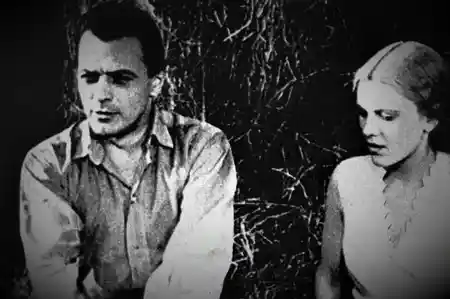
Also, the music! It just blares in at the weirdest times. One minute someone is talking about being poor, and then BAM—a full orchestra starts playing. It is very jarring. 🎺
I noticed a guy in the background of the restaurant scene. He is holding a menu and he hasn't turned the page for three minutes. He is just staring at the same spot. I think he forgot he was in a movie.
The costumes are actually pretty good, though. The Baron still looks like a Baron even when he is wearing a waiter's jacket. It’s that 1930s style where everyone looks like they spend four hours a day on their hair.
Not really. The pacing is all over the place. It feels twice as long as it actually is. It doesn't have the energy of The Gay Buckaroo or the weirdness of Maciste contro Maciste.
But there is a certain charm to how clunky it is. It is like looking at a very old car that doesn't run well but still has shiny chrome. You appreciate the effort, even if the ride is bumpy.
The ending is very predictable. You know exactly what is going to happen with the Baron and the girl. There are no surprises here. It’s like the movie is following a checklist of things a movie is "supposed" to do.
"I am a waiter now, but my heart is still noble!"
That is basically the whole movie. If you like that kind of thing, you'll have a fine time. If you don't? You'll be checking your watch every five minutes.
I did like the scene where the Baron gets fired. He does it with so much attitude. It’s the most relatable part of the whole thing. Who hasn't wanted to throw a napkin at their boss and walk out? 🏃♂️
Overall, it's a museum piece. Watch it if you want to see the birth of a national cinema. Skip it if you just want to be entertained on a Friday night. It’s definitely more interesting as a historical artifact than as a story.
One last thing—the lighting in the final scene is actually pretty nice. It has this soft glow that makes everything look like a painting. It’s the one moment where the movie feels like it knows what it's doing visually.
It’s not a masterpiece, but it’s ours. Or at least, it’s theirs. You know what I mean. It’s a bit bitsy, a bit weird, and very, very old.
IMDb 7.3
1932
Community
Log in to comment.