DbcultAccessing Vault...
5.3/10
Senior Film Conservator
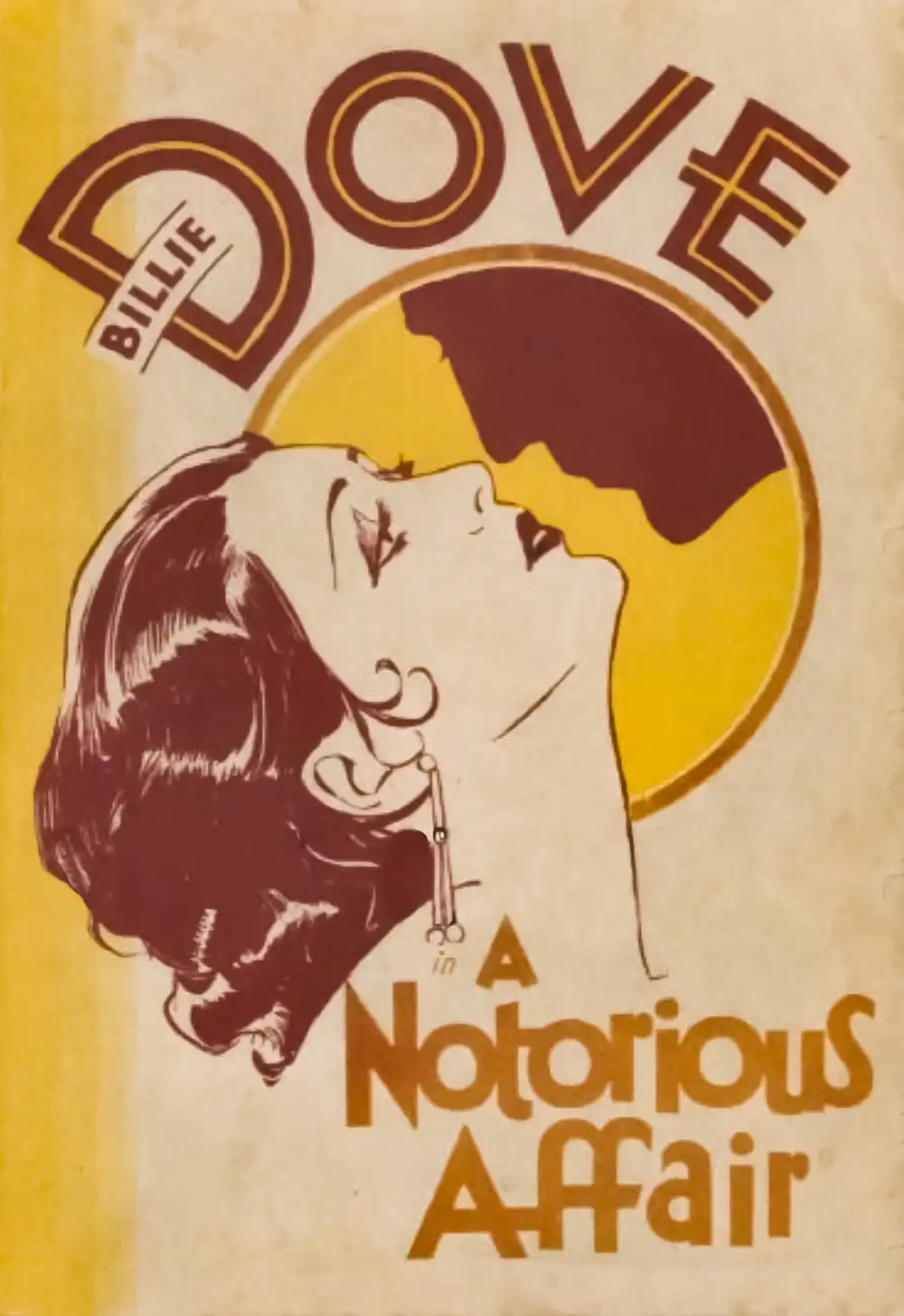
A definitive 5.3/10 rating for a film that redefined the boundaries of cult cinema. A Notorious Affair remains a cornerstone of transgressive art.
So, you’re wondering if A Notorious Affair holds up? Well, it’s a tricky one. If you’re into the quirks of early sound films and the rather daring themes of pre-Code Hollywood, absolutely, give it a shot. You'll probably enjoy seeing how they got away with things back then.
However, if you're expecting a slick, fast-paced modern drama, or anything without a few stiff acting moments, you might find yourself a little bored. This one’s definitely for the classic film buffs, the curious, or perhaps Basil Rathbone completists.
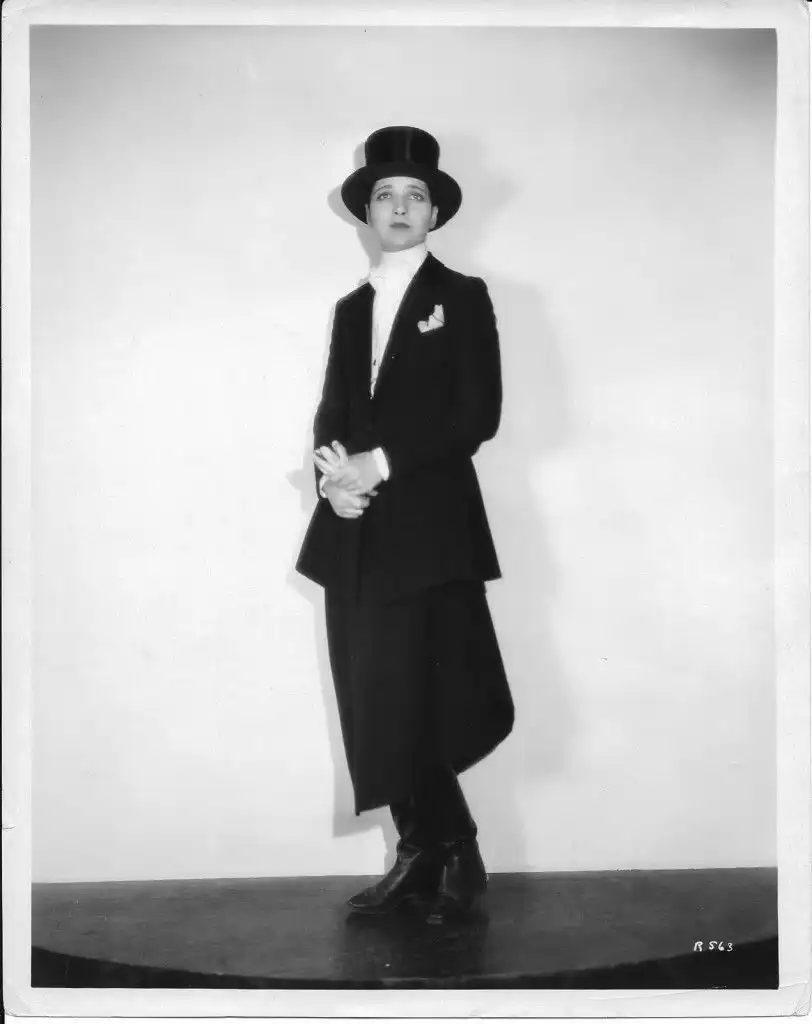
The movie wastes no time getting to the point: Paul, played by Basil Rathbone, is a musician who wants more than just a decent gig. He wants *wealth*, and he's not afraid to play people to get it.
His target? Patricia, played by Billie Dove, a socialite with deep pockets and, seemingly, a bit of a soft spot. You can almost feel the gears turning in his head the first time he looks at her, like he's sizing up a very expensive meal ticket.
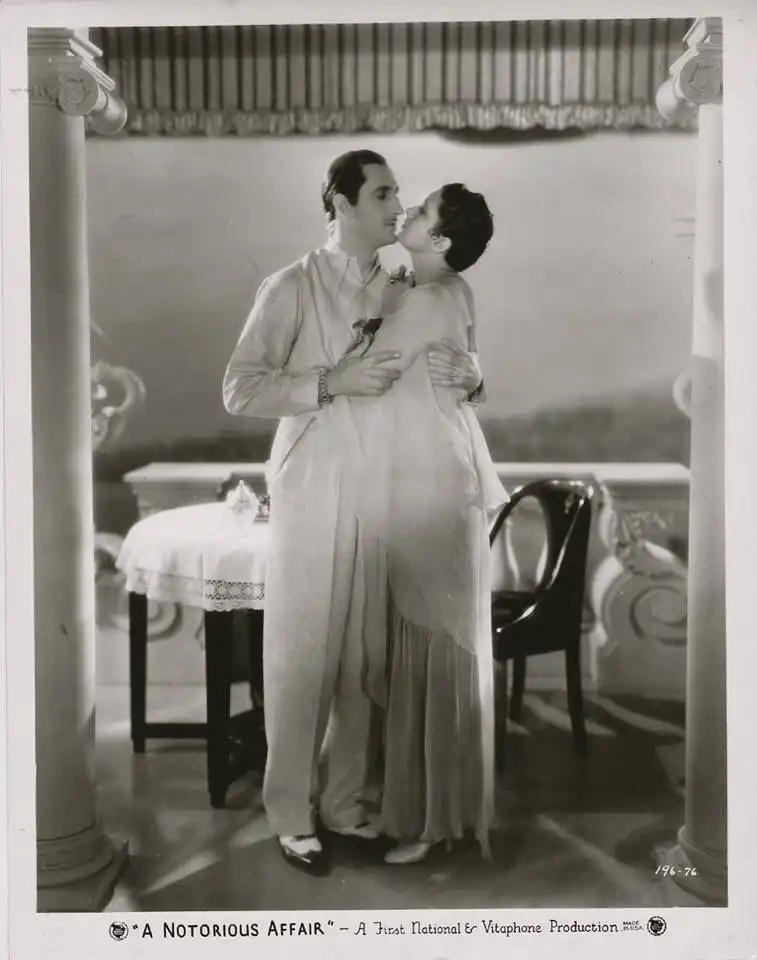
“He looks at her like he's sizing up a very expensive meal ticket.”
The whole thing feels a bit like a stage play, which makes sense for films of this era. A lot of the action happens in a few grand rooms, with characters coming and going to deliver their lines.
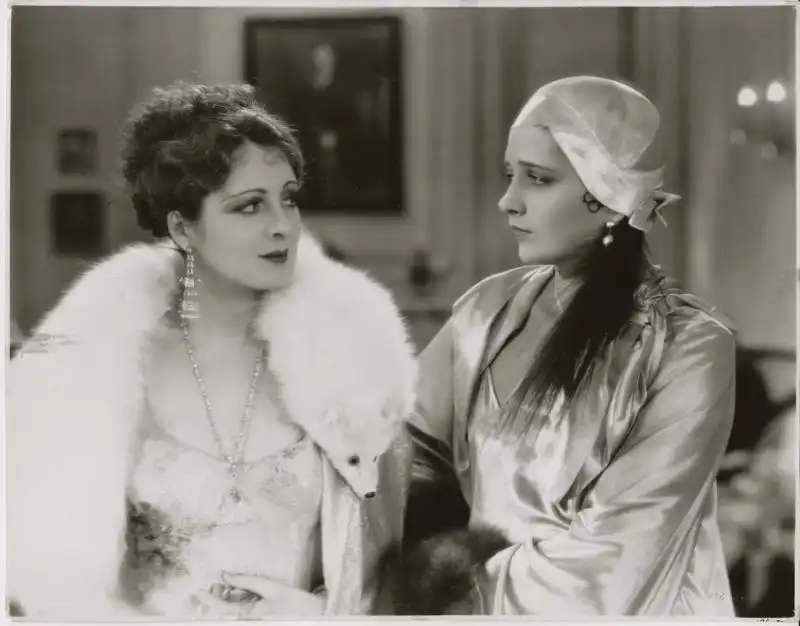
Rathbone here is just… *magnetic*. He’s not the villain in a cape you might know from later films, but a smoother, more insidious kind of schemer. His Paul is all smiles and compliments, but there's this **tiny flicker** in his eyes that tells you he’s always calculating.
There's a scene where he's playing the piano for Patricia, and he pauses, looks at her, and just gives this *knowing* half-smirk. It’s barely there, but it speaks volumes. You just know he’s thinking about the inheritance, not the music.
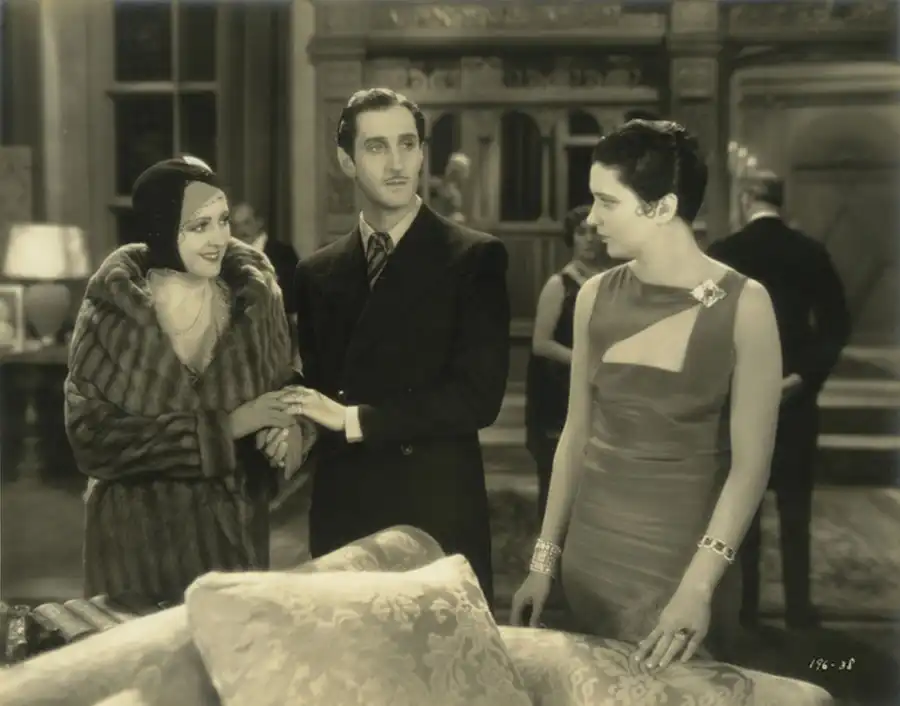
Billie Dove, as Patricia, plays the part of the smitten, wealthy woman pretty well. You feel for her, even if sometimes you just want to shout at the screen, “Wake up!” She's draped in some truly fabulous gowns, though; the costume department really earned their pay.
Kay Francis shows up as someone important, I forget her exact role in the grand scheme, but she adds a nice layer of sophistication. She’s often the one with the sharpest lines, cutting through some of the melodrama.
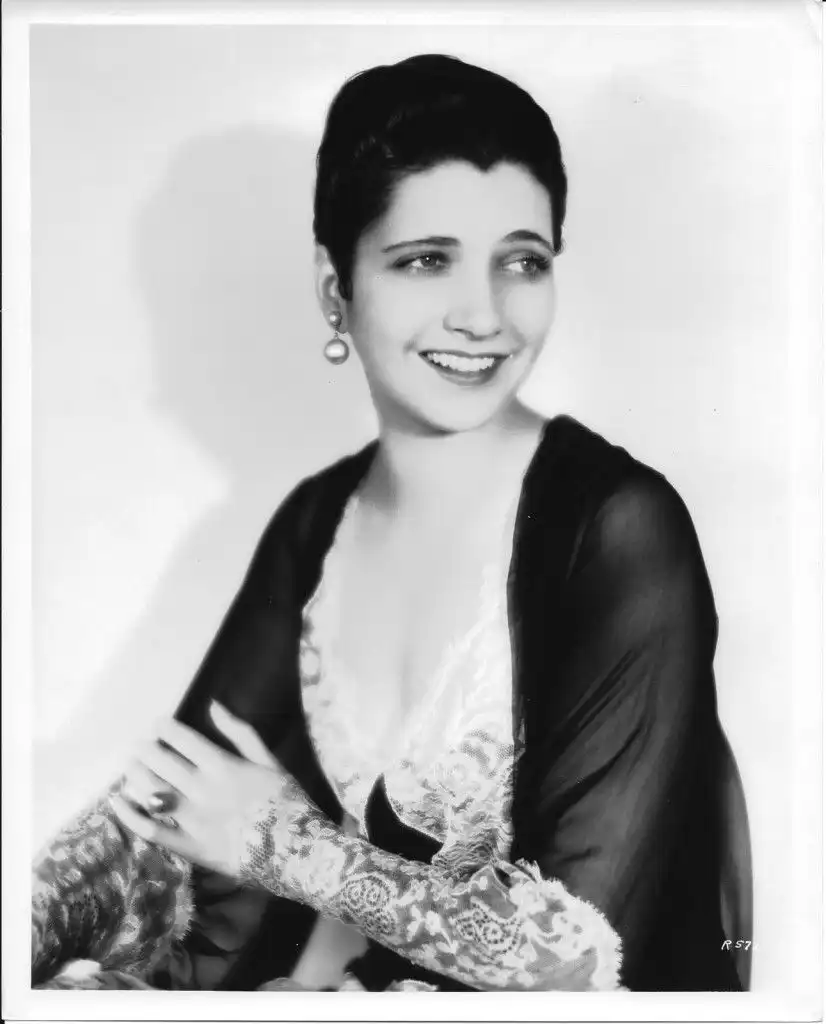
The supporting cast often feels like they’re just waiting for their cue. One particular reaction shot from an older gentleman in a dinner scene lingers a beat too long, and it almost becomes funny. You can see him *trying* to convey concern, but it just looks like he forgot his next line. Bless his heart.
The sound quality, as expected for a 1930 film, can be a little rough. Sometimes the dialogue sounds muffled, other times it echoes a bit too much in those cavernous sets. It really makes you appreciate how far technology has come.
The pacing is… deliberate. Conversations unfold slowly. Entrances and exits take their sweet time. There’s a particular walk down a grand staircase that felt like it went on for about 30 seconds longer than it needed to.
You can tell they were still figuring out how to move the camera in these early talkies. A lot of static shots, focusing on faces. When the camera does move, it feels like a big event, almost a bit clunky.
Without giving too much away, the film does build to its dramatic conclusion. Does Paul get what he wants? Does Patricia learn her lesson? It’s not a film that wraps everything up with a neat bow, which is actually quite refreshing for its time.
The ending leaves a slightly bitter taste, as it should. It’s a reminder that sometimes, the 'notorious' ones don't always get their comeuppance in the way you expect, or want. It just… *ends*.
Overall, it’s a fascinating glimpse into a past era of filmmaking. Not perfect, not always smooth, but definitely something to chew on if you appreciate the historical context. It’s **bold** for 1930, that's for sure.
IMDb —
1915
Community
Log in to comment.