DbcultAccessing Vault...
6.6/10
Senior Film Conservator
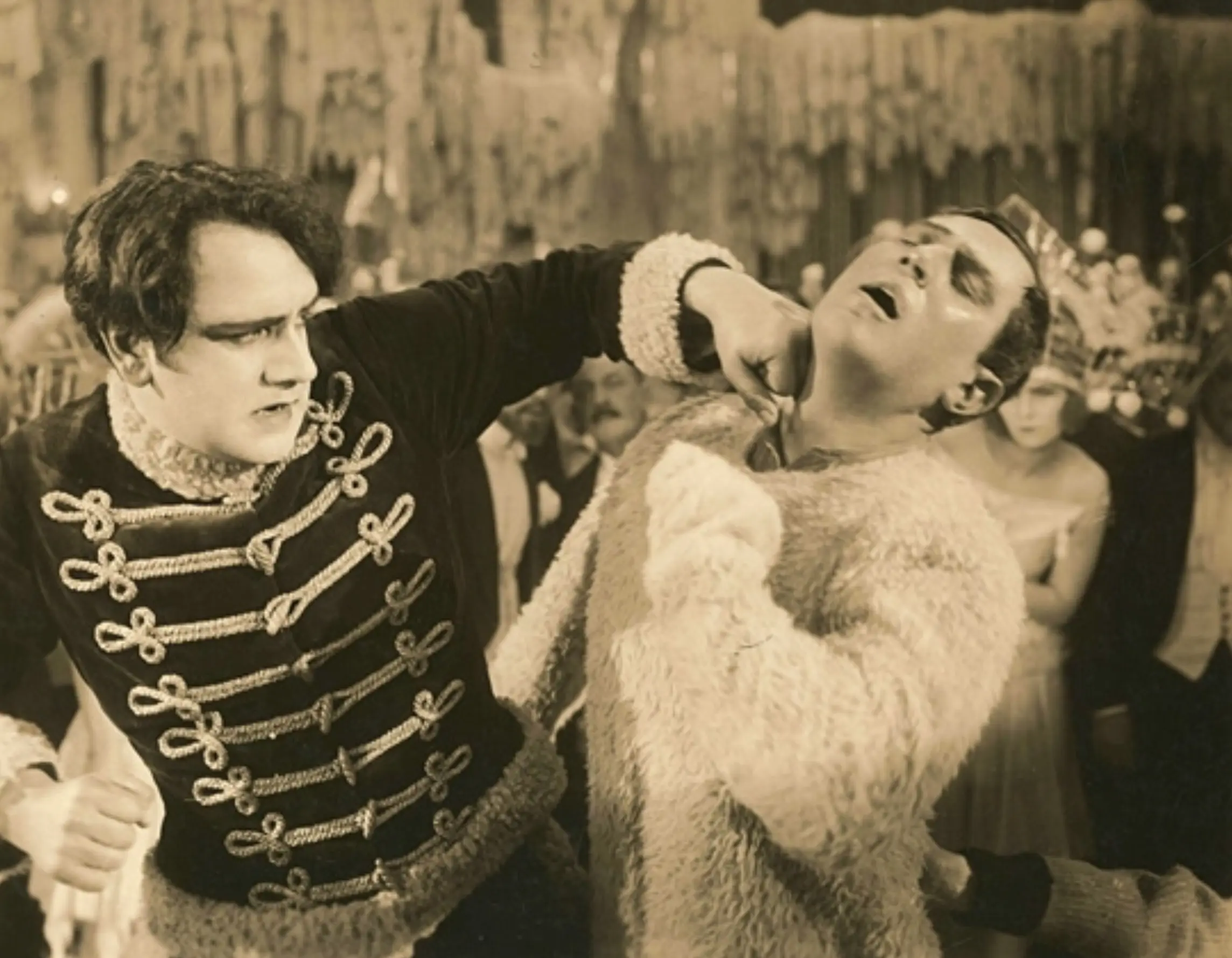
A definitive 6.6/10 rating for a film that redefined the boundaries of cult cinema. Auf gefährlichen Spuren remains a cornerstone of transgressive art.
In the volatile cultural crucible of 1924 Germany, few figures loomed as large over the popular consciousness as Harry Piel. To view Auf gefährlichen Spuren (On Dangerous Traces) through a modern lens requires a radical recalibration of our understanding of the 'action hero.' Piel was not merely a performer; he was a phenomenon, a director-actor hybrid who synthesized the death-defying athleticism of Douglas Fairbanks with a specifically European brand of urbane grit. This film, emerging from the same year that gave us the grueling naturalism of von Stroheim's Greed, offers a fascinating counterpoint to the era's preoccupation with psychological decay. While other filmmakers were plumbing the depths of the human soul, Piel was leaping across rooftops and outrunning locomotives, asserting a physical dominance over a world that felt increasingly out of control.
The collaboration between Piel and the legendary Henrik Galeen—the visionary mind behind the scripts for Nosferatu and The Golem—elevates this project beyond the standard 'Sensationsfilm' fare. Galeen brings a gothic weight to the proceedings, ensuring that every 'dangerous trace' followed by our protagonist feels heavy with consequence. Unlike the more straightforward thrills of In the Python's Den, where the danger is often externalized and reptilian, Auf gefährlichen Spuren suggests a more insidious, human-centric threat. The shadows here don't just hide villains; they represent the moral ambiguity of a society in transition.
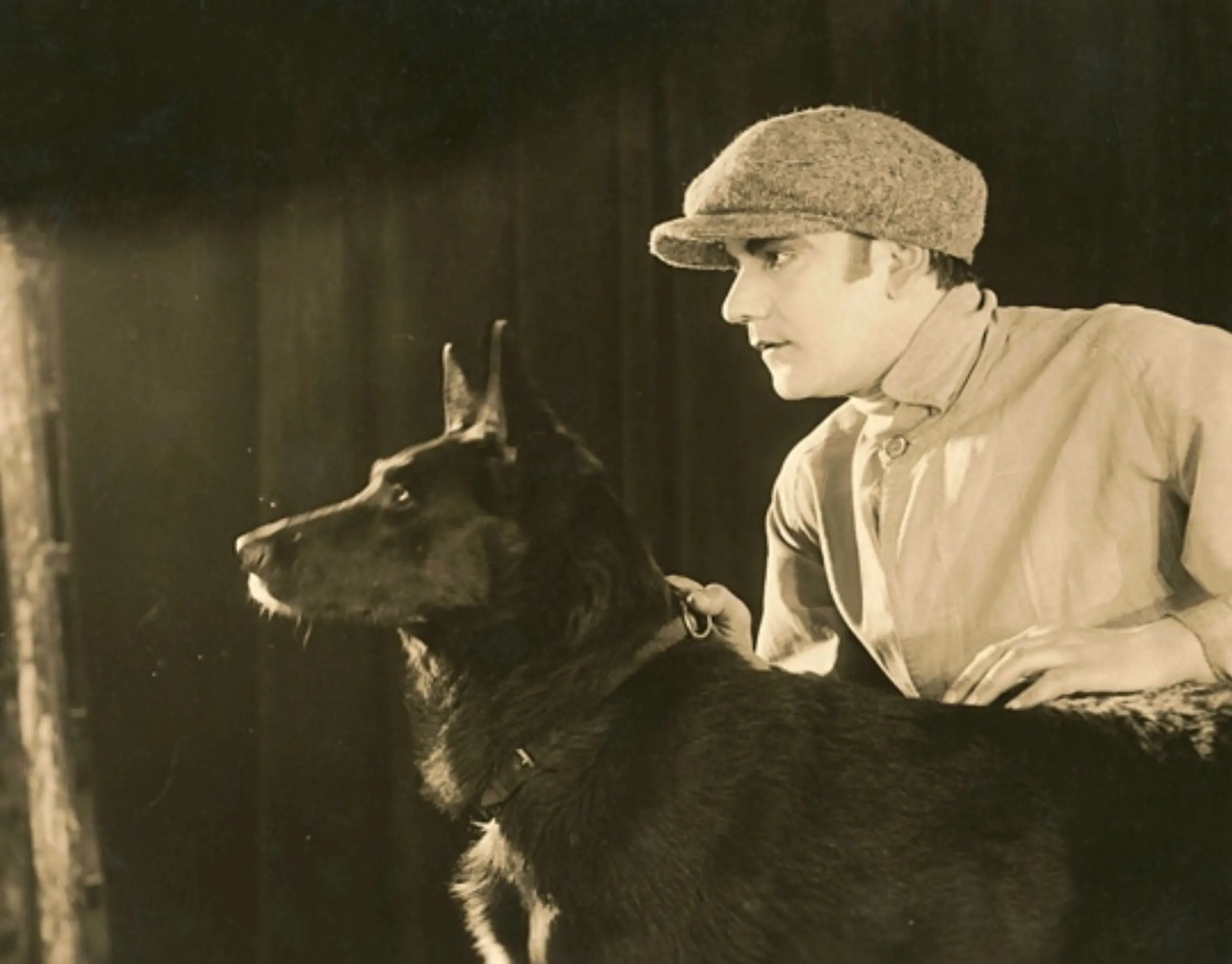
The screenplay, co-authored by Adolf Lantz, functions as a masterclass in silent narrative pacing. In an era where many films struggled to find their rhythmic footing, this duo crafted a script that breathes with the audience. There is a palpable tension between the grand, sweeping gestures of the plot and the intimate, often claustrophobic character studies that punctuate the action. We see echoes of the melodrama found in The Other Man's Wife, but filtered through a lens of high-octane escapism. The dialogue intertitles are sparse, allowing the visual storytelling to carry the narrative weight, a testament to the sophisticated visual literacy of the 1920s German audience.
One cannot ignore the casting of Esther Carena and Dary Holm, who provide more than just aesthetic accompaniment. Carena, in particular, possesses a screen presence that rivals the intensity of the leads in Whom the Gods Would Destroy. Her interactions with Piel are charged with a subtle, unspoken complexity that hints at a broader social canvas. The film isn't just about the chase; it's about the people caught in the crossfire of ambition and greed. Paul Meffert’s performance as a secondary anchor adds a layer of gravitas that grounds Piel’s more flamboyant tendencies, creating a balanced ensemble that feels far more modern than its nearly century-old vintage would suggest.
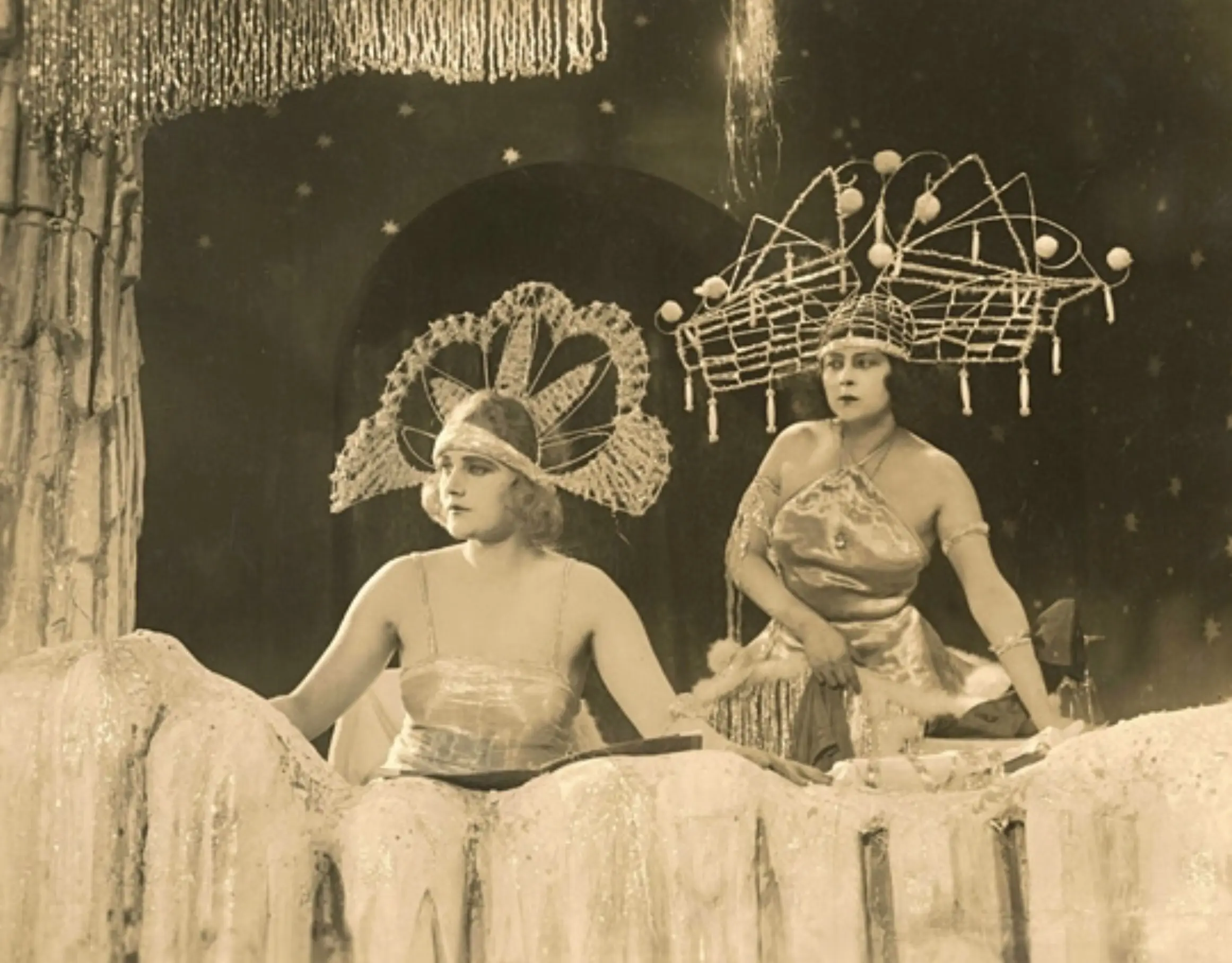
Visually, Auf gefährlichen Spuren is a feast of high-contrast cinematography. While it lacks the overt distortion of Caligari, it employs a sophisticated use of chiaroscuro that aligns it with the burgeoning Expressionist movement. The urban environments are rendered as mazes of steel and stone, reflecting the protagonist's internal struggle. It shares a certain atmospheric DNA with Drama na okhote, particularly in its ability to transform a physical landscape into a psychological one. When Piel moves through these spaces, he isn't just navigating a set; he is conquering a hostile world.
The stunt work remains the film's most visceral selling point. In a time before green screens and CGI, the peril was tangible. When we see Piel hanging from a height or engaging in a high-speed pursuit, the stakes are authentic. This raw physicality offers a stark contrast to the more theatrical, stage-bound productions like The Deemster or the romanticized struggles of His Convict Bride. Piel’s cinema was a cinema of the 'now,' a celebration of the body's capability in the face of industrialization and urban chaos.
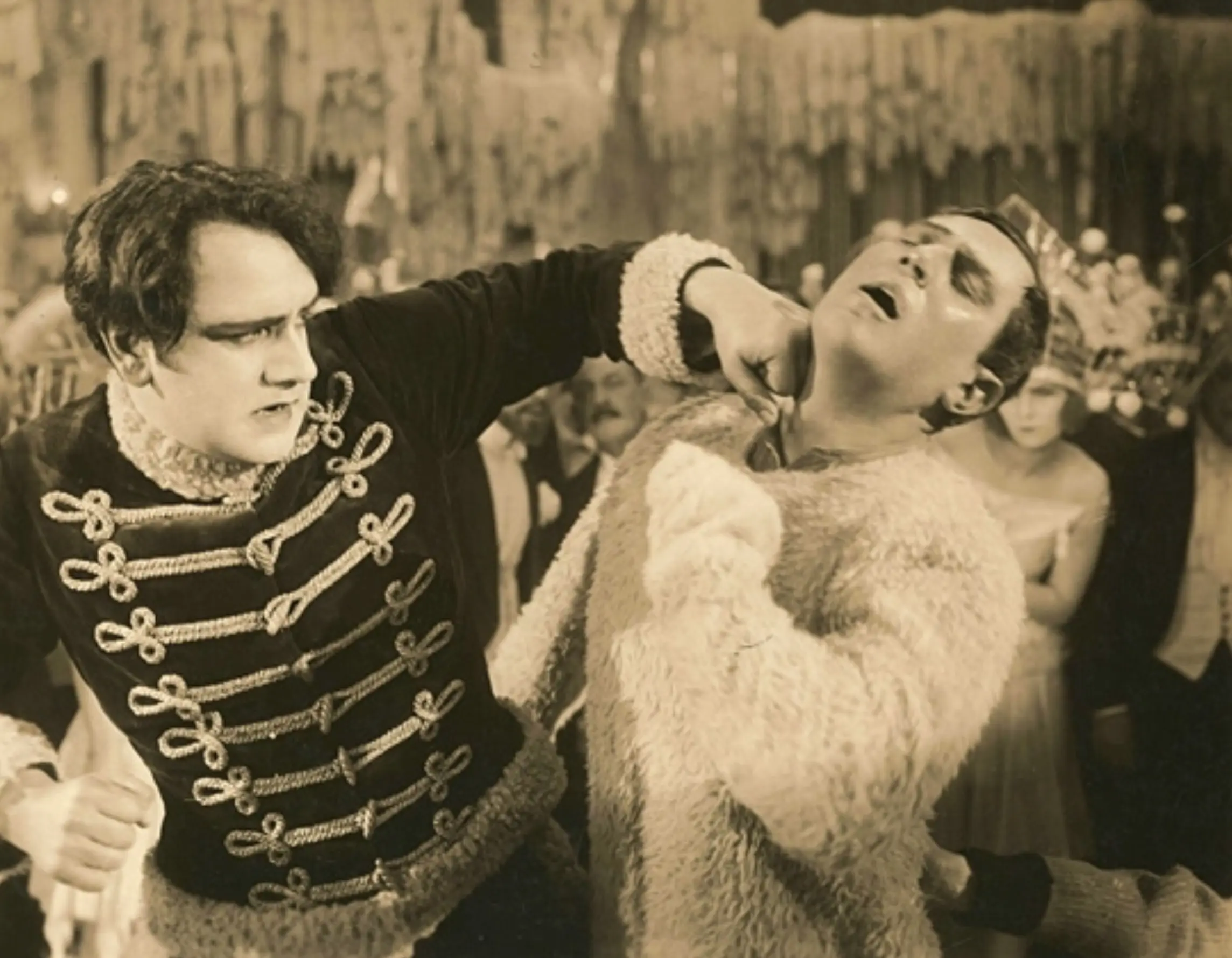
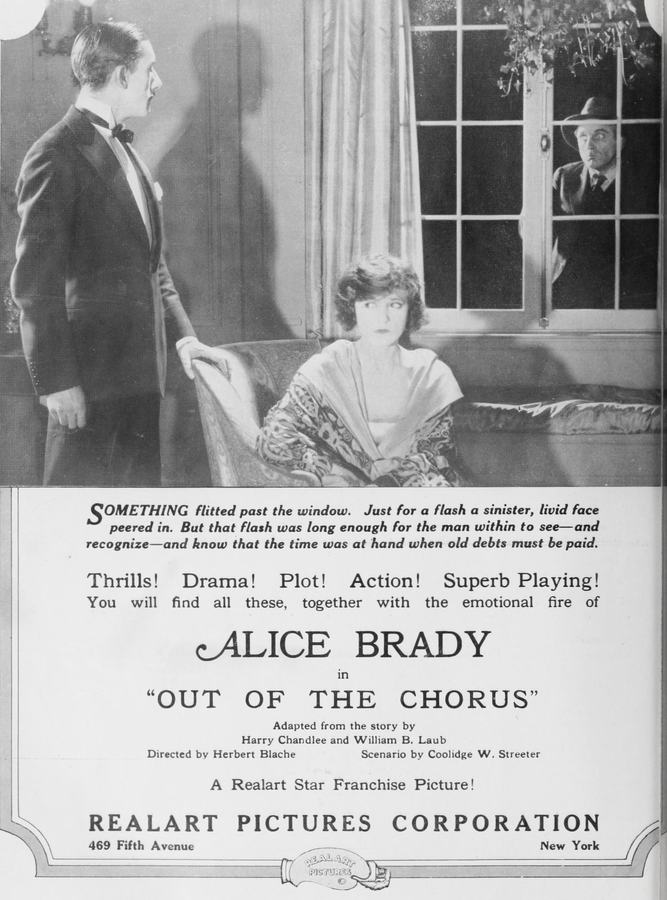
To understand the significance of this film, one must place it alongside its contemporaries. While The Storm utilized natural disasters to drive drama, Piel uses human-engineered chaos. The mechanical precision of his action sequences mirrors the efficiency of the modern age, a theme also explored in The Man Unconquerable. However, Piel adds a layer of European sophistication that is often missing from the more rugged American exports of the time. There is a dandyism to his heroism, a sense that even while dodging bullets, one must maintain a certain sartorial and moral elegance.
Furthermore, the film’s exploration of class and servitude—subtly woven through the interactions of the supporting cast—brings to mind the themes found in Der Leibeigene. Yet, where that film looks backward at feudal structures, Auf gefährlichen Spuren looks forward at the new hierarchies of the corporate and criminal underworlds. It is a film that understands the shifting power dynamics of the 20th century, where information and speed are the new currencies of power.
At its core, the film asks what it means to be a 'just' man in a world that has lost its way. The 'dangerous traces' are not just physical clues in a mystery; they are the thin lines of morality that the characters must walk. This thematic depth is what separates Piel from the purely commercial directors of his day. Even in a film designed for mass entertainment, there is a sense of the 'flickering youth'—a generation trying to find its footing after the devastation of war. This resonance is similar to the underlying melancholy in Flickering Youth, though Piel chooses to mask that sadness with a veneer of bravado.
The pacing of the final act is a marvel of silent film editing. The cross-cutting between the various character threads creates a sense of inevitable collision. Unlike the somewhat more leisurely development in As a Man Sows, Piel’s climax is an explosion of movement and resolution. It avoids the judge-and-jury simplicity of Hello, Judge, opting instead for a conclusion that feels earned through sweat and blood. The film doesn't just end; it arrives at a point of exhaustion, much like the audience.
"A masterwork of Weimar escapism that refuses to sacrifice intellectual depth for spectacle."
Auf gefährlichen Spuren remains a vital piece of cinematic history because it captures a specific moment in time when the medium was discovering its own power to thrill and provoke simultaneously. It is as much a product of the engineering of the 1920s as it is a product of its art. For those who dismiss silent film as a primitive precursor to modern blockbusters, this film stands as a vibrant rebuttal. It is sophisticated, daring, and visually arresting. It reminds us that before there were superheroes, there was Harry Piel—a man who proved that the most dangerous traces are the ones we leave on the hearts of the audience. It is a cinematic journey that, much like the characters in Skinning Skinners, requires a certain level of cunning and bravery to fully appreciate, but the rewards are well worth the risk.
Technical Note: The restoration of this film (where available) highlights the incredible detail in the set design by Gustav Oberg. The textures of the 1920s—the heavy wool coats, the polished brass of the automobiles, the cold stone of the alleyways—are all rendered with a clarity that bridges the gap between the past and the present. It is a sensory experience that transcends the lack of synchronized sound, proving once and for all that the 'silent' era was anything but quiet.
IMDb 5.7
1936
Community
Log in to comment.