DbcultAccessing Vault...
6.1/10
Senior Film Conservator
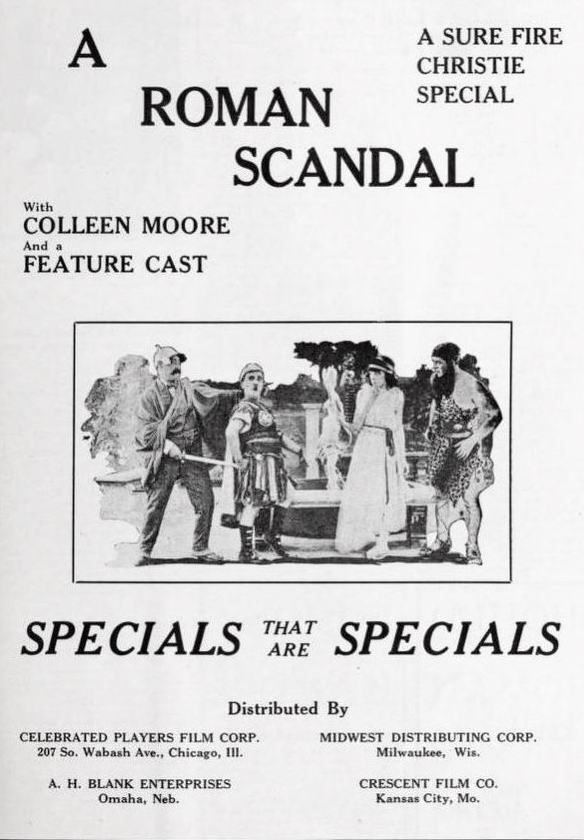
A definitive 6.1/10 rating for a film that redefined the boundaries of cult cinema. A Roman Scandal remains a cornerstone of transgressive art.
Stepping into the tumultuous world of early 20th-century cinema, one often encounters narratives that, while perhaps simplistic by today's standards, reveal a fascinating evolution of storytelling and comedic timing. 'A Roman Scandal,' a delightful romp from 1919, stands as a testament to the ingenuity and often chaotic charm of silent-era filmmaking. It's a film that, on paper, promises a lighthearted diversion, but in its execution, delivers a surprisingly robust examination of performance, expectation, and the glorious unpredictability of human nature. Directed by a keen eye for physical comedy and character-driven hijinks, this picture, penned by Frank Roland Conklin and Scott Darling, is far more than a mere historical curiosity; it’s a vibrant snapshot of a bygone theatrical era, infused with a timeless spirit of playful subversion.
The premise of 'A Roman Scandal' is deceptively simple, yet it germinates a comedic garden of Eden. We are introduced to a company of barnstormers—traveling players who, by definition, bring their theatrical wares to small towns, often performing in makeshift venues with a blend of earnestness and theatrical flair. Their world, however, is abruptly upended when, in the midst of a performance, the entire troupe decides to go on strike. This isn't merely a plot device; it's a commentary, however light, on the precarious lives of performers and the often-overlooked labor dynamics even in entertainment. The immediate aftermath is a void, a gaping hole where the spectacle should be, threatening to leave an audience bewildered and a manager in despair. It’s a moment of delightful dramatic irony, where the 'show must go on' mantra faces its ultimate existential crisis.
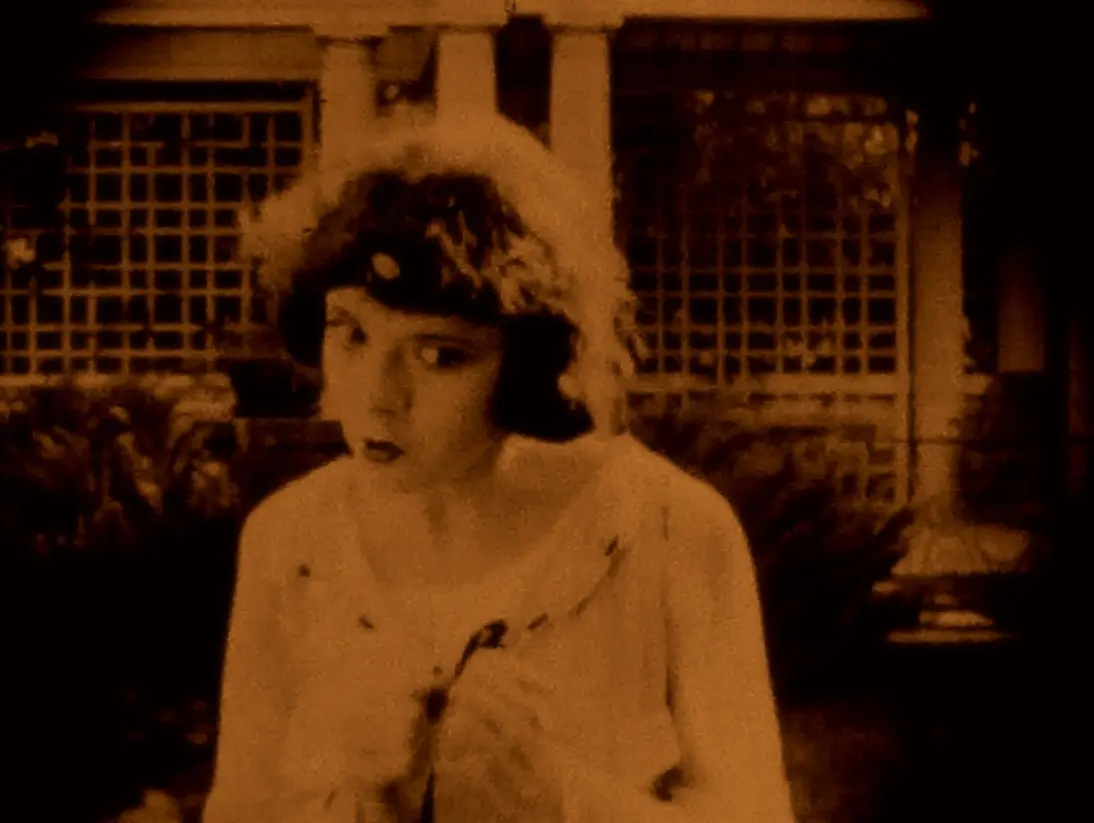
This is where the film truly begins to sparkle. Faced with an empty stage and a restless crowd, the desperate management, in a stroke of either genius or utter folly, prevails upon a collection of local amateurs to step into the limelight. This isn't just about filling roles; it's about a clash of worlds. The polished, if disgruntled, professionalism of the striking actors gives way to the raw, unbridled, and often hilariously incompetent enthusiasm of the townsfolk. Ward Caulfield, Eddie Barry, and the luminous Colleen Moore are among the key players navigating this sudden shift, embodying the spirit of either the original disgruntled professionals or the eager-yet-clumsy replacements. Moore, in particular, with her undeniable screen presence, brings a certain vivacity to whatever role she inhabishes, elevating the material beyond mere slapstick.
The true genius of 'A Roman Scandal' lies in its commitment to the phrase, 'which they do in more ways than one.' This isn't simply a matter of the amateurs fumbling lines or missing cues. Oh no, the film delves deeper, exploring the myriad ways in which their presence transforms the entire theatrical experience. Personalities clash, hidden talents (and glaring deficiencies) emerge, and the very narrative of the play being performed becomes secondary to the burgeoning, unscripted drama unfolding both on and off the stage. Gino Corrado, Earle Rodney, Helen Darling, Jack Henderson, and Billy Bletcher, whether as bewildered professionals or zealous amateurs, contribute to this vibrant tapestry of human foibles and triumphs. The film becomes a meta-commentary on performance itself, questioning the boundaries between art and life, script and improvisation.
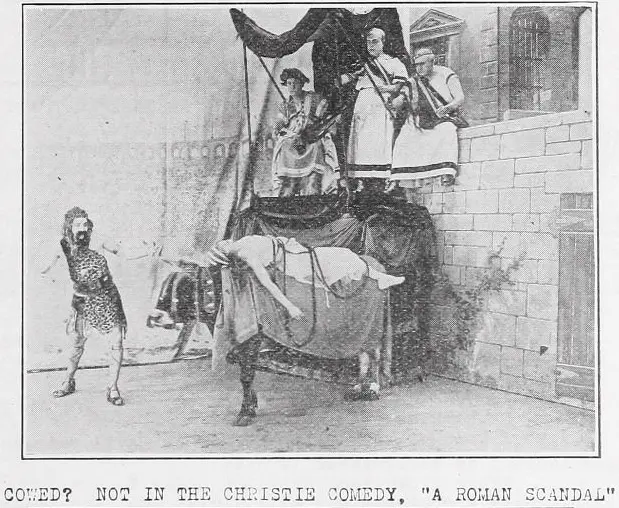
Imagine the scene: a dramatic monologue interrupted by a forgotten prop, a romantic embrace dissolving into an accidental pratfall, or a crucial plot point entirely reinterpreted through a local's idiosyncratic delivery. The film thrives on these moments, each one building on the last to create a crescendo of comedic chaos. It’s a masterclass in how to extract humor from disarray, a testament to the idea that sometimes, the most memorable performances are those that deviate wildly from the plan. Unlike the more structured comedic narratives of films like Easy Money, which often rely on external circumstances to drive the humor, 'A Roman Scandal' finds its comedic core in the internal mechanics of a group of people trying, and often failing, to perform.
The ensemble cast is crucial to the film's success. Colleen Moore, even in her earlier roles, possessed an effervescent quality that transcended the limitations of the silent screen. Her ability to convey emotion and comedic timing through expression and gesture is a joy to behold. One can draw parallels to her vibrant presence in films such as Molly of the Follies or Sally in a Hurry, where her vivaciousness often carries the narrative. Here, she is a central pillar around which the comedic anarchy revolves, providing a grounding force amidst the delightful pandemonium. The supporting players, including the seasoned veterans and the fresh faces, contribute equally to the film's tapestry. Ward Caulfield and Eddie Barry provide excellent foils, their reactions to the unfolding chaos often as humorous as the chaos itself. The writers, Conklin and Darling, clearly understood the power of character-driven comedy, allowing each performer moments to shine, whether through grand gestures or subtle, bewildered expressions.
The dynamic between the established, if striking, professionals and the well-meaning, if clumsy, amateurs is a source of constant amusement. It's not merely a battle of skill, but a clash of philosophies: the rigid adherence to script versus the liberating embrace of accidental improvisation. This tension is expertly managed, never descending into mean-spiritedness, but rather celebrating the inherent humor in human fallibility. This approach contrasts sharply with the often more dramatic, morally charged conflicts seen in films like Barriers of Society or Transgression, which tackle serious social issues. 'A Roman Scandal' remains firmly in the realm of lighthearted entertainment, yet it does so with an intelligence that belies its apparent simplicity.
From a technical standpoint, 'A Roman Scandal' showcases the burgeoning artistry of silent filmmaking. The direction is crisp, the editing sharp enough to maintain comedic rhythm, and the use of intertitles is both economical and impactful, delivering crucial plot points and punchlines with precision. While it may not possess the grand narrative scope of a historical epic or the intense dramatic weight of a melodrama like The Wolf, its intimate focus on character and comedic timing is its true strength. The film’s pacing is particularly noteworthy; it understands that comedic tension often builds through a series of escalating mishaps rather than sudden bursts, allowing the audience to savor each new layer of absurdity.
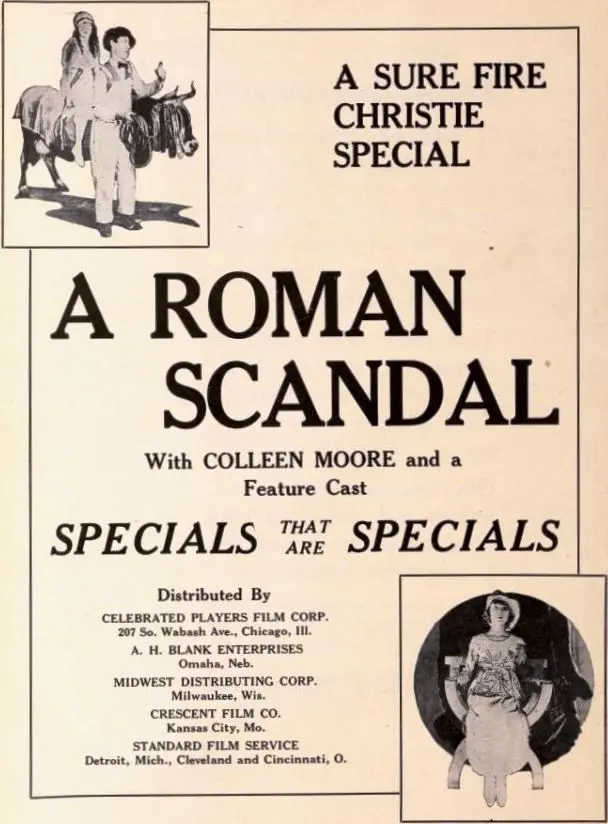
The setting, primarily confined to the theater stage and backstage areas, is utilized to its full potential, creating a sense of claustrophobic hilarity where every corner holds the potential for another unforeseen incident. This localized chaos feels distinctly different from the expansive, often outdoors-driven adventures one might see in films like A Wild Girl of the Sierras, grounding the comedy in a very human, very relatable environment. The film's charm also lies in its ability to evoke a sense of nostalgia for a time when community involvement in entertainment was perhaps more direct and less polished. It’s a delightful reminder of the raw energy that propelled early cinema and local theatrical productions.
What makes 'A Roman Scandal' resonate even today is its universal theme of unexpected triumph amidst adversity, albeit a comedic one. The idea of ordinary people rising to an extraordinary challenge, even if they stumble hilariously along the way, is perennially appealing. It's a sentiment that can be found in various forms across different cinematic eras, from the earnest efforts in The Greatest Gift to the more nuanced personal journeys in All Kinds of a Girl. This film, however, wraps it all in a package of lighthearted farce, making it an accessible and thoroughly enjoyable experience. The humor is timeless, relying on physical comedy, character reactions, and the inherent absurdity of the situation rather than topical references that might date it.
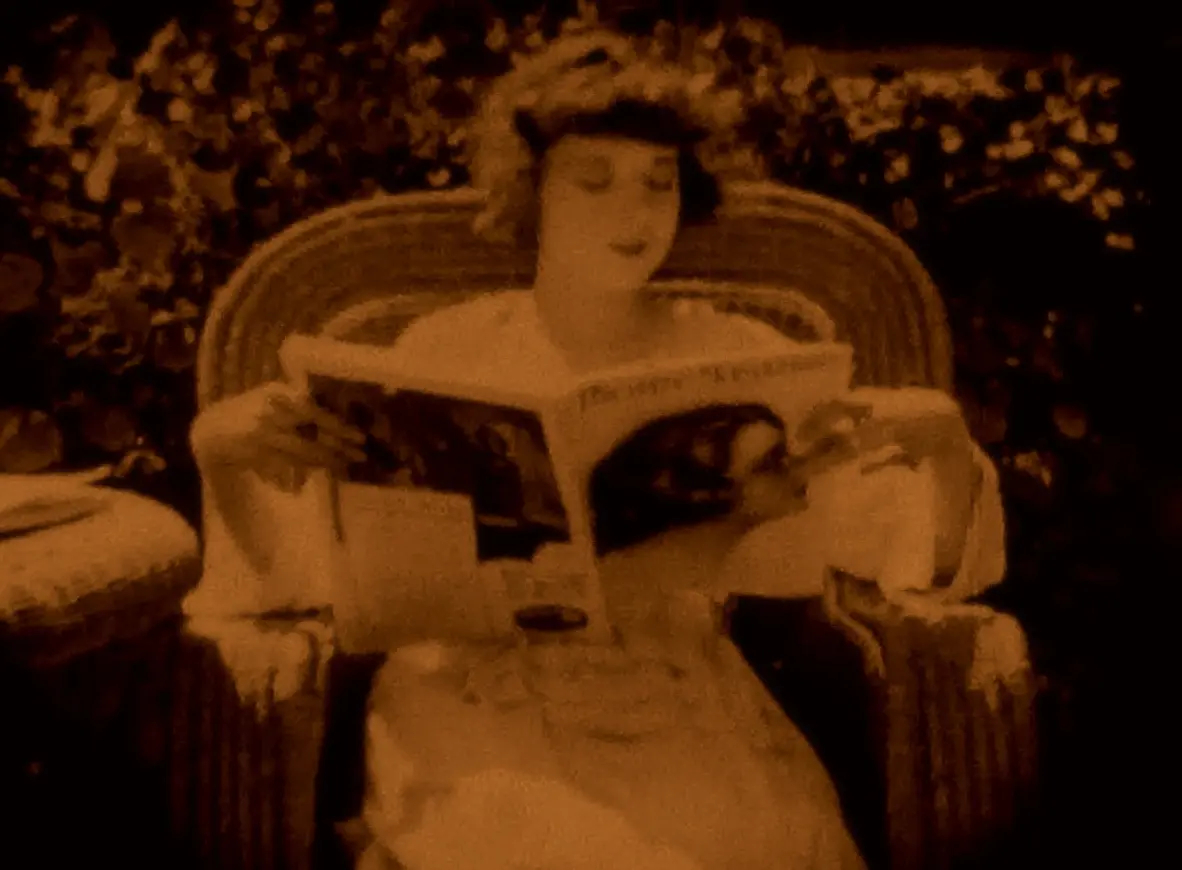
The film also serves as a valuable historical document, offering insight into the types of entertainment popular in the late 1910s. It reflects a period of great experimentation in cinema, where filmmakers were still discovering the language of the moving image. The influence of vaudeville and stage comedies is palpable, translated effectively to the screen. While films like Her Excellency, the Governor might explore political intrigue, or Meg o' the Mountains might focus on rugged romance, 'A Roman Scandal' carves its niche as a pure, unadulterated comedic romp. It doesn't aim for profundity, but it achieves something equally valuable: genuine, infectious laughter.
In summary, 'A Roman Scandal' is a sparkling, effervescent piece of silent cinema that deserves greater recognition. It's a film that delights in its own absurdity, leveraging a clever premise to unleash a torrent of comedic situations. The performances are engaging, particularly Colleen Moore's captivating turn, and the direction ensures that the humor lands with precision. It’s a testament to the enduring power of simple, well-executed comedy and a charming reminder that sometimes, the best entertainment arises from the most unexpected circumstances. If you're a connoisseur of classic film, or simply someone looking for a joyous escape into the past, this film offers a vibrant, hilarious, and utterly captivating experience. It’s a film that truly delivers on its promise of furnishing a show, and then some, leaving its audience thoroughly entertained and perhaps a little scandalized in the best possible way. Its spirit of playful rebellion and the celebration of amateur zeal make it a timeless piece, holding its own against more dramatic contemporaries such as The Tigress or the intricate character studies in Marionetten. It's a joyous cinematic confection, baked with the finest ingredients of early comedic genius, and I wholeheartedly recommend seeking out this forgotten treasure. The witty writing by Frank Roland Conklin and Scott Darling, coupled with the energetic cast, ensures that 'A Roman Scandal' remains a memorable and genuinely funny experience, a true testament to the enduring appeal of theatrical mishaps gone wonderfully, hilariously awry. One might even argue its thematic echoes are present in later works exploring the 'show must go on' ethos, even if in a more dramatic vein, like The Answer, highlighting the universal struggle and triumph inherent in performance itself. And for fans of Colleen Moore, her presence here, much like in Willy Reilly and His Colleen Bawn, is simply a treat to behold, further cementing her status as a silent screen icon. This film is a vibrant, chaotic, and utterly charming piece of cinematic history that reminds us of the sheer joy of unexpected entertainment.
IMDb —
1929
Community
Log in to comment.