DbcultAccessing Vault...
6.9/10
Senior Film Conservator
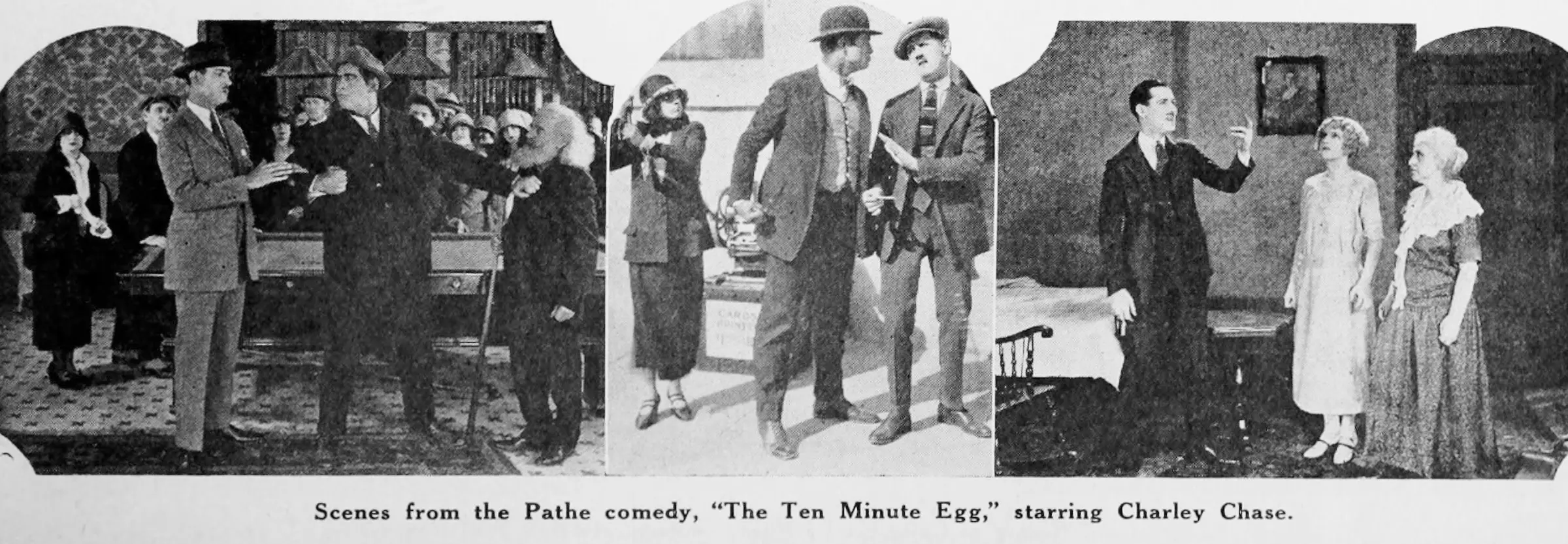
A definitive 6.9/10 rating for a film that redefined the boundaries of cult cinema. A Ten-Minute Egg remains a cornerstone of transgressive art.
Stepping back into the golden, flickering haze of early cinema, one often encounters gems that, despite their brevity, sparkle with an enduring wit and an uncanny understanding of human nature. 'A Ten-Minute Egg,' a title that itself conjures images of quick, precise comedic timing, is precisely such a discovery. This silent-era short, a delightful concoction of mistaken identity and social satire, offers far more than its titular promise of fleeting amusement; it presents a nuanced, albeit uproarious, commentary on the power of perception and the fragility of manufactured authority. The film, in its simple yet profound premise, explores how easily society can be swayed by superficial markers, a theme that remains startlingly relevant even a century later.
At the heart of 'A Ten-Minute Egg' lies Jimmy, portrayed with a captivating blend of earnestness and escalating panic. His journey begins with a seemingly innocuous act: printing business cards. However, the designation he chooses—'bouncer'—is anything but innocuous. This single word, emblazoned on a small rectangle of cardstock, transforms Jimmy from an ordinary fellow into a figure of quiet intimidation. The film’s genius lies in its immediate establishment of this premise and its subsequent, meticulous exploration of its consequences. We witness Jimmy, perhaps an otherwise unremarkable individual, wielding an unexpected power. Doors open, arguments cease, and potential conflicts evaporate simply by the presentation of this potent, professional identifier. It’s a masterclass in the psychology of appearances, demonstrating how a mere label can reshape social interactions and dictate deference.
The early scenes are a parade of subtly hilarious encounters where Jimmy’s newfound 'profession' smooths over potential rough edges. One can almost picture Jack Gavin, perhaps in a supporting role as a gruff antagonist, or Richard Daniels as a bewildered bystander, recoiling slightly as Jimmy casually presents his card. The humor isn't in overt violence or slapstick (though silent comedies never shy away from a good pratfall), but in the quiet, almost imperceptible shift in demeanor of those who encounter Jimmy's 'bouncer' status. It’s a testament to the directorial acumen and the performers’ ability to convey complex reactions through gesture and facial expression, a hallmark of the era's best silent films.
But what happens when the wellspring of authority runs dry? This is where 'A Ten-Minute Egg' truly shines, transitioning from gentle satire to full-blown farce. The narrative pivots dramatically as Jimmy begins to run out of his precious business cards. The initial calm confidence gives way to a creeping anxiety, then to outright desperation. Each card dispensed is a small death, a step closer to the inevitable moment when his bluff will be called. The film brilliantly illustrates the escalating tension, as Jimmy finds himself in situations where the 'bouncer' is desperately needed, but the physical proof of his identity is gone. He's forced to improvise, to bluster, to employ increasingly outlandish tactics to maintain the illusion. The physical comedy, a staple of silent cinema, comes to the fore here, with Jimmy contorting himself into awkward positions, making exaggerated gestures, and employing a range of comical non-verbal cues to try and project an authority he no longer possesses the 'documentation' for.
Consider the scenarios: perhaps a boisterous patron, played by the formidable Noah Young, needs to be ejected, or a dispute, involving the likes of Charley Chase (who often brought a unique blend of dapper charm and comedic exasperation to his roles) or Bill Brokaw, needs to be quelled. Jimmy, without his cards, must now rely on sheer nerve and the lingering memory of his previous, card-backed authority. The film expertly mines the humor from this disparity between perceived power and actual powerlessness. This is where the ensemble truly comes alive, reacting to Jimmy’s increasingly frantic efforts with a mix of confusion, skepticism, and eventual realization. Emma Tansey, Charlie Hall, Martha Sleeper, and Leo Willis, among others, would have contributed to this vibrant tapestry of reactions, each performance adding a layer to the comedic build-up.
The strength of 'A Ten-Minute Egg' is not solely in its clever premise but also in its vibrant cast, a collection of seasoned performers who understood the nuances of silent comedy. While specific writer credits for such shorts were often fluid or unlisted in this era, the physical gags and character beats undoubtedly emerged from a collaborative environment, with the actors themselves contributing significantly to the comedic rhythm. The presence of figures like Charley Chase, whose career spanned decades and saw him evolve from actor to director, is a strong indicator of the film's potential for sophisticated comedic timing. Chase, known for his everyman persona often caught in escalating predicaments, would have brought a particular charm to any scene he graced, whether as a principal or a prominent supporting player.
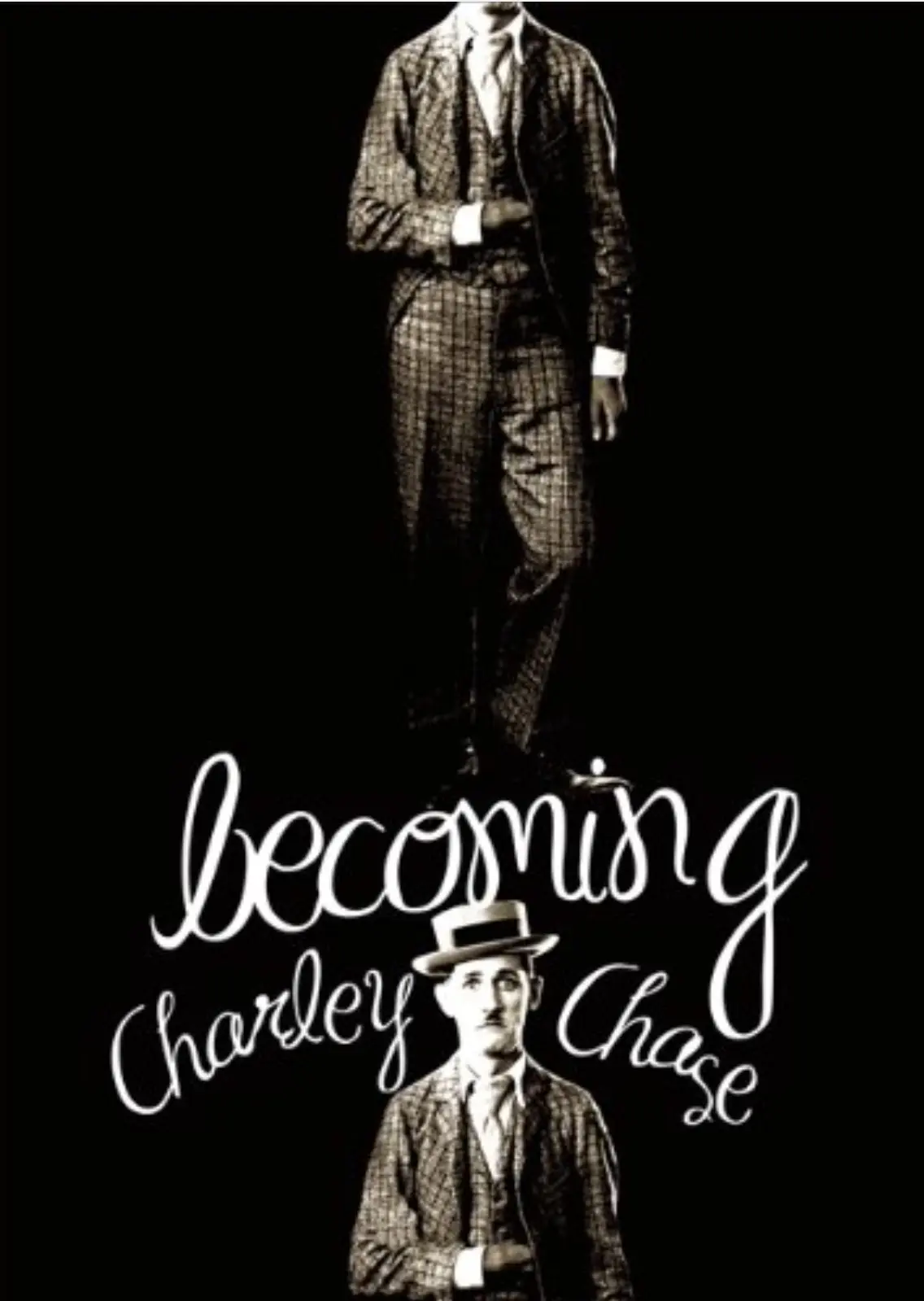
The supporting cast, a veritable who's who of silent-era character actors, further enriches the experience. Bynunsky Hyman, Ena Gregory, Jack Hill, Sammy Brooks, Ed Brandenburg, Carlton Griffin, Andy Samuel, Joseph Forte, and Chet Brandenburg – these names represent the backbone of the era’s comedic output. Each, in their own way, contributed to the visual language of silent film, understanding how to convey emotion, reaction, and character without dialogue. Their collective presence ensures that every frame is populated with expressive faces and bodies, reacting authentically to Jimmy's escalating charade. Whether it's a double-take from Bynunsky Hyman or a bewildered stare from Ena Gregory, these performances are crucial in grounding the fantastical premise in a believable, if comedic, reality.
When considering 'A Ten-Minute Egg' within the broader context of early cinema, its thematic elements resonate with other works of the period. The idea of an ordinary individual thrust into an extraordinary or self-created role, only to face the consequences, is a recurring comedic trope. One might draw parallels to films like Once a Plumber, where a protagonist finds themselves in an unexpected professional masquerade, navigating the absurdities that arise from misidentification. Both films play on the humor inherent in an individual attempting to uphold a facade that is increasingly difficult to maintain.
Similarly, the film's reliance on physical comedy and escalating predicaments connects it to the broader tradition of slapstick. While not as overtly physical as some of the Keystone Kops shorts, the humor stems from the visual spectacle of Jimmy's increasingly desperate maneuvers. The subtle, yet impactful, social commentary on appearances and the power of a label can also be seen, albeit in different registers, in films that explore social class and perception. Even a film like My Boy, while centered on a different kind of emotional journey, shares with 'A Ten-Minute Egg' a reliance on the expressive power of its lead (in that case, Jackie Coogan) to convey complex emotional states and comedic moments without spoken dialogue. These comparisons highlight not only the unique charm of 'A Ten-Minute Egg' but also its place within a rich cinematic tradition of exploring human foibles through humor.
Despite its designation as a 'short,' 'A Ten-Minute Egg' leaves a lasting impression. It’s a testament to the ingenuity of early filmmakers who, with limited resources and nascent cinematic language, crafted narratives that were both entertaining and insightful. The film’s exploration of identity, the power of a uniform or a title, and the inevitable collapse of a carefully constructed lie, resonates with audiences across generations. It’s a timeless narrative, wrapped in the delightful package of silent-era comedy. The performances, particularly the lead, but also the vibrant reactions from the ensemble, are a masterclass in non-verbal communication, reminding us of the foundational artistry upon which all subsequent cinematic storytelling has been built.
The careful pacing, the build-up of the premise, the gradual escalation of Jimmy’s predicament, and the eventual, farcical climax all speak to a sophisticated understanding of comedic structure. It's not just a series of gags; it's a meticulously crafted story with a clear arc. The film, in its essence, captures a universal truth: that our perception of others is often shaped by the flimsiest of evidence, and that the maintenance of a false front is an exhausting, ultimately unsustainable endeavor. It’s a joyous, intelligent piece of cinema that deserves to be rediscovered and celebrated for its enduring charm and its surprisingly sharp social commentary.
In an age where visual effects dominate and dialogue is king, 'A Ten-Minute Egg' serves as a potent reminder of the power of pure visual storytelling. The expressive faces of Jack Gavin, Richard Daniels, Charley Chase, and the entire supporting cast—Bill Brokaw, Emma Tansey, Charlie Hall, Noah Young, Martha Sleeper, Leo Willis, Bynunsky Hyman, Ena Gregory, Jack Hill, Sammy Brooks, Ed Brandenburg, Carlton Griffin, Andy Samuel, Joseph Forte, and Chet Brandenburg—speak volumes without uttering a single word. They bring to life a world where a business card holds more sway than actual muscle, and where the human capacity for bluff and bluster is both endlessly entertaining and profoundly revealing.
The film's conciseness is also a virtue. Like a perfectly cooked egg, it delivers its punch swiftly and effectively, leaving no room for extraneous narrative. It’s a perfectly calibrated comedic mechanism, showcasing the ingenuity of its creators and performers. For anyone interested in the foundational elements of screen comedy, the evolution of character-driven humor, or simply in enjoying a brilliantly executed silent film, 'A Ten-Minute Egg' is an absolute essential. It’s a delightful, insightful, and thoroughly engaging piece of cinematic history that continues to entertain and provoke thought, proving that some comedic ideas, much like a good story, are truly timeless.
IMDb 6.6
1923
Community
Log in to comment.