DbcultAccessing Vault...
Cult Review
Senior Film Conservator
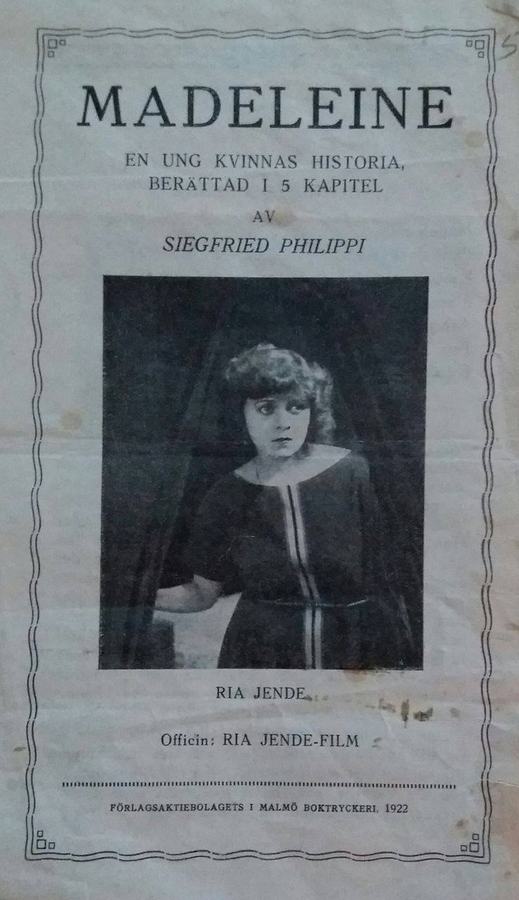
Stepping back into the cinematic currents of 1919, one unearths Madeleine, a German silent film that, even a century removed, pulsates with a raw, almost visceral emotionality. This production, helmed by Siegfried Philippi, is less a mere story and more a tapestry woven with the threads of societal prejudice, illicit passion, and the crushing weight of a woman's struggle against an unyielding world. It's a film that speaks in the grand, sweeping gestures characteristic of its era, yet manages to pierce through the theatricality to touch upon universal truths of human vulnerability and resilience. The narrative, as intricate as it is heartbreaking, unfolds against the backdrop of a Germany grappling with the immediate aftermath of the Great War, a period ripe for narratives exploring moral ambiguity and the erosion of traditional values.
At its core, Madeleine is a searing indictment of class rigidity and the hypocrisy it often engenders. Our protagonist, Madeleine, brought to life with astonishing depth by Magda Madeleine, is introduced as a humble seamstress, her existence a stark contrast to the opulent world of the Berlin aristocracy. Her initial encounter with Baron von Falkenberg, portrayed with a compelling blend of arrogance and internal conflict by Hermann Vallentin, ignites a flame that threatens to consume both their worlds. The film masterfully delineates the chasm between their social strata, not merely through lavish sets and costume design, but through the very body language and interactions of its characters. Madeleine's quiet dignity, even in poverty, stands in stark opposition to the Baron's privileged detachment, setting the stage for a romance that is as doomed as it is fervent.
Philippi's direction, though undeniably rooted in the stylistic conventions of early German cinema, exhibits a keen understanding of visual storytelling. The use of chiaroscuro, a hallmark of German Expressionism which was just beginning to burgeon, is employed here with subtle efficacy, particularly in scenes depicting Madeleine's isolation or the shadowy dealings of her antagonist. The clandestine meetings between Madeleine and Falkenberg are imbued with a palpable tension, often framed in secluded gardens or dimly lit parlors, emphasizing the forbidden nature of their liaison. The camera lingers on their faces, allowing the audience to read the burgeoning affection and the underlying anxiety in their expressions, a testament to the power of silent acting.
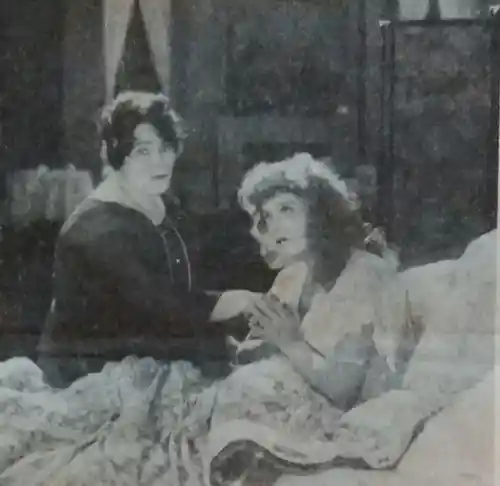
The narrative’s descent into tragedy begins with Madeleine's pregnancy, a development that, in the rigid moral landscape of the time, spells immediate social ruin for a woman without the protection of a legitimate marriage. Falkenberg's subsequent attempts to shield her, driven more by a sense of duty and a nascent affection than genuine courage, prove futile. His efforts to sequester her in a picturesque, yet isolated, cottage are a poignant symbol of his inability to fully integrate her into his world or to truly stand by her. This period of quiet, almost idyllic, isolation is beautifully captured, creating a brief respite before the storm. The film uses these moments to build empathy for Madeleine, making her subsequent downfall all the more agonizing.
The introduction of Herr Gruber, played with chilling malevolence by Georg Berg, marks a pivotal shift in the film's tone. Gruber, a character seemingly born from the shadows of jealousy and avarice, embodies the darker undercurrents of society. His discovery of Madeleine and Falkenberg's secret is not merely an accident but a calculated act of malice, designed to dismantle Falkenberg's reputation and further his own nefarious ends. The film depicts Gruber's machinations with a chilling clarity, showcasing how easily truth can be twisted and innocence impugned when fueled by a powerful, unseen hand. This aspect of the plot resonates with the anxieties of a society grappling with deception and moral compromise, themes that are also subtly touched upon in contemporary films like The Scarlet Woman, albeit with different narrative aims.
The ensuing public disgrace and false accusations hurled at Madeleine are rendered with a stark, almost brutal realism. The scene where she is ostracized, her child cruelly taken from her, is a masterclass in silent film pathos, relying heavily on Magda Madeleine's expressive face and body language to convey utter despair. The audience feels the visceral pain of her humiliation and the profound injustice of her situation. This segment of the film is a powerful commentary on the vulnerability of women in a patriarchal society, where reputation could be shattered by a whisper and a life irrevocably altered by a lie. It’s a tragic echo of the struggles seen in other melodramas of the era, where female protagonists often bore the brunt of societal judgment, much like the thematic underpinnings of a film such as The Hunted Woman.
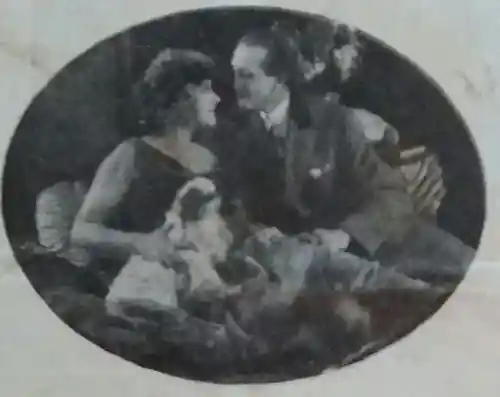
Madeleine's subsequent transformation into 'La Rose Noire,' a cabaret dancer, is a fascinating exploration of identity and survival. Stripped of her former life and her child, she dons a new persona, a mask of allure and defiance, to navigate the unforgiving underbelly of society. This segment allows for a visually rich portrayal of Berlin's nightlife, a stark contrast to the stifling drawing-rooms of the aristocracy. The cabaret scenes, while offering a glimpse into a world of ostentation and fleeting pleasures, also highlight Madeleine's profound loneliness and the enduring pain of her past. Magda Madeleine's performance here is particularly nuanced, conveying both the superficial glamour of 'La Rose Noire' and the tormented soul beneath.
Years pass, and the threads of fate begin to intertwine once more. The chance reunion between Madeleine and Falkenberg, now a shadow of his former self, is handled with a delicate touch, avoiding overt melodrama in favor of quiet, intense glances. Hermann Vallentin convincingly portrays a man haunted by his past failures and the consequences of his cowardice. The narrative introduces Helene, Falkenberg's former fiancée, played by Olga Engl, who emerges not as a rival but as a figure of unexpected compassion. Her journey of discovering the truth about Madeleine and Falkenberg's past adds a layer of complexity to the story, challenging the conventional 'other woman' trope and injecting a much-needed element of empathy and understanding into the aristocratic world.
The climax of Madeleine is a dramatic confrontation with Gruber, where the long-buried truths are finally unearthed. This sequence is a masterclass in building tension through visual cues and the escalating performances of the cast. The revelation of Gruber's treachery is not just a plot device but a moment of catharsis, allowing for the potential vindication of Madeleine. Her fight to reclaim her child and clear her name is the emotional heart of the film's resolution. It is a powerful assertion of a woman's right to justice and motherhood, transcending the societal judgments that had defined her for so long. The performances by Eduard von Winterstein and Fritz Beckmann in supporting roles during these climactic scenes further underscore the gravity of the unfolding drama, lending weight to the legal and moral stakes.
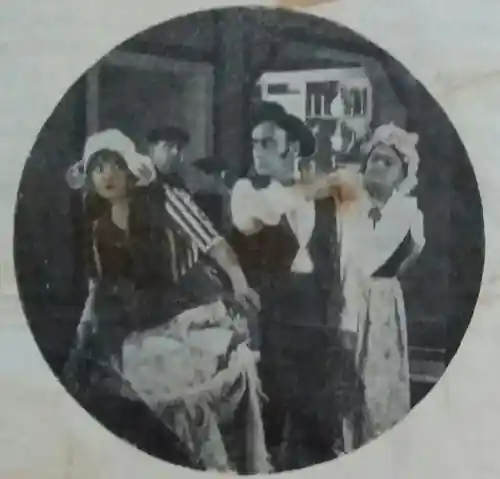
However, the film wisely refrains from offering a saccharine, overly simplistic happy ending. The scars of Madeleine’s past, the years of suffering, and the profound societal shifts cannot be entirely erased. The prospect of reunion with Falkenberg is left ambiguous, allowing the audience to ponder whether true redemption can ever fully heal such deep wounds. This nuanced conclusion elevates Madeleine beyond mere melodrama, imbuing it with a lasting resonance that forces introspection on the nature of forgiveness, societal responsibility, and the enduring power of human spirit. It is a more contemplative resolution than one might find in films like Venganza de bestia, which often favored more definitive, if brutal, forms of justice.
The ensemble cast, including notable contributions from Rudolf Klein-Rhoden, Anneliese Halbe, Adolphe Engers, Ria Jende, Emil Sondermann, Emil Mamelok, Heinrich Schroth, Rosa Valetti, Antonie Jaeckel, and a young Hans Albers, contributes significantly to the film's richness. Each actor, through their nuanced pantomime and expressive gestures, paints a vivid picture of their character's inner world, a crucial element in the success of any silent film. The collective effort elevates the individual performances, creating a believable and immersive cinematic experience. Siegfried Philippi's screenplay, crafted with a keen eye for dramatic tension and character development, provides a robust framework upon which these performances flourish. The narrative structure, while adhering to certain conventions, also dares to explore psychological depths that were quite progressive for its time, distinguishing it from simpler fare such as Bobby's Baby.
In comparing Madeleine to other cinematic works of its epoch, one might find parallels in its exploration of social injustice with films like The Black Stork, which also tackled sensitive societal issues. However, Madeleine distinguishes itself through its particular focus on female agency within a restrictive framework, even when that agency is born from desperation. The film’s visual style, while not as overtly expressionistic as later German masterpieces, certainly lays groundwork for the brooding atmospheres and psychological intensity that would define the movement. The delicate balance between grand romantic gestures and the stark realities of poverty and social ostracism is a testament to Philippi's artistic vision and the collaborative genius of the cast and crew.
Ultimately, Madeleine stands as a compelling artifact of early German cinema, a film that transcends its historical context to deliver a timeless story of love, betrayal, and the arduous journey towards self-redemption. It is a powerful reminder of the profound emotional impact silent film could achieve, relying solely on visual poetry and the raw power of human expression. For those willing to delve into the depths of cinematic history, Madeleine offers a rich, resonant experience, proving that some narratives, like the human heart, speak a language that never truly fades, much like the enduring allure of classics such as Ali Baba and the Forty Thieves, though vastly different in genre. It is a film that challenges us to look beyond the surface, to understand the forces that shape individual destinies, and to appreciate the quiet strength found in the face of overwhelming adversity.
IMDb —
1917
Community
Log in to comment.