DbcultAccessing Vault...
6.7/10
Senior Film Conservator
A definitive 6.7/10 rating for a film that redefined the boundaries of cult cinema. A Woman of the World remains a cornerstone of transgressive art.
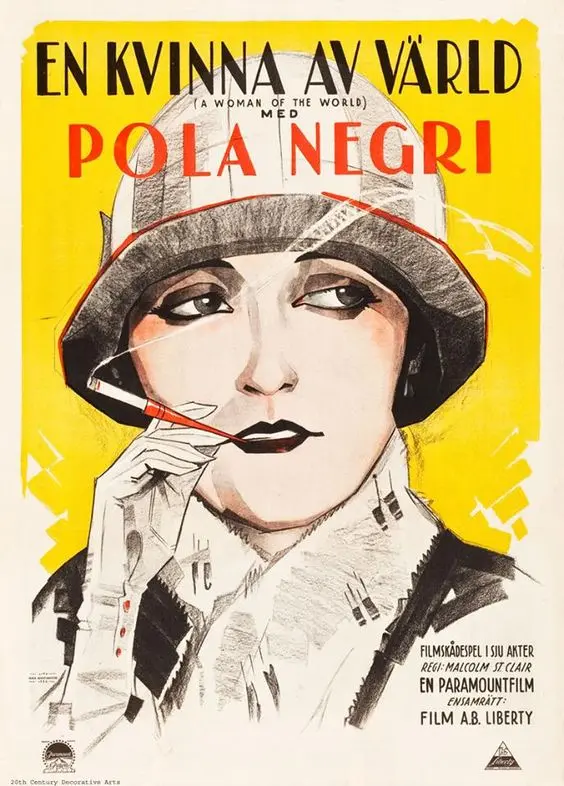
The cinematic landscape of the 1920s was replete with films that pushed the boundaries of social norms and moral codes. Among these, A Woman of the World (1928) stands out as a fascinating case study of a European countess who brings her brand of liberation and hedonism to a small American town.
The film, directed by Malcolm Stuart Boylan and written by Carl Van Vechten, Boylan, and Pierre Collings, tells the story of a mysterious and alluring countess who arrives in a quaint American town, sending shockwaves through the community with her unapologetic sensuality. Dot Farley stars as the countess, bringing a sense of sophistication and glamour to the role.
The countess's stay with a cousin sets off a chain reaction of events that challenge the town's conservative values. Her smoking, flirting with men, and extravagant fashion sense are seen as scandalous by the townsfolk, who are quick to judge and condemn her actions. However, as the story unfolds, it becomes clear that the countess is not simply a temptress, but a complex and multifaceted individual who defies categorization.
The film's portrayal of the countess's character is reminiscent of Pola Negri's performances in films like Aura o las violetas and Der König ihres Herzens, which also explored themes of female liberation and empowerment. Similarly, The Kiss (1928) and You Find It Everywhere (1928) also examined the complexities of human relationships and desire.
One of the most striking aspects of A Woman of the World is its use of visual motifs to convey the countess's character. The film's cinematography is noteworthy, with a focus on bold colors and striking compositions that evoke the opulence and decadence of the countess's European upbringing. The use of shadows and lighting adds depth and nuance to the narrative, creating a sense of tension and foreboding that underscores the countess's interactions with the townsfolk.
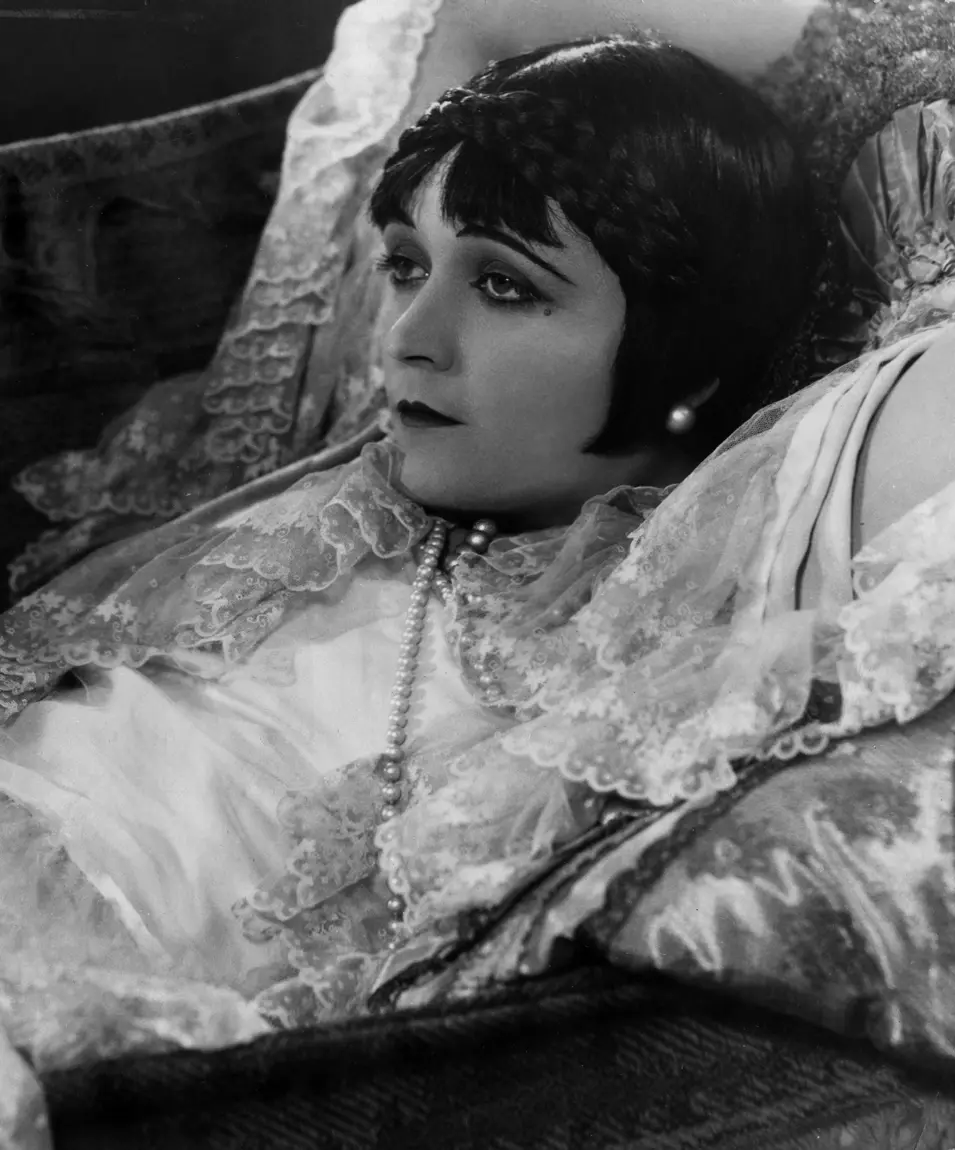
The supporting cast, including Robert Dudley, Blanche Mehaffey, and Dorothea Wolbert, add depth and complexity to the narrative, bringing their own perspectives and motivations to the story. The film's pacing is well-balanced, moving seamlessly between moments of drama, comedy, and romance.
In comparison to other films of the era, A Woman of the World stands out for its bold and unapologetic portrayal of female desire and agency. Films like The Song of Songs (1928) and Alsace (1926) also explored themes of love and relationships, but with a more conventional and sanitized approach.
The film's themes of female empowerment and social critique are timely and thought-provoking, resonating with audiences today. As a work of cinematic art, A Woman of the World is a significant achievement, showcasing the talents of its cast and crew. While some may view the film as a relic of a bygone era, its exploration of universal themes and its innovative storytelling make it a compelling watch for audiences interested in silent cinema and the evolution of film as an art form.
In conclusion, A Woman of the World is a fascinating and thought-provoking film that offers a unique glimpse into the social norms and moral codes of the 1920s. With its bold and unapologetic portrayal of female desire and agency, the film is a must-see for anyone interested in silent cinema and the evolution of film as an art form.
The film's influence can be seen in later works, such as Forsaking All Others (1932) and Shuffle the Queens (1932), which also explored themes of love, relationships, and female empowerment.
In the context of the silent film era, A Woman of the World is a significant achievement, showcasing the talents of its cast and crew. The film's exploration of universal themes and its innovative storytelling make it a compelling watch for audiences interested in silent cinema and the evolution of film as an art form.
IMDb —
1920
Community
Log in to comment.